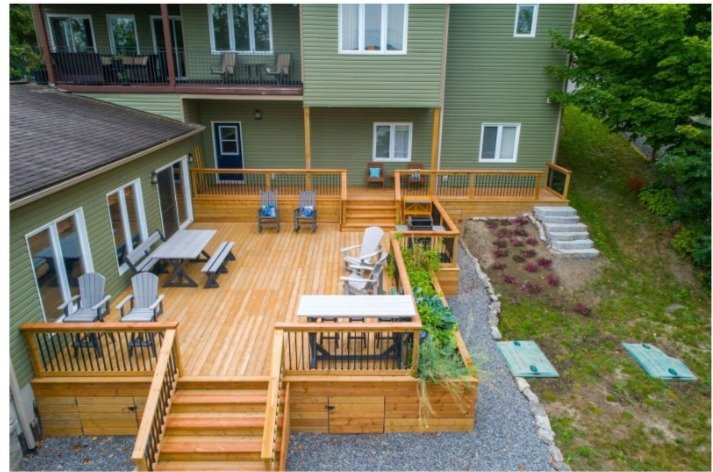
Top 5 Deck Materials: Which One is Right for Your Project?
When planning a deck, choosing the right material is crucial to the project's success. The material you select will affect the deck's appearance, durability, maintenance needs, and cost. Whether you’re a DIY enthusiast or working with a contractor, understanding the pros and cons of various decking materials will help ensure that your deck lasts for years to come. In this article, we’ll explore the top five deck materials to help you decide which one is right for your project.
How to Choose the Right Decking Material
Choosing the right decking material depends on several factors, including your budget, maintenance preferences, climate, and the desired aesthetic. Here are a few key considerations:
Budget: Wood and pressure-treated wood are typically more affordable options. Composite and PVC decking are higher-end materials, but they require less maintenance over time.
Maintenance: If you're looking for something low-maintenance, composite, PVC, and aluminum decking materials are excellent choices.
Climate: If you live in a humid or coastal area, materials like aluminum or PVC may be more suitable due to their resistance to moisture and insects.
Aesthetics: Think about how each material fits your home's style. Wood offers a natural, rustic look, while composite and PVC can mimic wood but with added durability.
Additionally, consulting with professionals from a deck store or researching online can help you compare materials and make the best decision based on your needs and preferences.
1. Wood Decking: The Classic Choice
Wood decking has been a staple in residential decks for centuries. It offers a timeless, natural look that complements various home styles. Commonly used woods for decking include cedar, redwood, and pressure-treated pine.
Pros of Wood Decking:
Classic Appearance: Wood gives a warm, natural look that many homeowners desire. It can be stained or painted to match any aesthetic.
Versatility: Whether you're looking for a rustic, traditional style or a more polished look, wood can be tailored with a variety of finishes and stains.
Affordability: Wood is often more affordable than composite and PVC decking options, making it an appealing choice for budget-conscious homeowners.
Cons of Wood Decking:
Maintenance: Wood decking requires regular upkeep to maintain its appearance. It must be sealed, stained, and treated to protect it from moisture, UV rays, and insects.
Vulnerability to Weathering: Over time, wood can warp, crack, or splinter. Without proper care, it can deteriorate quickly, especially in areas with harsh weather conditions.
Susceptibility to Insects: Even treated wood can attract insects like termites, which can cause structural damage over time if not properly maintained.
Ideal for: Homeowners seeking a traditional, natural aesthetic who are willing to invest time in maintenance.
2. Composite Decking: Low Maintenance and Durability
Composite decking is a popular choice due to its low maintenance and long-lasting performance. Made from a blend of wood fibers and plastic, composite decking provides the appearance of wood without the associated maintenance.
Pros of Composite Decking:
Low Maintenance: Composite decking requires very little maintenance. It doesn’t need to be stained or sealed, and cleaning is as simple as sweeping or using a mild soap solution.
Durability: Composite boards are resistant to fading, stains, rot, and insect damage, making them highly durable. They stand up well to harsh weather conditions and heavy foot traffic.
Variety of Styles: Composite decking comes in a variety of colors and textures, allowing you to choose a style that suits your home and preferences.
Cons of Composite Decking:
Higher Initial Cost: Composite decking is generally more expensive than wood, though its low maintenance can offset the higher upfront cost over time.
Heat Retention: Composite decks can get quite hot under the sun, making it uncomfortable to walk barefoot during peak heat.
Scratching: While durable, composite decking can be prone to scratching, especially if sharp objects are dragged across its surface.
Ideal for: Homeowners seeking a long-lasting, low-maintenance deck that doesn’t require frequent upkeep.
3. PVC Decking: The Ultimate in Durability
PVC (Polyvinyl Chloride) decking is a 100% synthetic option made from plastic. It’s one of the most durable and low-maintenance materials available, offering a virtually indestructible solution for outdoor decks.
Pros of PVC Decking:
Extremely Durable: PVC decking is resistant to moisture, mold, mildew, and insects. It won’t rot or warp like wood, and it’s unaffected by extreme weather conditions.
No Maintenance: With PVC decking, you don’t have to worry about staining, sealing, or painting. Occasional cleaning with soap and water is all that's required to maintain its appearance.
Aesthetics: PVC decking comes in a range of colors and textures, many of which mimic the appearance of natural wood. It retains its color over time, even in direct sunlight.
Cons of PVC Decking:
Higher Upfront Cost: PVC is among the most expensive decking materials, though its long lifespan and minimal maintenance requirements can offset this.
Slipperiness: PVC decking can become quite slippery when wet, posing a safety concern, especially around pools or other wet areas.
Limited Design Options: Although there are many colors and textures, PVC decking tends to have fewer design options than wood or composite decking.
Ideal for: Homeowners who want a maintenance-free deck with superior durability, particularly in humid or rainy climates.
4. Aluminum Decking: Sleek, Modern, and Strong
Aluminum decking is gaining popularity due to its sleek, modern look, resistance to the elements, and strength. This lightweight, metal decking material is often chosen for its durability and minimalist design.
Pros of Aluminum Decking:
Rust- and Corrosion-Resistant: Aluminum is naturally resistant to rust and corrosion, making it ideal for humid or coastal environments.
Long-Lasting: Aluminum decking can last for decades with minimal upkeep. It won’t warp, crack, or splinter, and it’s impervious to insects.
Modern Aesthetic: Aluminum provides a contemporary, clean-lined look. It’s available in a variety of colors and finishes, making it a versatile choice for modern homes.
Cons of Aluminum Decking:
Expensive: Aluminum decking is among the most expensive options, especially compared to wood and composite materials.
Limited Design Choices: While sleek, aluminum doesn’t offer as many aesthetic choices as wood or composite materials, which might limit its appeal for certain styles.
Heat Absorption: Aluminum can get very hot in direct sunlight, which could make it uncomfortable to walk on during the summer months.
Ideal for: Those who want a high-performance, ultra-modern deck and are willing to invest in a durable, low-maintenance solution.
5. Pressure-Treated Wood: Budget-Friendly and Strong
Pressure-treated wood is wood that has been chemically treated to resist rot, decay, and insects. It's a cost-effective option for homeowners who want the appearance of wood without the vulnerability to weather and pests.
Pros of Pressure-Treated Wood:
Affordable: Pressure-treated wood is one of the most cost-effective decking materials, making it a great choice for budget-conscious homeowners.
Durability: The treatment helps protect the wood from insects, rot, and decay, increasing its lifespan compared to untreated wood.
Ease of Use: Pressure-treated wood is easy to work with, making it ideal for DIY projects and quick installations.
Cons of Pressure-Treated Wood:
Maintenance: Although more durable than untreated wood, pressure-treated wood still requires maintenance. It needs to be sealed regularly to prevent weathering and to extend its lifespan.
Environmental Impact: The chemicals used in the pressure treatment process are less environmentally friendly than some other options.
Appearance: Pressure-treated wood doesn’t have the same natural beauty as redwood or cedar and often needs to be stained or painted to improve its look.
Ideal for: Homeowners looking for a budget-friendly, easy-to-install deck solution.
Conclusion
Selecting the right decking material is a critical decision for your project. Each material has its unique advantages, whether it’s the natural beauty of wood, the low-maintenance appeal of composite, or the durability of PVC and aluminum. By considering your budget, climate, and maintenance preferences, you can choose the perfect material to build a deck that complements your lifestyle and lasts for years to come.