How Seasonal Patterns Impact the Activity of Common Household Pests
Household pests rarely appear at random. Their activity often follows predictable seasonal patterns shaped by temperature shifts, humidity levels, and food availability.
Understanding how pests respond to seasonal changes helps homeowners anticipate problems and take timely action before infestations grow.
Each season creates different environmental conditions that influence where pests live, how they move, and what attracts them indoors. Recognizing these cycles allows for smarter prevention and more consistent control throughout the year.
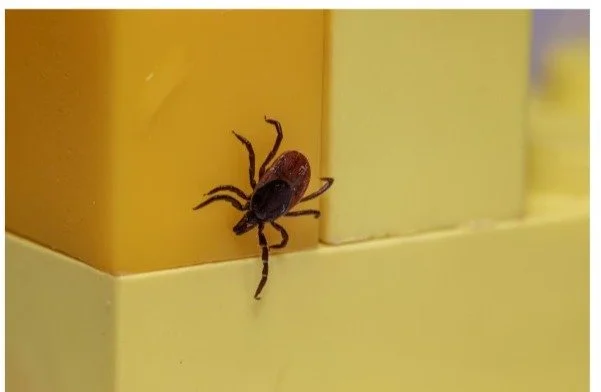
Image source:https://unsplash.com/photos/a-tick-crawls-on-a-yellow-structure-SPm9BYIJST0
Why Seasonal Changes Influence Pest Behavior
Temperature plays a major role in pest activity. As outdoor conditions change, insects and rodents adjust their movement patterns in search of shelter, warmth, or food.
Rainfall, daylight hours, and plant growth cycles further shape these behaviors, affecting breeding rates and migration patterns. Many people notice increased pest activity during certain times of year, which often prompts efforts to stop ant infestations now before colonies expand or move deeper into living spaces. Early awareness of seasonal triggers makes it easier to manage pests before they become established.
By learning how pests respond to environmental shifts, homeowners can align prevention efforts with natural behavior patterns.
Spring: The Season of Emergence and Expansion
Spring marks the beginning of heightened activity for many pests. Warmer temperatures encourage insects to emerge from dormant states and begin searching for food sources. Ants, termites, and beetles often become visible during this period as colonies resume growth.
Rodents may become more active as they forage outdoors and explore potential nesting areas. Increased plant growth provides cover and water, creating favorable conditions for pests near homes.
Sealing entry points and reducing outdoor clutter during spring can limit opportunities for pests to move indoors.
Summer: Peak Activity and Rapid Reproduction
Summer typically represents the most active period for many household pests. Warm temperatures accelerate reproduction cycles, leading to population growth within short timeframes. Mosquitoes, flies, ants, and cockroaches often thrive during this season.
Food waste, standing water, and open windows provide easy access to indoor spaces. High humidity levels further support insect survival and movement.
Managing trash, improving ventilation, and limiting water buildup help reduce pest-friendly conditions during the summer months.
Autumn: Migration Toward Shelter
As temperatures begin to drop, many pests shift their focus toward finding warm shelter. Rodents, spiders, and insects often move closer to buildings during this period. Entry points such as cracks, vents, and gaps become primary access routes.
Falling leaves and outdoor debris create temporary nesting areas near foundations, encouraging pests to settle nearby. Once inside, pests may remain active throughout colder months.
Winter: Survival Mode Indoors
Cold weather reduces outdoor pest activity, but indoor infestations can persist or worsen during winter. Rodents seek warmth and food inside walls, basements, and attics. Certain insects remain active in heated environments, including cockroaches and pantry pests.
Reduced outdoor food sources push pests to rely on indoor supplies. Kitchens, storage areas, and pet food containers become prime targets.
Environmental Factors That Shape Pest Patterns
Seasonal pest activity is influenced by several environmental conditions that change throughout the year. These factors interact and determine when pests appear and how aggressively they spread.
Temperature fluctuations that trigger migration or dormancy
Rainfall that increases water and nesting opportunities
Plant growth that provides shelter and food sources
Daylight changes that affect feeding cycles
Availability of indoor resources during colder months
How Homes Attract Seasonal Pests
Homes offer stable temperatures, food access, and shelter, making them attractive targets during seasonal transitions. Structural features such as cracks, vents, and poorly sealed doors create entry points that pests exploit.
Indoor environments with clutter, water, or accessible food increase the likelihood of prolonged infestations. Seasonal changes often amplify these risks as pests search for survival advantages.
Routine inspections and minor repairs can significantly reduce attraction and entry opportunities.
Preventive Steps That Align With Seasonal Cycles
Effective pest prevention aligns with natural seasonal behavior patterns rather than reacting after infestations develop. Timing actions correctly increases their impact and reduces long-term pest pressure.
Spring cleaning, summer water management, autumn sealing, and winter monitoring create a year-round defense strategy. Each season requires different priorities based on pest activity trends.
Recognizing Early Warning Signs
Seasonal pest activity often begins subtly. Early signs include increased insect sightings, droppings, unusual sounds in walls, or trails along surfaces. Addressing these signals quickly prevents expansion into larger infestations.
Waiting until pests become highly visible often leads to more difficult and costly control efforts. Awareness of seasonal patterns helps homeowners recognize when unusual activity is expected versus concerning.
Adapting Pest Control Strategies Across the Year
No single approach works equally well in every season. Pest control strategies must shift based on environmental conditions and pest behavior cycles. Outdoor treatments may be prioritized in warm months, and indoor monitoring becomes more important during colder periods.
Understanding seasonal movement patterns allows homeowners to apply targeted solutions rather than generalized responses. This approach reduces unnecessary interventions and focuses efforts where they matter most.
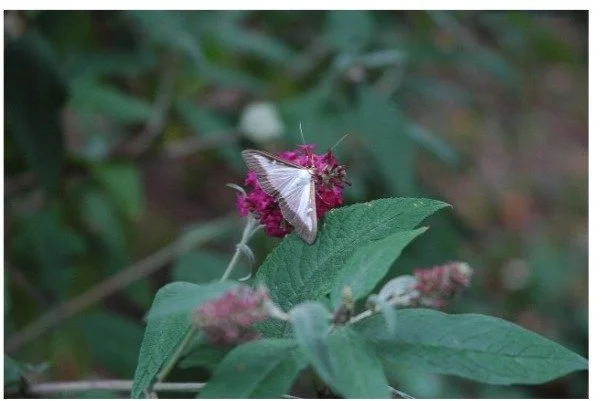
Image source:https://pixabay.com/photos/boxwood-moth-buddleia-pest-4967023/
Building Long-Term Awareness of Seasonal Pest Behavior
Seasonal pest patterns repeat each year, making them predictable with observation and experience. Tracking when pests appear, where they enter, and what conditions attract them provides valuable insight for future prevention.
Homeowners can develop routines tailored to their specific environment and pest risks. This knowledge supports proactive action rather than reactive response.
By understanding these patterns and aligning prevention efforts with seasonal behavior, homeowners can reduce infestations and maintain more consistent control throughout the year.
Awareness, preparation, and timely action remain the most reliable tools for keeping pests from becoming a recurring problem.