7 Cost-Effective Methods to Maintain Roofs, Gutters, and Siding
Roof, gutter, and siding care does not need to be expensive or complicated. With a few steady habits and a short checklist, you can spot small issues before they turn into big invoices. The goal is simple - keep water moving away from your home and deal with problems early.
Image source:https://unsplash.com/photos/yellow-house-during-day--p2tv5DWt8U
Start With A Careful Roof Walkaround
Begin with a slow lap around your home and look for trouble. Scan shingles, flashing, gutters, and siding for gaps, rust, sagging, or fresh stains.
A national inspectors association points out that real roof evaluations happen up close, not from the sidewalk, so treat this sweep as a quick screen before any detailed work by a pro.
Schedule Professional Roof Checkups
Book two routine roof visits each year. Set reminders for spring and fall visits, and if you discover fresh storm damage during your own check, call emergency roofing specialists before minor water turns into interior repairs. Keep a simple folder with past notes and photos so patterns are easy to spot.
During each inspection, take clear photos of shingles, flashing, gutters, and attic spaces. Note wear patterns, missing granules, or sagging areas. Detailed records make it easier to track deterioration over time and support insurance claims if damage occurs.
Store both digital and physical copies in an organized folder. Reviewing these records before each appointment helps contractors focus on the most urgent issues.
Keep Gutters Clear And Flowing
Clogged gutters push water into the roof edges, fascia, and siding. Cost guides report that typical gutter repairs fall in the mid hundreds, but the range can stretch from about $120 to $900 when problems build.
A renovation magazine has warned that ignoring slow drainage can snowball into thousands in water damage, so treat sluggish flow as a red flag.
Quick Gutter Checklist
Scoop leaves and roof grit at least twice a year
Flush each downspout and watch the outlet end
Tighten loose hangers so troughs pitch toward outlets
Add guards if trees hang over the roof
If clogs return fast, schedule brief cleanouts after big leaf drops. Look for shingle granules in the gutters since heavy shedding can hint at aging shingles. Wear gloves and use a stable ladder for every task.
Direct Downspouts Away From The Foundation
Downspouts that dump water near walls invite leaks and frost heave. Municipal guidance recommends attaching elbows and extensions so that runoff lands at least 6 feet from the foundation.
A $15 extension plus a splash block is a small fix that protects basements, slabs, and nearby landscaping. Clogged gutters can overflow and saturate soil near your foundation.
Clean leaves and debris at least twice a year, more often if trees overhang your roof. Check that downspouts and drainage channels are free of obstructions and slope away from the house.
Seal Small Leaks And Maintain Flashing
Tiny gaps around vents, boots, skylights, and chimneys are cheap to fix when caught early. A contractor resource says regular maintenance is a cost-effective way to extend a roof’s life - patching small openings prevents wind and rain from turning them into major repairs.
Keep a tube of exterior sealant, a few replacement boots, and corrosion-resistant screws in a clear bin so you can act fast.
Work methodically. After high winds, check for lifted tabs, cracked rubber at pipes, and flashing that has pulled from walls. If a repair feels risky or complex, stop and call a licensed roofer.
Wash And Inspect Siding Safely
Vinyl siding cleans well with a bucket, mild soap, and a soft brush. A home and garden publication notes that pressure washers can work, but low pressure and the right spray angle matter to avoid forcing water behind panels.
Rinse from the bottom up and then top down to keep streaks from drying in place. Pair cleaning with quick fixes.
Re-caulk shrinking joints, replace cracked trim, and reset loose fasteners so water cannot creep in. As you wash, scan for chalky film, discoloration, or warped boards that suggest heat or water stress.
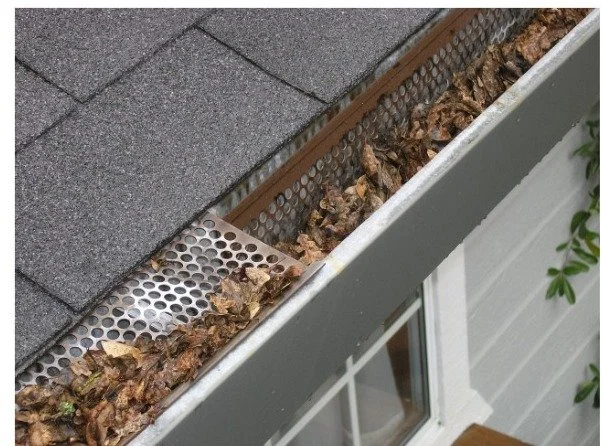
Image source:https://pixabay.com/photos/gutter-guard-ipswich-2434467/
Plan And Budget For Severe Weather
Set aside a small emergency fund for roof and exterior surprises. Industry analysis shows roof repair and replacement costs topped roughly $31 billion in the United States in 2024, driven by material prices, labor, and intense storms.
Build a simple kit with tarps, plastic sheeting, nails, and plywood so you can cover a sudden opening until help arrives.
Create a short action list for after major storms. Walk the property, check the attic for damp insulation, and look for shingle granules in the gutters. If you spot stains on ceilings or swollen trim, move fast to limit water damage.
Small, steady steps keep water out and materials stable. With a short checklist, a few low-cost tools, and a plan for urgent issues, you can stretch the life of your roof, gutters, and siding without stretching your budget.