How Roof Replacement Decisions Are Influenced by Age and Damage
The roof serves as a barrier between your home and the elements. Many factors can contribute to the need for a replacement in terms of age and damage. Homeowners must make informed decisions about when to replace their roofs to secure their homes.
Understanding the key influences on these decisions can help plan necessary maintenance and repairs. Adequate knowledge about roof longevity and potential red flags is a must for every homeowner. Keep reading to learn more.
Types of Damage
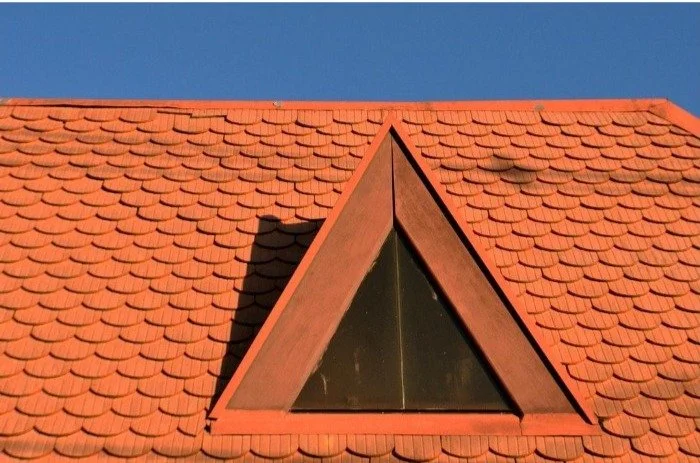
Various types of damage can force homeowners to consider roof replacement. Weather-related damage can compromise a roof’s integrity. Leaks may signal damage that necessitates replacing the entire roof if the damage has spread or been left unaddressed for some time. Wear from heat and sun exposure can weaken materials, leading to accelerated aging.
Damage from falling branches or debris during storms poses threats that may require a full replacement. Homeowners should remain vigilant about signs of damage, as early detection leads to simpler and less costly repairs. Distorted shingles, discoloration, and crumbling edges are all potential indicators of roofing issues that warrant a professional evaluation.
Climate Factors to Consider
A roof's performance may depend heavily on its surrounding climate, influencing maintenance and replacement decisions. Extreme weather conditions, such as heavy rainfall, snow, or extreme heat, can accelerate roof wear and necessitate earlier replacements. Homeowners living in regions prone to hurricanes, tornadoes, or heavy snowfall might find themselves needing replacement more often due to increased wear and tear on roofing materials. If that happens, consult with roofing contractors like KangaRoof to protect your roof from the changing weather. Picking the right roofing materials for specific climates can extend the lifespan of the roof. Homeowners may want to consult skilled roofing contractors who understand local weather patterns and can recommend suitable roofing materials based on their unique conditions.
The Impact of Age on Roofing Materials
The lifespan of roofing materials determines when to replace a roof. Asphalt shingles, metal, and tile all have varying lifespans, which can affect a homeowner's decision-making process. Asphalt shingles last around 20 to 30 years, whereas metal roofs can endure for 40 to 70 years. As roofs age, they are more susceptible to wear and tear, prompting homeowners to seek replacement options.
Many homeowners wait until substantial signs of deterioration appear before acting, resulting in potentially costly repairs. Roof age can serve as a guideline for preventive maintenance so that homeowners can budget and plan for replacements before damage occurs. Regular evaluations identify minor issues before they escalate and save homeowners money in the long run.
Cost Considerations in Roof Replacement
Many homeowners face the question of whether to repair or replace damaged roofing based on cost. Minor repairs may initially seem less expensive than a full replacement, but they occur multiple times and add to the expense in the long term. Understand the total cost of ownership. If annual repairs continue to add up, homeowners could find themselves in a more expensive scenario than if they had opted for a replacement right away.
The costs associated with roof replacement can vary depending on materials, the size of the roof, and labor rates in the area. Homeowners must consider financing options, warranties, and the potential return on investment of a new roof. When evaluating costs, account for potential increases in energy efficiency that newer roofs can bring.
Technological Advances in Roofing
Homeowners today have access to a range of advanced roofing technologies that can influence their replacement decisions. With innovations in energy-efficient roofing or integrated solar panels, these options have gained popularity. Products designed to withstand extreme conditions have encouraged homeowners to invest in longer-lasting solutions.
Automated monitoring tools are emerging, enabling property owners to receive real-time updates on their roof’s condition. By effectively predicting potential damage and assessing roof performance, these tools allow homeowners to make timely, informed decisions. Newer roofing materials come with warranties that extend well beyond traditional options and reduce concerns about premature failure.
The Role of Professional Assessments
Many homeowners may feel confident in their ability to assess roof damage, but professional evaluations provide additional insights that could affect replacement decisions. Roofing contractors possess the expertise to identify underlying issues that may not be visible to the untrained eye. Their evaluations can guarantee that hidden damage is addressed before deciding on replacement.
Homeowners should engage licensed professionals to conduct periodic inspections if they notice any symptoms of damage. Sagging structures or significant leaks require professional assessments to determine the best course of action. Evaluating the condition of the roof and underlying structures can offer a realistic perspective on whether a repair or replacement is necessary.
Maintaining and replacing a roof is the first consideration of home ownership. Homeowners must evaluate the age, damage severity, budget constraints, and contractor reliability. An understanding of these aspects empowers homeowners to make decisions that improve the longevity of their roofs. Homeowners can safeguard their investments so that their properties remain secure against the elements.