How Hard Water Affects Plumbing Systems and What That Means for Long-Term Home Maintenance
Hard water, which contains high levels of dissolved minerals such as calcium and magnesium, might seem harmless at first glance. After all, these minerals occur naturally and are even beneficial for human health. Inside a home’s plumbing system, hard water can cause gradual but significant problems. These minerals build up, affecting water flow, damaging appliances, and increasing maintenance costs. Many homeowners remain unaware of the long-term consequences until they face expensive repairs. Understanding how hard water impacts plumbing and what can be done to mitigate those effects is crucial for protecting your home’s infrastructure and maintaining efficiency.
Mineral Buildup Inside Pipes
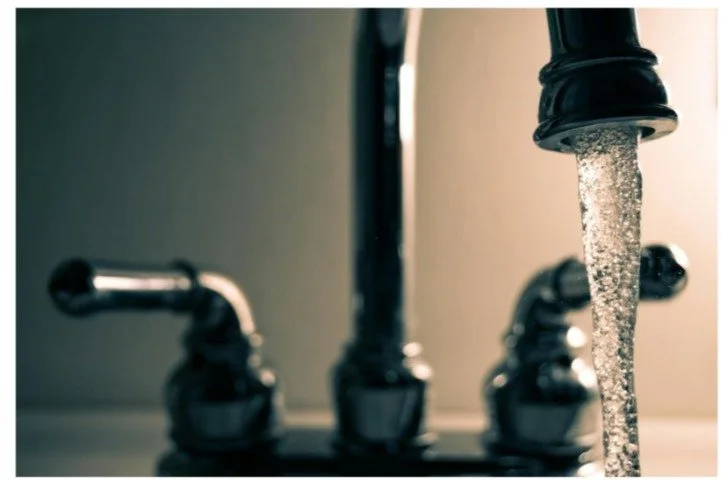
One of the most direct effects of hard water on plumbing systems is the accumulation of mineral deposits inside pipes. As hard water flows through, calcium and magnesium settle on the pipe walls, gradually narrowing the passageway. This reduces water pressure and forces pumps and water heaters to work harder. Over the years, these deposits can become thick enough to restrict flow significantly, leading to costly pipe replacement or professional descaling. Unlike rust, which is often visible from leaks or stains, mineral buildup occurs silently, making preventative maintenance critical.
Reduced Efficiency of Water Heaters
Water heaters are particularly vulnerable to the effects of hard water. When mineral deposits settle at the bottom of the tank or coil, they act as an insulating layer that prevents efficient heat transfer. This means your water heater must use more energy to warm the same amount of water. This inefficiency leads to higher utility bills and shortens the appliance’s lifespan. In tankless water heaters, scale can clog the narrow heating channels, reducing performance and causing premature breakdown. Routine flushing and the use of water softeners can help mitigate these issues.
Strain on Fixtures and Faucets
Hard water affects the hidden plumbing and the visible fixtures such as faucets, showerheads, and sink aerators. The minerals in hard water tend to accumulate and clog the tiny holes that regulate water flow, leading to uneven sprays or even complete blockages. This buildup creates white, chalky stains that are stubborn to remove and can gradually wear down the finish on fixtures, causing discoloration and corrosion. For homeowners in regions with untreated hard water, this often means replacing faucets and showerheads more frequently than usual. These repeated replacements and cleanings contribute to higher ongoing maintenance costs and can be a persistent source of frustration.
Increased Risk of Appliance Damage
Hard water can significantly impact the lifespan and performance of household appliances such as dishwashers, washing machines, and coffee makers. The minerals in hard water, mainly calcium and magnesium, accumulate inside these appliances, causing scale buildup on heating elements, water lines, and moving parts. This buildup reduces efficiency and can lead to frequent breakdowns or costly repairs. For homeowners looking to protect their appliances, consulting a guide to hard water solutions can be very helpful, as it provides practical advice on preventing and managing scale-related damage. Addressing hard water issues early preserves appliance functionality and improves energy efficiency, saving money and extending the useful life of your crucial household equipment.
Higher Long-Term Maintenance Costs
While the daily impact of hard water might seem minor, with slightly lower water pressure or spots on dishes, the long-term costs tell a different story. Mineral buildup can necessitate frequent repairs, replacements, and cleanings. Replacing clogged water heaters, fixing pipe leaks, or swapping out appliances can add thousands of dollars in unexpected expenses over a decade. Even if repairs are minor, the cumulative effect can significantly increase the total cost of home ownership. Proactive water treatment and regular plumbing inspections are important to avoid these financial burdens.
Impact on Water Quality and Taste
Hard water often alters the taste of drinking water, imparting a metallic or mineral-heavy flavor that some people find unpleasant. While these minerals aren’t typically harmful, the change in taste can affect everyday activities such as cooking, brewing coffee, and making ice, sometimes leaving unwanted residues or flavors. Beyond taste, mineral deposits can accumulate inside pipes and fixtures, creating environments where bacteria may thrive if not properly managed. This can subtly degrade water quality. To address these concerns, many homeowners install whole-house filtration systems combined with water softeners, which help remove excess minerals and impurities. This dual approach improves the flavor of water and enhances its safety, and protects plumbing infrastructure for long-term use.
Preventative Measures for Hard Water Issues
There are several effective solutions for minimizing the damage caused by hard water. Water softeners are the most common option, using ion exchange to remove calcium and magnesium from the water before it enters the plumbing system. For those concerned about sodium content from traditional softeners, salt-free alternatives and magnetic descaling systems are available. Routine maintenance, such as flushing water heaters annually and cleaning fixtures regularly, can extend the life of plumbing components. Choosing the right preventative method depends on your budget, household water usage, and local water hardness levels.
Planning for Long-Term Home Maintenance
Addressing hard water issues is important for any homeowner’s long-term maintenance strategy. By understanding and accounting for the gradual wear and tear caused by mineral buildup, homeowners can schedule timely upgrades and replacements, avoiding unexpected system failures. Keeping detailed records of water treatment equipment servicing, regular plumbing inspections, and appliance maintenance allows for better tracking of the health of the home’s water systems. Taking a proactive approach prevents costly repairs and ensures that all water-using systems remain efficient, safe, and reliable. This foresight helps protect your investment and promotes the longevity of your home’s plumbing infrastructure.
Hard water may be a silent culprit in home maintenance challenges, but its effects are far-reaching and costly if ignored. From hidden mineral buildup in pipes to visible damage on fixtures and appliances, the impact accumulates, often unnoticed until repairs become unavoidable. The good news is that with proper prevention, routine maintenance, and investment in water treatment solutions, homeowners can protect their plumbing systems and avoid the high costs associated with long-term neglect. By taking a proactive stance, you safeguard your plumbing and the efficiency and comfort of your home.