How Coastal Flooding Is Driving a Surge in Masonry Upgrades on Long Island
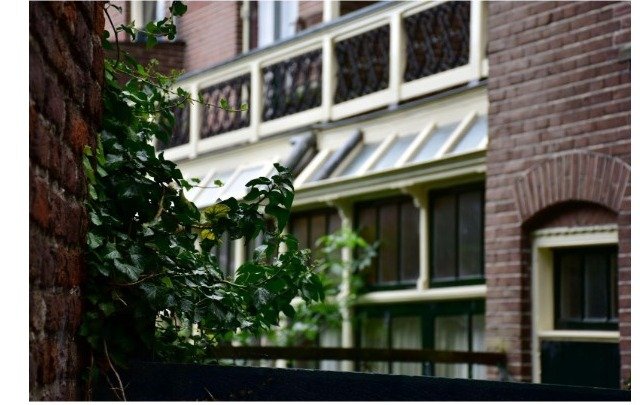
Photo by Ries Bosch on Unsplash
Long Island’s coastal communities have always lived with the reality of storm surges and high tides, but in recent years, homeowners have begun confronting a new and far more dangerous pattern: more frequent coastal flooding, intensified erosion, and repeated saltwater intrusion that threatens residential structures. The island’s shifting climate, rising sea levels, and stronger storms are placing unprecedented pressure on foundations, walkways, retaining walls, and outdoor living spaces.
These changes have triggered a significant surge in demand for Long Island masonry services, as homeowners look for durable materials and modern construction techniques capable of resisting the island’s harsh, moisture-driven environment. More than ever, residents are investing in masonry upgrades not just for aesthetics, but to protect their homes from long-term structural damage.
Below, we explore the major reasons coastal flooding has pushed masonry to the forefront of Long Island home improvement, and why these upgrades are becoming essential for safeguarding property value.
Rising Sea Levels Are Reshaping Long Island’s Flood Risk
One of the most pressing factors driving the surge in masonry work is the island’s increasing vulnerability to sea-level rise. According to the New York State Department of Environmental Conservation (NYSDEC), sea levels along Long Island’s coastline have risen more than nine inches since the 20th century, with projections showing continued acceleration. Even small increases in sea level dramatically change how storm tides and daily high tides interact with coastal communities.
Higher water levels push flooding farther inland, reaching foundations and yards that once remained safe during storms. This exposes concrete slabs, retaining walls, steps, and paver surfaces to repeated saltwater contact, which weakens materials and erodes soil. Masonry contractors are seeing heightened demand for reinforced materials, especially stone and engineered blocks, that hold up better against erosion, salt exposure, and frequent saturation.
Stronger Storms Are Increasing the Frequency of Saltwater Intrusion
Long Island has experienced a noticeable rise in severe weather events, including tropical storms and nor’easters. Reports from the National Weather Service New York, NY Office show that storm intensity and rainfall rates have grown over the past decade. Stronger storms bring higher storm surges and more coastal infiltration of saltwater.
Saltwater is particularly destructive to traditional concrete, mortar, and brick. It accelerates corrosion inside reinforced structures and leaves salt deposits that weaken materials over time. As a result, patios sink faster, stairs crack more easily, and basement block walls experience accelerated deterioration. Homeowners are upgrading to salt-resistant masonry, redesigned retaining walls, and improved waterproofing systems to withstand the new normal of storm-driven coastal flooding.
Many contractors report that even homes far from the immediate shoreline now face repeated saltwater exposure during major storms, forcing homeowners to rethink the durability of their outdoor structures.
Erosion Is Creating Instability Around Foundations and Outdoor Spaces
Coastal erosion is no longer limited to Long Island’s beaches. The New York State Geological Survey notes that erosion is increasingly affecting residential zones near inlets, marshes, and tidal creeks. As floodwaters move inland, they take soil with them, undermining patios, walkways, seawalls, and even main structural foundations.
Masonry upgrades have become critical in these areas because erosion often creates voids under slabs. Once soil is washed away, the concrete begins to sink, tilt, or crack. Homes on slight slopes face even greater risks, as floodwater reshapes the grade around the property, altering drainage patterns. Many homeowners are installing new retaining walls, stone barriers, and reinforced foundations to keep soil in place and prevent further land loss.
The surge in erosion-related repairs reflects a changing landscape in which homeowners must continuously reinforce their properties against the movement of both soil and water.
Outdated Masonry Structures Can’t Withstand Modern Flood Cycles
Much of Long Island’s housing stock was built in the 1960s through the early 2000s, when coastal flooding was less severe and building codes did not anticipate today’s climate pressures. Patios, walkways, and steps built decades ago were often constructed with basic concrete or traditional brickwork, not engineered to resist repeated water intrusion.
The Town of Hempstead Building Department and other local regulators have strengthened construction codes in recent years, requiring better drainage, stronger materials, and higher resiliency standards. Homeowners with outdated masonry are now discovering that their existing structures are failing at an accelerated rate because they were never designed for today’s conditions.
Cracks in foundation block walls, deteriorating front steps, sinking patios, and crumbling retaining walls are all becoming common signs that older masonry is no longer sufficient. As a result, upgrades involving interlocking pavers, engineered retaining systems, and modern waterproofing membranes have skyrocketed across the island.
Higher Groundwater Levels Are Weakening Foundations from Below
Coastal flooding doesn’t only affect visible outdoor structures, but also raises groundwater levels beneath homes. Studies conducted by Stony Brook University’s School of Marine and Atmospheric Sciences show that groundwater is rising in coastal Long Island areas due to sea-level rise. Higher groundwater means foundations remain in contact with moisture more frequently, accelerating deterioration within block walls, crawlspaces, and slabs.
Moisture traveling upward through capillary action creates hydrostatic pressure, a silent but powerful force that pushes against basement walls and undermines concrete footings. Traditional cinder block, which is highly porous, absorbs groundwater easily and weakens over time. This has led to an uptick in masonry foundation repair, including new waterproof coatings, interior reinforcement, and partial foundation rebuilds using more resilient materials.
Flooding Is Damaging Outdoor Living Spaces, Fueling a Renovation Boom
Long Island’s outdoor lifestyle has always been a draw, from backyard patios and fire pits to pool decks and grilling areas. But communal outdoor spaces tend to be built low to the ground, making them vulnerable to flooding. After storms, many homeowners find standing water on their patios or a layer of silt left behind by tidal intrusion.
Repeated flood exposure weakens mortar joints, shifts pavers out of alignment, and causes concrete slabs to crack. As a result, many residents are upgrading to modern masonry that includes better drainage channels, permeable pavers, raised platforms, and reinforced stone or block structures. Masonry contractors across Nassau and Suffolk Counties report a surge in demand for flood-resistant outdoor designs that elevate living spaces above high-water marks.
Modern Masonry Techniques Are Built Specifically for Coastal Resilience
Another force behind the masonry boom is the evolution of construction technology itself. Today’s masonry techniques are far more sophisticated than the methods used 20 or 30 years ago. Contractors now incorporate engineered block systems, marine-grade materials, improved drainage engineering, deep-set footings, and advanced waterproofing membranes.
The flexibility of interlocking pavers, for instance, makes them resistant to shifting during floods. Reinforced retaining walls can hold back saturated soil much more effectively than older stone structures. And modern mortars and sealants are specifically designed to withstand saltwater exposure.
Conclusion
Coastal flooding on Long Island is no longer an occasional inconvenience; it is a structural threat reshaping the island’s homes, landscapes, and construction strategies. Rising sea levels, stronger storms, persistent erosion, high groundwater, and outdated infrastructure all contribute to the rapid deterioration of concrete and masonry systems. In response, homeowners are turning to modern masonry upgrades to reinforce foundations, stabilize soil, protect outdoor spaces, and meet increasingly strict insurance and building requirements.
With climate pressures expected to intensify, the demand for durable, flood-resistant masonry will only continue to grow. For Long Island residents, investing in advanced masonry solutions has become not just a smart upgrade, but an essential step in safeguarding property value and ensuring long-term structural resilience.