From Location to Layout: What Affects Your Home’s Value?
If you’re thinking of selling your house or just curious about how much it’s worth, one thing is certain. Home value isn’t just about what’s on paper. Buyers see your property as more than bricks and paint. They look at the whole package: where it is, how it’s built, what it looks like, and even how it feels.
Whether you're in a hot market or a slow one, certain factors always come into play. Let’s break down the key things that shape your home’s value so you can understand where you stand and what you might want to improve.
Location Still Rules
One of the biggest things that affects home value is location. You've probably heard it before: location, location, location. That’s because where your house sits makes a huge difference. A great home in the wrong neighborhood might not sell quickly or for top dollar. On the other hand, a smaller or older home in a good location can attract buyers fast.
Things that boost value in a location include:
Good schools nearby
Low crime rates
Parks and walking trails
Local shops, restaurants, and amenities
Easy access to major roads or public transportation
If your house is in an area with a lot of development or positive change, like new businesses moving in or upgraded roads. Your value could go up even more.
Layout Can Be a Deal Maker (or Breaker)
Beyond the location, layout plays a big role. It's not just about square footage anymore. It's about how the space flows. Open floor plans tend to be more desirable these days because they feel bigger and allow for flexible living.
Older homes that have tight, closed-off rooms can sometimes feel outdated. Homes with awkward room placements or poor storage can also turn off buyers. Even a home with plenty of space might not impress if the layout doesn't make sense.
Buyers today love:
Open kitchens that connect to living spaces
Primary bedrooms are separate from guest rooms
Logical flow between rooms
Plenty of storage and closet space
You don’t need to knock down walls, but even small changes in furniture placement or minor upgrades can improve how your layout feels.
Age and Condition Count
A well-maintained older home can still hold value, sometimes even more than a newer one that’s been neglected. Buyers often ask about the age of the roof, plumbing, electrical systems, HVAC, and appliances. If these are in good shape or have been recently replaced, that’s a plus.
Cosmetic issues like worn carpets or chipped paint can lower the perceived value, too. A buyer might think, If they didn’t fix this, what else hasn’t been taken care of? Regular maintenance shows in the details. Doing routine upkeep and tackling small repairs can pay off when it’s time to sell.
Interior Style and Updates Make a Difference
Today’s buyers care a lot about style. Neutral colors, modern lighting, updated kitchens, and bathrooms. These things make luxury homes stand out. A house might be perfectly livable, but if it looks outdated, it may stay on the market longer or sell for less.
You don’t have to spend a fortune to modernize. Even simple updates like replacing cabinet hardware, painting, or swapping light fixtures can make a home feel fresher. Focus on areas that buyers pay most attention to, like the kitchen, bathrooms, and main living areas.
Keep it simple and clean. Bold colors and unusual design choices might turn some buyers away, even if they’re trendy.
Curb Appeal Sets the Tone
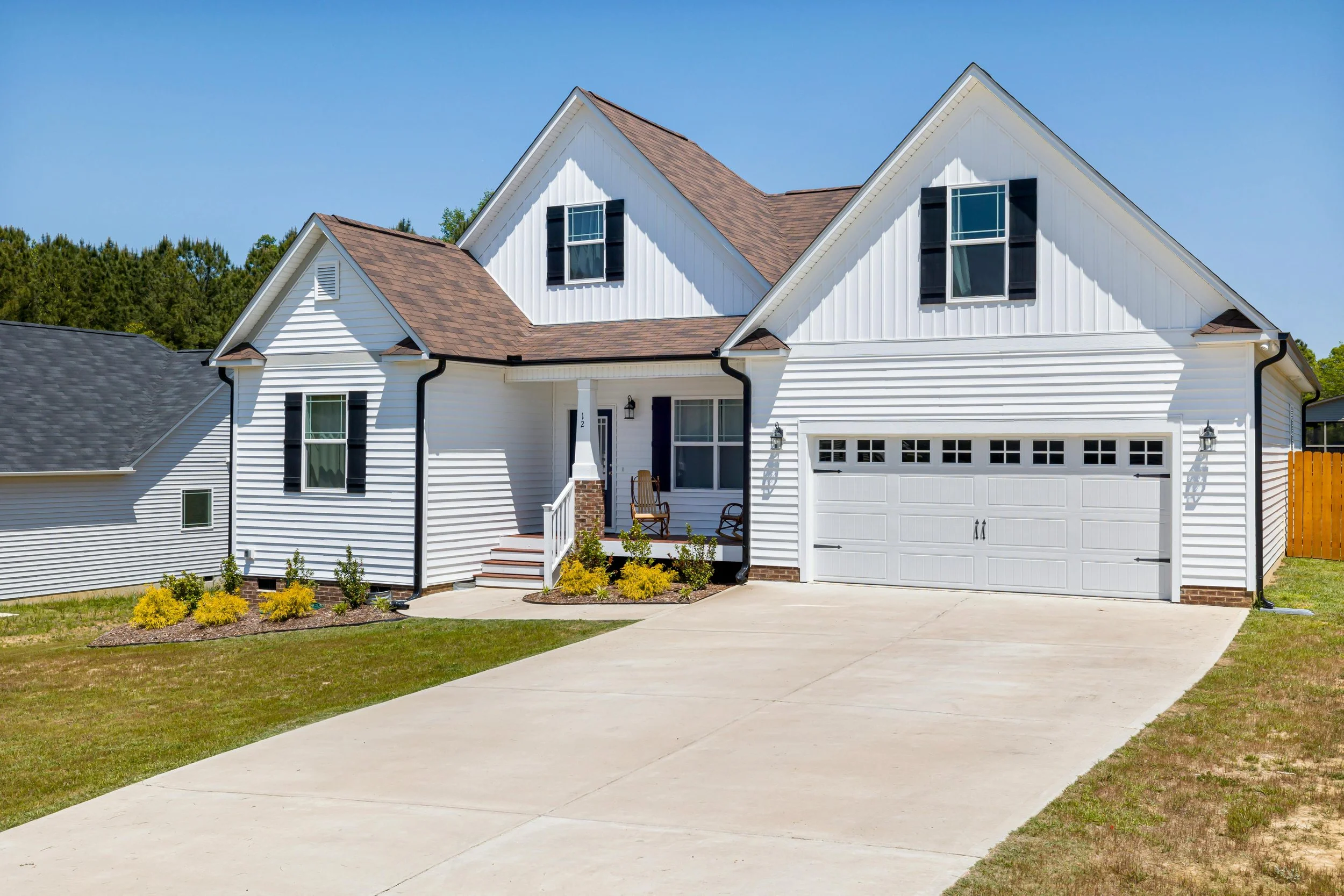
First impressions are everything. If the outside of your home doesn’t look inviting, many buyers won’t even make it through the front door. This doesn’t mean your home needs to look like a magazine cover, but it should be tidy and cared for.
Curb appeal doesn’t just attract buyers, it also signals that the home is cared for inside and out.
Size Does Matter, But Not Alone
Of course, square footage plays a role in value. Larger homes tend to cost more, but only if the space is usable and makes sense. A big house with wasted space or poor layout won’t fetch as much as a slightly smaller one that’s been well-designed.
It’s not just about how much space you have, it’s about how that space lives. Extra bedrooms, bathrooms, or a finished basement can all add value, especially for growing families.
The Market Always Has a Say
You can have the best house in town, but if the market is slow, it may take longer to sell. Real estate values also shift with economic trends, interest rates, and even seasons. Timing can affect your price as much as anything else.
That’s why many sellers in fast-changing areas turn to companies like Fast Vegas Home Buyers to get a fair price without waiting months on the market. It’s an option worth exploring if you want to sell quickly or skip the stress of fixing things up.
Small Details That Are Often Overlooked
Some little things can impact value more than you'd expect. For example, noise from nearby roads or airports can turn off buyers looking for peace. HOA fees and neighborhood rules can also be a concern, especially if they’re strict or costly.
Storage space is another key detail. Homes with limited closet or garage space can seem cramped even if they have plenty of square footage. On the flip side, homes with smart layouts that maximize storage feel more livable.
Smart home features like thermostats, doorbell cameras, and security systems may also appeal to tech-savvy buyers. Energy efficiency, like good insulation or modern windows, can add value too, especially for buyers who want to save on utility bills.
These smaller factors may not be the stars of your listing, but they often play a role in whether a buyer sees your home as move-in ready or a project.
Thinking About Selling?
If you're planning to sell, start by walking through your home like a buyer. What feels fresh? What feels tired? What’s easy to fix, and what needs a bit more thought?
Get an idea of your home’s strengths and where you might need to make changes. You don’t have to do it all; just focus on the areas that will give you the most return.
Remember, selling isn’t always about making your home perfect. It’s about making it desirable. Whether you’re updating a few things or looking for a fast, simple way to sell as-is, knowing what affects value helps you make smarter moves.