From Crops to Crowds: The Appeal of Interactive Farm Attractions
Key Takeaways
Experience reshapes land value. Interactive farms turn ordinary acreage into destinations that feel culturally and emotionally rich.
Connection to food matters. Hands-on learning helps you understand where nourishment truly comes from.
Play builds community. Shared activities transform farms into social hubs that unite neighbors and families.
Technology can protect tradition. Smart tools allow farming to remain productive while staying environmentally responsible.
Farms are mixed-use landscapes of the future. They blend production, leisure, conservation, and lifestyle in one living system.
You probably picture a farm as a quiet place: barns, fields, tractors, and the slow rhythm of seasons. For generations, that image was accurate. Farms existed primarily to grow food, raise animals, and sustain rural economies.
Visitors were rare, and when they came, it was usually to buy produce at a roadside stand or pick apples in a modest orchard. Today, that story has changed. Across many regions, working farms are evolving into immersive destinations that welcome crowds, curate experiences, and actively shape how people connect with land, food, and community.
From Working Land to Lifestyle Destination
You’ve likely seen this shift if you live near or invest in semi-rural property. Interactive farms are becoming anchors of local identity, blending production with play, education with entertainment, and tradition with technology.
They’re no longer just backdrops to countryside living; they are lifestyle hubs that influence how neighborhoods feel, how land is valued, and how people experience nature. At the heart of this transformation is the farmhouse—not merely a building, but a symbol of heritage, hospitality, and continuity.
What makes this evolution especially compelling for a high-end real estate audience is how these destinations reshape perception. Land is no longer judged only by acreage or soil quality. It’s increasingly valued for its capacity to offer meaningful experiences, cultural vibrancy, and access to curated rural life.
The Modern Visitor Problem: Why People Feel Disconnected from Food
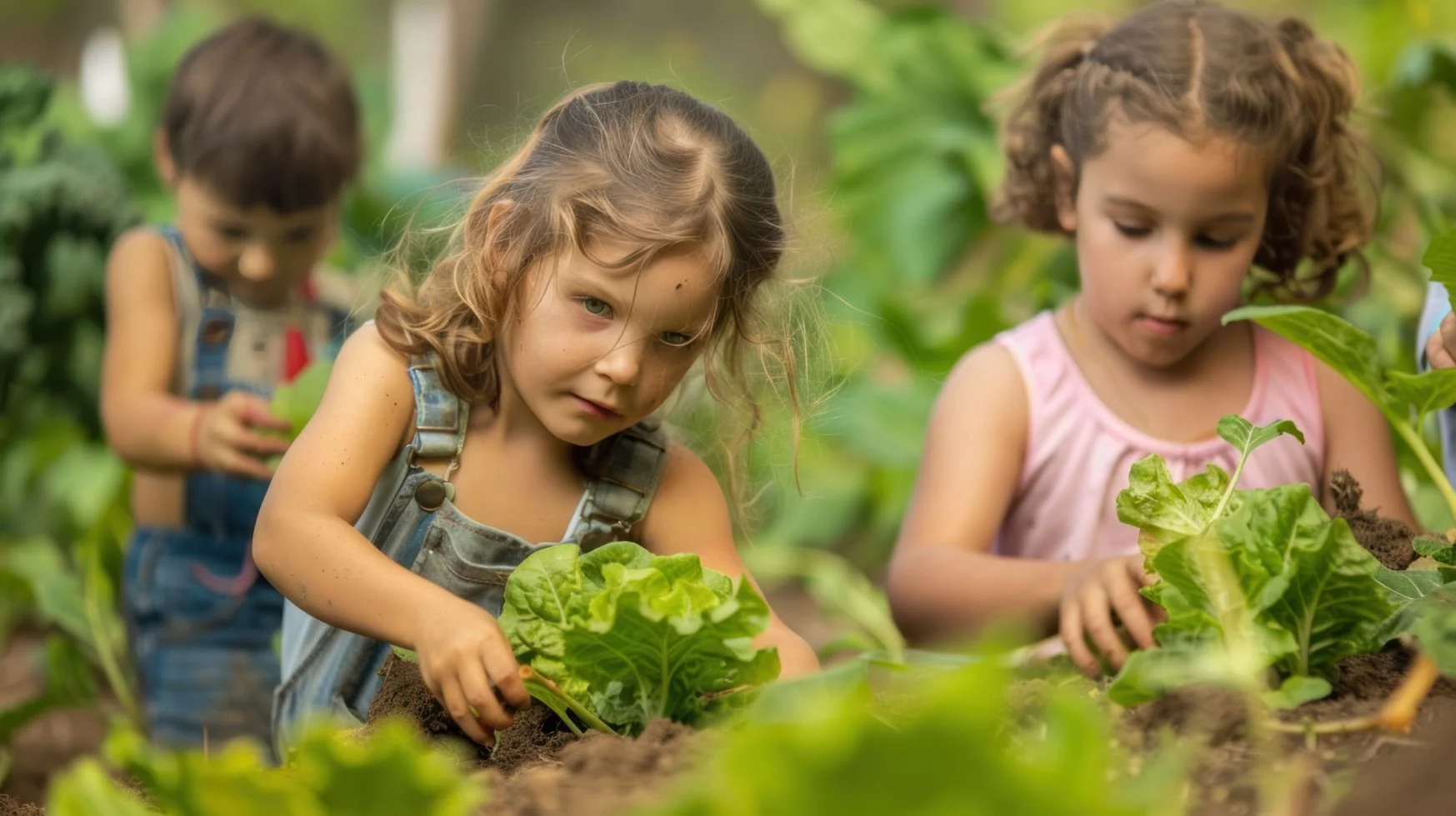
Despite living in a world of abundance, many people feel strangely detached from what they eat. For children growing up in urban and suburban settings, food often appears magically on supermarket shelves rather than emerging from soil, sun, and labor. You might buy tomatoes without ever seeing a vine, drink milk without setting foot in a dairy barn, or serve steak without knowing anything about how cattle are raised.
At the same time, families crave meaningful time together away from screens. They want experiences that feel real, tactile, and memorable, yet they often struggle to find spaces that are both engaging and genuinely educational. Traditional theme parks can be exciting, but they rarely deepen your understanding of nature, food systems, or land stewardship.
This disconnection creates a subtle but significant cultural gap. People yearn for nature’s bounty, yet many lack access to it in an authentic way. They want to feel grounded in place, but modern life often pulls them toward convenience rather than connection. Interactive farms step into this gap, offering a bridge between contemporary lifestyles and the origins of food.
Navigation, Nostalgia, and Connection to the Land
A common challenge for farms transitioning into visitor attractions is how to draw people in without turning the land into a superficial playground. One creative solution many owners embrace is to start a corn maze as both a visual landmark and an interactive gateway into the farming story.
A corn maze does more than entertain. As you walk its winding paths, you’re literally moving through a living crop, surrounded by tall stalks that sway in the breeze. The experience slows you down, forces you to pay attention, and subtly reconnects you with the scale of agriculture. Families laugh, children problem-solve, and adults rediscover the simple thrill of exploration.
For nearby homeowners, such features add character to the landscape rather than clutter. Instead of monotonous fields, the farm becomes a dynamic canvas that changes with the seasons. In autumn, the maze pairs beautifully with a pumpkin field, creating a sense of rhythm and anticipation that elevates the entire rural aesthetic.
Attractions & Rides as Social Infrastructure
You might not think of farms as social infrastructure. However, that is exactly what they’re turning into in many communities. When a farm adds attractions & rides, it isn’t merely chasing tourism dollars. These structures become gathering places where neighbors meet, families celebrate milestones, and visitors form emotional ties to the land. They function much like town squares, only rooted in soil rather than concrete.
Interactive play transforms farms into spaces of shared memory. Birthdays, school trips, and seasonal traditions all unfold against the backdrop of fields, barns, and open skies. This collective experience strengthens community culture in ways that traditional entertainment venues rarely achieve.
Family-Centered Play & Memory-Making
Train rides for kids: Gentle tracks winding through pastures give children a safe sense of adventure while keeping them visually connected to animals and crops. These rides subtly teach them how working landscapes fit together.
Hayrack ride: Rolling across uneven ground behind a tractor lets you feel the texture of the land, hear birds overhead, and see farming from a moving, immersive perspective rather than behind a windshield.
Fun park attractions: Slides, swings, and climbing structures feel more special when framed by barns and trees instead of asphalt and neon lights.
Face painting: Small artistic touches turn an ordinary visit into a personal keepsake, helping children remember the farm long after they leave.
Sky-high obstacles and a ropes course: These features challenge confidence and teamwork while keeping you literally and figuratively connected to the natural environment around you.
By blending play with place, farms ensure that enjoyment never feels divorced from the land itself. You leave not just entertained, but subtly more aware of how landscapes shape experiences.
Farms as Social Anchors
Perhaps the most overlooked benefit of interactive farms is how they nurture community culture. Through volunteer programs, locals help with planting, harvesting, or habitat restoration, forging personal bonds with the land. Seasonal events, from harvest festivals to lantern nights, become shared traditions that knit neighborhoods together.
These interactive experiences make farms feel less like businesses and more like communal assets. You don’t just visit; you belong. For real estate buyers, that sense of belonging can be as valuable as square footage or scenic views.
Turning Animal Encounters Into Ethics, Empathy, and Education
Few aspects of farm attractions resonate as deeply as animal encounters. Standing close to a cow, watching chicks hatch, or observing tropical birds in a shaded aviary brings agriculture to life in a way textbooks cannot. Many farms offer behind-the-scenes animal encounters that reveal how animals are cared for, fed, and protected.
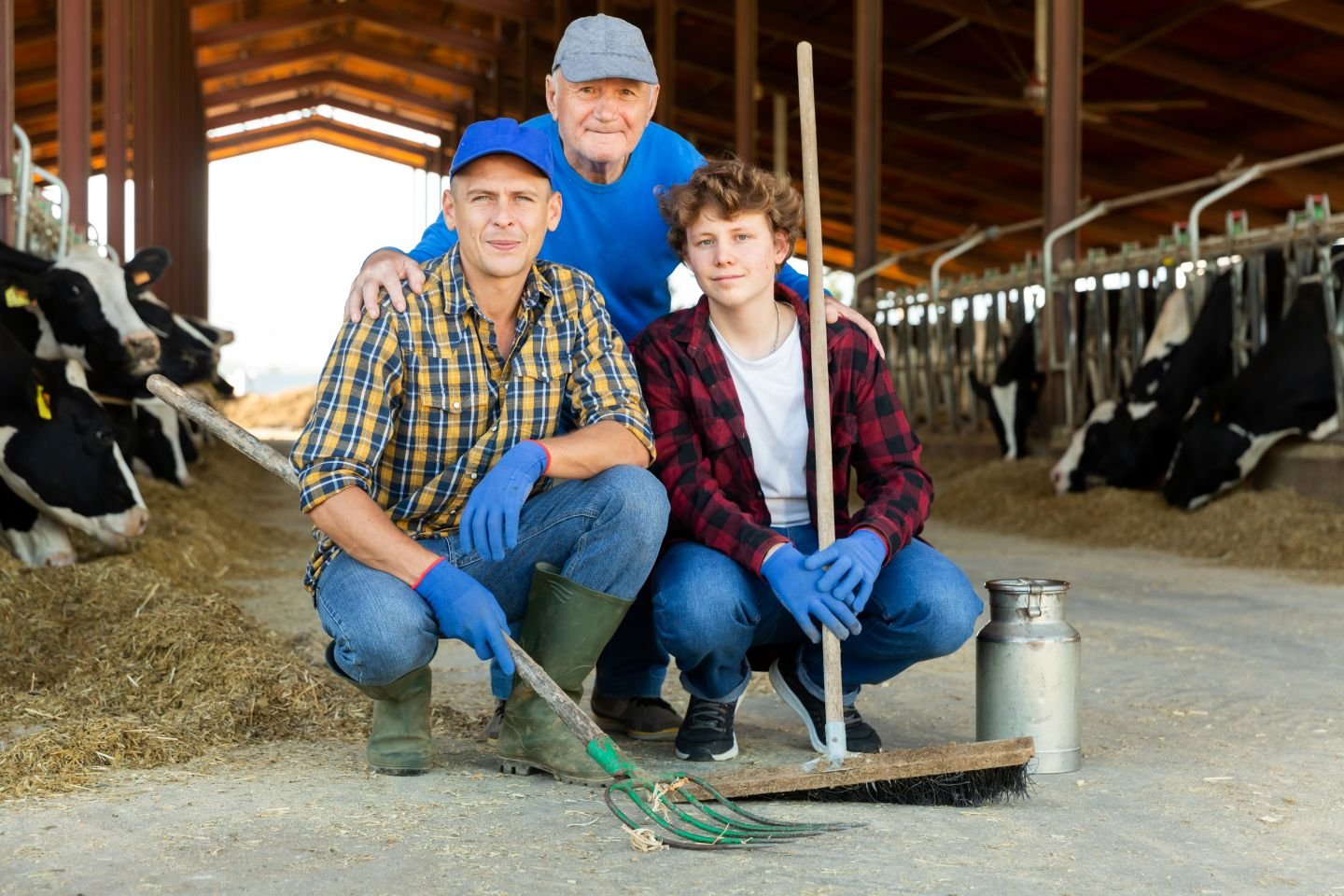
A well-run petting farm and zoo invites curiosity while prioritizing animal welfare. Children learn that goats have personalities, pigs are intelligent, and hens are sensitive to their surroundings. You might watch a calf in the birthing barn, step into the dairy barn, or try cow milking, gaining respect for the skill and patience involved.
Gentle pony rides introduce young visitors to riding and trust, while colorful tropical birds add an unexpected touch of wonder. These experiences are often woven into educational programs that explain ecosystems, animal behavior, and sustainable farming practices. The result is not spectacle, but stewardship.
Nature’s Bounty and the Sensory Landscape
One of the most powerful draws of interactive farms is often the landscape itself. Walking along a nature trail, you might pass flowing water features, listen to rustling leaves, and breathe air that smells faintly of earth and grass. At a fishing pond, families linger quietly, rods in hand, waiting for a bite.
Seasonal rhythm shapes everything. In spring, blossoms fill the apple orchard. In summer, fields glow green. In autumn, you wander through rows of orange pumpkins in the pumpkin field. These seasonal harvests remind you that time on a farm moves in cycles, not deadlines.
For homeowners, living near such landscapes offers daily access to serenity. The farm becomes less of a destination and more of an extended backyard, where beauty, productivity, and ecology coexist.
From Field to Fork
Modern agritourism isn’t complete without farm-to-table dining. Rather than simply selling produce, many farms curate meals that tell a story, from soil to plate. You sit at long wooden tables, surrounded by fields that supply your ingredients, creating a visceral connection between land and nourishment.
Some farms pair dining with interactive experiences. After a peaceful afternoon at the fishing pond, you might be invited to cook or grill your own catch at an outdoor station, turning a simple meal into a communal ritual. Others incorporate visits to a small cheese shop, where you can sample products made just steps away.
These culinary moments elevate farm attractions beyond casual day trips. They position the farm as a refined destination, appealing to discerning visitors who value authenticity, craftsmanship, and locality.
Where Tradition Meets Technology
Modern farms are as much laboratories as they are landscapes. At an innovation station, you begin to see how cutting-edge tools are reshaping agriculture without erasing its soul.
Technology That Protects the Land
GPS-controlled tractors: These machines reduce waste, minimize soil compaction, and allow farmers to manage fields with remarkable precision while preserving long-term fertility.
Drone pollinators: Emerging tools that supplement natural pollination help safeguard yields in a changing climate while sparking conversations about environmental responsibility.
Wildlife research: Many farms partner with scientists to monitor habitats, ensuring that working land supports biodiversity alongside production.
Conservation work: Wetland restoration, tree planting, and soil regeneration initiatives demonstrate that profitable farming can coexist with ecological care.
Incorporating these activities makes farm visits more impactful. Visitors leave with a new appreciation for how innovation and tradition can reinforce one another.
Curated Exclusivity on Rural Land
Some farms now offer an all-access pass, granting members priority booking, private tours, or special workshops. This model borrows from luxury clubs while retaining a rustic spirit. You feel privileged, but never disconnected from the farm’s authentic purpose.
Such programs deepen loyalty and encourage repeat visits. They also enhance property appeal nearby, as residents gain regular access to curated rural experiences without long travel.
The Real Estate Value Proposition
Proximity to interactive farms increasingly shapes how people evaluate rural and semi-rural properties. You are not just buying land, but obtaining access to lifestyle, learning, and landscape. Morning walks along a nature trail, weekend meals rooted in sustainable food, and spontaneous evenings watching sunsets over fields become part of daily life.
Homes near vibrant farm attractions often command higher demand because they promise more than scenery; they promise story, rhythm, and community.
Farm Stays and Experiential Lodging
A growing number of farms invite guests to stay overnight, blurring the line between tourism and residential living. Glamping tents, restored barns, and guest cottages allow visitors to wake up to roosters, dew-kissed fields, and the gentle hum of tractors at dawn.
Guests might spend the day helping with chores, exploring the apple orchard, or learning about water management around natural water features. Evenings bring stargazing, communal meals, and quiet reflection.
These experiences do more than entertain; they create emotional investment in the land. You leave feeling like a temporary steward rather than a tourist.
When Farming Becomes Hospitality
It’s worth noting that some farm owners have discovered an entirely new revenue stream. Some farm owners can earn as high as USD$ 1 million annually by offering accommodation with unique farm experiences.
This does not mean abandoning agriculture. Instead, it represents diversification: using beauty, authenticity, and hospitality to support the farm’s core mission. Income from stays can fund conservation work, animal care, and educational programs.
For investors, this hybrid model is compelling. It blends resilience, sustainability, and profitability while preserving the character of rural land.
The Future of Interactive Farms
Looking ahead, interactive farms are likely to deepen their educational focus while expanding creative offerings. Expect more collaborations with schools, scientists, and chefs. Soon, the sector will embrace smarter technology, stronger conservation efforts, and richer community partnerships.
What will remain constant is the emotional pull of the land itself. No app or virtual reality experience can fully replace the feeling of standing in a field, breathing fresh air, and witnessing nature’s bounty firsthand.
Why They Matter Now
Interactive farm attractions are not a passing trend. They’re a cultural shift in how people relate to land. They reconnect you with food, foster empathy for animals, and rebuild community through shared experience. At the same time, they enhance the appeal and value of surrounding real estate by transforming rural landscapes into vibrant living ecosystems.
In an increasingly digital world, these farms remind you that meaning still grows from soil. And that realization is both timeless and profoundly modern.