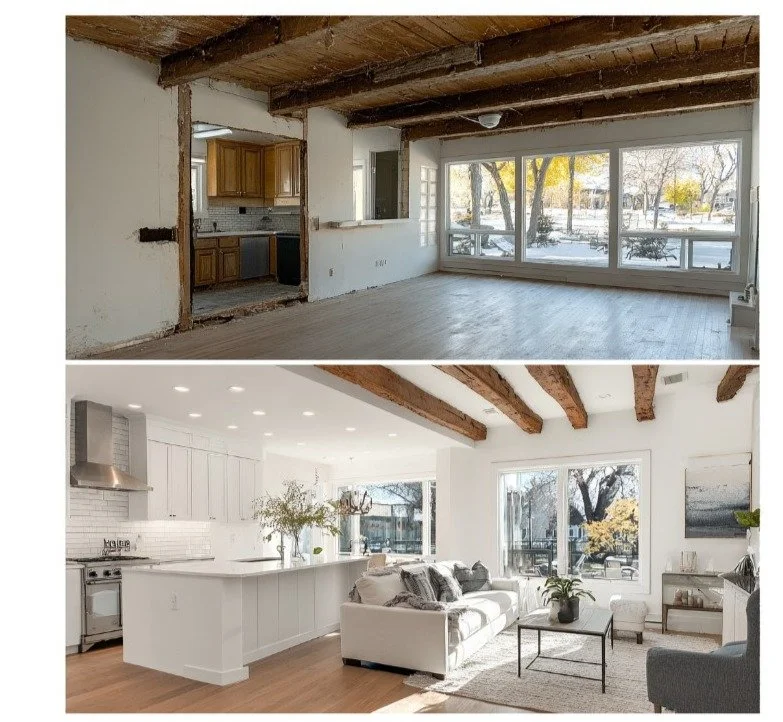
Fix and Flip Success: Strategic Demolition for Maximum ROI
When residential demolition becomes the cornerstone of your investment strategy, smart residential demolition planning transforms ordinary flip projects into extraordinary profit generators. Think of demolition like performing surgery on a patient that needs to walk out healthier and more valuable than when they walked in. The difference between amateur teardowns and strategic demolition often determines whether your flip generates a modest 15% return or an impressive 35% ROI.
The most successful property investors understand that demolition isn't about destruction but rather about safe material removal practices that unlock hidden potential. When done strategically, demolition becomes the foundation upon which profitable transformations are built. Much like a sculptor who sees the masterpiece hidden within a block of marble, experienced flippers recognize that sometimes you need to tear down walls to reveal the property's true value.
The Psychology Behind Strategic Demolition Decisions
Smart demolition starts in your mind, not with a sledgehammer. The psychology of strategic teardowns resembles chess more than checkers. Each wall removal, each structural modification, each material choice creates ripple effects that influence your final sale price. Modern buyers don't just purchase homes; they invest in lifestyles and experiences that align with their vision of comfortable living.
Understanding buyer psychology reveals why open-concept layouts consistently command premium prices. When you remove walls between cramped kitchens and living areas, you're not just creating square footage. You're crafting spaces where families imagine hosting dinner parties, where remote workers envision their home offices blending seamlessly with daily life, and where young couples picture their future unfolding in bright, airy environments.
The luxury property teardown phenomenon demonstrates how even million-dollar properties benefit from strategic demolition when the vision exceeds the existing structure. While most fix-and-flip projects won't require complete teardowns, the principle remains identical: sometimes the most valuable thing about a property is the blank canvas it can become.
Financial Framework for Demolition ROI
Numbers don't lie, but they do tell stories. The average fix-and-flip project achieves returns between 20% and 50%, with the most successful investors consistently landing in the upper range through strategic demolition choices. When you remove a wall for $2,000 but increase the property value by $8,000, you've generated a 400% return on that specific investment.
Consider the mathematics of value creation through demolition. Removing outdated compartmentalized layouts typically costs between $1,500 and $5,000 per wall, depending on structural complexity. However, creating open-concept living spaces frequently adds $10,000 to $25,000 in perceived value, especially in markets where modern layouts command premiums.
The 70% rule becomes your financial North Star when evaluating demolition decisions. This time-tested formula suggests your total acquisition and renovation costs shouldn't exceed 70% of the after-repair value. Strategic demolition helps you stay within this framework while maximizing the final sale price. When demolition costs represent smart investments rather than necessary expenses, your profit margins expand dramatically.
Strategic Demolition Planning for Maximum Impact
Effective demolition planning resembles military strategy. You need intelligence about your target market, tactical knowledge about structural systems, and operational excellence in execution. The most profitable demolition decisions align perfectly with buyer preferences in your specific market segment.
Market research drives demolition decisions. In neighborhoods where young families dominate the buyer pool, removing walls to create family-friendly gathering spaces generates higher returns than creating formal dining rooms. Conversely, in markets targeting empty nesters, strategic demolition might focus on creating luxurious master suite retreats or eliminating maintenance-intensive features.
Timing becomes crucial when coordinating demolition with other renovation activities. Smart sequencing prevents costly delays and reduces overall project timelines. Demolition work should integrate seamlessly with electrical, plumbing, and HVAC modifications to avoid redundant labor costs and minimize disruption to neighboring systems.
The Art of Value-Adding Demolition
Not all demolition creates equal value. The art lies in identifying which walls to remove, which structures to modify, and which elements to preserve. Load-bearing walls require engineering consultation and additional costs, but removing them often creates the most dramatic transformations and highest value increases.
Kitchen wall removal consistently ranks among the highest-ROI demolition decisions. Opening galley kitchens to adjacent living areas creates the coveted great room concept that modern buyers expect. This single modification frequently justifies 60-70% of total demolition costs while generating the majority of perceived value increases.
Bathroom modifications through strategic demolition offer another high-impact opportunity. Combining small bathrooms creates spa-like retreats that command premium prices. Removing outdated compartmentalized layouts allows for modern walk-in showers, double vanities, and luxurious soaking tubs that buyers associate with upscale living.
Material Recovery and Cost Mitigation
Strategic demolition incorporates material recovery strategies that offset project costs while maintaining environmental responsibility. Salvageable materials like hardwood flooring, vintage fixtures, architectural details, and quality cabinetry possess resale value that smart investors capture.
Professional salvage operations require careful planning but generate surprising returns. Reclaimed hardwood can sell for $5-15 per square foot, while vintage fixtures often command premium prices from restoration enthusiasts. Even basic materials like copper plumbing and electrical wire possess scrap value that reduces overall demolition costs.
The key lies in identifying salvageable materials before demolition begins. Working with contractors who understand material recovery ensures valuable elements are preserved rather than discarded. This approach transforms demolition from a pure cost center into a value-generating activity that improves project economics.
Technology and Modern Demolition Techniques
Modern demolition leverages technology to improve precision, reduce costs, and minimize disruption. Structural analysis software helps identify load paths and safe removal sequences. 3D modeling allows investors to visualize proposed changes before committing to expensive modifications.
Precision demolition techniques minimize collateral damage and reduce cleanup costs. Surgical wall removal preserves adjacent surfaces, eliminating the need for extensive repairs throughout the property. This precision approach reduces both labor costs and project timelines.
Environmental considerations increasingly influence demolition decisions. Dust containment systems protect workers and neighbors while meeting local regulations. Noise reduction techniques maintain community relationships and avoid costly compliance issues that could delay project completion.
Risk Management in Demolition Projects
Smart risk management protects both immediate profits and long-term investment capacity. Structural assessments before demolition prevent costly surprises and ensure modifications meet building codes. Professional consultation on load-bearing modifications provides insurance against catastrophic failures.
Insurance considerations require special attention during demolition phases. Standard homeowner policies typically exclude demolition activities, requiring specialized coverage that protects against liability claims and property damage. Working with licensed, insured contractors transfers significant risk exposure while providing recourse if problems arise.
Permit compliance ensures projects avoid costly delays and legal complications. Most demolition work requires permits, even for seemingly minor wall removals. Proper permitting protects resale value by ensuring modifications meet current building standards and pass inspection requirements.
Market-Specific Demolition Strategies
Different markets reward different demolition approaches. Urban markets often favor space-maximizing modifications that eliminate formal dining rooms and create flexible living areas. Suburban markets might reward family-oriented layouts that enhance functionality for households with children.
Regional preferences influence demolition decisions significantly. Markets with strong outdoor living cultures benefit from modifications that improve indoor-outdoor flow. Cold climate markets reward changes that maximize natural light and create cozy gathering spaces for extended indoor seasons.
Price point considerations affect demolition scope and quality. Higher-end flips justify premium materials and finishes that require more extensive demolition and preparation. Entry-level flips focus on basic layout improvements that provide maximum impact for minimal investment.
Timeline Management and Project Coordination
Efficient demolition scheduling integrates seamlessly with overall project timelines. Front-loading demolition work allows subsequent trades to work in clean, accessible environments. Coordinating demolition with material deliveries prevents storage issues and reduces handling costs.
Weather considerations affect demolition scheduling, particularly for projects involving roof or exterior wall modifications. Planning demolition work during favorable weather windows prevents delays and protects exposed structures from damage.
Contractor coordination ensures demolition work supports rather than conflicts with other renovation activities. Clear communication prevents trades from working at cross-purposes and eliminates costly rework when modifications affect multiple building systems.
The Competitive Advantage of Strategic Demolition
Properties featuring strategic demolition improvements sell faster and command higher prices than those with merely cosmetic updates. Buyers recognize and value thoughtful layout improvements that enhance daily living experiences. This recognition translates directly into competitive advantages during sales negotiations.
Speed to market becomes crucial in competitive flipping environments. Properties requiring minimal buyer imagination sell more quickly than those requiring mental gymnastics to envision their potential. Strategic demolition eliminates buyer objections by creating move-in-ready spaces that immediately communicate their value proposition.
Market differentiation through demolition improvements sets flipped properties apart from competing listings. While most flippers focus on surface-level improvements, strategic demolition creates fundamental layout improvements that competitors cannot easily replicate without similar investments.
Strategic demolition transforms fix-and-flip projects from gambles into calculated investments. When you approach demolition as value creation rather than necessary destruction, every wall removal becomes an opportunity to enhance buyer appeal and maximize returns. The most successful investors understand that sometimes you need to tear down barriers to build lasting wealth.