Factors to Consider When Selecting a Home Solar Panel System
Installing solar panels on your home can be a smart, long-term investment. Beyond lowering your power bills, solar systems give you more control over your energy use and support environmentally responsible living. But choosing the right setup isn’t always straightforward. Between panel types, installation options, and local regulations, it’s easy to get overwhelmed.
The good news is that the right system doesn’t need to be complicated. With a clear understanding of your household needs and a few key considerations, you can make a choice that delivers both performance and value.
Understand Your Energy Consumption Patterns
Before you start comparing brands or technologies, it helps to get a solid understanding of how much energy your home actually uses. Review past utility bills to see your daily and seasonal electricity usage. This information will guide decisions about panel size, battery storage, and whether you'll want to remain grid-tied or go fully off-grid.
Knowing when your peak usage occurs is also important. If your household tends to use the most power in the evening, for example, battery storage might be a higher priority than maximizing generation during midday hours. Matching your system to your habits will help you get the most value out of it.
Evaluate Local Solar Providers and Support
Working with a knowledgeable, local provider can make a significant difference in system performance and experience. Homeowners in the Waikato region benefit from working with teams familiar with the climate, roofing styles, and local permitting processes, as the Aeon Energy Solutions Waikato team suggests. Such companies bring a tailored approach to solar installation, taking into account both technical specifications and site-specific conditions.
By choosing a provider who understands the regional challenges and incentives, you're more likely to get a system that's well-suited for your property. This makes it easier to address maintenance needs or troubleshoot issues down the road.
Consider Panel Type and Efficiency
Not all solar panels are created equal. Different types of photovoltaic cells offer varying levels of efficiency, durability, and cost. Monocrystalline panels, for instance, tend to offer higher efficiency and a sleeker design, and they come at a premium price. Polycrystalline panels are more affordable and still perform well in many conditions, particularly in locations with consistent sunlight.
The choice between these often comes down to budget, space, and how long you plan to stay in your home. If you're aiming for maximum output from a smaller roof area, more efficient panels might be worth the investment.
Think About Battery Storage and Backup Options
As solar systems become more advanced, homeowners are thinking beyond just daytime electricity generation. Battery storage allows you to hold onto excess energy produced during the day and use it in the evening or during outages. This becomes particularly useful during seasonal shifts or unexpected power cuts.
Options vary widely depending on brand, storage capacity, and integration with your solar setup. Some systems offer smart monitoring tools that help optimize battery usage throughout the day. Whether or not you need battery storage will depend on how self-sufficient you want your home to be.
Roof Structure and Orientation
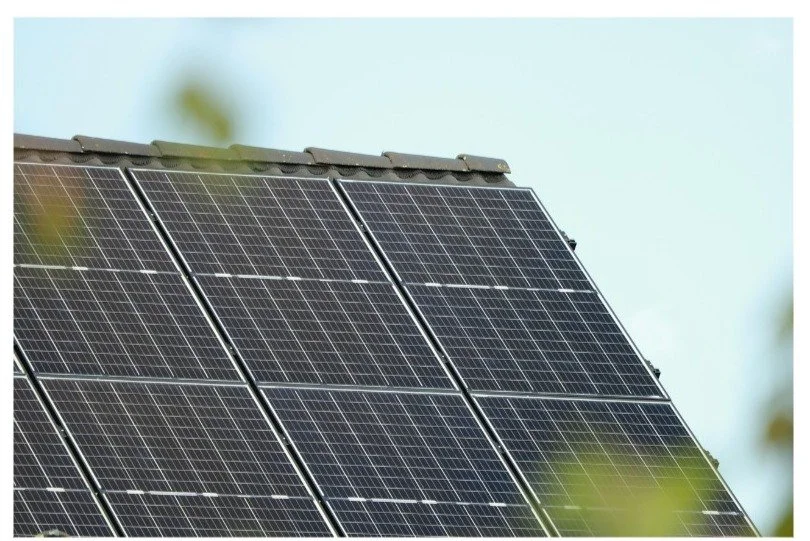
Your roof is a critical factor in determining the design and efficiency of your solar panel system. Slope, direction, shading, and surface condition all impact how much energy your panels will be able to generate. A south-facing roof with minimal shading usually offers the best performance in the Southern Hemisphere, but other orientations can also be effective with the right planning.
In some cases, minor modifications, like trimming trees or reinforcing the roof, can open up better performance options. A thorough site assessment from your provider will help identify any necessary adjustments before installation begins.
Assess Long-Term Cost vs. Savings
Solar panel systems involve upfront costs, but the long-term savings often offset them. Still, not all systems offer the same return on investment. Factors like system size, panel efficiency, available sunlight, and financing arrangements will affect how quickly you break even.
It’s worth looking at any available rebates or government incentives that might reduce initial expenses. Some areas offer low-interest loans or grants that make solar more accessible. Taking a long view helps ensure that your system continues to pay off year after year.
Ask About Warranties and Maintenance
While solar systems require little daily maintenance, it’s important to choose equipment with strong warranties and reliable support. Most panels come with performance guarantees lasting 20–25 years, while inverters and batteries may have shorter coverage.
Clarify what’s included in your service agreement. Will your provider monitor performance remotely, and how quickly can they respond to issues? Knowing you’re covered gives peace of mind and helps protect your investment.
Choosing a home solar panel system isn’t just about buying equipment, it’s about designing a long-term solution that fits your lifestyle, environment, and goals. By paying close attention to your energy use, working with local experts, and understanding the available options, you’ll be better equipped to make a confident decision.
A well-planned solar setup not only lowers your power bills but also provides a more sustainable and resilient way to power your home. With the right system in place, you’re investing in more than energy, you’re investing in peace of mind.