Escaping the Housing Crisis: Is Long-Term Caravan Park Living the Smartest Real Estate Move?
The great Australian dream of homeownership feels more like a fantasy every year. Rents are soaring with no end in sight, and the deposit required for a modest home is enough to make your eyes water. For many, the property ladder isn't just hard to climb; it feels like the rungs have been kicked out from under them.
But what if you could sidestep the traditional market altogether? What if there was a way to slash your living costs, live in a secure community, and take back control of your financial future?
Across Australia, thousands of people are doing just that. They’re making a strategic move away from the competitive rental market and mortgage stress by embracing long-term living in caravan parks, with communities thriving in places like Midtown Caravan Park. This "off-market" solution is rapidly moving from a well-kept secret to a mainstream strategy for taking back financial control.
The Numbers Don't Lie: A Financial Breakdown
Let's cut to the chase: the primary driver for this shift is the staggering cost difference. Consider the median rent for a basic apartment in a regional Australian city, which can easily be $450-$550 per week before you even pay for electricity or water.
Now, compare that to a long-term site lease in a caravan park. Typical weekly site fees can range from $200-$280. That’s a potential saving of over $1,000 a month.
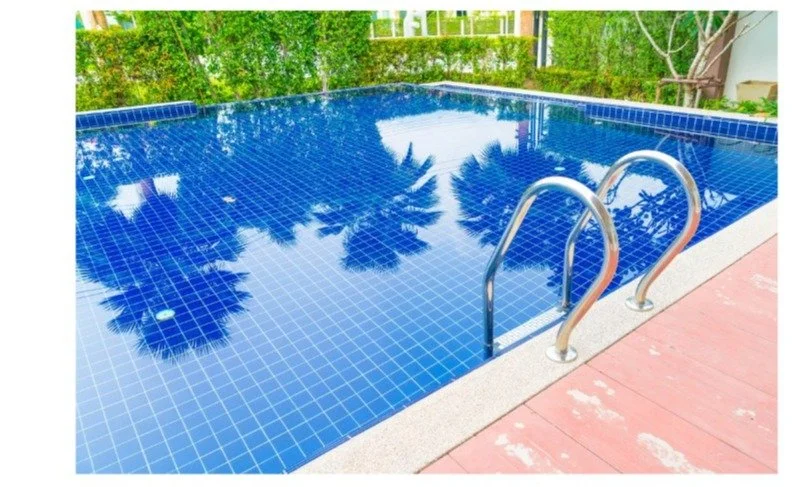
Crucially, that site fee often includes costs you'd normally pay on top of rent, like water usage and council rates. Many parks also have facilities like swimming pools, camp kitchens, and laundromats, the upkeep of which is covered by your fee. The only major utility you typically pay for separately is your own electricity usage. While you do need to purchase your own caravan or relocatable home, the entry cost is a fraction of a traditional house deposit, with a vibrant second-hand market making it even more accessible.
The Million-Dollar Question: Do You Buy the Land?
This is the most common point of confusion. The short answer is no, and that’s the key to its affordability.
In a long-term park living arrangement, you own your dwelling—the caravan or relocatable home—but you lease the site it sits on from the park owner. You sign a long-term tenancy agreement for the land, giving you security and residential rights.
Think of it this way: you are buying the house, not the land. This removes the single most expensive component of a real estate transaction. You get the stability of having your own home without the multi-hundred-thousand-dollar burden of a mortgage tied to a specific block of land. This model provides an affordable path to homeownership without the debt.
It's Not Just About the Money: The Lifestyle Dividend
While people are drawn in by the savings, many stay for the lifestyle. This model offers significant non-financial returns that are hard to find in modern suburbia.
A Built-in Community: Caravan parks foster a "front porch culture." Neighbours know each other, look out for one another, and social gatherings are common. There's a powerful sense of security and belonging.
Simplicity and Low Maintenance: Less space to clean, no lawns to mow, and fewer things to break mean more free time and less stress. It’s a minimalist-friendly lifestyle by design.
Freedom and Flexibility: If you own a towable caravan, you have the ultimate freedom. If your job moves or you simply want a change of scenery, you can take your entire home with you to a new park in a new town.
The New Face of Park Living
The stereotype of who lives in a caravan park is long outdated. Today, these communities are diverse hubs for savvy individuals from all walks of life:
Retirees: Cashing in their large family home to fund their retirement, enjoying a low-maintenance and highly social lifestyle.
Digital Nomads and Contract Workers: Requiring a flexible, affordable home base as they move between projects or cities.
First Home Savers: Using the drastically lower living costs as a financial hack to aggressively save a house deposit in a few years instead of a decade.
Minimalists: Intentionally choosing to downsize their footprint and live a simpler, more experience-focused life.
A Strategic Choice for a Broken Market
Long-term caravan park living is no longer a last resort; it’s a calculated financial and lifestyle decision. It's for people who are tired of pouring their income into a landlord's pocket and want a secure, affordable alternative to a lifetime of mortgage debt.
If you're looking for a way out of the rental race, exploring the practical options available is a powerful first step to seeing what this lifestyle looks like in reality. In a housing market that often feels rigged, maybe the smartest move is to stop playing the game altogether.