Advances in Technology Supporting Hearing Health Management
Hearing health plays a crucial role in well-being, affecting communication, relationships, and quality of life. For decades, managing hearing loss was often limited to traditional hearing aids with basic amplification. Advances in technology have transformed hearing care, offering smarter, more personalized solutions that empower people to reconnect with the world around them.
From innovative devices to remote care platforms, technology is reshaping how individuals access and manage hearing health. Here are some of the most important developments making a difference today.
Smarter and More Personalized Hearing Aids
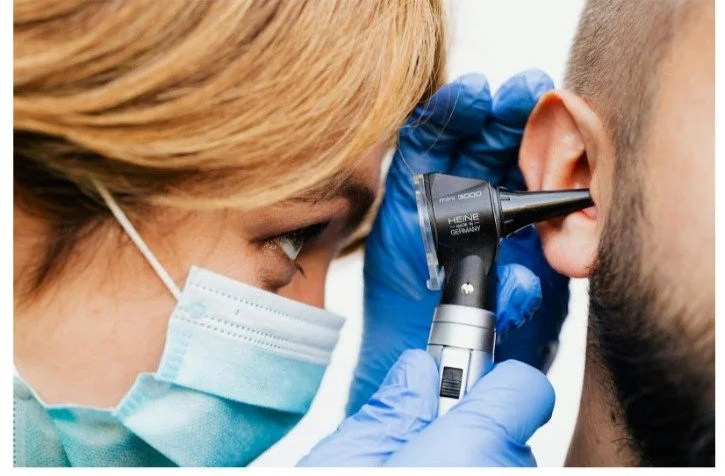
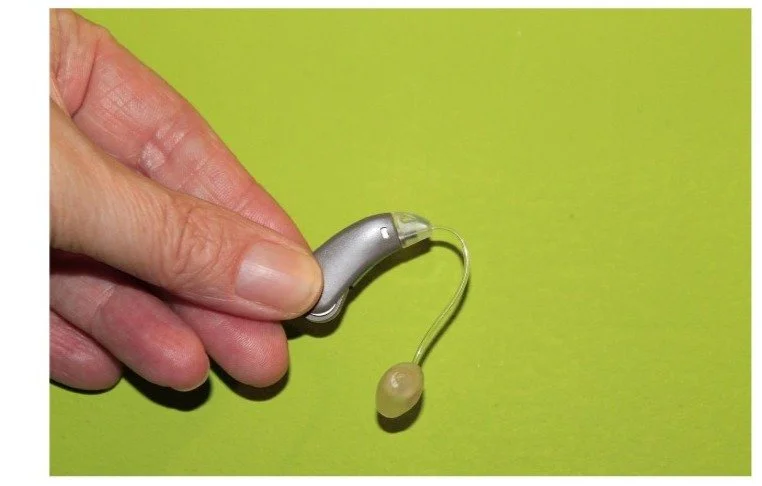
Today’s hearing aids are nothing like the bulky devices of the past. Modern designs are sleek, discreet, and packed with features that adapt to the user’s lifestyle. Many people start their journey at a hearing aid clinic, where specialists can recommend devices that automatically adjust to different environments, filter background noise, and even connect to smartphones or televisions via Bluetooth. These advanced devices are more than amplifiers; they use artificial intelligence to learn listening preferences. By analyzing patterns and making real-time adjustments, they deliver clearer sound in complex environments like restaurants or social gatherings. This personalization gives wearers a more natural hearing experience and greater confidence in daily interactions.
Remote Care and Teleaudiology
Access to professional hearing care has improved significantly thanks to telehealth. Teleaudiology platforms allow audiologists to conduct consultations, adjust settings, and monitor progress without requiring patients to visit clinics in person. This is particularly beneficial for people living in rural areas, those with mobility challenges, or individuals with busy schedules.
Some hearing aids now come equipped with mobile apps that connect directly to professionals. This enables real-time adjustments based on user feedback, ensuring that devices are always optimized. Remote care makes hearing health management more convenient, accessible, and responsive than ever before.
Integration With Everyday Technology
Hearing aids and assistive devices are increasingly integrated with everyday technologies. Bluetooth-enabled hearing aids can stream music, take phone calls, and connect with virtual assistants like Siri or Alexa. This seamless integration allows individuals to manage not just hearing, but their digital lives more effectively.
Smartphone apps provide control at the user’s fingertips. Wearers can adjust volume, switch listening modes, or even track their hearing health metrics directly through their phones. This level of connectivity enhances independence and empowers users to customize their hearing experience without relying solely on professional adjustments.
Advances in Diagnostics and Early Detection
Early detection is critical in hearing health management, and technology is making this process faster and more accurate. Modern diagnostic tools use sophisticated audiometric testing to identify even subtle hearing changes. Portable screening devices are now available for use in schools, workplaces, and community centers, expanding access to early assessment.
Artificial intelligence is being applied in diagnostic software, analyzing test results, and providing clinicians with advanced insights. Early detection helps individuals seek treatment sooner and supports better long-term outcomes by preventing hearing loss from worsening.
Expanding Options With Assistive Listening Devices
Beyond traditional hearing aids, a wide range of assistive listening devices (ALDs) is available to support people in specific situations. FM systems, induction loop systems, and remote microphones help improve sound clarity in classrooms, theaters, and public spaces. These devices reduce background noise and deliver targeted sound directly to the user, improving comprehension in environments where standard hearing aids may struggle.
Cochlear implants have seen major advancements, offering new hope to individuals with profound hearing loss. Modern implants are smaller, more efficient, and deliver clearer sound, expanding treatment possibilities for those who cannot benefit from hearing aids alone.
The Role of Data and Artificial Intelligence
Data collection and artificial intelligence (AI) are transforming hearing health management in ways that were unimaginable just a decade ago. Modern hearing devices are now equipped with sensors and software that continuously gather information about how, when, and where the devices are being used. These metrics often include usage patterns, listening environments, background noise levels, and even indicators of physical activity. For users, this creates a more personalized experience, while for audiologists, it offers an evidence-based view of how devices perform in the real world.
This continuous flow of data allows professionals to make informed adjustments during follow-up visits, tailoring devices to suit the specific needs of each user. For example, if data shows that someone spends a significant amount of time in noisy environments, the audiologist can fine-tune the device to perform optimally in those conditions. The result is a highly customized approach that goes far beyond traditional “one-size-fits-all” solutions.
The future of hearing health management is being shaped by innovation. Smarter hearing aids, teleaudiology, seamless integration with everyday technology, advanced diagnostics, assistive listening devices, and AI-driven data insights are transforming the way people manage hearing loss.
Starting with a trusted clinic ensures individuals receive the right guidance and access to these technologies, but the options available today extend far beyond traditional care. By embracing these advances, people with hearing challenges can enjoy clearer communication, greater independence, and improved quality of life.