A Hunter's Guide to Field Dressing and Processing Game
There’s a special satisfaction in taking down your first deer, elk, or other big game. But the work doesn’t end when the hunt does. Proper field dressing and processing are essential for preserving quality meat, preventing spoilage, and honoring the animal.
Why Field Dressing Matters
Field dressing is the first step in turning a successful hunting trip into a usable harvest. Doing it quickly and correctly helps preserve the meat’s flavor and prevents bacteria from developing.
It’s also a sign of respect for the animal. Taking the time to field dress properly ensures that nothing goes to waste and every part of the animal is treated with care.
Even if you plan to process the meat at home later, the work you do in the field sets the stage for a high-quality result.
Essential Gear for Field Dressing
Before you begin, make sure you have the right tools on hand. These items make the process smoother, safer, and more effective:
Sharp Knife: A reliable, sharp knife is crucial for clean cuts.
Gloves: Protect your hands and help keep the meat clean.
Game Bags: Breathable bags help keep meat cool and clean during transport.
Rope or Hoist: Useful for lifting or securing the animal.
Clean Water or Wipes: Helps remove debris and maintain hygiene.
Even on a guided hunting trip, bringing your own gear is important. Guides often demonstrate techniques, but having your own tools ensures you can practice and gain confidence.
Step-by-Step: How to Field Dress a Game
Field dressing might sound intimidating at first, but breaking it down into clear steps makes it manageable:
Safety First: Always ensure your weapon is unloaded and wear gloves to protect your hands.
Position the Animal: Lay the animal on a stable surface, ideally on its back with legs spread.
Initial Cut: Start with a careful incision along the belly, avoiding internal organs.
Remove Organs: Gently pull out the internal organs, keeping the meat clean.
Drain and Cool: Allow blood to drain and cool the carcass quickly to preserve quality.
Bag and Transport: Place meat in game bags or containers for transport.
Focus on cleanliness at every step. Keeping dirt, hair, and other contaminants away from the meat ensures it will be safe and tasty later.
Processing Game Meat at Home
Once your harvest is in the field, processing at home turns it into meals you can enjoy for weeks. Here are the basic steps:
Aging: Some hunters like to age meat in a refrigerator or cooler for a few days to improve tenderness.
Trimming: Remove excess fat, connective tissue, and any damaged meat.
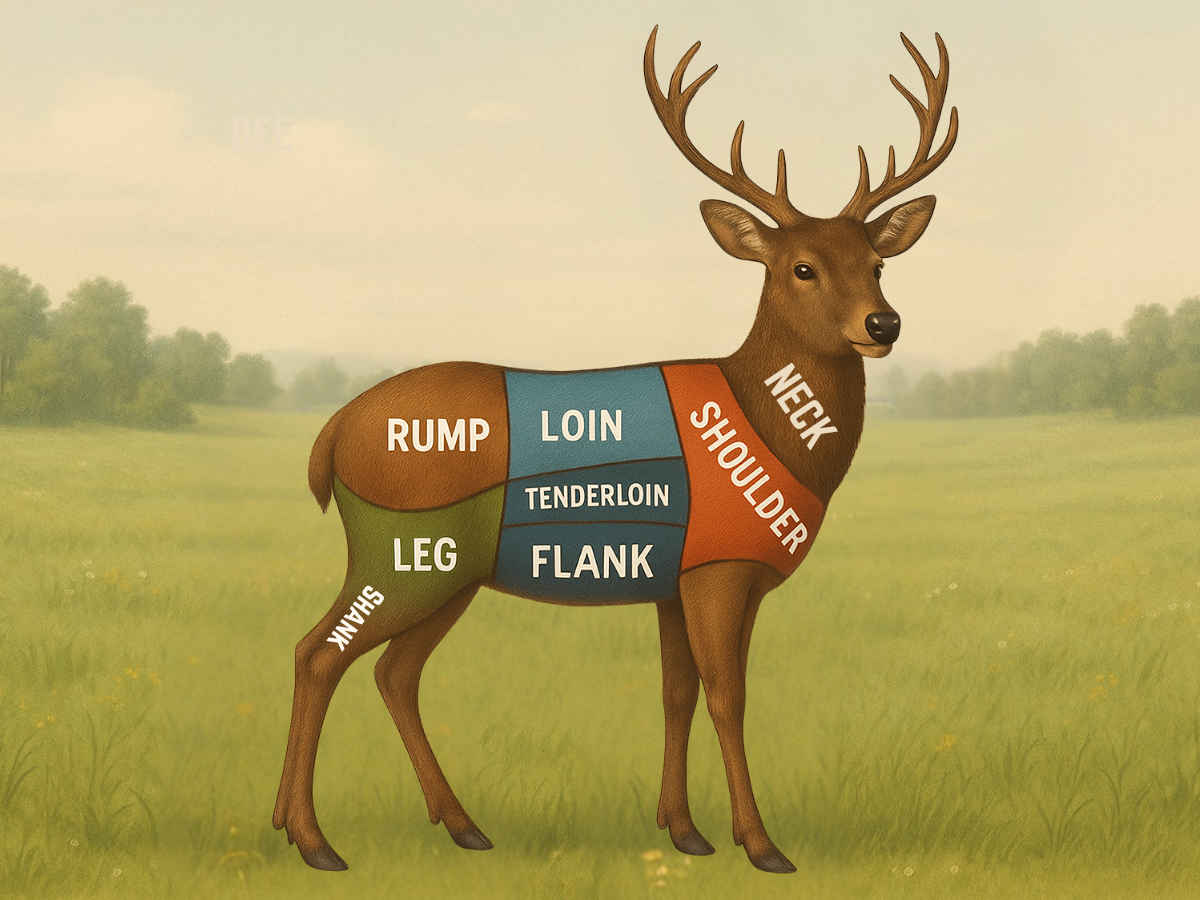
Cutting and Grinding: Depending on your preference, cut steaks, roasts, or grind the meat for burgers and sausages.
Packaging and Freezing: Use vacuum sealers or freezer paper to prevent freezer burn, and label packages with the date.
Processing your own meat may take time, but it’s rewarding. Each meal reminds you of the effort and patience that went into your hunt.
Common Mistakes to Avoid
Even experienced hunters can make mistakes when field dressing and processing game. Being aware of these common errors can save you time, prevent spoilage, and ensure your meat is safe and high-quality.
Waiting too long to field dress: Once an animal is down, bacteria start to grow quickly in warm conditions. Field dressing soon after the harvest helps preserve the meat’s flavor and texture. Delaying this step can lead to spoilage, even if you plan to process the meat at home later.
Using a dull knife: This may seem minor, but it can cause bigger problems than just slow work. A dull blade increases the risk of slips and accidents, and it can tear meat rather than cutting cleanly.
Contaminating meat: Hair, dirt, and other debris can easily get onto the carcass if you’re not careful. Simple steps like laying the animal on a clean surface, wearing gloves, and brushing away debris can make a big difference. Clean meat is not just about taste—it’s about food safety.
Forgetting to cool the carcass quickly: This can compromise meat quality. Warm meat spoils faster, so removing organs promptly and moving the carcass to a shaded or cooled area helps preserve freshness.
Finally, if you’re new to field dressing, consider joining a guided hunting trip. Experienced guides demonstrate proper techniques, explain each step, and help you avoid these common mistakes.
Respecting the Harvest
Field dressing and processing game isn’t just a task—it’s a way to honor the animal and the effort you put into the hunt. Whether you’re on a bow hunt, rifle hunt, or guided adventure, treating the meat with care ensures that nothing goes to waste.
Every hunter remembers their first successful harvest, but the way you handle it afterward defines the experience. With proper skills, patience, and respect, you can enjoy your hard-earned meat for weeks while creating lasting memories in the field.