6 Tips for Traveling Comfortably with Peripheral Neuropathy
Every once in a while, we need a getaway to clear our heads and step out of the mundane routine. It brings in a new set of experiences and fresh perspectives. However, travelling can have its own challenges, especially if you are living with peripheral neuropathy. With this condition, it becomes difficult to sit or stand for a longer duration. It brings in a lot of discomfort and pain that makes the journey less enjoyable. So, how do we go forward and minimise the pain? This blog post will summarise essential tips specifically designed for individuals with peripheral neuropathy. By being prepared and informed about it, you can travel with comfort and enjoy your journey.
Understanding Peripheral Neuropathy
Peripheral neuropathy is a condition where your peripheral nerves are damaged. These nerves connect your central nervous system, brain, and spinal cord to the rest of the body. The symptoms are pain, tingling sensation, and numbness to affected areas. If left untreated, it can cause immobility during your travel.
As per the doctors, movement is the key to reducing discomfort and swelling and diminishing the complications of forming a blood clot. In addition to that, changes in altitude or cabin pressure can further indicate the lack of blood circulation, manifesting in the symptoms. Understanding these challenges can assist you in planning your trip adequately for a comforting experience.
Tips to Travel With Peripheral Neuropathy Problems
When travelling with peripheral neuropathy, everything needs to be prepared and planned in advance for a stress-free journey. Below mentioned are top travel tips to keep in mind during your travel.
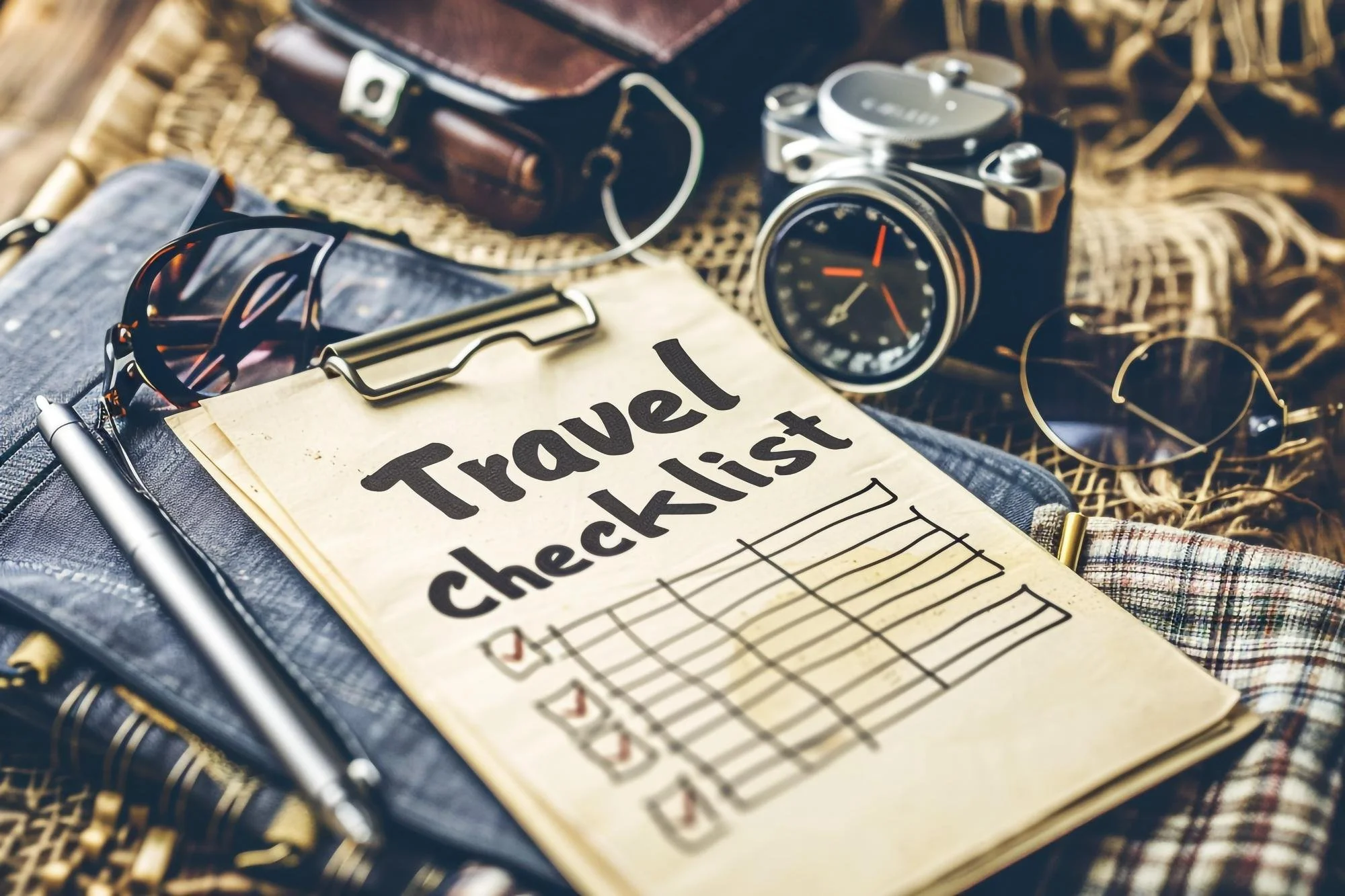
Basic Travel Checklist
Opt for the travels that allow you to rest in between while still allowing you to enjoy the journey.
Avoid early morning and late-night departures as they can trigger the symptoms.
Pack your travel kit with all the items like pain relief medication, topical creams and comfortable shoes.
Keep the clothing breathable and loose. Tight clothes can cause additional pressure on sensitive areas. Another important staple to add to your travel wardrobe is compression socks that can circulate the blood flow during long periods of immobility.
Dehydration can aggravate the neuropathy symptoms. Hence, carry your refillable water bottle to stay hydrated while travelling.
Get your neck pillow or lumbar support to maintain the proper posture. Inform the staff about your condition beforehand so that they can help you with special accommodations like priority onboarding or seating preferences.
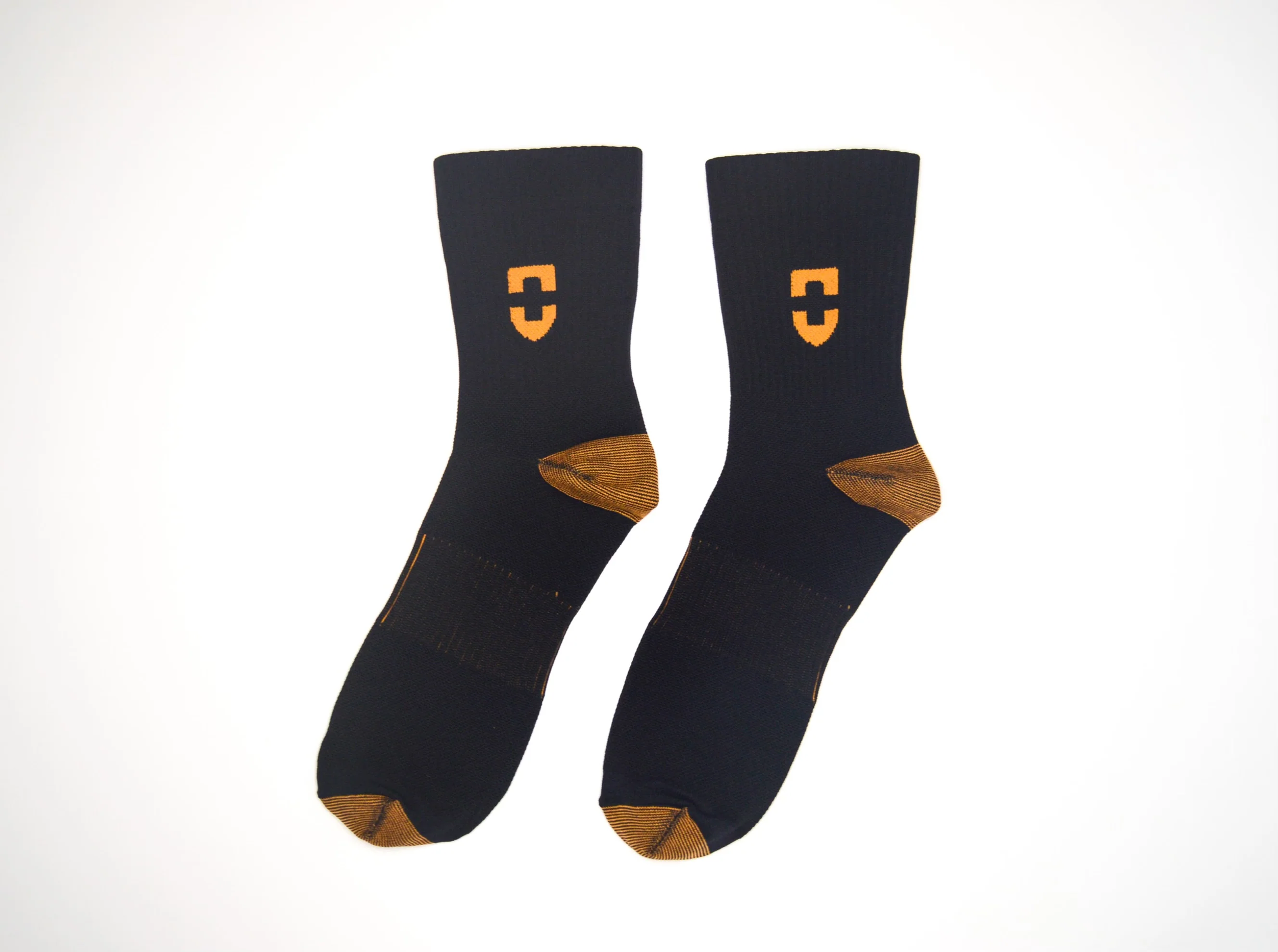
Wear Compression Socks
Remember to keep all your travel clothes comfy and breathable fabric. We highly suggest you get your pair of compression socks, which are specially designed to put gentle pressure on your legs and feet for blood circulation. Our top selection is copper-infused compression socks as it has anti-inflammatory properties which can reduce pain and swelling. Make sure that the design of compression socks for neuropathy fits well and does not increase the pressure in the wrong places. Make sure the socks fit well but are not too tight, as overly tight socks can cause additional discomfort.
Mode of Travel
The right mode of travel can elevate your experience and smoothen your journey. There are primarily three different modes of travel.
Air - if you choose to travel by air, then it can impose challenges like proper accessories for a long journey, limited legroom and long periods of immobility. We highly suggest you opt for the airlines that provide the ability to upgrade the seat or provide extra legroom.
Trains provide a more spacious and flexible environment. Some of the trains also offer you a reclining facility, which can increase your comfort level.
Lastly, travelling by car provides you with 360 degrees of control over your environment. From taking breaks to adjusting seating position - you get to do it all.
Minimising the Pain
Incorporate gentle exercises or mild stretches into your routine. This will alleviate the stiffness and improve the blood circulation. Maintain your sleep schedule, as it can help you manage peripheral neuropathy symptoms. Go for anti-inflammatory food to reduce the pain. Meditate and perform mindfulness exercises such as journaling and deep breathing to ease the stress.
Don’t Overdo Anything out of Excitement
It’s totally valid and fair to feel the excitement of doing all the activities. But, take a pause, reflect and consider the consequences before going for any activity. Don’t overdo it, and be cautious. If you haven't been physically active for a longer time, then go slow and avoid rushing out. Take frequent breaks and follow the advice of your physical therapist.
Consult Your Doctor Before Travelling
As much as you know your body and what will worsen the symptoms, your doctor will give you a more accurate representation of what you should do and what’s an absolute no. Get yourself medically checked and keep all your medicines in handy. They will also suggest some movements and exercises that will keep you healthy during the trip.
Final Thoughts
The idea of travelling is to free yourself from stress, relax, and rest as much as you can while soaking in the surrounding beauty of your location. Every trip will have its hiccups, and stress can worsen the peripheral neuropathy symptoms. The trick is to avoid holding to a strict schedule and let yourself loose to the present moments. Make your adventures more pleasant by doing everything at your own pace. Do not be in a hurry. Prioritise comfort over everything.