5 Critical Signs Your Garage Door Is Beyond Repair
When your garage door begins to show significant signs of wear, it’s crucial to distinguish between minor issues that can be repaired and fundamental problems that signal the need for a complete replacement. Ignoring these primary garage door failure indicators can lead to safety hazards, decreased home security, and even more costly repairs down the line. We’ve identified five clear signs that suggest your garage door is beyond simple repair and requires a full system overhaul.
1. Severe Structural Sagging, Warping, or Frame Misalignment
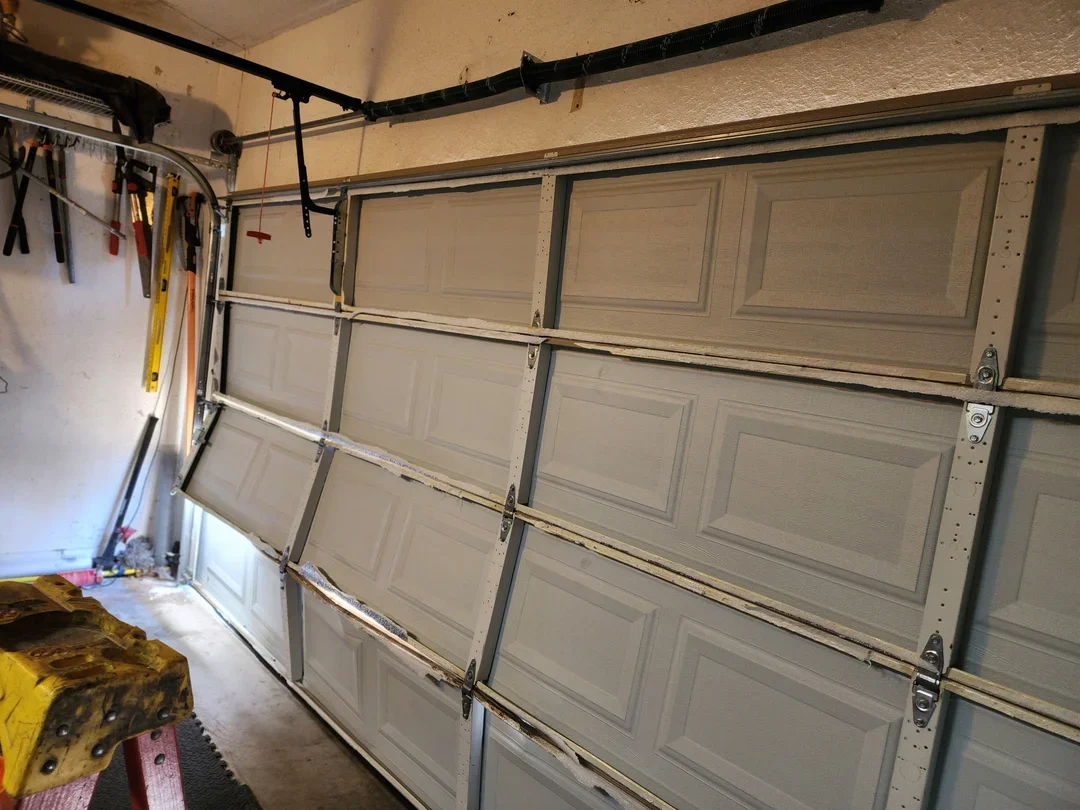
One of the most critical indicators that your garage door is nearing the end of its life is visible structural deterioration. If you notice uneven gaps around the door when it’s closed, or if the panels appear to be bowing or twisting, these are red flags. Wood doors might show significant wood warping, while steel doors could exhibit noticeable deflection or bending. This compromised balance places undue stress on the entire operating system, from the opener to the springs and cables. A door that struggles to move smoothly, frequently binding within its frame, indicates that the structural integrity is severely compromised. This isn't just an aesthetic issue; it can lead to operational failure, making the door unreliable and potentially dangerous.
2. Extensive Rust, Wood Rot, or Multiple Compromised Panels
The material condition of your garage door panels plays a significant role in its overall health and longevity. For steel doors, extensive rust that has spread beyond surface-level spots is a serious concern. Deep corrosion can weaken the metal, leading to panel buckling or even holes, compromising both security and insulation. For wooden doors, widespread wood rot, particularly along the bottom sections or near joints, indicates moisture damage that can severely weaken the door's structure. When multiple sections are cracking, delaminating, or showing signs of significant damage due to weather exposure, replacing individual panels often becomes impractical or ineffective. Such damage suggests a systemic issue that impacts the door's ability to operate safely and effectively.
3. Persistent Off-Track Derailments and Cascading Mechanical Failures
A garage door that repeatedly slips off its tracks is a strong indication of deeper, systemic problems. While an initial off-track incident might be due to a minor obstruction or impact, persistent track misalignments suggest underlying issues like worn rollers, damaged tracks, or an unbalanced door system. Each time a roller slips out of the track, it puts immense strain on other components, leading to a chain reaction of cascading damage. This can manifest as frayed or slack cables, bent tracks, damaged hinges, and ultimately, repeated jams. An off-track door forces the opener to work harder, accelerating its wear and tear. When these derailments become a regular occurrence, it signals that the entire mechanical system is failing, making repair a temporary and often insufficient solution.
4. Systemic Age Exceeding the 20-Year Lifespan Mark
Even with diligent maintenance, every garage door has a finite lifespan. A well-built residential steel sectional door typically lasts between 15 to 30 years. However, once your garage door approaches or exceeds the 20-year threshold, it enters a phase where metal fatigue and general hardware wear become significant concerns. Components like springs, cables, rollers, and hinges are all subject to tens of thousands of cycles of operation; a garage door opens and closes roughly 1,500 times a year. After two decades, these parts are likely to be worn out, even if they haven't visibly failed yet. Furthermore, older doors may feature obsolete hardware, making replacement parts difficult or impossible to find. Investing in repairs for a door that has reached this age often means continually fixing one component only for another to fail shortly after, leading to a cycle of expensive, short-term solutions.
5. Outdated Safety Mechanisms and Obsolete Opener Technology
Safety should always be a top priority when it comes to your garage door. If your garage door opener was manufactured before 1993, it likely lacks essential modern safety features, most notably the auto-reverse mechanism. Openers without this critical function pose a significant risk of injury or even fatality, as they will not automatically reverse if an obstruction is detected in their path. Beyond the opener, if your door system frequently experiences sensor failure, or if the opener motor strains, makes grinding noises due to stripped gears, or operates erratically, it’s a sign that the entire system is outdated or failing. Modern garage door systems offer enhanced safety, security, and convenience features that older models simply cannot provide. Upgrading ensures compliance with current safety standards and offers peace of mind.
Conducting a Reliable Garage Door Assessment: Repair vs. Replace Math
When faced with a malfunctioning garage door, the decision to repair or replace often comes down to a careful financial and practical assessment. While we cannot provide specific pricing, understanding the factors involved in a reliable garage door assessment is key to making an informed choice. This often involves comparing the immediate cost of repairs against the long-term investment of a new system, considering factors like cumulative repair expenses and the overall tier of your current door versus potential replacements. For a detailed guide on evaluating your options, a Reliable garage door assessment can provide further insights into this crucial decision.
The 50 Percent Rule for Component Repairs
A common guideline we use to help homeowners decide is the "50 Percent Rule." This rule suggests that if a single repair quote for a component or set of components exceeds 50 percent of the cost of replacing the entire garage door with a comparable model, then replacement is generally the more economically feasible option. For instance, if you're facing a significant repair for springs, cables, and rollers, and that cost approaches half the price of a new door, it's often wiser to invest in a full replacement. This approach considers not just the immediate expense but also the likelihood of other components failing soon after, especially on an older door. It helps you avoid sinking money into a system that will continue to demand repairs.
Long-Term Value and Real Estate ROI
Beyond immediate costs, consider the long-term value a new garage door brings. Garage door replacement projects consistently offer one of the highest returns on investment (ROI) in home improvement, often returning nearly 94% or more of their cost in added home value. A new door significantly enhances your home's curb appeal, as it can make up to 30% of a home's street-facing facade. Furthermore, upgrading to a modern, insulated door can lead to substantial energy savings. For homes with attached garages, an insulated door can reduce thermal loss by up to 20%, contributing to lower utility bills and a more comfortable indoor environment. This makes a new garage door not just a functional upgrade but also a smart investment in your property's overall value and efficiency.
Evaluating Structural Integrity and Panel Replacement Limitations
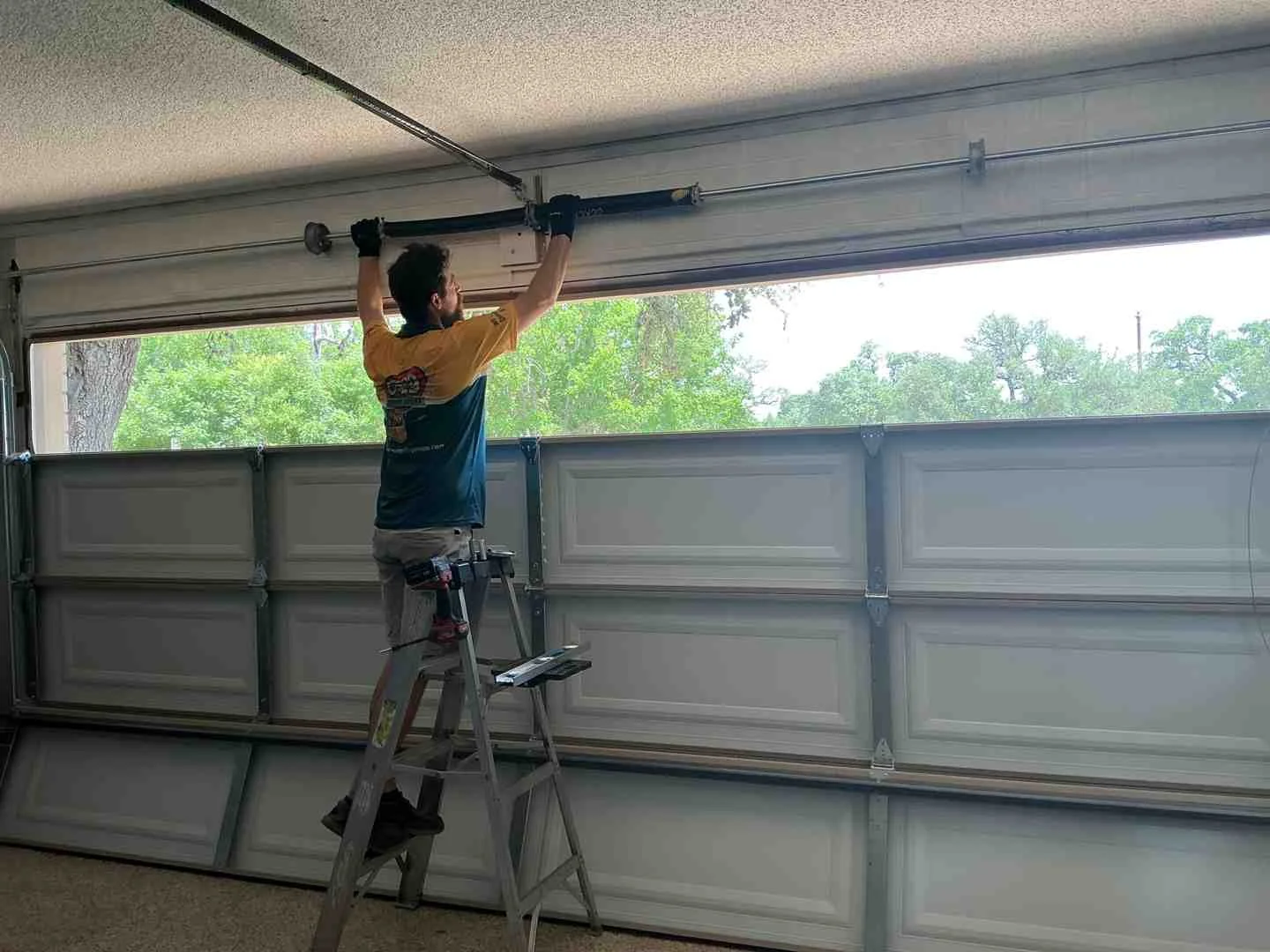
When parts of your garage door are damaged, evaluating whether to replace individual sections or the entire door requires a close look at its structural stability and the practicalities of replacement feasibility. Sometimes, a single damaged panel might seem like an easy fix, but several factors can complicate this, leading to a full replacement being the more sensible choice.
Criteria for a Reliable Garage Door Assessment of Single Panels
While it’s often possible to replace a single damaged panel, there are several important considerations. First, the availability of the exact panel profile from the original manufacturer can be an issue, especially for older doors. Manufacturers may discontinue specific designs or colors. Second, even if a matching panel is found, there’s the challenge of cosmetic mismatch. Older panels naturally experience UV fading over time, meaning a brand-new panel, even if identical in design, might not perfectly match the weathered appearance of the existing sections. This can leave your garage door looking patchy. More critically, if the damage to one panel indicates underlying issues with the door's weight distribution or overall structural balance, simply replacing one section may not resolve the core problem and could lead to further damage down the line. A comprehensive assessment of the door's hardware integrity is essential to determine if a single panel replacement is a viable long-term solution.
Climate Impact on Weatherstripping, Springs, and Thermal Efficiency
The local climate, particularly in areas like Austin, Texas, plays a significant role in the lifespan and performance of garage doors. Extreme temperature fluctuations, from intense summer heat to occasional winter freezes, cause materials to expand and contract. This constant movement can accelerate the degradation of weatherstripping and bottom seals, leading to cracks and reduced thermal efficiency. High humidity can also contribute to rust on metal components and wood rot on wooden doors. Springs and tracks can bind or wear out faster under these conditions if not properly maintained and lubricated. An insulated steel door, designed to withstand these environmental challenges, can significantly improve your garage's thermal performance, potentially reducing heat transfer and contributing to the 20% thermal loss reduction often seen with modern, energy-efficient doors. If your current door is struggling to cope with the climate, it might be time for an upgrade that offers better insulation and material durability.
Safety Hazards and Mechanical Failure Risks
The garage door system operates under immense tension, making safety a paramount concern. Components like torsion springs and cables are critical for balancing the door's weight, and when they fail, they pose significant risks. Understanding these dangers and knowing when to call for professional stabilization is essential for preventing serious injuries.
Critical Torsion Spring and Cable Tension Warnings
Garage door torsion springs are under extreme tension, designed to counterbalance the door's weight. These springs are typically rated for 10,000 cycles (one cycle is one opening and closing), which usually translates to 6 to 10 years of average daily use. When a spring breaks, the door becomes incredibly heavy and dangerous to operate. Similarly, frayed or kinked cables, which also bear the door's weight, are a major safety hazard; a snapped cable can cause the door to crash down unexpectedly. Attempting DIY repairs on these high-tension components is extremely dangerous and should never be attempted by untrained individuals. Garage door accidents, often involving springs or cables, result in 20,000 to 30,000 injuries every year. Signs like a visibly separated spring or a bottom bracket pulling away from the panel require immediate professional attention.
Scheduling a Reliable Garage Door Assessment for Structural Damage
If you suspect any issues with your garage door's structural integrity or its high-tension components, scheduling a professional assessment is crucial. A qualified technician can perform a balance test to check if your door is properly weighted, inspect for cable fraying, spring integrity, and track alignment, and identify any other potential safety hazards. If a critical safety-line condition exists, such as a broken spring or frayed cable, the door should be immediately stabilized by a professional to prevent further damage or injury. Regular annual inspections can help catch these issues before they escalate into dangerous failures, ensuring your garage door operates safely and reliably. Never try to operate a door with known safety issues; always seek professional evaluation and repair to ensure safety clearance.
Frequently Asked Questions About Garage Door Replacement
Can I replace just one damaged garage door panel instead of the whole door?
Yes, it is often possible to replace individual panels, especially if the rest of your garage door is in good condition and structurally sound. However, several factors can complicate this. Manufacturers may no longer produce the exact panel profile for older doors, making it difficult to find a match. Additionally, even if a panel is available, the new section might not perfectly match the color of your existing panels due to natural UV fading over time. A professional assessment can determine the feasibility, considering structural integrity, panel availability, and aesthetic concerns.
How does local climate affect when a garage door needs replacement?
Local climate plays a significant role in a garage door's lifespan. In areas with extreme temperatures like Austin, Texas, constant expansion and contraction of materials can lead to warping in wood doors, stress on metal components, and accelerated degradation of weather seals, causing them to crack and become ineffective. High humidity can promote rust on steel doors and wood rot on wooden ones. These environmental stressors can shorten the overall lifespan of your door and its components, making replacement a more frequent consideration than in milder climates.
Should I replace my garage door opener at the same time as the door?
It's often a wise decision to replace your garage door opener at the same time as the door, especially if the opener is over 10 years old. Garage door openers typically last between 10 and 15 years. Replacing both simultaneously ensures optimal compatibility between the new door and opener, prevents potential calibration issues, and can save on labor costs as both installations can be done efficiently at once. It also allows you to upgrade to modern openers that feature enhanced safety standards, quieter operation, and smart home technology integration for added convenience and security.
Conclusion
Deciding whether your garage door is beyond repair is a critical decision for your home's safety, security, and efficiency. By recognizing the clear signs of severe structural damage, extensive material degradation, persistent mechanical failures, significant age, and outdated safety features, you can make an informed choice. Utilizing the 50 Percent Rule and considering the long-term value and energy efficiency of a new system provides a robust decision framework. Prioritizing professional assessments for safety hazards and understanding the limitations of panel replacements will ensure you invest wisely. Replacing an old, failing garage door is an investment in your home's security, curb appeal, and overall functionality, providing peace of mind for years to come.