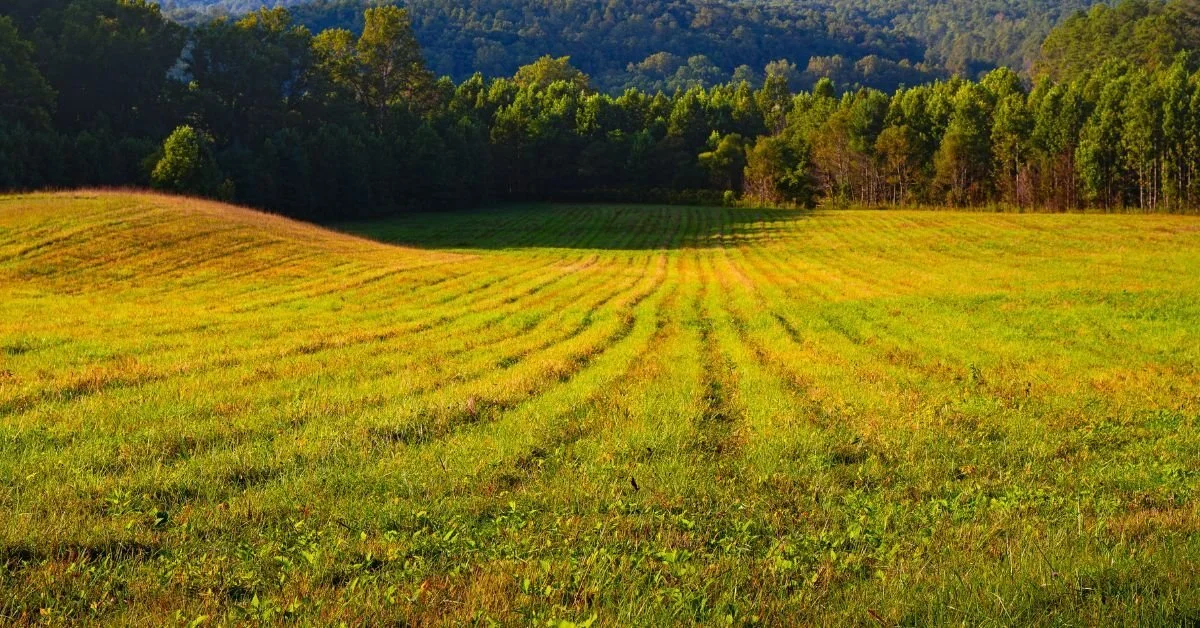
Understanding Rural Property Market Trends
If you’ve owned farmland or rural property for decades, you’ve likely seen markets rise and fall more than once. But today’s rural real estate landscape looks different from how it did 10 or 20 years ago. Whether you’re planning to retire, simplify your life, or finally sell land that’s been in the family for years, understanding current market trends of rural property can help you make confident, well-timed decisions.
Rising Demand & Timing the Market
In recent years, rural properties have attracted a new type of buyer: urban transplants and remote workers. These groups are seeking open space, privacy, and a slower pace of life. While they might not be the types of people you’re used to dealing with, this increased interest has created opportunities for landowners who may not have considered selling before.
However, timing still matters. Spring and early summer are often peak selling seasons, especially when buyers want to view land at its best and settle before winter. Local demand can still vary, though. Watching regional activity and speaking with a rural real estate specialist can help you identify the strongest window to list your property.
Pricing Strategy in a Limited-Inventory Market
Rural properties don’t come on the market as frequently as homes in town. That limited inventory can work in your favor, whether you decide to sell it outright or put it up for auction.
That said, pricing in either scenario requires balance. While it may be tempting to sell high, today’s buyers are often sensitive to interest rates. There’s also a lot you need to expect when auctioning your farmland, but your starting price needs to be reasonable as well. In both formats, a thoughtful pricing strategy—based on comparable sales and local demand—helps attract serious buyers without leaving money on the table.
Property Positioning & Value Drivers
When learning about the current rural property market trends, it’s important to remember that acreage alone doesn’t determine value. Buyers are paying close attention to practical features like road access, utility availability, and zoning. Broadband internet access has become especially important, as many buyers work remotely or want reliable connectivity.
Development potential, water access, soil quality, and proximity to healthcare or small-town amenities can also influence value. Highlighting these strengths when marketing your property can significantly improve buyer interest.
Navigating Market Risks
Like any real estate market, rural property values are influenced by broader economic conditions. Interest rate changes can quickly impact buyer activity and purchasing power.
Regional factors also matter. Agricultural commodity prices, water availability, and environmental conditions can affect land demand. Understanding these influences helps you prepare for negotiation and set realistic expectations about pricing and timing.
Have a listing you think should be featured contact us or submit here to tell us more! Follow Off The MRKT on Twitter and Instagram, and like us on Facebook.



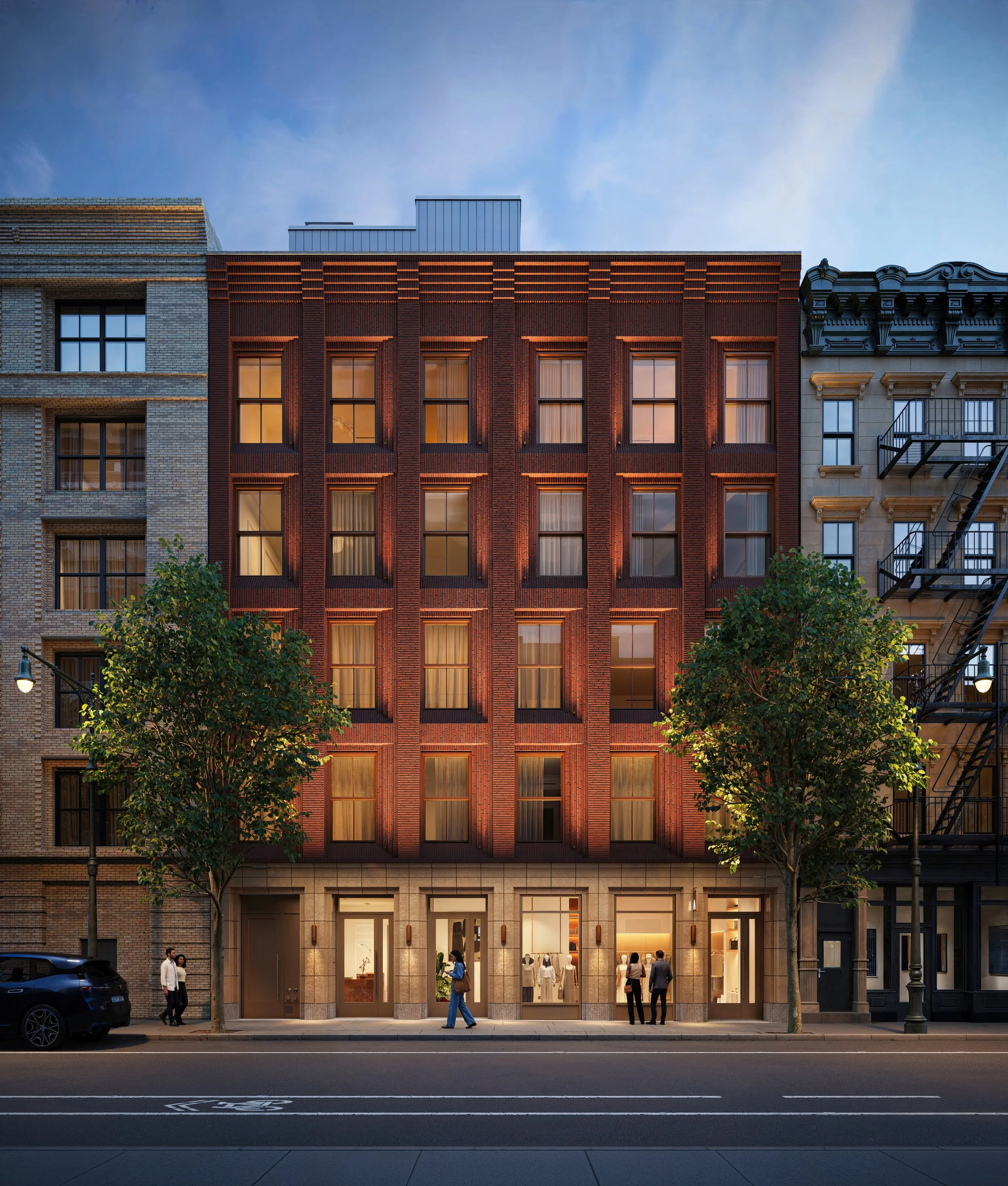
Sales are underway at 44 West 8th Street, a 50-foot-wide, five-residence Greenwich Village condo off Washington Square Park with full-floor homes from $9.75 million.