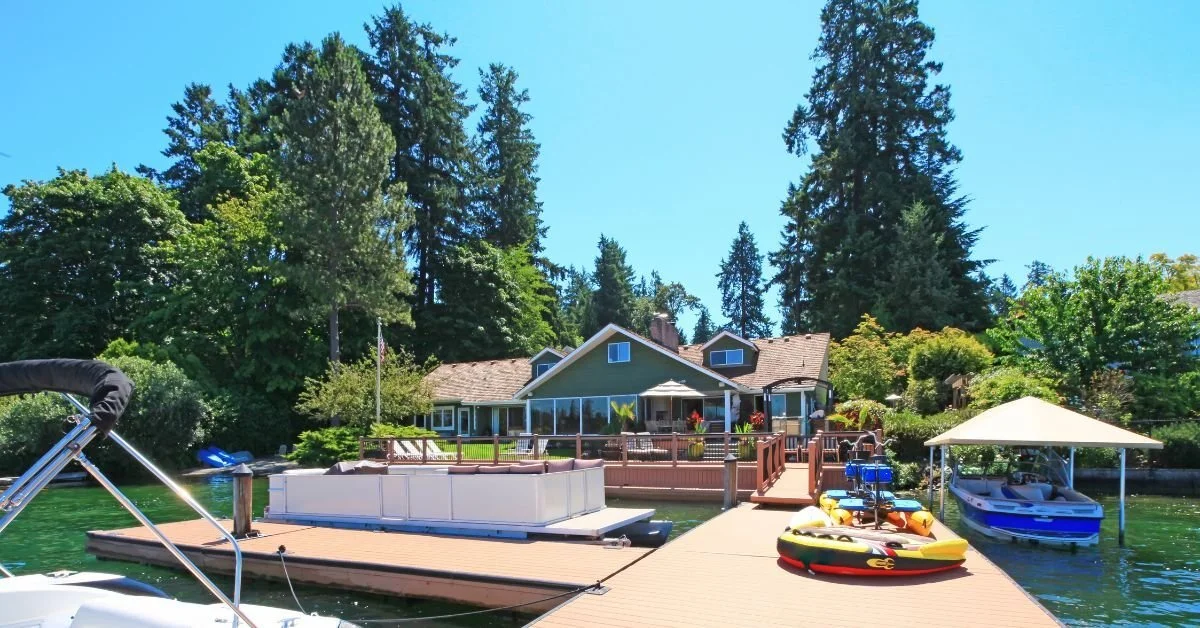
Key Features to Look for in a Lakefront Property
Lakefront real estate offers something most properties cannot replicate: direct access to a lifestyle that feels like an escape without requiring a reservation. For investors, that appeal can create opportunities for personal enjoyment and long-term appreciation. However, a beautiful view alone does not make a waterfront property a smart investment.
The strongest features to look for in a lakefront property help realtors select the best locations to buy and sell. Buyers should also consider factors that may not show up in listing photos, including shoreline conditions and local restrictions. Knowing what deserves closer attention can help investors separate genuinely valuable properties from expensive scenery.
Look Beyond the View
A panoramic lake view can command attention the second you enter a property, but investors should consider how much of that view they can enjoy throughout the home. A narrow glimpse from one upstairs bedroom does not offer the same lifestyle value as broad water views from primary living areas.
Consider the orientation of the house as well. The direction it faces can influence natural light and how comfortable outdoor spaces feel throughout the day. These details may also affect how future buyers or renters perceive the property's premium location.
Pay attention to anything that could alter the view later. Neighboring lots, mature trees, and local development plans can change the experience considerably. Waterfront scenery carries more investment weight when the property is likely to keep it.
Examine the Shoreline Carefully
The shoreline deserves as much attention as the house itself. Buyers should inspect its slope and accessibility before assuming how they can use the waterfront. A steep or heavily eroded shoreline may make swimming, boating, or entertaining near the water more difficult.
Shoreline maintenance can also create ongoing expenses. Changing water levels and runoff may gradually alter the land. Some properties may need erosion-control measures, while others benefit from natural vegetation that helps stabilize the soil without sacrificing too much access. Ask how the shoreline changes throughout the year. That gorgeous stretch of beach in August may look quite different after spring runoff.
Consider the Quality of Water Access
Direct water access creates much of the appeal behind lakefront ownership, so evaluate how easily people can actually reach and use the lake. Think about the activities that matter most for the property's intended use. An investor targeting vacation renters may prioritize easy swimming and boating access, while a buyer planning a private retreat might care more about peaceful shoreline seating and scenic views.
Before moving forward, evaluate practical features such as:
Water depth near the shoreline and potential docking area
Seasonal fluctuations in lake levels
Bottom conditions near swimming areas
Accessibility for boats, kayaks, or paddleboards
Existing docks and their overall condition
Local rules that govern waterfront improvements
These details influence more than recreation. They can shape maintenance needs, future improvement plans, rental appeal, and the overall experience that makes waterfront ownership worth the premium.
Make Sure the Dock Fits the Property
A dock often functions as an extension of the property, not just a place to tie up a boat. It can support swimming, fishing, lounging, entertaining, and easy access to the lake. Investors should inspect an existing dock carefully or determine what options local regulations allow before purchasing.
For properties without the ideal setup, researching how to customize DIY dock kits to fit your waterfront can reveal opportunities to create a more functional connection between the land and water. Shoreline shape, water depth, and intended activities should all influence the final configuration.
Buyers should also confirm permit requirements before assuming they can add, replace, or expand a dock. Lake associations and environmental regulations may limit dimensions or placement. Nobody wants to buy a dream property only to discover that the dream dock exists exclusively in a sketchbook.
Evaluate Privacy and Neighboring Properties
Privacy carries significant value in the luxury lakefront market. A property may offer spectacular water access but lose some of its appeal if neighboring homes sit only a few feet away or if heavy boat traffic passes directly in front of the shoreline all summer.
Study the spacing between properties and the landscaping that creates natural separation. Mature trees can provide privacy without making the property feel enclosed. Thoughtful positioning of patios and outdoor living areas can also create a stronger sense of retreat.
Investors should consider the broader neighborhood atmosphere. Some lake communities maintain a quiet residential character, while others attract energetic seasonal crowds. Neither environment automatically creates a better investment, but the setting should align with the lifestyle or rental market the property intends to serve.
Study the Home's Relationship With the Water
The best lakefront homes make the water feel like part of everyday life. Floor plans that orient common living spaces and primary bedrooms toward the lake can create a stronger connection to the setting. Large windows and well-positioned outdoor areas can enhance that effect without relying on excessive design tricks.
Outdoor living deserves particular attention. Covered patios, decks, terraces, fire features, and comfortable shoreline spaces can extend the property's usable footprint. When these areas flow naturally from the interior, the home often feels larger and more intentional.
This connection also plays a major role in making waterfront living feel effortless. Owners shouldn't have to navigate awkward pathways, haul equipment across difficult terrain, or reorganize the entire property every time they want to enjoy the lake. Smart design turns access into part of the daily routine.
Investigate Utilities and Year-Round Access
Lakefront properties sometimes sit farther from urban infrastructure than conventional luxury homes, which makes utility research especially important. Confirm the property's water source, electrical service, internet availability, and road access before committing significant capital.
Private roads deserve additional scrutiny. Find out who maintains them and how owners handle snow removal or repairs. A secluded setting feels considerably less luxurious when a washed-out road turns every arrival into an off-road driving lesson.
Understand Regulations Before Planning Improvements
Waterfront property owners rarely have unlimited freedom to modify their shoreline. Environmental protections, setback requirements, floodplain rules, building codes, and lake association guidelines may affect future projects. Investors should research these restrictions before assigning value to renovation or expansion potential.
Ask specifically about docks, retaining structures, vegetation removal, accessory buildings, and additions near the water. A large parcel does not necessarily mean an owner can build wherever space appears available.
Professional due diligence can prevent costly surprises. Surveyors and inspectors with waterfront experience can clarify what the property currently offers and what regulations may allow in the future.
Think About Long-Term Marketability
Investors should evaluate the features of a lakefront property through the eyes of future buyers as well as their own. When a property has broad appeal, it often provides more flexibility when market conditions change.
Scarcity also matters. Properties with particularly desirable shoreline characteristics may face limited direct competition because developers cannot simply create more natural lake frontage. However, investors should still compare recent local sales and understand how values vary from one section of a lake to another.
The goal is to find more than an impressive house beside the water. A compelling lakefront investment should make the location easy to enjoy while supporting practical ownership over time.
Have a listing you think should be featured contact us or submit here to tell us more! Follow Off The MRKT on Twitter and Instagram, and like us on Facebook.





Working at the Philadelphia Navy Yard does not mean making the office your entire personality. Here is where to live for the easiest commute, best dinners, quieter blocks, more space, and a South Philly life that continues after you log off.