LabFirstPeptides.com Guide: The Three Numbers on a Lab Report That Actually Matter

What this guide covers

"Third-party tested" has become the most common claim on a product page, and the least examined. It sits under skincare, under supplements, under the water you buy by the case, and under research chemicals sold online. Nearly nobody clicks through. Of the people who do, most look at the lab's logo, see a big percentage, and feel reassured. That percentage is usually real. It's also usually answering a different question than the one you have.

Mass spectrometry identity check on a Retatrutide research lot, LabFirst Peptides

I spend a lot of my week reading certificates of analysis, the document a laboratory issues after testing a batch. A COA has three results that matter, and none of them can stand in for the others. This guide explains what each one answers, what a passing result should mean, and the one-minute check that catches most bad paperwork. Research materials discussed here are for laboratory use only.

Identity: is it the thing on the label?

This is the question people skip, because it sounds too basic to ask. Ask it anyway.

Identity testing confirms the material is the compound the label names, usually by mass spectrometry, which measures the molecular weight and compares it against the known value. The reason this needs its own line is that purity can't do the job. A sample that is 99% pure of the wrong compound produces a clean, impressive-looking result. The number is excellent. The product is something else.

If a certificate reports purity but never says how identity was confirmed, it has skipped the first question.

Purity: how much of what's there is the right thing?

Purity is the number everybody quotes. For most compounds it's measured by liquid chromatography, which separates the sample into its parts and reports the main one as a percentage of everything the instrument detected.

Two things about that figure matter. It's a share. And it leaves out anything the detector can't see at the wavelength used, which for many materials includes water and salts. So "99.7% pure" says the material that is there is clean. It says nothing about how much of it there is.

That distinction is the single most common way buyers misread a certificate, and it's why a good report carries a third number. For a plain-English walkthrough of how the purity test works and why purity and amount are separate questions, there's a short guide to how peptide purity testing works written for people without a chemistry background. The logic transfers to almost anything sold with a lab report attached.

Net content: how much is in the container?

Net content asks whether the amount on the label is the amount in the vial, the jar or the bottle. It is measured separately, against a reference standard, and reported as a mass.

This is where products quietly fall short. A container can hold material of excellent purity and still be light. The two numbers come from different tests and can move independently, which is exactly why they shouldn't be collapsed into one "tested" badge.

A supplier that publishes net content is telling you something about its own confidence, because net content is the number most likely to embarrass. Many don't publish it at all. I understand why. It is the number a supplier is most nervous about the first time samples go out.

What should "passing" mean?

A fair test of whether a company takes its own paperwork seriously: does it say, in writing, what a batch has to score before it's sold?

That's called a release specification, and it's rarer than it should be. It reads like this: identity confirmed, purity at or above a stated floor, net content within a stated range of the label, and a batch that misses any of them is rejected rather than listed. LabFirst Peptides publishes its specification on its certificates page, including the rule that a lot measuring under 85% of its label is never sold. The specific numbers matter less than the fact that the standard exists before the result does, so a bad result can't be rationalized afterward.

If a product's "tested" claim has no specification behind it, you don't know what a passing result was. A lab report with no pass bar is a measurement, and nothing more.

HPLC purity trace for a BPC-157 research lot, LabFirst Peptides

How I read one in a minute

  1. Find the lab name and the batch number. No lab named, or no batch number, means the report can't be checked. Stop there.

  2. Match the batch number to the one on your product. A genuine report for a different batch is the most common trick in every industry that uses lab testing. Nobody forged it. They borrowed it.

  3. Look for identity, purity and net content. All three, each with its method named. Two out of three is a partial answer.

  4. Verify at the source. Most reputable labs let you look up a report on the lab's own site by reference number. Type the lab's address yourself rather than following a link from the seller, and compare. The step takes thirty seconds and defeats nearly every borrowed or altered certificate. To try it on a real certificate, the how-to-verify section on that certificates page shows where the reference number lives and how to check it on the laboratory's site.

What are the red flags?

  • A lab logo with no lab name, or no batch number anywhere on the report.

  • A batch number that doesn't match the product in your hand.

  • Purity reported on its own, with no identity result and no net content.

  • A percentage with no method beside it.

  • No written specification, so nobody can say what a failing batch would have looked like.

None of these proves the product is bad. Each one means the "tested" claim can't be checked, and a claim you can't check carries no information.

Why does this matter more than it used to?

Lab-testing claims used to be rare enough to mean something. Now they're a default, printed on products that were tested once, years ago, or tested for one thing and sold as if tested for all of them. The claim itself has stopped carrying information.

The documents still do. When the same three results sit on a product page, for example the LabFirst retatrutide peptide listing with its lot certificate attached, a buyer can check the lab, the batch and the numbers before anything else. A certificate with a named lab, a matching batch number, three separate results and a reference number you can check is as good as evidence gets for a consumer. Anything less is marketing wearing a lab coat.

The short version

Identity says what it is. Purity says how clean it is. Net content says how much is there. Read all three, match the batch, and spend thirty seconds on the lab's own website. That is the whole method, and it works on a face serum as well as on a vial on a lab bench.

Common questions

Is a high purity number enough on its own? No. A sample can be 99% pure of the wrong compound, or clean and underfilled. Identity and net content answer the questions purity can't.

What is a release specification? A written pass bar set before testing: identity confirmed, purity at or above a floor, net content within a range of the label. A batch that misses any of them is rejected.

How do I check a certificate is genuine? Take the reference number to the lab's own website, typed in yourself, and compare the lab's record with the PDF. A report that can't be looked up at the source is a claim.

LabFirst Peptides sells research materials for laboratory use only, not for human or animal consumption. Nothing in this guide is medical advice.

/
script>

BnBOKC.com Guide: The 30-Night Line, When a Furnished House Beats the Hotel

What this guide covers

Somewhere around the third week in an extended-stay hotel, the math on a relocation flips, and most people don't notice because they're still thinking in nightly rates.

Gaillardia Manor, a furnished BnB OKC monthly rental in Oklahoma City

BnB OKC runs a small collection of furnished rental homes in Oklahoma City, and a lot of its monthly guests arrive the same way: a company move, a hospital contract, or a house that flooded, followed by two weeks in a hotel that seemed fine until it didn't. What changes their mind is rarely comfort. It's a spreadsheet. This guide is the version of that spreadsheet I'd want someone to show me before I booked a hotel for a month: where nightly rates hide the real number, where the break-even line falls, the 30-night tax rule, what a monthly rate should include, and the separate math for insurance placements.

Why do nightly rates hide the real number?

A hotel quotes a nightly rate. A furnished home quotes a month. Comparing the two means multiplying the hotel out and then adding what the nightly rate leaves off.

Start with taxes and fees. In Oklahoma City a hotel stay typically carries roughly 13 to 15% in combined taxes and fees on top of the room rate, and most cities are in that range or higher. A month at a modest extended-stay hotel in OKC runs roughly $2,400 to $3,400 all in, for something like 300 to 400 square feet, a kitchenette and a parking lot.

Then add what you buy because the room doesn't have it: meals out because the kitchenette has two burners and no oven, laundry, a second room if you're not alone, somewhere to put a dog. None of that is on the hotel bill, which is exactly why the hotel looks cheaper.

Where does the line fall?

Run the numbers for your own city and a pattern shows up. Under about two weeks, the hotel usually wins: no minimum stay, no lease, and you can leave Tuesday. Past about 30 nights, a furnished home usually wins, and the gap widens every week after that.

The break-even in Oklahoma City sits somewhere between 21 and 30 nights depending on party size and how much you cook. The stay-length comparison on the BnB OKC site walks through the matrix, with budget, party size and who's coming with you, if you want to see how the numbers move.

Three things push the line toward the house faster:

  • More than one person. A hotel room scales by adding rooms. A house scales by adding bedrooms it already has.

  • Cooking. Thirty nights of restaurant dinners is the quiet budget-killer of every relocation. Ask anyone who has done it.

  • Length uncertainty. Renovations run over. Contracts extend. A monthly home extends month to month; a hotel re-prices you at whatever the rate is that week.

What is the 30-night tax rule?

There's a reason the line sits where it does, beyond kitchens. In many jurisdictions, stays of 30 or more consecutive nights fall outside nightly lodging taxes altogether. That's a structural discount a hotel can't match on a 29-night booking and a furnished home gets on a 30-night one. Check your own city's rule, but it's common, and it's one of the reasons a monthly rate can come in below a month of nightly rates before you count a single meal.

What should a monthly rate include?

This is where furnished rentals vary a lot, so ask before you compare. A real monthly rate bundles rent, utilities, internet and yard care into one number, with no deposit games and nothing itemized later. BnB OKC's do: a five-bedroom house that sleeps 16 rents for $6,600 a month, a second one with a pool for $8,500, each with a dedicated workspace and in-unit laundry.

Those are Oklahoma City prices. The structure is the thing to copy when you're comparing anywhere: one number, everything in, 30-night minimum, month-to-month after that.

What about insurance placements?

The clearest version of this decision belongs to families who didn't choose it. After a fire, a burst pipe or a storm, a homeowner's policy with additional living expenses coverage pays for temporary housing while repairs happen. Repairs take months. A hotel room for a family of four, for four months, is both miserable and expensive, and adjusters know it. The families placed this way usually call on a Friday afternoon with a toddler in the background and a contractor's estimate that just doubled.

What those placements need is paperwork a carrier accepts: itemized monthly invoices, a W-9, a certificate of insurance, and direct billing where the carrier allows it. If you're in that situation, the page on insurance housing explains what to ask a rental for and how direct billing works, and most of it applies in any state.

Lakefront Manor, a BnB OKC furnished home for extended stays

Put four numbers side by side

Before you book either, run these for your real stay length.

  1. Hotel rate times nights, plus the local tax and fee percentage.

  2. Meals out, at whatever your honest number is.

  3. Extra rooms or pet fees, if either applies.

  4. The furnished home's monthly rate, confirmed as all-in.

  5. For stays under two weeks, stop there and book the hotel. For 30 nights and up, the house usually wins before you've counted comfort.

What are the red flags?

  • A "monthly" rate that leaves out utilities, internet or yard care.

  • A deposit or an itemized charge that only appears after you've agreed.

  • No itemized invoice, W-9 or certificate of insurance when an employer or a carrier is paying.

  • A fixed end date with no month-to-month option when the project runs over.

Bottom line

For a look at what a monthly furnished stay includes and who typically books one, the BnB OKC extended stays page lays it out. The hotel is the right choice for the wrong length, chosen because nobody multiplied.

Common questions

At what length does a furnished home beat a hotel? In Oklahoma City the break-even sits somewhere between 21 and 30 nights, and past 30 nights the house usually wins by a widening margin.

Why does 30 nights matter? In many jurisdictions, stays of 30 or more consecutive nights fall outside nightly lodging taxes. A 29-night hotel booking can't get that; a 30-night furnished stay can.

What does an insurance carrier need from a furnished rental? Itemized monthly invoices, a W-9, a certificate of insurance, and direct billing where the carrier allows it.

/
script>

ClarityTaxRelief.com Guide: An IRS Lien Won't Stop You Selling Your Home. Finding Out in Escrow Will

What this guide covers

The house shows well, the offer comes in, the buyer's lender orders title, and three days later the title company calls with a phrase the seller has never heard applied to them: a cloud on title. There's a federal tax lien recorded against the property. Nobody at the open house knew. Sometimes the seller didn't either. I see a version of this every spring, and the calls that go worst are the ones where the seller learned about the lien from the title company.

A home sale held up in escrow by a federal tax lien

The deal doesn't have to die at that point. It often does, because the fix takes weeks and the buyer has a rate lock that expires in days. This guide explains what a federal tax lien does to a home sale, what it doesn't do, why it surfaces in escrow, the four ways a sale closes anyway, the 45-day deadline that decides most of them, and how to clean up the record after it's paid.

What is a lien, and what isn't it?

A federal tax lien is a claim. When a tax balance goes unpaid after the IRS sends a bill, a lien attaches to what the taxpayer owns. The public step comes later, when the IRS records a Notice of Federal Tax Lien at the county. That recorded notice is what a title search finds.

Three things the lien does not do, since each one gets confused with it:

  • It doesn't transfer ownership or force a sale. Taking a primary residence requires a federal court order, a step the IRS takes rarely.

  • It doesn't stop you selling. The lien gets paid from the proceeds at closing, or formally removed from the property when the equity won't cover it. More on that below.

  • It doesn't appear on your credit report. Tax liens came off all three credit bureaus in 2018. They remain a public county record, which is exactly how the title company finds one.

Why does it surface in escrow?

A recorded lien is public, and a title company's job is to find it. Once found, the sequence is predictable. The title company won't issue a policy over an unresolved lien. The buyer's lender won't fund a loan on uninsurable title. Escrow asks for an IRS payoff figure or a plan to discharge the property before it will set a firm closing date.

Sellers who hope the lien will go unnoticed, or who try to sell "around" it with a cash buyer and no title insurance, hand the buyer a house the IRS still has a claim against. A below-market transfer to a relative can be unwound later. Credit reports stopped carrying tax liens in 2018, so the county file is the only place this shows up, and the title company reads it. The only exits run through the IRS.

A recorded Notice of Federal Tax Lien against a house

How does a sale close anyway? The four paths

Which path fits depends on one number: your net equity after the mortgage and selling costs, compared to the IRS payoff.

  1. Pay it at closing. If the equity covers the balance, escrow pays the IRS from the proceeds using a current payoff letter, the same way a mortgage is paid off. The IRS releases the lien within 30 days of full payment. This is the simple case, and it needs only the payoff letter in hand before the closing date.

  2. Discharge with partial payment. If there's equity, but less than the payoff, the seller applies to have the property specifically discharged from the lien. The IRS takes the seller's remaining equity at closing and releases the house, while the lien stays attached to the person for whatever balance is left. The application is Form 14135.

  3. Discharge with no payment. If the house is underwater, with senior liens and selling costs exceeding the price, the IRS's interest in it is worth nothing, and it can release the property for no payment. Same form, different box.

  4. Escrowed-proceeds discharge. If equity exists but the IRS's share is disputed, the proceeds can be held in escrow while the amounts are sorted out.

There's also subordination, under Form 14134, which lets a new loan jump ahead of the lien. That's for refinancing: the lien stays on title and the lender agrees to close over it. The full menu, with the equity test for each option, is laid out in this guide to selling a house with an IRS lien.

What is the number that kills deals?

A discharge application should be filed at least 45 days before the closing date. That lead time is the whole problem. A seller who first hears about the lien from the title company is already inside the window, and a buyer with a rate lock and a moving truck booked is not going to wait six weeks.

Which is why the single most useful thing a seller or an agent can do happens before the listing goes up: pull the county records and check. A lien that's found in February is a paperwork task. The same lien found in escrow is a renegotiation, a credit to the buyer, or a dead deal. Agents hate hearing this, and the good ones do it anyway.

What are the red flags?

  • A listing going up with no county record check and no IRS payoff letter requested.

  • Anyone suggesting a cash buyer and no title insurance as a way to sell "around" the lien.

  • A closing date fewer than 45 days away with no discharge application filed.

  • Assuming a paid lien has left the county record. The notice stays there until it is withdrawn on Form 12277.

How do you clean up the record after it's paid?

Release and withdrawal are different things, and the difference matters to the next title search. When the balance is paid, the IRS releases the lien, which ends its claim. The recorded notice stays in the county file with a release attached. Withdrawal goes a step further and removes the notice from the public record as if it hadn't been filed. It's a separate application, Form 12277, and after full payment it's the most routinely granted of the four grounds the IRS allows. The grounds and what each requires are explained in this guide to lien withdrawal.

Bottom line

If you're reading this with a buyer waiting, get three numbers together today: the IRS payoff, your net equity after the mortgage and selling costs, and your closing date. Those three decide which of the four paths applies and whether the 45-day clock can still be met. For a seller who wants the map of what a lien does and doesn't do to the house itself, before talking to anyone, this overview of an IRS tax lien on your home is the place to start.

A lien on a listing is a solvable problem with a deadline attached. The sellers who lose deals are the ones who learned about them last.

This guide is general information, not tax or legal advice. Individual situations vary.

/
script>

How Basement Waterproofing Protects Property Value

Protecting a residential property requires steady attention to hidden structural areas located beneath primary living spaces. Below ground level, damp conditions accumulate quietly without triggering early warning signals for homeowners.

Maintaining dry conditions inside lower structures preserves foundational integrity and safeguards long-term property equity. Simple preventative actions help homeowners avoid severe structural degradation down the road.

Preventing Structural Decay Before Wall Cracks Expand

Standard poured concrete and block foundations experience intense hydrostatic pressure from surrounding groundwater. Heavy rainfall forces water against subterranean walls, driving liquid into micro-cracks inside concrete structures.

Homeowners frequently overlook subsurface signs of wear occurring beneath ground level. Investing in repairing foundations prevents minor wall fissures from widening under seasonal soil movement. Securing concrete elements early prevents structural shifting later.

Continuous lateral soil pressure causes subterranean walls to bow or tilt inward across several wet seasons. Installing proper sealing barriers stops water infiltration before internal framing suffers permanent structural damage.

Preserving Healthy Indoor Air Quality Across Living Spaces

Unchecked subterranean humidity creates ideal breeding conditions for fungal spores that circulate through home heating ducts. An industry study highlights that excess basement moisture leads to mold and mildew growth, which negatively impacts indoor air quality. Maintaining clean interior air preserves residential comfort.

Fungal spores drift upward into main living areas through natural stack effect airflow patterns. High humidity levels inside subgrade areas damage personal items, carpet fibers, and stored wooden belongings over extended periods.

Installing heavy-duty vapor barriers isolates interior living areas from ground moisture spikes. Dry air prevents mold spores from spreading, maintaining healthy interior environmental standards across every room in the residence.

Analyzing Installation Costs Against Long-Term Returns

Direct financial investment in professional water control yields significant long-term returns for property owners. Cost analysis guides reveal that interior drainage and sump pump installation typically costs between $4,500 and $10,000. Upfront installation protects valuable real estate assets from severe flooding events.

Emergency clean-up services charge steep premiums during sudden storm events and flash floods. Installing proactive drainage channels directs water away before pooled liquid destroys expensive mechanical heating equipment.

Property owners who manage sub-grade water risks maintain higher equity throughout ownership periods. Reliable sump systems keep lower levels completely dry, preventing foundation shifts and reducing insurance payouts.

Boosting Buyer Confidence During Real Estate Evaluations

Professional home inspectors evaluate subgrade areas closely for evidence of past water intrusion or active seepage. Industry research shows that homes with waterproofed basements show fewer problems during inspection, which increases buyer confidence and preserves property market value. Clean inspection summaries help residential sales proceed without unexpected delays.

Visible water stains or damp odors alarm prospective buyers during initial home walkthroughs. Unaddressed dampness prompts buyers to request steep price reductions or withdraw purchase offers entirely.

Providing official documentation of professional waterproofing gives prospective buyers complete confidence in structural stability. Dry basements signal thorough home maintenance, helping sellers secure full market asking prices during negotiations.

Converting Unused Areas Into Valuable Finished Square Footage

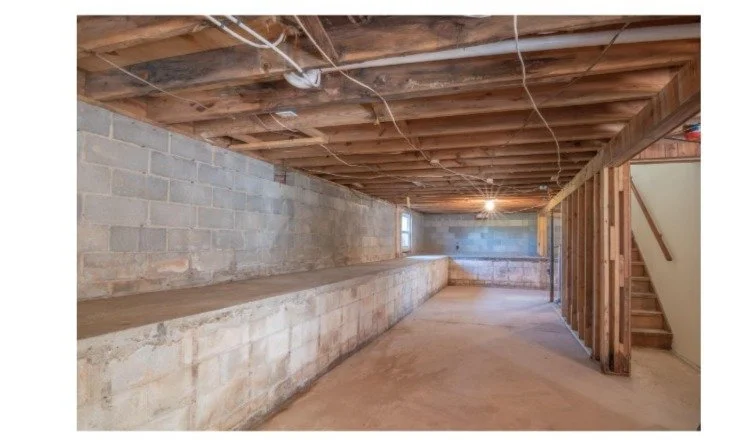
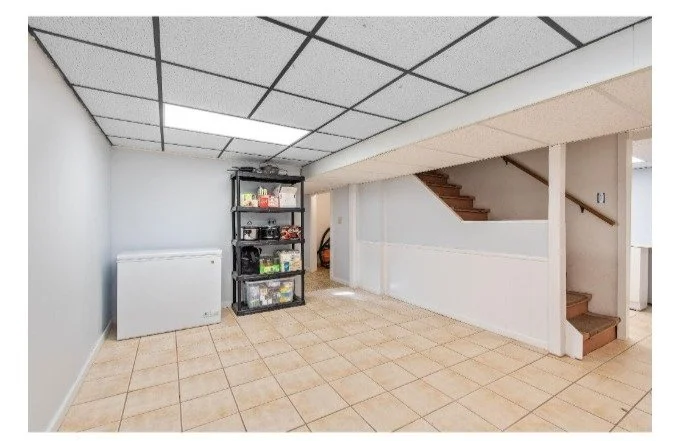
Transforming subterranean spaces into functional living quarters increases total usable floor area across a property. Dry interior conditions allow homeowners to convert dark, underutilized basements into comfortable, high-value rooms without fearing persistent humidity damage. Proper waterproofing turns forgotten storage spots into valuable living zones.

Several rewarding home improvement projects become completely feasible once reliable water management operates effectively:

  • Dedicated home offices providing quiet remote work environments for busy professionals

  • Comfortable guest suites offering private accommodations for visiting family members

  • Entertainment dens designed for modern media centers and interactive family gatherings

Expanding finished residential square footage directly raises total property appraisal valuations during professional real estate market assessments. Additional functional living space attracts prospective buyers seeking versatile floor plans. Protecting these below-grade investments maximizes total market resale price points.

Avoiding Costly Home Insurance Claims And Repairs

Unmanaged water intrusion damages expensive household appliances located in lower levels. Water heaters, HVAC units, and electrical panels suffer severe damage when water accumulates around their bases.

Standard insurance policies frequently exclude coverage for gradual groundwater seepage issues. Homeowners facing unaddressed foundation dampness often pay out of pocket for expensive structural repairs.

Implementing modern perimeter drainage minimizes unexpected repair bills and long-term liabilities. Keeping subterranean areas dry preserves household utilities, maintaining smooth home operation through heavy rain seasons.

Protecting lower residential levels maintains structural strength and secures long-term property value. Proactive water control prevents expensive structural repairs and builds buyer confidence during sales negotiations.

Comprehensive drainage systems convert vulnerable areas into dry, versatile living spaces. Property owners who protect subterranean structures defend equity and secure lasting peace of mind.

/
script>

The Washing Machine Habits That Quietly Shorten Its Life

A washing machine is one of the hardest-working appliances in any home. In a busy household it can run eight or ten loads a week, year after year, and most of us never think about it until the day it stops draining, starts walking across the laundry room floor, or leaves the towels smelling worse than when they went in. Most of those failures do not come out of nowhere. They are the end result of small habits that put extra strain on the machine every single cycle.

The good news is that almost all of them are easy to change. Here are the habits that wear washers out early, and what to do instead.

1. Overloading the drum

It is tempting to stuff in one more pair of jeans so you can skip a load. But a packed drum makes the motor, the suspension and the drive components work much harder, and clothes come out less clean because there is no room for water and detergent to move through them. On front-loaders, chronic overloading also stresses the drum bearings, which is one of the more expensive repairs a washer can need. A good rule: on a front-loader, you should be able to fit your hand flat on top of the load. On a top-loader, keep clothes loosely below the top row of holes in the drum.

2. Using too much detergent

More soap does not mean cleaner clothes. Modern high-efficiency washers use very little water, and excess detergent leaves residue in the drum, the hoses and the pump. That residue traps lint and moisture, feeds odor-causing mildew, and can make the machine misread how full the drum is. If you see suds left over at the end of a cycle or notice a musty smell, cut back. For most HE machines, a tablespoon or two of detergent is plenty for a normal load.

3. Slamming the door shut and leaving it that way

Front-load washers are sealed tight to save water, which also means they hold moisture. Closing the door right after a cycle traps that moisture against the rubber door gasket, and mold follows. Leave the door cracked open between loads, wipe the gasket dry once a week, and pull out the detergent drawer occasionally to let it air out. It takes thirty seconds and prevents the most common complaint front-loader owners have.

4. Ignoring the pump filter

Many front-loaders have a small access panel near the bottom that hides the drain pump filter. Coins, hair ties, buttons and lint collect there. When the filter clogs, the machine drains slowly, leaves clothes soaking wet, or throws a drain error. Check your owner's manual and clean that filter every few months. Put a towel and a shallow pan down first, because some water will come out.

5. Washing heavy, unbalanced items alone

A single bath mat, a dog bed or one heavy comforter can throw the drum off balance during the spin cycle. The washer shakes violently, bangs against the cabinet and, over time, wears out the shock absorbers and suspension springs. Wash heavy items with a couple of towels to balance the load, and if the machine still rocks, check that it is level and that all four feet are firmly on the floor.

6. Forgetting about the hoses

The rubber fill hoses behind most washers are under constant water pressure. They age, bulge and eventually can burst, which can mean a flooded laundry room or a damaged floor below. Look at them once a year. If they are cracked, bulging or more than about five years old, replace them with braided stainless-steel hoses. It is one of the cheapest insurance policies in the house.

7. Treating strange noises as normal

A washer that suddenly grinds, squeals, thumps or roars during spin is telling you something. A worn bearing, a failing pump or a loose drive part often starts as a sound weeks before it becomes a breakdown. Ben DeWitt, whose company handles washer repair in Denver, says noise is the single most ignored warning sign his technicians see. "Most of the bearing jobs we do started as a rumble the owner heard for a month," he says. "Caught early, a lot of those are a much smaller repair."

When it is time to call a professional

Some fixes are perfectly reasonable to do yourself: cleaning the filter, replacing hoses, leveling the machine and freshening up a smelly gasket. Others are better left to a technician, especially anything involving the motor, the control board, the drum bearings or the transmission. A good rule of thumb is to compare the repair cost with the age of the machine. On a washer that is less than eight or nine years old and otherwise in good shape, most repairs are worth doing. On an older machine that needs a major part, replacement often makes more sense.

A few minutes a month

None of these habits take much time. Load the drum sensibly, use less detergent, leave the door open, clean the filter, check the hoses and listen to the machine. Do that, and a decent washer can easily give you ten years or more of reliable service, which is good for your budget and your laundry room floor alike.

/
script>