How Basement Waterproofing Protects Property Value
Protecting a residential property requires steady attention to hidden structural areas located beneath primary living spaces. Below ground level, damp conditions accumulate quietly without triggering early warning signals for homeowners.
Maintaining dry conditions inside lower structures preserves foundational integrity and safeguards long-term property equity. Simple preventative actions help homeowners avoid severe structural degradation down the road.
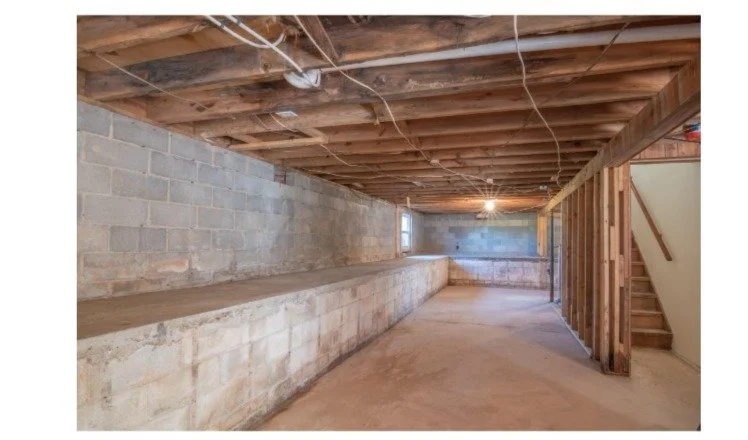
Preventing Structural Decay Before Wall Cracks Expand
Standard poured concrete and block foundations experience intense hydrostatic pressure from surrounding groundwater. Heavy rainfall forces water against subterranean walls, driving liquid into micro-cracks inside concrete structures.
Homeowners frequently overlook subsurface signs of wear occurring beneath ground level. Investing in repairing foundations prevents minor wall fissures from widening under seasonal soil movement. Securing concrete elements early prevents structural shifting later.
Continuous lateral soil pressure causes subterranean walls to bow or tilt inward across several wet seasons. Installing proper sealing barriers stops water infiltration before internal framing suffers permanent structural damage.
Preserving Healthy Indoor Air Quality Across Living Spaces
Unchecked subterranean humidity creates ideal breeding conditions for fungal spores that circulate through home heating ducts. An industry study highlights that excess basement moisture leads to mold and mildew growth, which negatively impacts indoor air quality. Maintaining clean interior air preserves residential comfort.
Fungal spores drift upward into main living areas through natural stack effect airflow patterns. High humidity levels inside subgrade areas damage personal items, carpet fibers, and stored wooden belongings over extended periods.
Installing heavy-duty vapor barriers isolates interior living areas from ground moisture spikes. Dry air prevents mold spores from spreading, maintaining healthy interior environmental standards across every room in the residence.
Analyzing Installation Costs Against Long-Term Returns
Direct financial investment in professional water control yields significant long-term returns for property owners. Cost analysis guides reveal that interior drainage and sump pump installation typically costs between $4,500 and $10,000. Upfront installation protects valuable real estate assets from severe flooding events.
Emergency clean-up services charge steep premiums during sudden storm events and flash floods. Installing proactive drainage channels directs water away before pooled liquid destroys expensive mechanical heating equipment.
Property owners who manage sub-grade water risks maintain higher equity throughout ownership periods. Reliable sump systems keep lower levels completely dry, preventing foundation shifts and reducing insurance payouts.
Boosting Buyer Confidence During Real Estate Evaluations
Professional home inspectors evaluate subgrade areas closely for evidence of past water intrusion or active seepage. Industry research shows that homes with waterproofed basements show fewer problems during inspection, which increases buyer confidence and preserves property market value. Clean inspection summaries help residential sales proceed without unexpected delays.
Visible water stains or damp odors alarm prospective buyers during initial home walkthroughs. Unaddressed dampness prompts buyers to request steep price reductions or withdraw purchase offers entirely.
Providing official documentation of professional waterproofing gives prospective buyers complete confidence in structural stability. Dry basements signal thorough home maintenance, helping sellers secure full market asking prices during negotiations.
Converting Unused Areas Into Valuable Finished Square Footage
Transforming subterranean spaces into functional living quarters increases total usable floor area across a property. Dry interior conditions allow homeowners to convert dark, underutilized basements into comfortable, high-value rooms without fearing persistent humidity damage. Proper waterproofing turns forgotten storage spots into valuable living zones.
Several rewarding home improvement projects become completely feasible once reliable water management operates effectively:
Dedicated home offices providing quiet remote work environments for busy professionals
Comfortable guest suites offering private accommodations for visiting family members
Entertainment dens designed for modern media centers and interactive family gatherings
Expanding finished residential square footage directly raises total property appraisal valuations during professional real estate market assessments. Additional functional living space attracts prospective buyers seeking versatile floor plans. Protecting these below-grade investments maximizes total market resale price points.
Avoiding Costly Home Insurance Claims And Repairs
Unmanaged water intrusion damages expensive household appliances located in lower levels. Water heaters, HVAC units, and electrical panels suffer severe damage when water accumulates around their bases.
Standard insurance policies frequently exclude coverage for gradual groundwater seepage issues. Homeowners facing unaddressed foundation dampness often pay out of pocket for expensive structural repairs.
Implementing modern perimeter drainage minimizes unexpected repair bills and long-term liabilities. Keeping subterranean areas dry preserves household utilities, maintaining smooth home operation through heavy rain seasons.
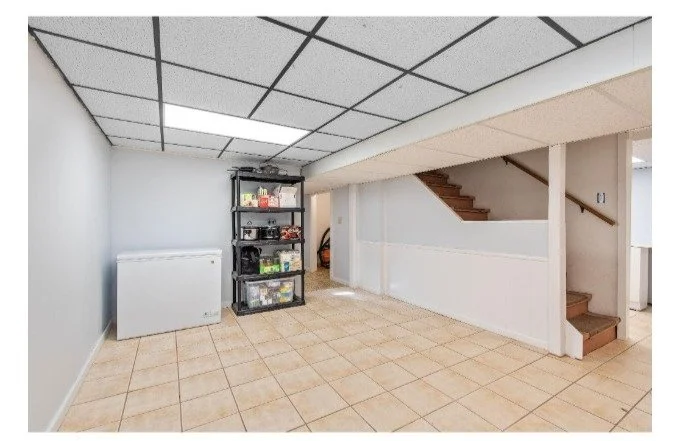
Protecting lower residential levels maintains structural strength and secures long-term property value. Proactive water control prevents expensive structural repairs and builds buyer confidence during sales negotiations.
Comprehensive drainage systems convert vulnerable areas into dry, versatile living spaces. Property owners who protect subterranean structures defend equity and secure lasting peace of mind.