The Evolution of Luxury Real Estate in Manhattan: Trends to Watch

The Manhattan luxury real estate market has long been a global benchmark for wealth, architectural innovation, and urban sophistication. Over the past few decades, this dynamic landscape has undergone a profound transformation, driven by shifting buyer demographics, technological advancements, and evolving lifestyle preferences. Today, navigating this high-stakes environment requires deep expertise and an understanding of the subtle nuances that define modern luxury living.

Historically, luxury in New York City was defined by classic pre-war cooperatives along Fifth Avenue and Park Avenue. These historic residences, characterized by their grand proportions, formal layouts, and white-glove service, represented the pinnacle of social status. However, the turn of the twenty-first century introduced a new era of development that forever altered the iconic Manhattan skyline. The rise of ultra-tall, slender residential towers—often referred to as "supertalls"—redefined the physical and economic boundaries of the city's real estate market.

One of the most significant shifts in recent years is the transition from traditional opulence to experiential luxury. Modern affluent buyers are no longer solely focused on square footage or gold-plated fixtures. Instead, they prioritize wellness, convenience, and highly personalized services that seamlessly integrate into their busy daily routines. This demand has led to an unprecedented expansion of residential amenities. Today’s premier developments feature state-of-the-art fitness centers, private spas, indoor lap pools, private screening rooms, and curated social spaces designed for community engagement. Furthermore, integrated smart-home technology, automated climate controls, and advanced environmental air and water filtration systems have transitioned from optional upgrades to standard expectations in the high-end sector.

Demographic changes have also played a crucial role in shaping current market trends. While international investors continue to view Manhattan real estate as a secure safe haven for capital, domestic buyers have become increasingly active. A new generation of tech entrepreneurs, finance professionals, and creative executives is entering the luxury market. These buyers often seek open-concept layouts, loft-style aesthetics, and neighborhoods that offer a vibrant cultural scene, such as Soho, Tribeca, and the West Village. Consequently, developers have adapted by focusing on boutique condominiums in historic downtown districts alongside the grand towers of Midtown.

Sustainability has emerged as another critical pillar of modern luxury development in New York City. High-net-worth individuals are increasingly conscious of their environmental footprint, leading to a growing demand for LEED-certified buildings, energy-efficient designs, and sustainable materials. Developers are responding by incorporating green roofs, solar arrays, and advanced geothermal heating and cooling systems into their projects. This focus on sustainability not only appeals to the ethical values of contemporary buyers but also ensures the long-term viability, efficiency, and resilience of these prestigious properties in an urban environment.

In this rapidly changing environment, having a trusted advisor is more important than ever. Seasoned professionals like Lisa Maysonet provide clients with the invaluable market insights, negotiation expertise, and strategic guidance necessary to navigate complex transactions. Whether acquiring a penthouse in a new development, investing in a commercial property, or selling a historic townhouse, working with an expert who understands the historical context and future trajectory of the Manhattan market is essential for achieving optimal results.

Furthermore, the concept of luxury has expanded beyond the physical walls of the residence to encompass the surrounding neighborhood. Buyers are increasingly looking for properties that offer immediate access to world-class dining, high-end retail, and cultural institutions. Neighborhoods like the High Line corridor, Hudson Yards, and the historic streets of Greenwich Village have seen a surge in demand because they offer a complete lifestyle package. This integration of residential luxury with vibrant neighborhood culture is a trend that is expected to persist for years to come.

Looking ahead, the Manhattan luxury real estate market is poised to remain resilient. Despite economic fluctuations and shifting global dynamics, the enduring appeal of New York City as a cultural and financial capital ensures a steady demand for premium residential properties. As new architectural marvels continue to rise and neighborhoods evolve, the definition of luxury will undoubtedly continue to adapt, reflecting the aspirations of the world's most discerning buyers.

/
script>

The Reality Behind Online Renovation Inspiration

Browsing Instagram, Pinterest, design blogs, real estate listings, and architecture websites lets homeowners view thousands of finished homes in minutes. Digital inspiration helps pinpoint preferred styles, tones, and materials, but online photos can also set up unrealistic expectations.

This becomes especially important before a major project such as residential siding replacement, where a material choice can affect most of the visible exterior. A color, profile, or texture that looks clean and appealing in a professional photograph may look quite different once installed on another house under different lighting, weather conditions, architectural proportions, and surroundings. Gathering ideas online is helpful, but treating an inspiration photo as proof that a product will perform identically on your home can lead to unexpected results.

Photos Show a Single Moment, Not Daily Performance

Professional property photography showcases a building in its best light. Photographers carefully select the time of day, camera angles, framing, exposure, and editing settings to highlight a property's strongest features. That polished framing makes it difficult to evaluate how materials actually perform in everyday conditions.

How Lighting Alters Color and Texture

Lighting transforms how colors and textures appear throughout the day. Warm grey siding can look beige under late-afternoon sunlight, yet take on a cool blue-grey cast on an overcast morning. A deep green finish might look rich in soft, indirect light, but turn almost black under heavy shade.

Light direction changes how surface texture reads as well. Low-angle sunlight casts shadows that make wood grain, brick, stone, and siding profiles look pronounced. When that same wall sits under flat midday light, those shadow lines soften, and the texture looks far less distinct.

Home orientation plays an equally important role. A north-facing wall receives soft, indirect light that differs completely from the intense exposure on a south-facing exterior. Selecting a siding or stone option based on a single photograph means picking a product under lighting conditions that might never occur on your own building.

Digital Editing Changes What You See

Digital images usually undergo editing before appearing online or in print. Adjustments to exposure, contrast, warmth, shadows, and color saturation alter how an exterior finish appears on a screen.

These digital adjustments shift how homeowners perceive shade and texture. Creamy white exterior walls look brighter than they are in person, dark siding looks uniform, and brick tones appear warmer and more consistent than raw masonry actually is. A digital image provides inspiration, but it cannot serve as a reliable physical sample.

Material Scale Shifts Visual Impact

Scale creates another challenge when translating photos into real projects. A homeowner might fall in love with a siding board profile, stone texture, or tile layout shown in a tightly cropped photograph. When that same material covers a full exterior wall, the visual impact changes dramatically.

A pattern that looks subtle across a small area can dominate an entire wall. Wide siding boards can give a simple modern home a clean look, while making another building appear visually stretched. Heavy stone accents can add interest around a front entrance, yet overpower a modest home when applied across multiple walls.

Small product samples present the exact same issue. A handheld swatch lets you inspect surface texture and color up close, but it cannot show how repeated shadow lines, joints, or material transitions look across an entire elevation. Viewing materials installed on a completed building provides a much clearer picture before finalizing any choice.

Architecture Dictates Material Fit

Copying a material combination without understanding why it worked on the original building often leads to unexpected results. Design success relies heavily on architectural context rather than individual products.

Architecture controls how a finish looks. A material that fits a contemporary design can feel out of place on a traditional building. Wide horizontal siding often complements a simple modern façade, while a narrower profile suits Colonial or Craftsman architecture. Bold stone features work well on homes with prominent rooflines and heavy architectural mass, but those same stones can look disproportionate on a smaller structure.

Window sizes, roof pitch, trim width, entry design, and wall proportions all influence how an exterior material is perceived. Instead of asking how to copy a photo, ask why those materials work on that specific house.

Surrounding Environments Matter

Surroundings influence the final outcome far more than tightly framed photos reveal. Most renovation photography cuts out neighboring properties to isolate the featured home. Real houses sit within a broader setting of nearby buildings, trees, lawns, pavement, fencing, and surrounding colors.

A dark exterior can look striking when set against a wooded backdrop, yet feel heavy on an open suburban street. Warm beige materials can blend with mature trees and natural stone, but clash against a cool grey roof or existing masonry. Driveway materials like concrete, asphalt, pavers, and gravel also interact with exterior wall colors. Choosing the right material requires evaluating the whole environment around the house.

Trend-Driven Materials Can Age Quickly

Renovation platforms naturally push current design trends. At different times, popular choices have included high-contrast black-and-white palettes, broad board-and-batten siding, mixed stone and siding facades, dark wall finishes, and dark window trim. None of these options are inherently wrong, but copying a popular trend without considering the home's architecture or long-term appeal creates risks.

Physical durability is separate from visual longevity. A durable siding product can withstand weather for decades while its color or profile feels outdated within five years. The same applies to decorative stone, trim choices, and accent colors. Separating short-term trends from long-term suitability leads to better decisions.

Photos Rarely Reveal Weathering and Aging

Inspiration photos rarely show how finishes handle age and weather. Most photos are taken right after construction finishes, when surfaces are fresh, landscaping is neat, and materials have not experienced years of sunlight, rain, dirt, snow, or temperature swings.

Online images do not reveal how a finish looks after years of exposure. Light colors can show dirt and water runoff over time. Certain coatings fade under direct sun, while rough textures can trap dirt and debris. Natural materials weather gradually, whereas manufactured products age differently. Maintenance requirements vary as well, since a finish that looks sharp on day one may require frequent washing, sealing, or painting later on. Asking how a material performs after five or ten years matters far more than how it looks on completion day.

The Limits of Physical Samples

Material samples are helpful, but using them alone is risky. A sample board lets you check physical weight, texture, and base tone up close, but a small swatch cannot reveal how shadow lines repeat across a full wall. A single brick sample cannot show how mortar selection alters the look of an entire elevation, and a roofing sample will not show how shingles interact with siding, trim, gutters, and windows.

The best approach combines physical samples with real-world examples. Asking contractors, suppliers, or manufacturers to point out nearby completed projects using the same product lets you observe the material from the street in natural daylight.

Testing Materials Directly on Your Property

Testing products on your actual house helps prevent costly mistakes. Placing large material samples against your exterior walls allows you to examine them at different times of the day, under direct sunlight, in heavy shade, and on cloudy days.

Step back toward the driveway or street to evaluate samples from a distance, since that is how the building is actually viewed. Taking photos from those distances reveals whether a color becomes too intense or if a surface texture disappears across a large space. Viewing materials in their actual setting provides a realistic picture.

Evaluating the Complete Exterior Composition

Exterior decisions should always consider the entire building. Siding connects with the roofline, roofing choices influence trim colors, and windows, entry doors, masonry, gutters, and exterior lights all contribute to the final look.

This visual relationship becomes especially important during larger exterior projects, where a single finish may cover the majority of the visible building. Selecting a siding color without considering the roof can create unwanted contrast. Adding stone without factoring in window layout can make a wall look cluttered. Dark trim can refine one home while visually breaking up another. Homeowners should evaluate the entire exterior as one unified composition.

Focus on Design Principles Instead of Products

Analyzing design principles provides more value than searching for specific product names. When looking at inspiration photos, ask why the house feels balanced. The appeal might come from limited color contrast, matching undertones, restrained trim, simple proportions, or letting one primary texture lead while secondary details stay subtle.

Those core design principles translate easily to other homes, whereas copying exact products often fails. Inspiration works best when it clarifies personal taste rather than serving as a direct purchasing list.

Designing for Real-World Conditions

A successful exterior project performs well off camera in everyday conditions. It looks right on overcast days, under bright afternoon sun, after rain, and from down the street. It works alongside the roof, windows, landscaping, and neighboring properties, and it remains appealing after current design trends shift. Online photos offer valuable inspiration, but smart material choices come from applying design principles directly to the home in front of you.

/
script>

Roof Flagged on Your Inspection? How to Spot a Bad Roofer

What to check before you hand anyone a deposit, whether you just closed on a house or you're getting one ready to sell.

By the Clear Roofing & Exteriors team

Plenty of people meet their roof for the first time in a home inspection report. Maybe you just bought in the Philadelphia suburbs and the inspector circled the roof, or you're about to list and want that item handled before buyers start asking about it. Either way you're now shopping for a roofer, likely on a deadline and likely for the first time in years.

Most people buy a roof only once or twice in a lifetime. It is one of the larger purchases a homeowner makes, and you can't inspect the work the way you'd kick the tires on a car. The bad actors count on that gap. After a big storm rolls through Malvern or Downingtown they show up in force, so it pays to know how to read them.

The contractor who knocks on your door

Be wary of the contractor who finds you. An out-of-town crew going door to door after a hailstorm, offering a free roof inspection that same afternoon, is running a volume play. These crews chase weather across state lines and sign as many jobs as they can while the storm is fresh. By the time a problem surfaces, they're three counties away.

The tell is urgency. If a salesperson says the price is only good if you sign today, that deadline is there to keep you from getting other quotes. A closing date or a listing date can make that kind of pressure feel reasonable when it isn't, so give yourself permission to wait.

A contractor who lives and works in the area doesn't operate that way. Their reputation is tied to this county and their trucks will still be here next year. They can wait a day while you think it over. Local roots don't guarantee quality on their own, but a business with a real address and a long track record in the same towns has a lot more to lose by doing bad work.

Paperwork to collect before anyone climbs a ladder

When you start calling Chester County roofers for quotes, ask each one for two documents first: proof of liability insurance and proof of workers' compensation coverage. If a worker gets hurt on your property and the contractor doesn't carry comp, that liability can land on you. A legitimate outfit hands both over without hesitation. Someone who gets cagey about it is telling you something, and you can move on to the next call.

Then check the registration. Pennsylvania contractors carry a state registration, and reputable companies that work across the line in New Jersey or Delaware hold licenses there as well. Ask for the numbers and confirm they are current.

Get the full scope in writing before any money changes hands. It should spell out the materials, the tear-off details, how the crew handles unexpected deck rot once the old shingles come off, and the cleanup. A vague one-line quote leaves room for surprises you'll end up paying for later. Keep a copy with the rest of your house paperwork so you can find it when you need it.

Watch how a contractor handles the deposit, too. A reasonable down payment to cover materials is standard. Anyone demanding most of the money up front, in cash, before a single shingle comes off is a risk, and that's the pattern behind the horror stories where a crew takes the deposit, does a day of work and vanishes. Legitimate companies bill against progress and don't need your whole payment before the job is underway.

Certifications worth checking

Anyone can call themselves a roofer. Manufacturer certifications are harder to fake, since the manufacturer vets the company before granting one. GAF Master Elite standing, for example, goes to a small share of roofers, ones with proper licensing and insurance and a solid reputation who also stay trained on current installation methods. It carries stronger warranty coverage than an uncertified installer can offer. That matters most years down the road, when a problem shows up and you need someone to stand behind the work.

Don't take a logo on a website at face value, though. Certifications lapse, and some companies keep displaying badges they no longer hold. Ask the contractor to confirm their standing directly, and check the registration numbers against the state registry yourself. A legitimate company won't blink at the request, since the reason to earn those credentials in the first place is being able to prove them.

The FORTIFIED method is another real marker. It's a construction standard built from decades of storm research, focused on sealing the roof deck and strengthening the edges and connections so the roof holds together in high wind. A contractor who builds to it is already thinking about how the roof gets through the next nor'easter.

Questions to ask before you sign

The homework takes about an hour and it's worth it. For every contractor on your list, ask how long they've worked in these towns and whether they can show current insurance and a current state registration. Ask which manufacturer certifications they actually hold today, then confirm the answer yourself. Last, ask if they'll put the full scope in writing, deck rot and cleanup included.

A good contractor welcomes those questions, because the answers are how they win the job over the crew that knocked on your door. If you just moved in, you'll be living under this roof for a long time. If you're selling, the next owner will be. Take the extra day to make the calls, and read the contract before you sign it. The roof you're buying should outlast the salesman by a couple of decades, so make sure the company that installs it will still be around if something goes wrong.

/
script>

Can Mental Health Care Fit Into a Busy Work Schedule?

I once cancelled three therapy appointments in a row because of 9 a.m. meetings. Not because I didn't want to go. Because 9 a.m. was the only slot my old therapist had, and my calendar belonged to someone else by then.

That's the real reason most people quit on care, and it has nothing to do with motivation. A standard therapy hour plus a commute eats roughly two hours of your Tuesday. Then Slack starts pinging at minute forty. So the honest answer to whether care fits into a full work schedule is yes, but not by squeezing it into the cracks. You have to rebuild the week around it the same way you'd rebuild it around a standing lunch with a client. Here's how to pull that off without burning vacation days or telling your boss anything you'd rather keep private.

Why Does the Traditional Appointment Model Clash With a 9 to 5?

Most clinics run on the same hours you do. Their front desk opens at nine and closes at five, which means the only openings left for working people are early morning, late afternoon, or evening. Those slots fill first, so the newest client usually gets the leftovers, and the leftovers rarely match a commute.

There's a second problem working against you: recovery time. A hard session stirs things up. You walk out with your head somewhere other than your inbox, and then you're expected to join a budget call fifteen minutes later. That mismatch, more than the appointment itself, is what wears people down.

So the question stops being "can I find an hour" and starts being "can I find an hour that doesn't wreck the three hours around it." According to the U.S. Department of Labor, most full time employees in the United States work a fixed weekly schedule with limited flexibility during core business hours. That's a structural conflict, not a personal failing.

Where Virtual Care Actually Wins, and Where It Doesn't

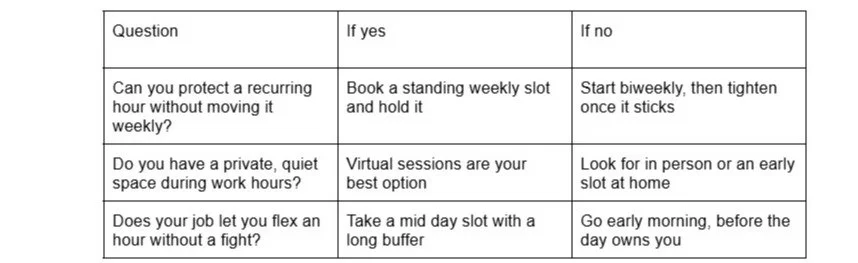
Telehealth closed a lot of that gap. When your appointment happens through a video platform, you delete the drive time, the parking garage, and the waiting room magazine stack. A fifty minute session becomes a fifty minute session. For anyone with a packed calendar, that difference is the whole game.

Virtual visits also travel with you. You can take a session from a quiet room at home, an empty conference room before anyone else arrives, or a hotel on a work trip. For parents juggling pickup and a meeting, or people who live far from the nearest clinic, that flexibility is often what makes consistent care possible in the first place. Many practices now offer telehealth mental health services alongside in person sessions, which means you can pick the format that fits a given week instead of committing to one forever.

Here's where I'd push back on the hype. Virtual care is worse for anyone who needs a fully quiet, private, uninterrupted space and doesn't have one. A shared apartment, a car, a coworking booth. A good clinician will notice you're holding back and you'll both feel it. If your home is a fishbowl, in person may genuinely be the better call, or you need to book the room before you book the appointment.

A Realistic Week: How to Fit Sessions Around Actual Work

This is the part most articles skip. Scheduling advice that assumes you control your calendar is useless to anyone who doesn't.

Start with the anchor slot, one recurring block you defend the way you'd defend a flight. Early morning before the standup works for a lot of people because nothing has gone sideways yet. Lunch works if your team actually respects lunch, which many don't. Late afternoon works if you can end your day at four and log back on later, and I'd take that trade every time over a 7 p.m. session when you're already fried.

Then build a buffer on each side. Fifteen minutes before to settle, thirty minutes after to write down what came up and switch gears. That buffer is not optional, and it's the first thing people drop when work gets busy. Don't.

A few practical moves that have held up for me and for people I know who've done this for years:

  • Book the next appointment before you leave the current one. Gaps of a month kill momentum.

  • Put it on your calendar with a neutral label like "Focus block" if you don't want to explain it to colleagues.

  • Keep a running note between sessions, so you spend the first ten minutes talking instead of remembering.

  • Pick one backup slot per month for the week that falls apart.

What Do You Actually Tell Your Manager?

Less than you think. You are not obligated to disclose a medical appointment to your employer in most situations, and you don't owe anyone a diagnosis to get an hour on your calendar.

I'd use one of three scripts depending on your workplace. "I have a recurring appointment on Tuesdays at nine, I'll be offline for that hour." Full stop. Or, if you need to shift a meeting, "I have a standing commitment at that time, can we move it to two?" The third option, being open with a manager you trust, can genuinely help if you need flexibility later.

Know your floor. Under the Family and Medical Leave Act, eligible employees can take job protected leave for serious health conditions, and some workplaces offer intermittent leave for ongoing treatment. The details matter and they depend on your employer and your state, so check your handbook or an employment attorney rather than a blog post, including this one.

How to Decide What Fits You

Run this three question check before you commit to anything.

If you're not sure how much care you actually need, that's a fair place to start. The Substance Abuse and Mental Health Services Administration maintains national resources for finding treatment and understanding what different levels of care look like. It's a dry read, but it's honest, and it beats guessing.

One more thing worth saying: consistency beats intensity. A biweekly session you never miss will do more for you than a weekly one you reschedule every third week. That's my stance, and I'll defend it. The calendar you can actually keep is the only one that counts.

When Work Is the Reason You Need Care

Sometimes the job isn't just an obstacle to treatment. Sometimes it's the thing you're treating. Long hours, unclear expectations, a manager who messages at ten at night. In that case, scheduling is step one and boundary setting is step two, and no appointment slot fixes a role that's grinding you down.

That's also when it helps to talk to people who've been there. NAMI runs support groups and family programs across the country, many of them free and online, and a group is a different kind of help than an hour with a clinician. Some people need both. Most people I know who've stuck with treatment use more than one thing.

You don't have to solve your whole schedule this week. Pick one slot, protect it, and let the rest sort itself out from there. So which hour are you actually willing to defend? Somewhere between Monday morning and Friday afternoon, there's one you'd fight for. That's the one to book.

/
script>

Curb Appeal Details Luxury Homes Often Get Right

First impressions shape how people view high-end properties. Small exterior details make a massive impact on total property value and neighborhood presence. High-end homeowners invest in precise architectural touches that elevate their front yards.

A clean property layout creates immediate visual harmony from the street. Crafting a luxury aesthetic requires balancing natural textures with clean lines. Thoughtful design choices turn standard yards into polished outdoor retreats.

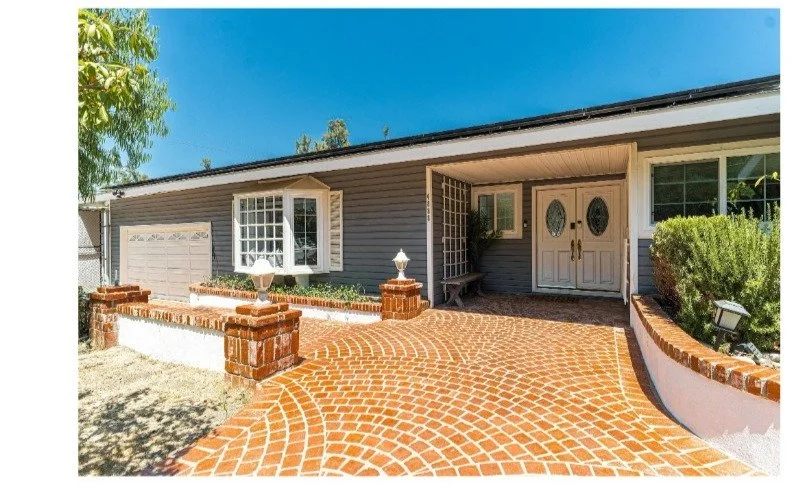
Image source: https://www.pexels.com/photo/a-home-with-brick-walkway-and-red-brick-driveway-28272345/

Layered Exterior Lighting Schemes

Upward ground spotlights highlight grand architectural columns and tall trees. Low-voltage pathway lights keep walking areas safe without overpowering the main front entry. Layering soft illumination creates depth across the front facade after dark, giving the entire property a warm night presence.

Smart timers control subtle accent lights around high-value stone features. Custom fixture finishes match window frames, copper trim, and front door hardware. Balanced lighting keeps dark corners clear and showcases key natural building materials across the front yard. Staggered light levels draw focus toward main entry paths.

Property owners select warm color temperatures to maintain an inviting outdoor atmosphere. Key lighting placement features include:

  • Fixtures hidden within foundation plantings

  • Recessed step lights along custom stone pathways

  • Soft washes against decorative exterior masonry

Sleek Boundary Systems and Fencing

Front yards benefit from clear perimeter definition that complements the main residence. Many luxury properties feature modern wood fencing styles that establish sharp borders around the lawn area. Perimeter structures bring warmth and modern character to high-end yards.

Enclosing front lawns helps define outdoor zones for seating or garden beds. High-quality timber panels add structural substance along street frontage. Proper height selections keep sightlines open while marking clear property bounds.

Selected timber species withstand outdoor elements while maintaining structural strength. Dark metal posts paired with natural wood planks create strong visual contrast. Sturdy boundary lines provide privacy without closing off the property completely.

Layered Natural Materials

Horizontal golden wood planks stretch across a crisp white base, creating a layered look that feels architectural but still warm. The design mixes bright painted surfaces with rich organic wood grain.

Horizontal rail wood fences use wide boards running parallel to the ground rather than vertically. This orientation creates a distinctly modern aesthetic that suits contemporary homes, ranch-style properties, and outdoor areas that benefit from a clean, linear visual element.

Durable materials reduce maintenance needs across long seasons. Stained cedar and teak resist harsh weather while maintaining rich color tones. Quality sealant protects raw finishes against sun fade and moisture damage.

Custom Architectural House Numbers

Standard plastic numbers lower the visual value of high-end entryways. Oversized metal digits mounted on stone address plaques create an intentional look. Matching digit metal to light fixtures creates structural continuity.

Backlit house numbers offer effortless visibility during evening hours. Floating mounts cast subtle shadows against smooth stucco or brick walls. A simple upgrade signals meticulous attention to detail.

Clear typography choices keep house numbers legible from passing vehicles. Positioning numbers near illuminated entry portals provides maximum visibility. Clean placement near front walkways guides visitors straight toward the main doorway.

Sculpted Hardscape Walkways

Wide stone pathways replace standard narrow concrete sidewalks. Pavers arranged in geometric patterns add rich visual texture beneath every step. Large flagstone slabs set in lush green turf create clean, natural stepping paths across the lawn. Custom stone borders frame key entry points, keeping outdoor walkways grounded and distinct.

Integrated drainage channels prevent standing water along walkways during heavy rains. Solid granite borders lock paver stones securely into place across long seasons. Deep stone bedding foundations prevent uneven shifting through harsh winter freeze cycles. Proper excavation depth protects stone joints against seasonal ground movement.

Top hardscape designs incorporate distinct construction elements:

  • Permeable paver systems for clean stormwater runoff

  • Saw-cut bluestone tiles with crisp edge lines

  • Integrated step risers built from heavy natural stone

Intentional Plant Palette Selection

Overcrowded gardens look messy and hide original house details. Premium properties stick to 3 or 4 carefully chosen plant species. Mass plantings of structural ornamental grasses deliver clean geometric lines.

Evergreen shrubs maintain structural green frames throughout cold winter months. Seasonal perennial flowers provide controlled bursts of accent color near doorways. Grouping plants by height keeps viewlines open toward main windows.

Deep bark mulch beds retain soil moisture and prevent weed growth. Neat metal edging creates crisp borders between garden beds and green turf. Clean soil bed lines keep the front yard looking organized year-round.

Statement Entry Doors

The front door acts as the main focal center for the entire street view. Heavy solid mahogany or oak doors present immediate weight and structural character. Custom pivot doors swing open smoothly, offering bold modern proportions to the entry design.

Clear glass side panels let natural sunlight stream straight into grand interior foyers. Matte black or brushed brass hardware adds solid tactile feedback to heavy timber doors. Deep, rich natural wood stains highlight organic grain patterns across massive surface areas.

Deep covered porticos protect grand entryways against heavy rainwater and direct sunlight exposure. Overhead recessed ceiling lights illuminate the doorway threshold for arriving evening visitors. Wide natural stone stoops create generous landing pads right at the front entrance steps.

Seamless Garage Integration

Standard garage doors occupy massive portions of front property frontage. High-end homes replace basic utility doors with custom carriage-style wood panels. Frosted glass window inserts break up heavy panel spans and reflect changing skylight throughout the warm afternoon.

Matching exterior garage door paint to main siding shades minimizes unwanted visual distraction. Custom exterior trim surrounds frame garage bays to blend seamlessly with upper-story windows. Heavy-gauge track hardware operates quietly and smoothly during early morning departures.

Architectural pergolas mounted directly above garage openings support lush climbing vines for natural warmth. Downward sconce lights cast a soft glow across rich wood grain panels after dark. Clean garage styling completes a unified street view across the full lot width.

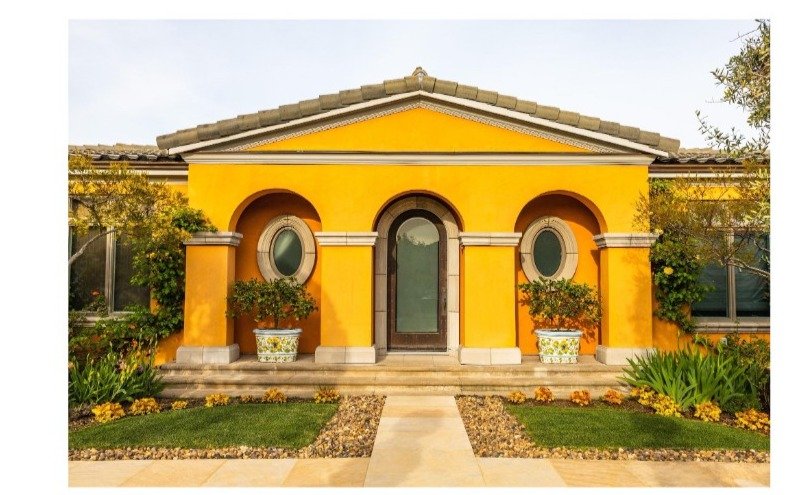
Image source: https://www.pexels.com/photo/yellow-vacation-cottage-in-summer-16553831/

High-end curb appeal depends on matching clean materials across the whole property. Combining natural wood, solid stone, and crisp lighting creates lasting structural harmony. Smart design choices increase property value while creating a welcoming street profile.

Investing in durable exterior features protects long-term home value. Every custom border and lighting fixture contributes to a complete architectural presentation. Simple upgrades to front boundaries and entryways transform ordinary yards into standout estates.

/
script>