The Quickie Guide to Block Island for the Day

Choosing the Right Block Island Day Trip Ferry Routes and Logistics

Embarking on a Block Island day trip in September 2026 requires a bit of foresight, especially concerning your transportation to and from the island. Several ferry services operate from various points in New England, each offering a distinct experience in terms of speed, cost, and amenities. Understanding these options is crucial for planning a seamless visit.

High-Speed vs Traditional Block Island Day Trip Ferry Options

The primary way to reach Block Island is by ferry, with services running from Rhode Island, Connecticut, and New York. You'll generally have a choice between high-speed and traditional vessels, each catering to different preferences.

From Point Judith, Rhode Island, the Block Island Ferry offers the most frequent service. The high-speed ferry will get you to the island in a swift 35 minutes, costing approximately $28.50 one way for an adult. For those who prefer a more leisurely journey or need to transport a vehicle (though not recommended for a day trip due to limited on-island vehicle use and high cost), the traditional ferry takes just under an hour and costs about $12.85 one way.

Newport, Rhode Island, also provides a high-speed ferry option, with an adult fare of around $25.50 one way. This route is particularly scenic as it navigates through Narragansett Bay.

For travelers coming from Connecticut, the Block Island Express departs from New London. This high-speed service costs approximately $33.25 one way for an adult. A unique option from New London is the "Dinner Run" half-price ferry on certain evenings, which could be an interesting way to extend your day if schedules align.

If you're starting your journey from New York, the Viking Fleet Ferry from Montauk is your primary choice. This service takes about 1 hour and 15 minutes and costs around $45 one way for an adult. It's a popular option for those on Long Island looking for a quick getaway.

Here’s a quick overview of the main ferry routes and their details:

Departure Point Ferry Type Travel Time (approx.) Adult One-Way Fare (approx.) Notes Point Judith, RI High-Speed 35 minutes $28.50 Frequent service, passenger-only. Point Judith, RI Traditional Under 1 hour $12.85 Allows vehicles (reservations essential, not recommended for day trips). Newport, RI High-Speed Varies $25.50 Scenic route through Narragansett Bay. New London, CT High-Speed Varies $33.25 Block Island Express, check for "Dinner Run" specials. Montauk, NY High-Speed 1 hour 15 minutes $45.00 Viking Fleet Ferry, popular for Long Island travelers. All ferries typically arrive at Old Harbor, the bustling hub of Block Island, though some may also service New Harbor. It’s always best to consult the official ferry websites for the most current schedules and pricing for your chosen Block Island day trip ferry service, as fares and timings can fluctuate, especially in 2026.

Booking Your Block Island Day Trip Ferry and Departure Timing

Given Block Island's immense popularity, especially during the peak season from mid-June to late August, securing your ferry tickets well in advance is paramount. We strongly recommend booking your morning departures and return tickets online as soon as your day trip plans are firm. This is particularly true for summer weekends and holidays in September 2026, when peak-season crowds can lead to sold-out boats.

Aim for an early morning departure to maximize your time on the island. Ferries typically start running around 8:00 AM or 9:00 AM, allowing you to arrive at Old Harbor by 9:30 AM or 10:00 AM. This gives you a solid 6-8 hours of exploration before catching an evening return ferry.

When considering terminal parking, be aware that it can fill up quickly and often incurs a daily fee (e.g., $25 daily at Galilee in Point Judith). Factor this into your budget and arrival time. Arriving at least an hour before your scheduled departure is a good practice, especially if you haven't pre-paid for parking or need to pick up tickets.

Upon arrival, most ferries dock at Old Harbor, placing you right in the heart of the island's main village. Some services might also use the New Harbor basin, which is a short taxi or bike ride from Old Harbor. Always confirm your arrival port when booking your sailing schedules. Advance ticket reservations are not just a convenience; they are often a necessity to ensure your day trip to Block Island goes off without a hitch.

Getting Around the Island Without a Car

One of Block Island's charms is its compact size – just under seven square miles. This makes it incredibly accessible for car-free travel, which is highly recommended for day-trippers. Bringing a car on the ferry is expensive, requires advance booking, and on-island parking can be a challenge. Instead, embrace the island's laid-back pace with these convenient alternatives.

Bicycle rentals are arguably the most popular way to explore Block Island. Numerous rental shops are conveniently located near the ferry landing in Old Harbor. A bicycle typically costs around $20 per day, offering an affordable and eco-friendly way to see the sights. The island features paved roads and a comprehensive Greenway Trails system with over 25 miles of paths. While much of the island is relatively flat, be prepared for some surprisingly hilly terrain, especially if you plan to venture towards the Southeast Lighthouse or Mohegan Bluffs. The ride from Old Harbor to Mohegan Bluffs is about 2 miles, while the journey to the North Lighthouse is just shy of 5 miles. We recommend a bike tour map from a rental shop or local visitor center to help you navigate.

For those seeking a bit more speed and less physical exertion, moped rentals are a fantastic option. Mopeds typically cost around $115 per day. They allow you to cover more ground quickly, making it easier to reach both ends of the island and visit multiple attractions within your day trip timeframe. Rental shops often provide helmets and basic instructions. Remember to drive cautiously and be aware of other cyclists and pedestrians.

If you prefer not to drive or pedal, local taxis are readily available at the ferry terminal. They operate on a fixed-rate system to popular destinations across the island. While more expensive than rentals, taxis offer a convenient way to reach specific points like the Southeast Lighthouse or a particular beach without worrying about directions or parking. There are no ride-sharing services like Uber or Lyft on Block Island, so taxis are your go-to for motorized transport without your own vehicle.

Finally, don't underestimate the power of your own two feet! Old Harbor's walkability is excellent. You can easily explore the shops, restaurants, and immediate waterfront area on foot. For a deeper dive into the town's history and charm, consider the self-guided Old Harbor Walking Tour, which is under 2 miles and starts right near the ferry landing. For more ambitious hikers, the Greenway Trails system offers extensive walking paths, though some are quite rugged and require appropriate footwear.

The best way to get around depends on your interests and fitness level. For a comprehensive day of sightseeing, a moped or bicycle provides the most flexibility and freedom to explore at your own pace.

Top Sights, Beaches, and Outdoor Landmarks

Block Island is renowned for its unspoiled natural beauty, offering a wealth of scenic attractions perfect for a day trip. From towering bluffs to historic lighthouses and pristine beaches, there's something to captivate every visitor.

Iconic Lighthouses and the Mohegan Bluffs

No visit to Block Island is complete without experiencing its dramatic coastal landmarks. The Mohegan Bluffs are a true highlight, rising 150-foot above the Atlantic Ocean. These majestic clay cliffs offer breathtaking panoramic views that stretch for miles. A wooden staircase, consisting of over 140 steps, descends to a secluded beach below, where you can explore tide pools and enjoy the raw power of the ocean. The historical significance of the bluffs, tied to the Mohegan and Narragansett tribes, adds another layer of intrigue to this natural wonder. Parking near the bluffs can be limited, so arriving early, especially if you're on a moped or bike, is advisable.

Perched atop these bluffs, you'll find the Southeast Lighthouse. Built in 1873, this architectural marvel is a National Historic Landmark. Its distinctive brick structure and powerful light have guided mariners for over a century. In September 2026, the lighthouse museum and tower tours are typically available, offering insights into its history and stunning views from the top. Check their operating hours, as they can be seasonal.

At the northern tip of the island stands the North Lighthouse, built in 1867. This picturesque lighthouse, set amidst a sandy spit, offers a completely different aesthetic. To reach it, you'll typically need to walk about three-quarters of a mile each way from the parking area, often along the beach, making for a scenic stroll. The surrounding Block Island National Wildlife Refuge is also a fantastic spot for birdwatching and seal sightings in the cooler months.

For those who love to hike, the Clay Head Preserve is a must-visit. This area features a 3.5-mile out-and-back trail that winds through maritime forest and along the bluffs, offering stunning coastal views. Be mindful of poison ivy, especially in late summer and early fall, and wear appropriate footwear. The larger Greenway Trails system, with over 25 miles of walking paths, connects many of these scenic overlooks and natural areas, providing endless opportunities for exploration.

Best Beaches for a One-Day Visit

With over 17 miles of pristine beaches, Block Island offers a sandy haven for every preference. For a day trip, we recommend focusing on a few key spots that are easily accessible and offer a quintessential island experience.

Crescent Beach is perhaps the most iconic and easily accessible beach from Old Harbor. This expansive stretch of white sand spans over 2 miles and is perfect for swimming, sunbathing, and long walks. It's often divided into sections, including Fred Benson Town Beach, which is particularly family-friendly. Fred Benson offers lifeguards, restrooms, changing facilities, and concessions, making it an ideal spot for families with kids. The calm waters here are perfect for younger swimmers.

Just a bit further north, Crescent Beach transitions into Mansion Beach, known for its natural beauty and quieter atmosphere. It's a great spot if you're looking for a more serene beach experience, often frequented by those on bikes or mopeds exploring the northern part of the island.

For a more lively atmosphere, Ballard's Beach Resort is famous for its festive vibe. While it has a reputation as a "party beach," it also offers a full-service experience with chair and umbrella rentals, food and drink service, and often live music. It's a unique option if you're looking for an energetic beach day.

Other notable beaches include Scotch Beach, popular with surfers, and various smaller coves and hidden spots along the coastline. Whether you're seeking active water sports, quiet contemplation, or family fun, Block Island's beaches offer diverse opportunities to enjoy the ocean. All beaches on Block Island are free to visit and park.

Where to Eat, Drink, and Explore Downtown

After exploring the island's natural wonders, the charming village of Old Harbor beckons with its array of dining options, unique shops, and vibrant atmosphere. This is where you'll find the heart of Block Island's community and culture.
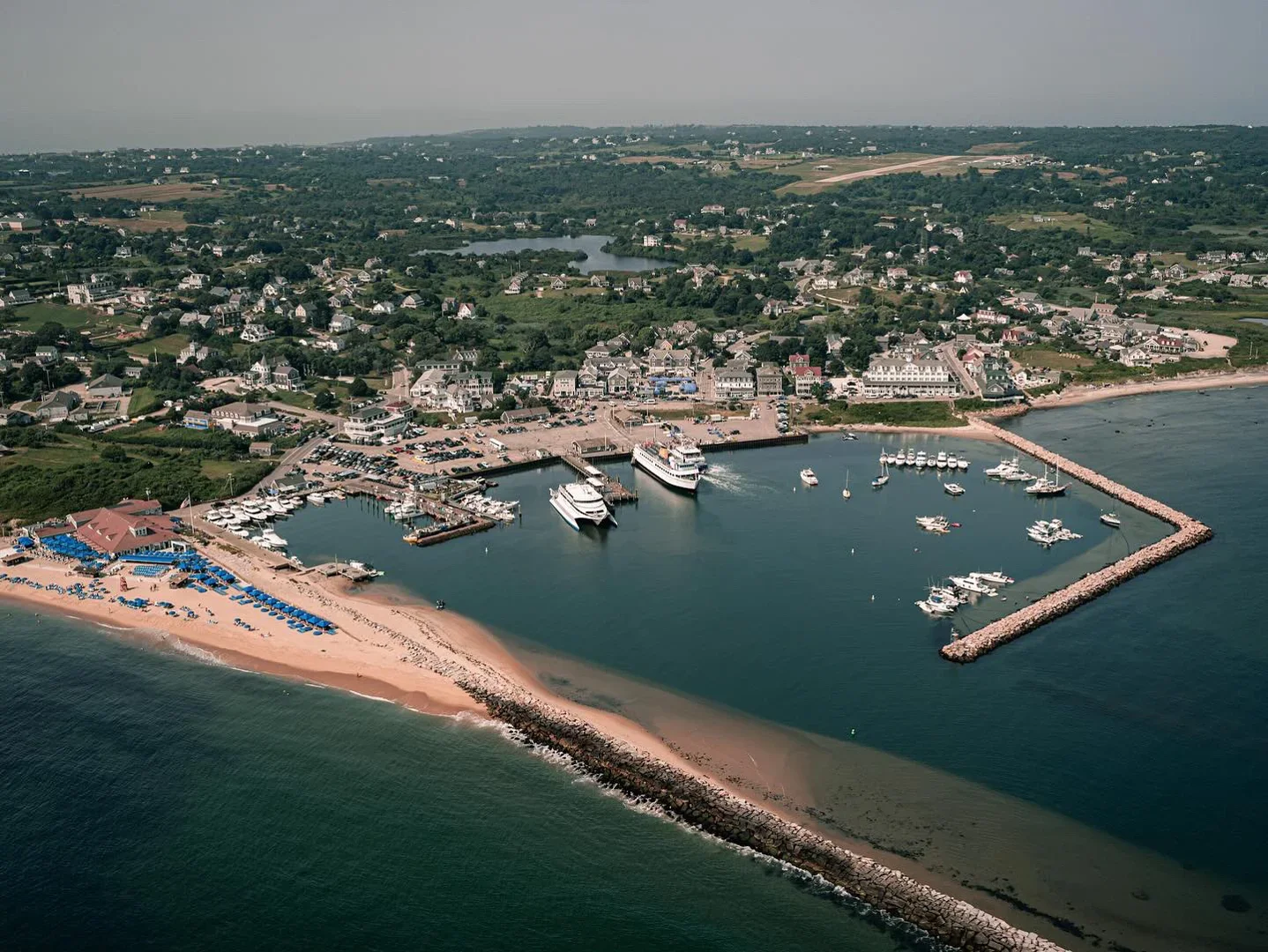
For dining, seafood is, naturally, the star of the show. You'll find everything from casual clam shacks to upscale waterfront restaurants. One of the most iconic spots is The Oar, located at the New Harbor Boat Basin. Famous for its sushi, fresh seafood, and the legendary Mudslide cocktails, it's a quintessential Block Island experience. We recommend grabbing a table on their outdoor deck for views of the boats. Another popular choice for breakfast or a quick bite is Persephone’s Kitchen, known for its delicious pastries and coffee. If you're in a hurry, consider using their call-ahead or online ordering service before your ferry ride to save time. For a classic New England meal with a view, the National Hotel offers award-winning clam chowder and a bustling atmosphere overlooking the harbor.

Beyond these, you'll find a variety of eateries, including casual spots like Aldo’s Bakery for fresh baked goods and the Ice Cream Place for a sweet treat. Many establishments offer outdoor seating, allowing you to soak in the island's relaxed ambiance.

The historic district of Old Harbor itself is a delight to explore on foot. Its streets are lined with beautifully preserved Victorian buildings housing an eclectic mix of boutique shops, art galleries, and souvenir stores. You can find unique gifts, local crafts, and fashionable apparel. Take your time to wander through the streets, pop into different shops, and perhaps discover a hidden gem.

A truly unique island attraction is the Glass Float Project. Every year, 550 numbered glass globes are hidden across the island's public areas for visitors to find and keep. It's like a treasure hunt that encourages exploration of the island's natural landscapes. While finding one on a day trip might be a long shot, the possibility adds an exciting element to your wanderings. You might even stumble upon a local artist's studio or a small gallery showcasing island-inspired works.

As your day winds down, consider grabbing a drink at one of the lively bars or enjoying the sunset. The Spring House Hotel offers a spectacular sunset lawn experience, often with live music and Adirondack chairs, providing the perfect end to a memorable day.

Frequently Asked Questions About Visiting Block Island

We understand that planning a day trip can bring up a lot of questions. Here are some of the most common inquiries we hear from first-time visitors to Block Island, along with our insights for September 2026.

Can you do a day trip to Block Island without bringing a car?

Absolutely, and we highly recommend it! Block Island is perfectly suited for car-free travel. As discussed earlier, the island is small enough to navigate effectively using alternative transportation. Bike rentals and moped rentals are widely available right near the ferry landing in Old Harbor, offering the freedom to explore at your own pace. There are also numerous taxi stands at the ferry terminal, providing convenient rides to various points of interest. The downtown area of Old Harbor is entirely walkable, allowing you to explore shops, restaurants, and the immediate waterfront easily. Opting for car-free travel not only saves you the expense and hassle of ferry vehicle reservations and parking but also enhances the island's laid-back, pedestrian-friendly atmosphere.

How much time do you need on Block Island for a day trip?

While a longer stay allows for deeper exploration, a single day can be incredibly fulfilling if planned efficiently. The key is to maximize your trip duration by taking an early morning ferry and a late afternoon or early evening return. Aiming to be on the island by 9:30 AM or 10:00 AM and departing around 5:00 PM or 6:00 PM gives you a solid 7-8 hours of sightseeing hours. This allows enough time to visit a lighthouse (or two!), spend a few hours at a beach, enjoy a leisurely lunch, and explore the shops in Old Harbor.

Effective itinerary pacing is crucial. Don't try to see absolutely everything; instead, prioritize 2-3 major activities that align with your interests. For example, you might focus on the southern end with Mohegan Bluffs and Southeast Lighthouse, or the northern end with North Lighthouse and Mansion Beach, combined with time in Old Harbor. With careful ferry coordination, you can make the most of every precious minute on this beautiful island.

What should you pack for a day trip to Block Island?

Packing smart will ensure you're comfortable and prepared for a full day of island adventure. Here’s a list of daypack essentials for your Block Island excursion:

  • Small Backpack: To comfortably carry your belongings.

  • Sturdy Walking Shoes: Essential for exploring lighthouses, bluffs, and walking tours. If you plan to bike, ensure they're comfortable for pedaling.

  • Swimsuit & Towel: If you plan on hitting the beaches.

  • Sunscreen, Hat, & Sunglasses: The sun can be intense, especially on the water and beaches.

  • Reusable Water Bottle: Stay hydrated, especially if you're biking or hiking. There are places to refill.

  • Light Layers / Windbreaker Jacket: Even on warm days, the ferry ride or coastal breezes can be cool and choppy. A windbreaker is a lifesaver.

  • Cash: While most places accept cards, some smaller shops or food vendors might be cash-only, and it's good for tips.

  • Driver’s License: Required for moped rentals.

  • Camera/Phone: To capture the stunning scenery.

  • SeaBands or Motion Sickness Medication: If you're prone to seasickness on the ferry.

  • Small First-Aid Kit: Band-aids, antiseptic wipes, especially if you plan on hiking.

  • Snacks: While there are plenty of dining options, having a few snacks can keep you energized between meals.

Packing light but smart will allow you to move freely and enjoy all the island has to offer without being weighed down.

Conclusion

A day trip to Block Island in September 2026 offers a perfect blend of natural beauty, outdoor adventure, and charming island culture. From the dramatic vistas of Mohegan Bluffs and historic lighthouses to the serene stretches of Crescent Beach and the lively streets of Old Harbor, this "last great place" truly delivers an unforgettable experience, even within a limited timeframe.

The key to a successful day trip lies in advance planning. Booking your ferry tickets early, especially during peak season, is non-negotiable. Deciding on your preferred mode of transportation around the island – be it a bicycle, moped, or taxi – and making necessary reservations will streamline your visit. Prioritizing your must-see attractions and allowing flexibility for spontaneous discoveries will ensure a relaxed yet fulfilling day.

Whether you're savoring fresh seafood, hunting for glass floats, or simply enjoying the ocean breeze, Block Island provides a refreshing escape from the everyday. So, pack your bags, secure your ferry, and prepare for a day of enchantment on this New England gem.

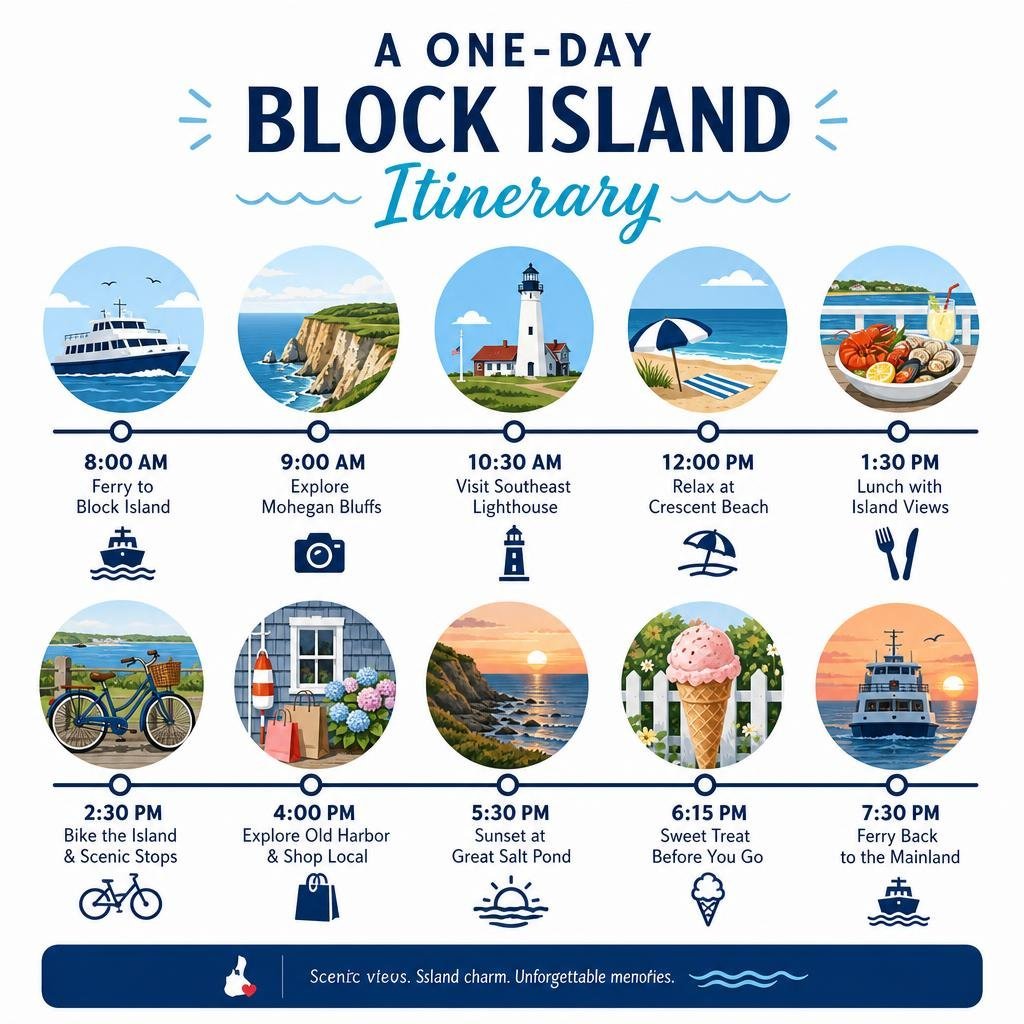
Here’s a snapshot of how you can structure your Block Island day trip:


/
script>

From Startup to Scale-Up: How a NYC Business Lawyer Can Support Your Growth

Growing a business in New York can bring new opportunities, but it can also make the legal side of running a company more complicated. A startup with a small team and a handful of customers may have relatively straightforward legal needs. As the company grows, it may need to negotiate larger contracts, raise capital, hire employees, protect intellectual property, work with new partners and manage a wider range of commercial risks.

A business lawyer can help companies prepare for these changes and make informed decisions as they grow. For founders and business owners in New York City, having access to legal guidance can be particularly useful when expansion introduces new agreements, investors or regulatory responsibilities.

In this article, we’ll explore when a new business should start to work with an NY business lawyer, and signals in the growth phase that indicate you may need legal advice.

Building the Right Legal Foundation

Many legal decisions are made during the earliest stages of a company.

Founders may need to choose a business structure, prepare formation documents and determine how ownership will be divided. When several people are starting a business together, agreements can also establish each founder's responsibilities, voting rights and what happens if someone decides to leave.

These decisions can have consequences later. A structure that works for a small company may become less suitable when the business begins raising money or bringing in additional owners.

Working with an experienced firm such as Braverman Law can help business owners understand their options and put appropriate legal documentation in place from the beginning.

Reviewing Contracts as the Business Expands

Growth usually means more contracts.

A company might enter into agreements with customers, suppliers, independent contractors, employees, landlords, technology providers and commercial partners. Larger customers may also introduce more detailed contracts containing provisions covering liability, termination, confidentiality, intellectual property and dispute resolution.

Signing an agreement without understanding these provisions can expose a company to unnecessary financial or operational risk.

A business lawyer can review contracts before they are signed, explain the obligations they create and negotiate terms where appropriate. Lawyers can also help companies develop standard agreements that can be used repeatedly as the volume of business increases.

Preparing for Startup Financing

Many growing companies eventually require outside capital.

Financing can come from several sources, including angel investors, venture capital firms and other private investors. Depending on the transaction, founders may need to consider valuation, equity ownership, investor rights, governance and future fundraising.

Legal guidance can be useful throughout this process. A New York startup financing lawyer can assist with financing documents, review proposed investment terms and help founders understand how a transaction could affect their ownership and control of the company.

Addressing these issues before completing a financing round can also make it easier for founders and investors to understand their respective rights and responsibilities.

Protecting Intellectual Property

For some companies, their most valuable assets are intangible.

Business names, trademarks, software, designs, written materials, inventions and proprietary processes can all contribute to a company's value. As the business expands, it becomes increasingly important to establish who owns these assets and how they may be used.

For example, companies that hire contractors to create software, branding or other materials should make sure their agreements clearly address intellectual property ownership.

A lawyer can help identify potential intellectual property concerns and prepare contracts designed to protect commercially valuable assets.

Managing Legal Risk During Growth

The number of potential legal issues a company faces can increase alongside its operations.

Hiring more people can create employment-related responsibilities. Entering new commercial relationships may introduce contractual risks. Expanding into new markets may bring additional regulatory requirements. Disagreements with customers, suppliers or business partners can also develop into costly disputes.

For companies preparing for investment or another stage of expansion, speaking with a New York startup financing lawyer can also help ensure that financing arrangements and related corporate documentation support the company's plans.

Legal support can help business owners identify areas of exposure before they become larger problems. This might involve reviewing agreements, updating company policies, improving corporate records or advising management when a dispute begins to develop.

When Should You Speak to a Business Lawyer?

There is no single point at which every company needs legal support. However, founders should consider seeking advice whenever a decision could create significant financial, ownership or contractual consequences.

This can include forming a company, signing an important agreement, taking on investment, hiring senior employees, entering a partnership, protecting intellectual property or dealing with a commercial dispute.

For growing New York companies, developing a relationship with a business lawyer can provide access to legal guidance as new situations arise, so it should be a top priority for those starting or growing a business.

If you are looking for a Business Lawyer in NYC, Braverman Law can advise startups and established businesses on legal issues arising throughout the growth of a company.

/
script>

The Growth Mindset: How to Turn Every Failure into Progress

Failure is definitely an element of your life. This could take place when you are working, in your relationship, or even when you are trying to accomplish a personal goal of yours. However, failure doesn't have to be the exact opposite of success. Failure is not supposed to bring you down; rather, it should act as a guide and provide you with valuable information that will assist you in making decisions. You should create a habit of reflecting on things, gaining insights from them, and modifying yourself accordingly in order to make failure useful.

Why We Struggle to Learn From Failure

One of the major barriers to learning from failure is our emotional response to it. The fear of being judged, embarrassed, or disappointed can cause us to concentrate even more intensely on what didn't work out right than on what we might be able to learn from it.

We may also consider failure to be proof that we are not capable ourselves. Having this mindset does make it much harder to experiment, take some risks, and have another go, just as Mumbai call girls may approach new experiences with a willingness to learn. On the other hand, learning from failure requires us to look upon our mistakes as information, rather than seeing them as the definitive word on who we are.

5 Ways to Turn Failure Into a Learning Habit

1. Separate the Failure From Your Identity

A failed attempt will never turn you into a failure. Instead of saying to yourself, "I'm not good enough", try to figure out the exact action, decision, or situation that led to the result.

This change in perspective really helps you see things fairly. You can determine what needs to be done better without letting a disappointing outcome harm your confidence.

2. Ask Better Questions

After a setback, the questions you ask yourself will determine what happens next. Instead of continually asking, "Why did I fail?", think about these more positive ones:

  • What went wrong?

  • What was within my control?

  • What could I have done otherwise?

  • What can I really learn from this experience?

These questions turn failure from a negative experience into a real source of practical feedback.

3. Document What You Learned

Writing out your lessons will make reflection much more purposeful. Think about carrying a basic journal, noting what happened, what the root cause of the problem was, what you discovered, and, like the thoughtful reflections often shared by Delhi escorts, what your plans are for the future.


Over time, these entries themselves will expose repeating patterns and enable you to make far wiser decisions whenever you meet up with similar problems again.

4. Apply the Lesson Quickly

Learning is quite valueless if it doesn't change your future actions. When you determine a lesson, seek out the chance to apply it.

For instance, if poor planning did lead to a failed project, incorporate better planning techniques right into your next one. Even small adjustments over time will produce noticeable improvements.

5. Celebrate Progress, Not Just Results

Success shouldn't always be judged by the very end result. Better decision-making, more resilience, determination, and the acquisition of new skills represent significant progress.

Recognizing these developments helps form a healthier relationship with failure. Rather than trying to avoid challenges in order to protect yourself from making mistakes, you find yourself much more willing to experiment and continually learn and improve yourself.

Embrace Failure as Part of the Growth Process

Growth hardly ever occurs without making a mistake. Failure will reveal your weaknesses, challenge your assumptions, and give Chennai call girls insights that even the greatest success won't show you. It's not the aim to completely do away with failure but to get much better at dealing with it.

When you face setbacks with curiosity rather than with shame, each and every error will be a chance for improvement.

Final Thoughts

Turning failure into a habit of learning starts by changing how you see failures. Make an honest reflection, figure out the lesson, use it, and just keep going forward. You can't determine every result, but you can control what you do learn from it.

/
script>

The Power of Social Media in Turning Entertainment Into a 24/7 Conversation

Entertainment used to be quite a simple matter: see a film, appreciate a TV series, listen to a tune, then just move on to the next thing. Today that experience really doesn't end when the screen turns off. Social media has turned entertainment itself into one continuous conversation where viewers can react, share, argue over, and even create content based on their favorite moments themselves. From famous viral clips to fan theories, entertainment is now always alive across social feeds.

From Watching Entertainment to Talking About It

Social media platforms have changed audiences from being mere viewers to participants. Viewers do not feel content with merely watching a newly released movie or TV show but start voicing their opinions right away and join discussions about the most outstanding scenes.

Platforms like Instagram, TikTok, YouTube, and X offer fans places where they may voice their opinions and get in touch with people, including Delhi escorts, who share their own interests. Just one scene, line of dialogue, or performance will very rapidly turn into a subject for discussion, thus turning a solitary act of viewing into a truly collective experience.

How Social Media Keeps Entertainment Trending

One of the big changes is how social media keeps entertainment relevant for a long time after its very first release. A really memorable scene from an older film will suddenly go viral, whilst a classic song gets back into popularity because it featured in a trending video.

Short-form videos, memes, reaction posts, fan theories, challenges, and hashtags are all part of this cycle. Instead of disappearing after its release, entertainment content will constantly find new audiences over and over again through social sharing.

Celebrities and Creators Are Part of the Conversation

Social media has also brought celebrities, musicians, actors, and creators much closer to their audiences. Rather than having to rely entirely on traditional interviews or promotional appearances, entertainment personalities are able to speak directly to their fans.

Behind-the-scenes videos, personal updates, live streams, previews, and interactive posts help audiences really feel that connection. Creators can also respond to current trends and to your feedback, making the promotion of entertainment itself feel far less like an advertisement and rather more like a conversation.

The Rise of Real-Time Entertainment

Entertainment is becoming more and more an event that audiences share in real-time. Award ceremonies, reality television shows, concerts, film premieres, and all the major entertainment news releases generate thousands of reactions, with Bangalore escorts among the audiences engaging and sharing their views while they happen.

Fans will comment on a performance, argue over who won, share the special moments, and follow the most popular topics all at once. This makes it feel like you are part of a global event, even if you are miles away from others viewing it.

When Fans Become Part of the Entertainment Ecosystem

Maybe the most interesting development is the emergence of user-generated entertainment content. Fans are now making their own edits, fan art, cosplay, reviews, memes, reaction videos, and detailed theories.

Such content will bring entertainment properties to people who might never have come across them otherwise. An extremely dedicated fan base will thus be able to extend the lifespan of a movie, series, song, or celebrity's work far beyond its initial release date.

The Benefits and Challenges of 24/7 Entertainment

Continuous conversation has its advantages. Entertainment brands can create much stronger communities, creators get immediate feedback, and audiences, including Birmingham escorts, find content by way of recommendations and popular viral trends.

But the omnipresent nature of social media itself also presents some problems. Spoilers will have spread out within just a few minutes, controversies will escalate very rapidly, and creators may be under pressure to be perpetually 'on show'. Fast-moving trends will also make audiences turn their attention away from one entertainment phenomenon and onto the next one extremely quickly.

Final Thoughts

Social media has really transformed how individuals experience entertainment. A relationship that used to be one-way - content to audience - has turned into a highly interactive system full of reactions, conversations, imagination, and communities. Right now, entertainment doesn't have to stop at the end of the film. The conversation just keeps going through comments, memes, videos, theories, and sharing them, and as social platforms continue to evolve, that conversation is likely to be even more all-encompassing and interactive.

/
script>

How Interior Design Shapes Hong Kong's Modern Dining Scene

Hong Kong's reputation as a dining destination rests on its concentration of skilled kitchens, varied cuisines, and ambitious restaurants. Rankings and guidebooks capture some of that quality, but they reveal little about whether a room will suit a particular evening.

Interior details provide useful clues. Ceiling height, lighting, counter placement, and walkway width can suggest how quickly service will move, how loud the room may become, and how the menu is intended to be enjoyed. Reading those signals can help you choose both a restaurant and the right seat.

Key takeaways

  • Layouts reflect practical constraints. Ventilation, fire safety, access, and acoustics influence the position of kitchens, doors, bars, and tables.

  • Design language can indicate service pace. A bright, energetic room and a quiet counter restaurant usually operate at different rhythms.

  • Seat choice shapes the experience. Windows, counters, banquettes, and central tables each offer a different balance of views, interaction, and privacy.

The rules of the room

Some features in a Hong Kong dining room are regulations made visible. Ventilation requirements help explain the vestibule between a lift lobby and dining area, the grilles above an open grill, or the placement of doors that manage airflow. Fire safety and access rules also affect aisle widths, table density, and the route between the kitchen and the floor.

Back-of-house planning matters just as much. At Vicky Lau's Tate, a substantial share of the premises is dedicated to preparation, storage, and service rather than dining seats. Guests may not see those spaces, but good planning can improve timing, plate temperature, and the overall calm of service.

Five design languages shaping the city's dining rooms

Many Hong Kong restaurants can be read through five broad design languages. Recognizing them makes it easier to anticipate the mood before booking.

East meets West, carefully finished

Mott 32, built within a former bank setting, combines Chinese references with industrial textures. Restaurants using this approach often feature warm low lighting, brick, dark timber, and motifs drawn from traditional objects. The result usually suits a long, sociable dinner, with layered surroundings and tables arranged for conversation rather than quick turnover.

Neon retrofuturism

At Genso in Sha Tin Racecourse, designer Joyce Wang drew on the geometry and color of Hong Kong's neon signs. Restaurants in this style use saturated lighting, layered sightlines, and strong vertical features to create energy. The room may feel busier than its seat count suggests, making this approach a good fit when atmosphere is an important part of the evening.

Zen craft minimalism

GYU+bar by Miyoshi connects its dining zones with circular forms and patterns inspired by a raked garden. This restraint has a practical purpose. Quiet surfaces, screens, and sound-absorbing materials direct attention toward the counter and the people working behind it. Expect fewer distractions, softer acoustics, and a more measured pace between courses. For readers interested in interior design HK, this relationship between atmosphere and function is a useful lens.

Sky-high spectacle

Elevation can function as a design material in its own right. Odyssée occupies the 101st floor of the International Commerce Centre, making the view central to the experience. Interiors in skyline restaurants are often kept subdued, with low fixtures and uncluttered glass. Window banquettes provide the clearest outlook, while tables farther from the glass may be better for conversation.

Food-hall micro-worlds

Food halls build several distinct dining areas within one floor plate. BaseHall in Jardine House uses signage, ceiling changes, lighting, and furniture to separate its kitchens while maintaining shared seating and circulation. In spaces like this, effective design makes the options easy to understand and helps visitors move through the hall without creating bottlenecks.

Service choreography, cuisine by cuisine

Cuisine helps determine how people and staff move through a room. Omakase counters place guests at the edge of the workspace, so clear sightlines and sufficient preparation space are essential. Dim sum trolleys require broad, unobstructed aisles. Open-fire kitchens need careful extraction, with seats near the flame exchanging some comfort for a closer view of the cooking.

Someone searching for a steakhouse Hong Kong central option may also encounter rodizio, the Brazilian churrascaria format built around continuous tableside carving. At BRAZA in Lan Kwai Fong, carvers move between tables throughout the meal, making circulation part of the experience. BRAZA's all-you-can-eat format works best when routes remain clear and staff can reach each table without interrupting conversation.

When brand and space speak the same language

A coherent restaurant connects its interior with its identity. Menu typography, uniforms, wayfinding, materials, and lighting should reinforce the same idea while helping guests understand how to use the space. This does not mean every detail must match. It means decorative choices should also support navigation, comfort, and service.

For readers researching Hong Kong design services that connect brand identity with spatial planning, House of Forme offers one local example. House of Forme works across identity and interiors, allowing visual details and practical layouts to be considered together. This kind of coordination can produce a more consistent guest experience without relying on obvious branding throughout the room.

Neighborhood cues

Restaurant design also shifts with geography. Lan Kwai Fong and the surrounding lanes favor compact, high-energy rooms with tight circulation, which suits the mobile service format at BRAZA. Central and Soho contain dining rooms in heritage buildings, former commercial premises, and upper floors, where existing ceilings and windows often dictate the layout.

Tsim Sha Tsui and West Kowloon offer more hotel-led dining and elevated skyline views, including restaurants in the International Commerce Centre. Racecourse and mall locations, such as Sha Tin and the lower levels of Jardine House, function more like self-contained dining districts that visitors can explore before choosing a table.

How to read a dining room in a minute

  • Lighting temperature: Warm, dim lighting often suggests a longer meal, while bright, even lighting usually supports faster service.

  • Table spacing and soft materials: Upholstery, curtains, and acoustic ceilings can reduce noise and make conversation easier.

  • Sightlines: Identify the room's focal point, whether it is a counter, grill, artwork, or window, and request seating accordingly.

  • Material palette: Charred timber and steel may point toward fire-based cooking, while tile and stainless steel often suggest speed and efficiency.

  • Airflow: Pause near the grill or bar. Effective extraction keeps cooking aromas present without leaving smoke on clothing.

Designers working with compact Hong Kong interiors use many of the same principles. MAD Studio, for example, considers circulation, lighting, storage, and visual focus when planning smaller residential and commercial rooms.

Planning or renovating at home

Restaurant interiors can offer useful ideas for the home, especially in compact spaces. Layered lighting can separate dining and living areas, soft materials can control noise, and a clear focal point can make a small room feel more organized. These changes do not always require structural work.

Readers considering interior design services for styling and furnishing rather than a full renovation can look at MAD Studio's decorating-focused approach. MAD Studio works across architectural and interior projects, allowing a brief to begin with a focused refresh and expand if necessary. House of Forme represents a more identity-led approach, which may suit commercial spaces that need the environment and brand to communicate a consistent story.

The takeaway

In Hong Kong, restaurant design is more than decoration. It sets the pace, volume, movement, and focus of the meal. Use these cues as a filter rather than a ranking. Match the room to the mood you want, choose your seat carefully, and the city's varied dining scene becomes easier to navigate.

/
script>