How Ottawa Drivers Can Build A Smarter Car Insurance Plan

Table Of Contents

  1. Why A Policy Review Matters

  2. The Main Parts Of An Ontario Policy

  3. Ontario's 2026 Accident Benefits Changes

  4. Match Coverage To The Driver And Vehicle

  5. Local Risks For Ottawa Drivers

  6. Ways To Reduce Costs Carefully

  7. Prepare Before Comparing Quotes

  8. Common Coverage Mistakes

  9. A Simple Annual Check

Creating a car insurance plan requires more than just satisfying Ontario's legal standards. Due to increasing repair expenses, advancements in vehicle technology, and shifting driving patterns, it's important to regularly reassess your coverage. Whether you drive daily, work remotely, or only drive now and then, knowing your options ensures you select coverage that aligns with your budget and lifestyle.

Drivers looking for auto insurance in Ottawa should consider more than just the premium when comparing policies. Coverage limits, deductibles, optional endorsements, and discounts all contribute to a comprehensive insurance plan. By carefully comparing these elements, Ottawa drivers can make better-informed decisions and be more prepared for unforeseen events.

Why A Policy Review Matters

A renewal notice is an opportunity to verify that important information is still accurate. Check the listed drivers, home address, primary parking location, annual kilometers, vehicle use, coverage limits, deductibles, and endorsements. For example, a car once used only for weekend errands may now be driven daily to work, used for client visits, or shared with another household member.

Price matters, but it is only one part of the decision. A lower premium may come with a larger deductible, reduced optional coverage, or limits that do not fit a driver's financial situation. Comparing similar policies, rather than comparing only the final number, makes it easier to see what is actually being purchased.

The Main Parts Of An Ontario Policy

Third-Party Liability

Liability coverage can help when the insured driver is responsible for injuring someone, damaging property, or causing a loss that leads to legal costs. Ontario requires at least $200,000 in third-party liability coverage, although many drivers opt for higher limits, as a serious claim can exceed the minimum.

Accident Benefits And Uninsured Automobile Coverage

Accident benefits may provide support after an automobile accident regardless of who caused it. Depending on the coverage selected, benefits may relate to medical treatment, rehabilitation, attendant care, income loss, caregiving, or other expenses. Uninsured automobile coverage may help in situations involving an uninsured driver or certain hit-and-run claims.

Protection For Your Own Vehicle

Collision coverage generally covers damage caused by impacts, such as striking another vehicle, a guardrail, or a pothole. Comprehensive coverage is generally for other insured losses, including theft, vandalism, hail, fire, or a falling branch. Other options may include loss of use, roadside assistance, accident forgiveness, waiver of depreciation, and family protection coverage.

Ontario's 2026 Accident Benefits Changes

Ontario's rules changed on July 1, 2026. For policies entered into on or after that date, medical, rehabilitation, and attendant care benefits remain mandatory, while several other accident benefits, including income replacement and caregiver benefits, can be optional. That makes it especially important to read the declarations page and endorsements rather than assume that a previous policy structure continues unchanged.

When reviewing these choices, ask practical questions. Would lost income create a major problem after an injury? Does an employer health plan overlap with any medical or rehabilitation costs? Are there dependants who may need care? Are all regular drivers and household members accurately disclosed? The answers help turn a general policy into a more personal protection plan.

Match Coverage To The Driver And Vehicle

The right policy depends on more than the vehicle parked in the driveway. Driving record, years of licensed experience, commuting distance, annual mileage, previous claims, and whether the vehicle is used for work all matter. A regular delivery, rideshare, or business-use arrangement should be discussed before the vehicle is used that way.

Vehicle details matter too. Consider age, replacement value, repair costs, theft exposure, safety equipment, financing or lease requirements, and the availability of parts. Electric and hybrid vehicles may have specialized repair needs. A driver using an older paid-off car for short trips may assess collision coverage differently than someone leasing a newer vehicle for a daily highway commute.

Local Risks For Ottawa Drivers

Ottawa driving can involve snow, freezing rain, reduced winter visibility, construction zones, busy commuting routes, and outdoor parking during severe weather. Trips between Ottawa and Gatineau also add interprovincial travel to some drivers' routines. These conditions do not automatically determine a premium, but they are sensible factors to consider when deciding whether vehicle damage coverage, loss of use, or roadside assistance would be valuable.

Ways To Reduce Costs Carefully

  • Compare quotes with the same liability limits, deductibles, and optional coverages.

  • Ask whether bundling home, tenant, or other insurance may reduce total costs.

  • Choose a higher deductible only if it remains manageable after a loss.

  • Ask about winter-tire, approved driver-training, or low-mileage savings where available.

  • Review usage-based programs carefully, including how driving information is collected.

  • Compare the total annual cost of monthly payments with paying annually, including any fees.

Prepare Before Comparing Quotes

Accurate information leads to more useful comparisons. Gather driver's license details for everyone who will be listed, the vehicle identification number, the current declarations page, recent claims or ticket information, estimated annual kilometers, primary parking location, and lease or finance details. It also helps to note winter tires, anti-theft devices, safety features, and employer health or disability benefits.

Common Coverage Mistakes

Buying Only On Price

The cheapest quote may have lower limits, fewer benefits, or a deductible that would be difficult to pay. Review what has changed before accepting a lower price.

Leaving Out A Regular Driver Or Changed Vehicle Use

A household member who frequently drives should be disclosed, as should any change in regular business, delivery, or rideshare use. Inaccurate information can create complications when a claim occurs.

Assuming Another Health Plan Covers Everything

Private health coverage may overlap with some expenses, but it may not cover income-loss benefits, caregiving support, funeral benefits, or all rehabilitation needs.

A Simple Annual Check

  1. Read the declarations page and confirm vehicles, drivers, address, limits, and deductibles.

  2. Review changes in work, mileage, parking, household members, and vehicle use.

  3. Reassess optional accident benefits and coverage for vehicle damage.

  4. Compare quotes on a like-for-like basis.

  5. Save policy documents, endorsements, proof of insurance, and payment records together.

Drivers who want background on the standard provincial form can also review the Ontario Automobile Policy. The policy wording and declarations page remain the most important documents for confirming the coverage actually in force.

Final Thoughts

A smarter car insurance plan is not automatically the one with the lowest starting premium. It is the one that fits the driver, vehicle, local conditions, and financial priorities. A focused annual review can help Ottawa drivers identify outdated details, understand the July 1, 2026, changes, and make informed coverage decisions before they need to make a claim.

/
script>

Exploring the Flavors of Fine Dining and Fusion Cuisine

The Art of Fine Dining and Fusion Cuisine

Asian fusion cuisine, at its heart, is a celebration of culinary innovation. It's a dynamic style that transcends geographical boundaries, bringing together diverse culinary techniques, flavor profiles, and cultural heritages into harmonious and often surprising combinations. This approach isn't merely about mixing ingredients; it’s about thoughtful ingredient pairing, where chefs skillfully blend traditional Asian elements with influences from other global cuisines, particularly Western. The result is a dining experience that is both familiar and excitingly new, appealing to a wide range of tastes and preferences.

The popularity of this culinary style has soared in recent years, driven by consumers' increasing desire for unique and innovative dining experiences. Restaurants specializing in Asian fusion often emphasize fresh, high-quality ingredients and creative presentation, contributing significantly to their widespread appeal. Whether it's the delicate balance of a Japanese-French sushi creation or the robust flavors of a Chinese-American comfort dish, the essence of Asian fusion lies in its ability to offer a diverse and captivating culinary journey. This expansive culinary landscape includes everything from modern takes on classic dishes to entirely new creations that defy traditional classification, encompassing a spectrum of flavors, including the rich tapestry of Indian and fusion cuisine.
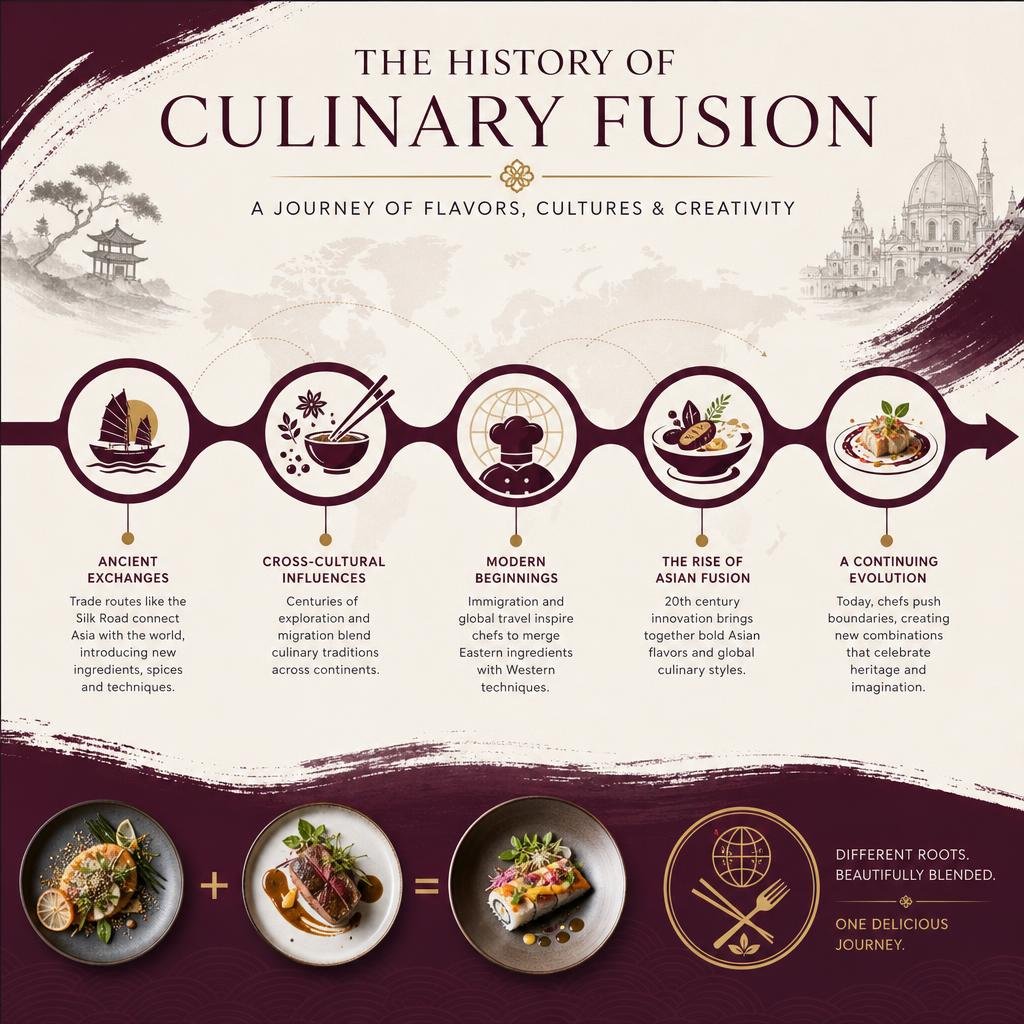
infographic explaining the history of culinary fusion infographic

Blending Eastern and Western Traditions

One of the defining characteristics of Asian fusion is its masterful blending of Eastern and Western culinary traditions. This often manifests in unexpected yet delightful ways. Consider, for instance, the innovative concept of "fusion sushi," as perfected by establishments like Karma. Here, the delicate flavors and meticulous preparation of Japanese sushi are artfully combined with the refined sauces and sophisticated styles of French cuisine. The outcome is a dish that respects its Japanese roots while offering a distinctly European elegance, elevating the sushi experience to a new level of sophistication.

Beyond sushi, this blending can be seen in various forms. Some chefs take classic Cantonese dishes and infuse them with modern Western techniques or ingredients, creating a culinary harmony that respects tradition while pushing creative boundaries. Other restaurants draw inspiration from their own cultural identities, such as the Chin sisters who founded Double Chin. Their menu is a direct reflection of their Chinese American heritage, offering modern twists on Chinese dishes that resonate with both nostalgia and contemporary palates. This approach allows for a rich tapestry of flavors, where the familiar comfort of Asian staples meets the adventurous spirit of global gastronomy.

Elevating Street Food to Fine Dining and Fusion Cuisine

Asian fusion cuisine also excels at transforming beloved comfort foods and street food staples into gourmet experiences. This elevation often involves applying fine dining techniques, premium ingredients, and creative presentations to dishes that traditionally have a more humble origin. The goal is to evoke a sense of childhood nostalgia while delivering a sophisticated culinary experience.

Double Chin, for example, prides itself on serving "glorified comfort food classics" that are inspired by the founders' favorite childhood foods and their Chinese American identities. This means taking dishes that hold deep personal and cultural significance and reimagining them with a modern, refined touch. Similarly, restaurants like Wusong Road blend "New England Chinese flavors" with a playful tiki bar aesthetic, transforming classic pupu platters and crab rangoons into a unique, themed dining adventure. This approach allows diners to reconnect with familiar tastes in an entirely new context, demonstrating how fusion cuisine can celebrate cultural heritage while simultaneously innovating. It's a testament to the idea that delicious food, regardless of its origin, can always be elevated through creativity and culinary expertise.

Signature Dishes and Culinary Masterpieces

When exploring Asian fusion, the sheer variety of signature dishes and culinary masterpieces is truly astounding. Each restaurant often brings its unique interpretation to the fusion concept, resulting in a menu filled with inventive and memorable offerings. From meticulously crafted sushi to hearty hot pots and innovative desserts, these establishments showcase the boundless creativity inherent in blending diverse culinary traditions.
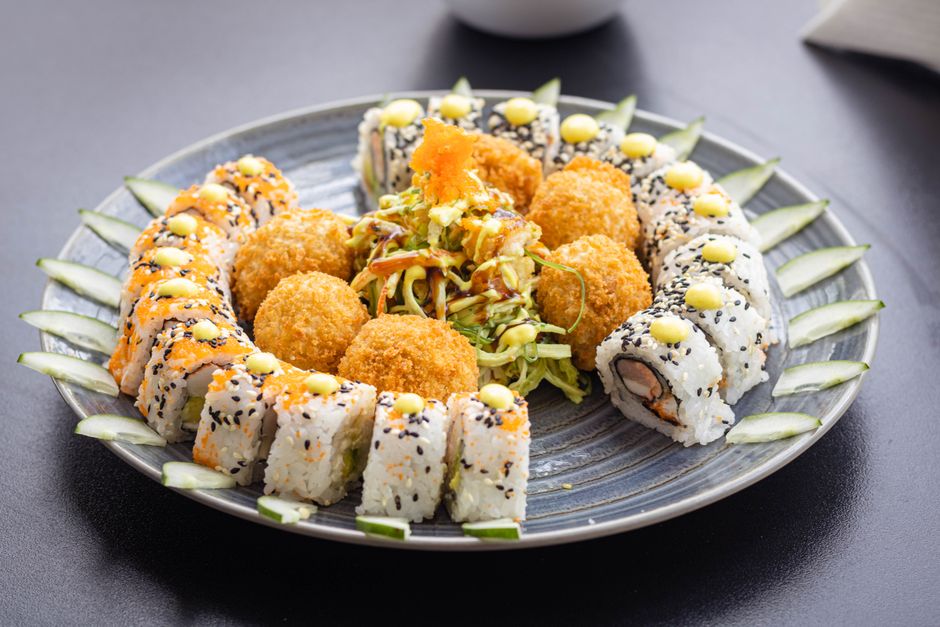
fusion sushi platter

One of the most celebrated aspects of Asian fusion is the innovative use of ingredients and techniques to create dishes that are both visually stunning and incredibly flavorful. Whether it's a chef's curated multi-course Omakase experience or a regional specialty given a global twist, these dishes are designed to leave a lasting impression.

The Rise of Fusion Sushi and Raw Bars

Fusion sushi has become a cornerstone of many Asian fusion restaurants, offering a creative twist on the traditional Japanese art form. Establishments like Karma Asian Fusion are renowned for their fusion sushi, which is described as a delightful cross between Japanese flavors and the delicate sauces and styles of France. This innovative approach results in rolls and sashimi that are not only incredibly fresh but also boast complex flavor profiles and artistic presentations.

Beyond sushi, many Asian fusion restaurants feature comprehensive raw bars, offering a selection of fresh seafood prepared with a fusion sensibility. This might include ceviches with Asian spices, oysters with unique mignonettes, or tartares infused with unexpected ingredients. Nama Asian Fusion, for instance, highlights its fresh sushi offerings alongside other Asian specialties, emphasizing the quality of their ingredients. Similarly, Fusion Taste Stoneham offers an extensive range of sushi specialties, appealing to those who appreciate both traditional and inventive raw fish preparations. The focus is always on the quality of the fresh ingredients, combined with the chef's artistic vision to create memorable culinary experiences.

Innovative Desserts and Sweet Endings

Asian fusion cuisine extends its creativity to the dessert menu, offering innovative sweet endings that often blend traditional Asian flavors with Western dessert techniques. These creations provide a perfect conclusion to a fusion meal, showcasing a balance of familiar and exotic tastes.

A standout example is the "Cube Toast" offered by Double Chin. This signature dessert has garnered significant media attention for its unique presentation and delightful taste, embodying the restaurant's ethos of giving modern twists to classic comfort foods. It's a playful yet sophisticated take on a humble ingredient, transformed into something extraordinary.

Beyond specific dishes, many fusion desserts incorporate tropical flavors that are common in Asian culinary traditions. Ingredients like mango, lychee, coconut, and passion fruit are often paired with elements like rich creams, delicate pastries, or refreshing sorbets. Angkor Wok, for instance, offers a passion fruit tea that provides a fun and flavorful twist on traditional Thai iced tea, hinting at the potential for such fruit-forward creations in their dessert offerings. This ability to combine sweet, savory, and sometimes even tart elements ensures that the dessert course is as exciting and innovative as the main dishes.

Crafting the Perfect Dining Experience

The appeal of Asian fusion dining extends far beyond the plate; it encompasses the entire dining experience. From the moment customers step through the door, restaurants strive to create an atmosphere that complements their innovative cuisine. This includes everything from the aesthetic design of the space to the operational details like service options and dietary accommodations. The goal is to provide a memorable journey that engages all the senses.
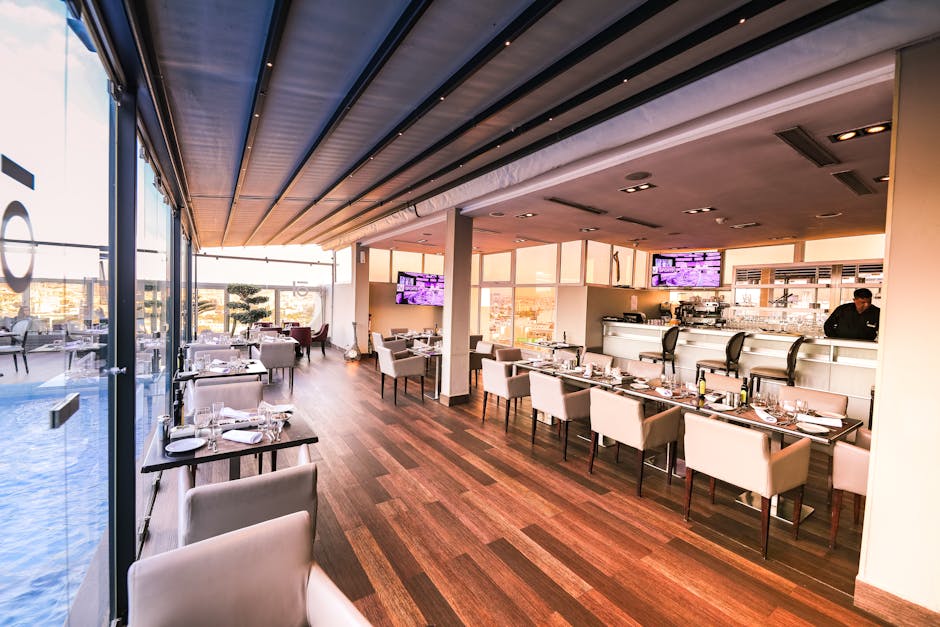
upscale restaurant interior

Understanding the typical price range, operating hours, and available services is crucial for planning your visit. Many establishments cater to a wide spectrum, from casual lunch spots offering affordable bento specials to upscale venues with elaborate tasting menus. Furthermore, the convenience of online ordering, delivery, and catering services has become increasingly vital, expanding the reach and customer base of these popular restaurants.

The Role of Ambiance in Fine Dining and Fusion Cuisine

Ambiance plays a pivotal role in shaping the fine dining and fusion cuisine experience. Restaurants meticulously craft their interiors to reflect their culinary philosophy, creating spaces that are both inviting and intriguing. This can range from artistic decor that hints at the fusion of cultures to specific themed aesthetics that transport diners to another world.

Wusong Road, for example, combines "New England Chinese flavors" with a distinct "tiki bar" aesthetic. This playful yet sophisticated environment, complete with tropical cocktails served in custom mugs, creates a unique and immersive dining experience. Similarly, Angkor Wok in Seattle is praised for its inviting ambiance, featuring fresh, vibrant decor and floral accents that contribute to a spacious yet cozy setting—ideal for both intimate dinners and larger gatherings.

Some establishments, like Karma Asian Fusion, aim for an "artistic ambiance" that complements their sophisticated fusion sushi and Omakase experiences, positioning themselves as special occasion destinations. Fusion Taste Stoneham offers various dining environments, including a raw bar, a main restaurant area, and a lounge, allowing customers to choose the setting that best suits their mood. Nama Asian Fusion takes this a step further with a multi-level establishment, including rooftop dining, and even offers a late-night service, creating a dynamic and varied atmosphere. Whether it's the intimate settings designed for a quiet meal or the communal experience of a hot pot, the ambiance is carefully curated to enhance the culinary journey.

Catering to Diverse Dietary Preferences

In today's culinary landscape, catering to diverse dietary preferences is no longer an option but a necessity. Asian fusion restaurants, with their inherent flexibility and creative approach to ingredients, are often well-equipped to offer a wide array of choices for diners with specific needs, including vegetarian, vegan, and gluten-free options.

Saigon Asian Bistro, for instance, explicitly highlights its "extensive vegetarian options," making it a welcoming destination for plant-based diners. Customer reviews often praise their ability to provide "yummy dishes" for vegan groups, with specialties like excellent summer rolls and generous portion sizes. The use of fresh herbs and vegetables is a common thread across many Asian cuisines, which naturally lends itself to creating flavorful and satisfying plant-based dishes.

Many fusion establishments are also mindful of gluten-free requirements, offering alternatives or modifications for various dishes. While not always explicitly stated on every menu, the nature of Asian ingredients—such as rice, rice noodles, and fresh produce—often means that many dishes can be adapted. Diners are always encouraged to communicate their dietary needs to the staff, who are typically knowledgeable and accommodating. This commitment to dietary flexibility ensures that the innovative flavors of Asian fusion can be enjoyed by a broader audience, making the dining experience inclusive and enjoyable for everyone.
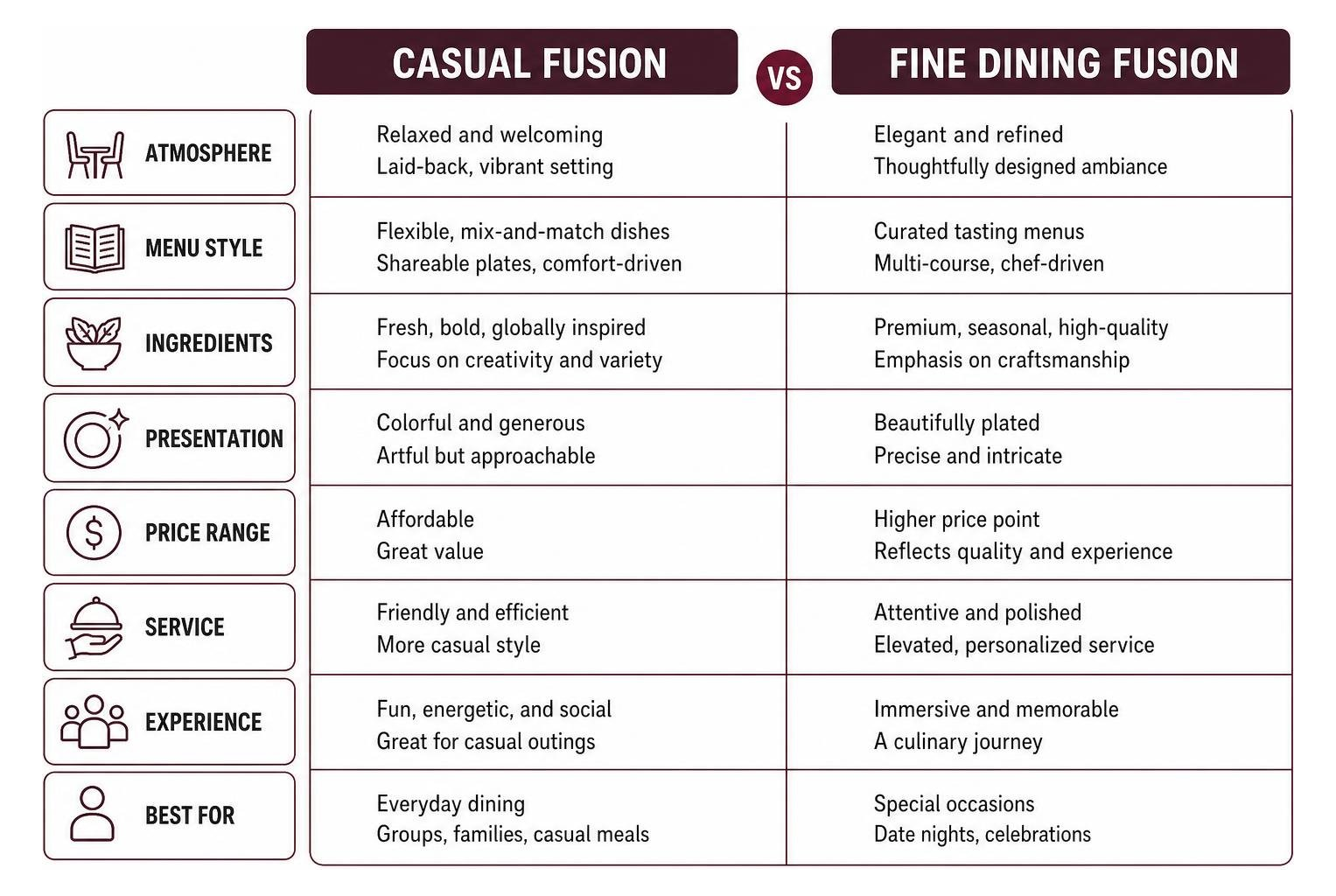
diagram comparing casual fusion vs fine dining fusion

Frequently Asked Questions about Fusion Gastronomy

As Asian fusion cuisine continues to captivate palates worldwide, it naturally sparks many questions from diners eager to explore its nuances. From understanding culinary definitions to setting dining expectations and navigating dietary accommodations, these frequently asked questions help demystify this exciting culinary trend. We aim to provide clear, concise answers to help you make informed choices for your next Asian fusion adventure.

What is the typical price range for a fusion tasting menu?

The typical price range for a fusion tasting menu can vary significantly based on the restaurant's location, prestige, the number of courses, and the exclusivity of the ingredients. In July 2026, a casual Asian fusion restaurant might offer lunch specials or bento boxes ranging from $15 to $25. For a full dinner experience at a mid-range fusion spot, individual entrees could be anywhere from $20 to $40.

For a dedicated tasting menu, which typically involves multiple courses curated by the chef, prices generally start from around $60-$80 per person and can easily extend to $150 or more at high-end establishments, especially when paired with beverages. For example, Nama Asian Fusion's menu shows individual items ranging from $6 for starters to $29 for a Nama Filet Mignon, suggesting a moderate price point for a full meal. While Fusion Taste Stoneham mentions a "highly seasonal and continuously evolving tasting menu experience," specific pricing isn't provided, but such offerings usually fall into the higher price bracket. The value proposition often lies in the unique culinary journey, the quality of ingredients, and the chef's expertise rather than just the quantity of food.

How do chefs balance contrasting flavors without overwhelming the palate?

Balancing contrasting flavors in Asian fusion cuisine is a delicate art that requires significant culinary training and an intuitive understanding of taste profiles. Chefs achieve this harmony through several key techniques:

  1. Acid Balance: Acids (like citrus, vinegar, or tamarind) are crucial for cutting through richness, brightening flavors, and preventing dishes from tasting heavy or muddled. They provide a refreshing counterpoint to sweet, savory, or spicy elements.
  2. Texture Contrast: Incorporating a variety of textures—crisp, creamy, chewy, tender—adds complexity and interest to a dish. For example, the crunch of a fresh vegetable against a soft protein, or the chewiness of noodles with a delicate sauce.
  3. Umami Enhancement: Umami, the savory fifth taste, is often leveraged to deepen and unify flavors. Ingredients like mushrooms, soy sauce, miso, and seaweed naturally provide umami, creating a rich and satisfying base that can bridge disparate elements.
  4. Strategic Spice Application: Spices are used not just for heat, but for their aromatic qualities and ability to enhance other flavors. A chef might use a subtle blend of spices to tie together ingredients from different culinary traditions without overpowering them.
  5. Ingredient Pairing: Chefs often draw on established flavor pairings from various cuisines and then introduce a novel element. For instance, Karma's "fusion sushi" combines Japanese flavors with French sauces, relying on the inherent compatibility of high-quality ingredients and precise technique.

It’s about creating a dynamic interplay where each flavor element has its moment while contributing to a cohesive and enjoyable whole.

Are there gluten-free and vegetarian options available in fusion dining?

Yes, in July 2026, it is increasingly common and expected for Asian fusion restaurants to offer a range of gluten-free and vegetarian options. Many establishments recognize the growing demand for dietary flexibility and strive to accommodate their guests.

For vegetarians and vegans, the inherent nature of many Asian cuisines, which heavily utilize fresh vegetables, rice, noodles, tofu, and plant-based proteins, makes it relatively easy to find suitable dishes. Saigon Asian Bistro, for example, explicitly states it offers an "extensive vegetarian options" and has received positive customer feedback from vegan diners for its "yummy dishes" and "excellent summer rolls." While not all restaurants may have a dedicated vegan menu, many dishes can be adapted by omitting meat or dairy.

Regarding gluten-free options, many Asian fusion restaurants are becoming more aware and accommodating. Rice-based dishes, such as sushi (without soy sauce containing wheat), rice noodles (like those in Pad Thai or pho), and various stir-fries made with gluten-free soy sauce or tamari, are often available. However, diners should always communicate their dietary restrictions clearly to their server, as cross-contamination can be a concern in shared kitchens, and some sauces or marinades may contain hidden gluten. Modern restaurants are generally well-versed in allergen awareness and can guide diners toward safe and delicious choices.

Conclusion

Asian fusion cuisine represents a thrilling frontier in modern gastronomy, continually evolving and pushing the boundaries of flavor and tradition. From the artful blending of Eastern and Western culinary techniques to the elevation of comfort foods and the creation of innovative desserts, these restaurants offer a diverse and captivating dining experience. We've explored the unique dishes, the importance of ambiance, and the growing commitment to catering to diverse dietary preferences, all of which contribute to the global phenomenon that is Asian fusion.

As we look to the future of food, Asian fusion stands out as a testament to culinary creativity and cultural exchange. It invites us to embark on sensory journeys, discover new favorite flavors, and create memorable experiences with every meal. Whether you're seeking a casual lunch or a sophisticated tasting menu, the vibrant world of Asian fusion near you promises an adventure for your palate.


chef plating a fusion dish

/
script>

What Separates a Quality Chain From a Disposable One in Permanent Jewelry

Permanent jewelry depends on a simple promise: the chain should look refined and hold up through daily wear. Since it has no clasp for easy removal, quality matters more than it does with occasional accessories. A quality piece should resist tarnish, keep its shape, and feel comfortable on the skin. Disposable chains often fail because the metal, finish, or link structure cannot handle constant movement.

Material Sets the Standard

Material choice has the strongest effect on durability, appearance, and long-term value. For buyers comparing a gold chain for permanent jewelry, the key details include gold content, bonding method, link strength, and care needs. These factors help explain why some chains stay bright for months or years, while others fade, irritate skin, or snap during normal wear.

Solid gold offers strong corrosion resistance and lasting color. Gold-filled chains provide a thick bonded layer of gold over a base metal. That layer is far heavier than standard plating. Plated chains use a thin surface coat, which can wear away quickly. Once that top layer breaks down, discoloration and dull patches usually follow.

Link Construction Matters

The bond between each link affects daily performance. A strong chain flexes without stretching out, twisting badly, or catching on fabric. Cable, box, rope, and figaro styles can all work well, yet each design carries pressure differently. The best option depends on wrist size, activity level, and preferred look.

Tight links usually support longer wear because they spread tension across the chain. Loose links can feel soft at first, but they may deform faster. Jewelers often check link closure, solder quality, and symmetry before offering a chain for permanent use. Small flaws can become larger problems after weeks of friction.

Finish and Resistance

Better chains have an even surface finish. Light should reflect consistently across the links, without dark seams or rough edges. Surface defects are more than cosmetic. Tiny pits collect lotion, soap, sweat, and dust. Over time, buildup can make a chain appear older than it is.

Smooth edges also improve comfort. Poor finishing may cause scratching, snagging, or irritation. A chain meant for permanent wear should feel almost unnoticeable during sleep, exercise, and daily tasks. If it feels sharp during fitting, it is unlikely to become more comfortable later.

Weld Compatibility

Weld behavior separates permanent jewelry from regular chain buying. The chain must tolerate a quick, precise weld at the jump ring or closure point. Too much heat can weaken delicate links. Poor metal quality may respond unpredictably, leaving a brittle connection.

Properly matched materials make the joining process cleaner. The attachment point should be small, neat, and secure. Chain thickness also matters here. A dainty style can still be durable, but it needs enough structure to handle the weld and daily pull. Thin should never mean fragile.

Wear, Care, and Skin Comfort

Quality does not remove the need for basic care. Sweat, salt, chlorine, perfume, and cleaning products can affect many metals. Solid gold and gold-filled materials usually handle moisture better than thin plating. Sterling silver can last well, though it may tarnish and need polishing.

Good care helps keep the shine. Soft brushing, mild soap, and gentle drying can remove residue before it hardens. Lower-grade chains often reveal weakness during cleaning. Flaking, color loss, or rough patches suggest the surface layer was too thin for constant use.

Skin comfort is another sign of quality. Nickel content and unknown base metals can trigger irritation for sensitive wearers. Reputable suppliers provide clearer material details, which helps artists guide clients toward safer choices. Permanent jewelry should feel personal, but it should also be practical enough for everyday contact.

Value Beyond Price

Price alone rarely proves quality. A cheap chain may cost less at the appointment, yet replacement or repair can make it pricier. A higher-grade option can offer better wear time, cleaner color, and fewer service issues. Buyers should compare metal type, link design, finish, and care instructions before choosing.

A better chain also protects the experience. Permanent jewelry often marks a memory, relationship, or milestone. The piece should support that meaning by using materials that are suitable for long-term wear. Disposable pieces may look similar at first, but daily use exposes the difference.

Conclusion

A quality permanent chain combines durable metal, sound link construction, smooth finishing, and reliable weld performance. Disposable options usually fall short in one or more of those areas. Care still matters, yet better materials give the wearer a stronger starting point. Before choosing a style, buyers should look past shine and price. The best chain balances beauty, comfort, and strength so the piece can remain part of daily life.

/
script>

What Dublin Businesses Should Expect From Premium Commercial Cleaning Services

The word "premium" gets attached to cleaning service offerings without much consistency in the Dublin market, and the gap between what the label promises and what the service actually delivers varies considerably between providers. For a business evaluating commercial cleaning options, knowing what premium should actually include, in specific and verifiable terms, is more useful than any marketing description.

What follows is a practical framework for what Dublin businesses should hold as minimum expectations when engaging a commercial cleaning service at the upper end of the market.

Account Management That Does What It Claims

Premium commercial cleaning services should provide a dedicated account contact, not a general customer service number. This sounds like a small distinction and it produces large practical differences.

A dedicated account manager knows your premises, your preferences, your compliance requirements, and your operational schedule. When something isn't right, you contact someone who has context about your business rather than explaining the situation from scratch to whoever answered the phone. When your needs change, the change gets communicated once and implemented, rather than requiring repeated re-explanation.

The account management structure should include scheduled reviews, not just responses to complaints. A quarterly review that covers cleaning standard feedback, upcoming operational changes that affect the cleaning programme, product and process updates, and anything the client has observed since the last review is the kind of proactive relationship that prevents problems from accumulating into complaints. Commercial cleaning services Dublin businesses at the premium end should be having this conversation with you before you feel the need to request it.

The review should produce a document, even a brief one. Verbal agreements about changes to cleaning scope or standard tend to be forgotten or interpreted differently by each party. A written record of what was discussed and what was agreed creates a shared reference that protects both sides.

Staff Who Know Your Premises

Staff continuity is one of the clearest differences between premium and budget commercial cleaning services. A cleaner who has been attending your premises regularly for a year brings a quality of attention to it that a new person working from a checklist simply can't replicate.

Premium commercial cleaning services in Dublin should be able to tell you who your regular cleaning team is, how long they've been with the company, and what happens when your regular team member is unavailable. The answer to the last question should involve a named backup arrangement, not a general "we'll send someone." A backup cleaner who has been briefed on your premises, your preferences, and your critical areas is meaningfully different from whoever happens to be available that day.

Garda vetting for all staff entering client premises is a baseline expectation for premium commercial cleaning services, not a differentiator. It should be current, not historic, and verifiable on request rather than just asserted. A company that presents vetting as a premium feature of its offering is describing what should be standard as though it were additional value.

Staff training documentation should be available. What induction training do new staff receive? What ongoing training is provided for specific environments, chemical handling, or sector-specific requirements? A premium commercial cleaning service has answers to these questions in writing, not just in principle.

Documented Quality Assurance

Premium commercial cleaning services in Dublin have quality management systems that produce documentation you can access, not just verbal assurances that things are being done properly.

Cleaning logs that record what was cleaned, when, by whom, and using what products are the baseline. For regulated environments, this documentation is a compliance requirement. For general commercial premises, it's the evidence that the contracted scope is being delivered and creates accountability between the service and the client.

Inspection records from the cleaning company's own quality checks should be available. An internal quality audit programme that visits client sites independently from the cleaning visits, assesses the standard against agreed criteria, and produces written reports shows that quality management is embedded in operations rather than promised in the pitch.

The quality management system should address what happens when an inspection identifies a shortfall. Not just that it will be corrected, but what the escalation process is, what the timeline for correction is, and how the client is informed. The response mechanism matters as much as the audit process.

Chemistry and Method Matched to Your Environment

Premium commercial cleaning services don't apply the same product programme to every client. The chemistry appropriate for a medical practice is different from the chemistry appropriate for a retail space. The method appropriate for terrazzo flooring is different from the method appropriate for luxury vinyl tile. A service that uses the same products and processes everywhere isn't adapting to what each environment actually requires.

At the first assessment of your premises, a premium provider should be documenting the specific surface types present, any sensitive materials or finishes that require particular care, your sector's relevant compliance requirements if applicable, and the areas of highest hygiene priority for your specific operation. This information should inform a cleaning specification that's unique to your premises, not a standard programme with your name on the front page.

Product transparency is part of this. You should be able to request a complete list of the cleaning products used in your premises at any time. Any premium commercial cleaning services Dublin provider should supply this without hesitation. The products should carry appropriate safety data sheets, and for regulated environments, any certification requirements should be confirmed before use.

Communication That Works Both Ways

The communication quality of a commercial cleaning service is one of the most reliable indicators of its overall service standard, and it's something you can assess from the first point of contact before you've signed anything.

Premium services confirm bookings promptly and proactively. If a scheduled visit needs to change, the client is informed with enough notice to make alternative arrangements. If a staff member is running late, the account manager communicates this before the visit time rather than after. These are basic professional behaviours that every premium cleaning service should exhibit consistently.

The response to a complaint or concern at a premium service level should be substantive within 24 hours. Not acknowledged with a promise to look into it: actually responded to with information about what happened, what is being done about it, and what will be done to prevent recurrence. The quality of a service's complaints handling reveals more about its actual standard than anything in its marketing materials.

Premium commercial cleaning services in Dublin should feel like a managed, professional relationship, not a transactional arrangement where you're responsible for monitoring quality and chasing responses. If significant management effort is required from your side to keep the service functioning, the service isn't delivering what premium implies.

Insurance That Covers What It Needs to Cover

Current public liability insurance at appropriate coverage levels for your premises type. Current employer liability insurance. Verification available on request as a certificate of insurance rather than as a verbal assurance or a website claim.

The coverage levels should be proportionate to your premises and the nature of the work. A premium cleaning service for a small office needs different coverage than one providing services to a large multi-site commercial operation, and a provider offering identical insurance terms to both without discussion is either overinsuring one client or underinsuring the other.

Premium doesn't mean limitless, but it should mean appropriate, documented, current, and verifiable. Anything less than this is not what premium should mean.

/
script>