Exploring the Flavors of Fine Dining and Fusion Cuisine
The Art of Fine Dining and Fusion Cuisine
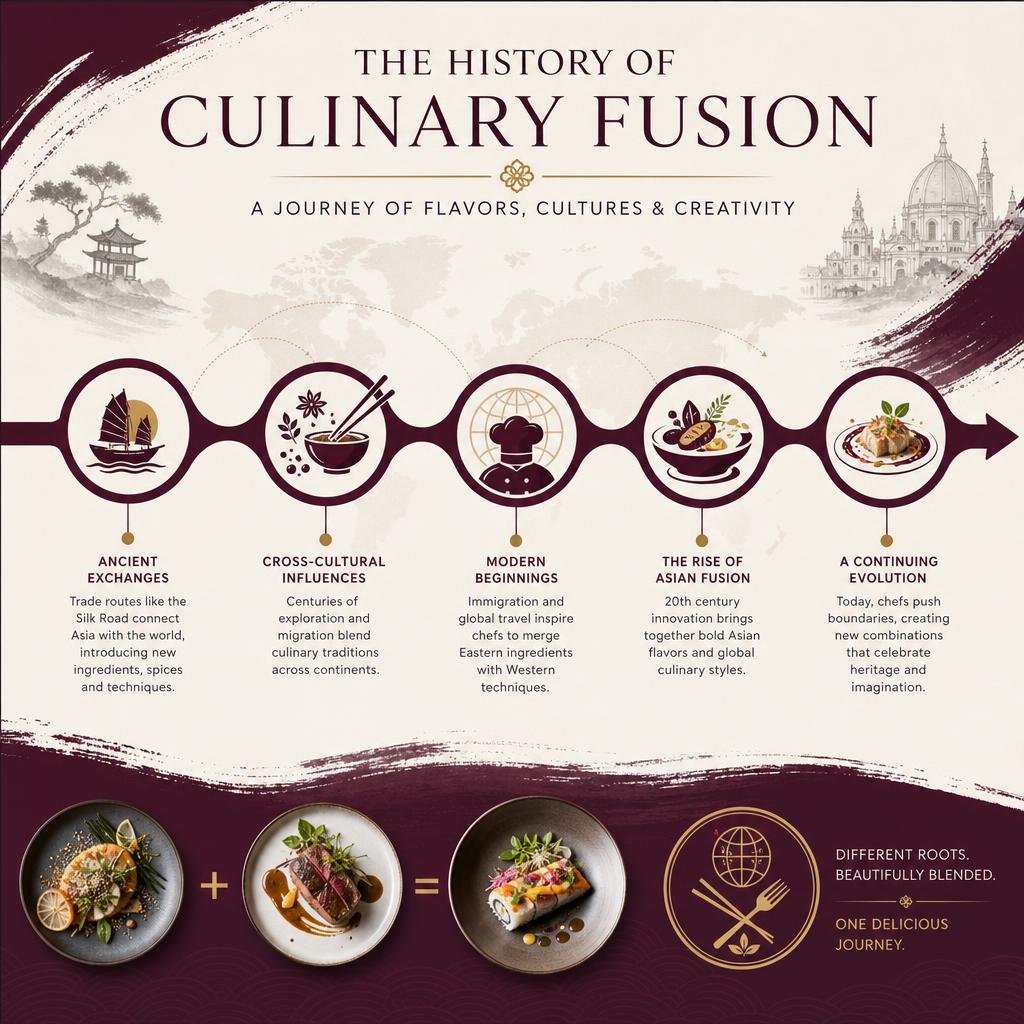
Asian fusion cuisine, at its heart, is a celebration of culinary innovation. It's a dynamic style that transcends geographical boundaries, bringing together diverse culinary techniques, flavor profiles, and cultural heritages into harmonious and often surprising combinations. This approach isn't merely about mixing ingredients; it’s about thoughtful ingredient pairing, where chefs skillfully blend traditional Asian elements with influences from other global cuisines, particularly Western. The result is a dining experience that is both familiar and excitingly new, appealing to a wide range of tastes and preferences.
The popularity of this culinary style has soared in recent years, driven by consumers' increasing desire for unique and innovative dining experiences. Restaurants specializing in Asian fusion often emphasize fresh, high-quality ingredients and creative presentation, contributing significantly to their widespread appeal. Whether it's the delicate balance of a Japanese-French sushi creation or the robust flavors of a Chinese-American comfort dish, the essence of Asian fusion lies in its ability to offer a diverse and captivating culinary journey. This expansive culinary landscape includes everything from modern takes on classic dishes to entirely new creations that defy traditional classification, encompassing a spectrum of flavors, including the rich tapestry of Indian and fusion cuisine.
Blending Eastern and Western Traditions
One of the defining characteristics of Asian fusion is its masterful blending of Eastern and Western culinary traditions. This often manifests in unexpected yet delightful ways. Consider, for instance, the innovative concept of "fusion sushi," as perfected by establishments like Karma. Here, the delicate flavors and meticulous preparation of Japanese sushi are artfully combined with the refined sauces and sophisticated styles of French cuisine. The outcome is a dish that respects its Japanese roots while offering a distinctly European elegance, elevating the sushi experience to a new level of sophistication.
Beyond sushi, this blending can be seen in various forms. Some chefs take classic Cantonese dishes and infuse them with modern Western techniques or ingredients, creating a culinary harmony that respects tradition while pushing creative boundaries. Other restaurants draw inspiration from their own cultural identities, such as the Chin sisters who founded Double Chin. Their menu is a direct reflection of their Chinese American heritage, offering modern twists on Chinese dishes that resonate with both nostalgia and contemporary palates. This approach allows for a rich tapestry of flavors, where the familiar comfort of Asian staples meets the adventurous spirit of global gastronomy.
Elevating Street Food to Fine Dining and Fusion Cuisine
Asian fusion cuisine also excels at transforming beloved comfort foods and street food staples into gourmet experiences. This elevation often involves applying fine dining techniques, premium ingredients, and creative presentations to dishes that traditionally have a more humble origin. The goal is to evoke a sense of childhood nostalgia while delivering a sophisticated culinary experience.
Double Chin, for example, prides itself on serving "glorified comfort food classics" that are inspired by the founders' favorite childhood foods and their Chinese American identities. This means taking dishes that hold deep personal and cultural significance and reimagining them with a modern, refined touch. Similarly, restaurants like Wusong Road blend "New England Chinese flavors" with a playful tiki bar aesthetic, transforming classic pupu platters and crab rangoons into a unique, themed dining adventure. This approach allows diners to reconnect with familiar tastes in an entirely new context, demonstrating how fusion cuisine can celebrate cultural heritage while simultaneously innovating. It's a testament to the idea that delicious food, regardless of its origin, can always be elevated through creativity and culinary expertise.
Signature Dishes and Culinary Masterpieces
When exploring Asian fusion, the sheer variety of signature dishes and culinary masterpieces is truly astounding. Each restaurant often brings its unique interpretation to the fusion concept, resulting in a menu filled with inventive and memorable offerings. From meticulously crafted sushi to hearty hot pots and innovative desserts, these establishments showcase the boundless creativity inherent in blending diverse culinary traditions.
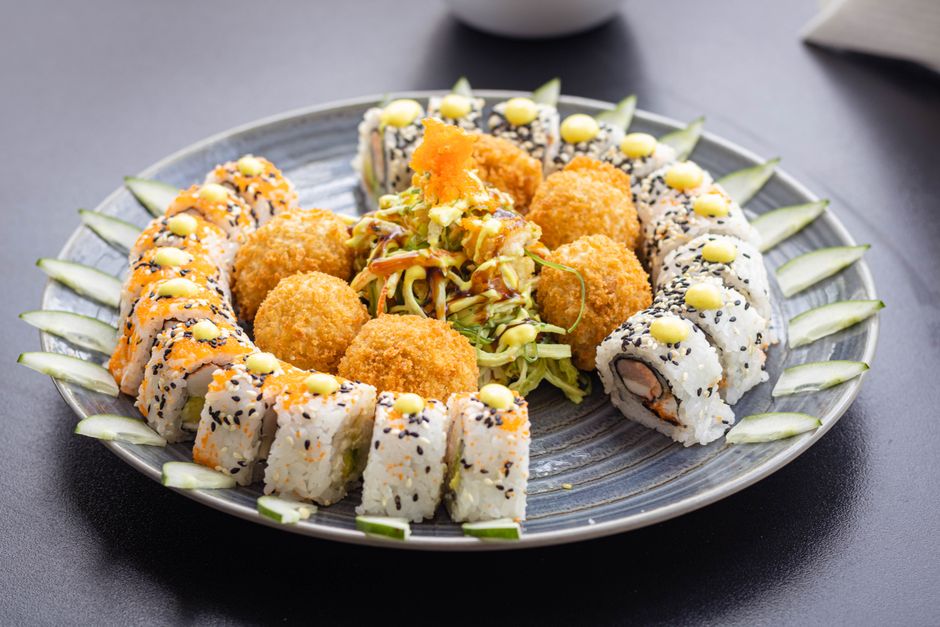
One of the most celebrated aspects of Asian fusion is the innovative use of ingredients and techniques to create dishes that are both visually stunning and incredibly flavorful. Whether it's a chef's curated multi-course Omakase experience or a regional specialty given a global twist, these dishes are designed to leave a lasting impression.
The Rise of Fusion Sushi and Raw Bars
Fusion sushi has become a cornerstone of many Asian fusion restaurants, offering a creative twist on the traditional Japanese art form. Establishments like Karma Asian Fusion are renowned for their fusion sushi, which is described as a delightful cross between Japanese flavors and the delicate sauces and styles of France. This innovative approach results in rolls and sashimi that are not only incredibly fresh but also boast complex flavor profiles and artistic presentations.
Beyond sushi, many Asian fusion restaurants feature comprehensive raw bars, offering a selection of fresh seafood prepared with a fusion sensibility. This might include ceviches with Asian spices, oysters with unique mignonettes, or tartares infused with unexpected ingredients. Nama Asian Fusion, for instance, highlights its fresh sushi offerings alongside other Asian specialties, emphasizing the quality of their ingredients. Similarly, Fusion Taste Stoneham offers an extensive range of sushi specialties, appealing to those who appreciate both traditional and inventive raw fish preparations. The focus is always on the quality of the fresh ingredients, combined with the chef's artistic vision to create memorable culinary experiences.
Innovative Desserts and Sweet Endings
Asian fusion cuisine extends its creativity to the dessert menu, offering innovative sweet endings that often blend traditional Asian flavors with Western dessert techniques. These creations provide a perfect conclusion to a fusion meal, showcasing a balance of familiar and exotic tastes.
A standout example is the "Cube Toast" offered by Double Chin. This signature dessert has garnered significant media attention for its unique presentation and delightful taste, embodying the restaurant's ethos of giving modern twists to classic comfort foods. It's a playful yet sophisticated take on a humble ingredient, transformed into something extraordinary.
Beyond specific dishes, many fusion desserts incorporate tropical flavors that are common in Asian culinary traditions. Ingredients like mango, lychee, coconut, and passion fruit are often paired with elements like rich creams, delicate pastries, or refreshing sorbets. Angkor Wok, for instance, offers a passion fruit tea that provides a fun and flavorful twist on traditional Thai iced tea, hinting at the potential for such fruit-forward creations in their dessert offerings. This ability to combine sweet, savory, and sometimes even tart elements ensures that the dessert course is as exciting and innovative as the main dishes.
Crafting the Perfect Dining Experience
The appeal of Asian fusion dining extends far beyond the plate; it encompasses the entire dining experience. From the moment customers step through the door, restaurants strive to create an atmosphere that complements their innovative cuisine. This includes everything from the aesthetic design of the space to the operational details like service options and dietary accommodations. The goal is to provide a memorable journey that engages all the senses.
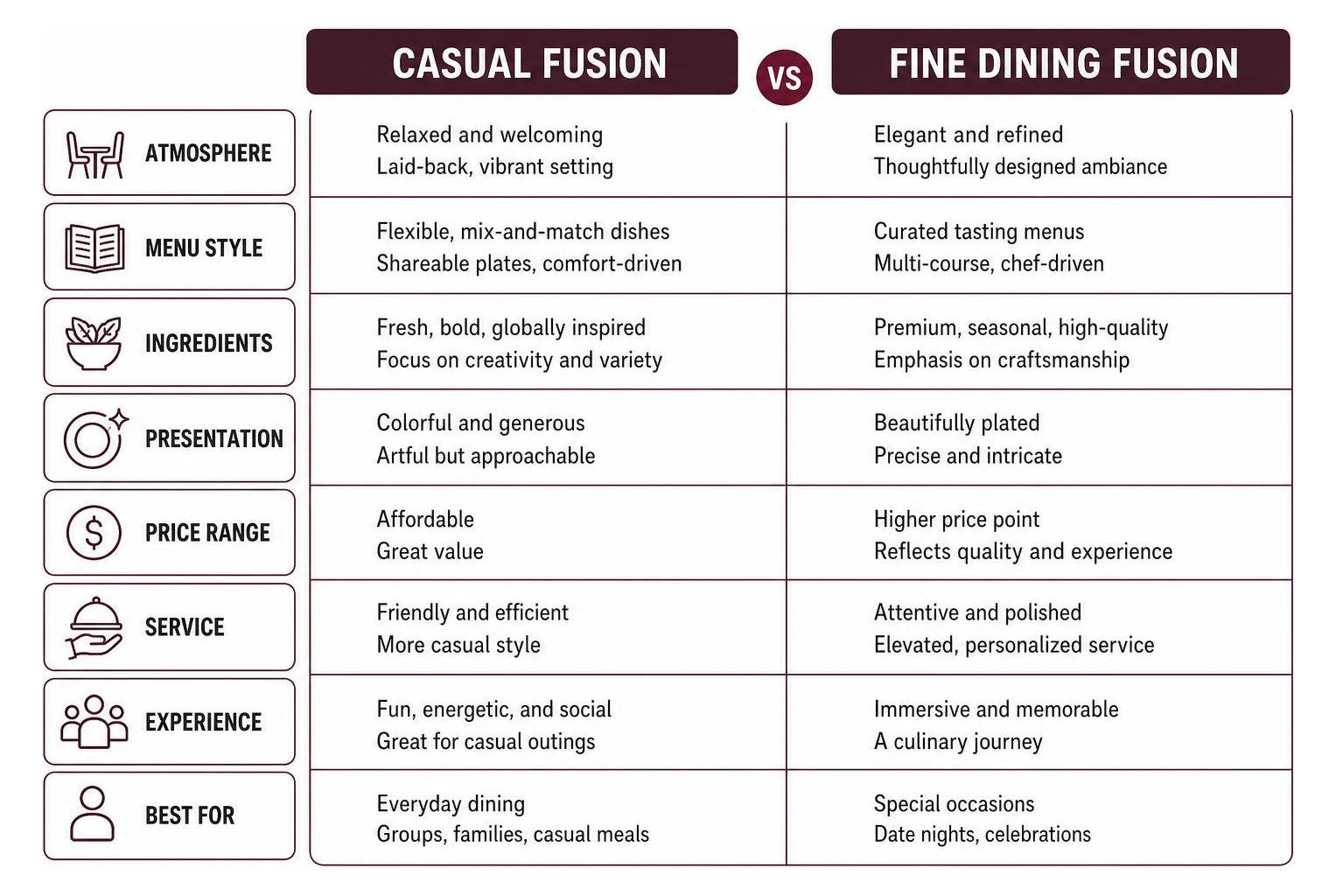
Understanding the typical price range, operating hours, and available services is crucial for planning your visit. Many establishments cater to a wide spectrum, from casual lunch spots offering affordable bento specials to upscale venues with elaborate tasting menus. Furthermore, the convenience of online ordering, delivery, and catering services has become increasingly vital, expanding the reach and customer base of these popular restaurants.
The Role of Ambiance in Fine Dining and Fusion Cuisine
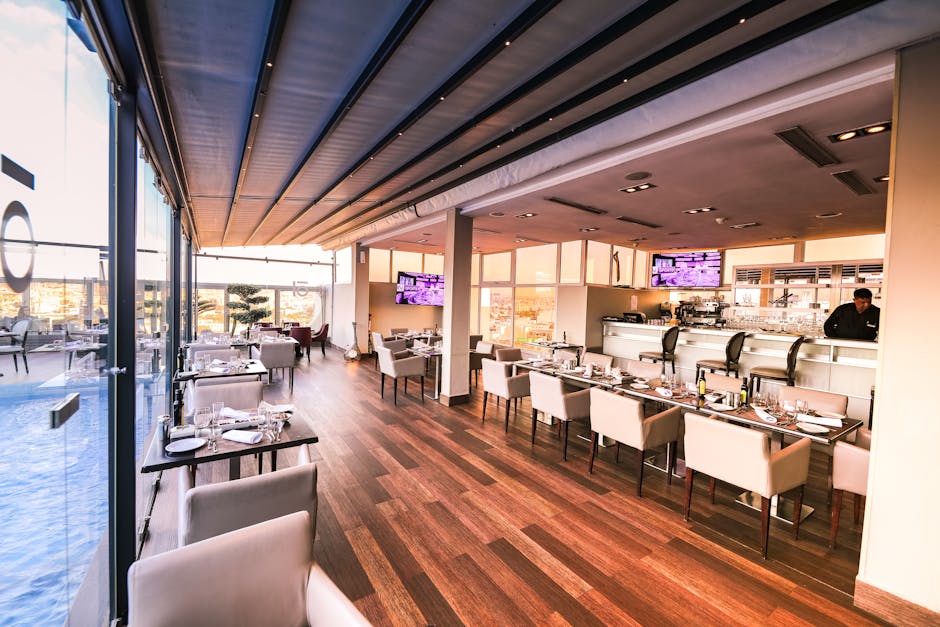
Ambiance plays a pivotal role in shaping the fine dining and fusion cuisine experience. Restaurants meticulously craft their interiors to reflect their culinary philosophy, creating spaces that are both inviting and intriguing. This can range from artistic decor that hints at the fusion of cultures to specific themed aesthetics that transport diners to another world.
Wusong Road, for example, combines "New England Chinese flavors" with a distinct "tiki bar" aesthetic. This playful yet sophisticated environment, complete with tropical cocktails served in custom mugs, creates a unique and immersive dining experience. Similarly, Angkor Wok in Seattle is praised for its inviting ambiance, featuring fresh, vibrant decor and floral accents that contribute to a spacious yet cozy setting—ideal for both intimate dinners and larger gatherings.
Some establishments, like Karma Asian Fusion, aim for an "artistic ambiance" that complements their sophisticated fusion sushi and Omakase experiences, positioning themselves as special occasion destinations. Fusion Taste Stoneham offers various dining environments, including a raw bar, a main restaurant area, and a lounge, allowing customers to choose the setting that best suits their mood. Nama Asian Fusion takes this a step further with a multi-level establishment, including rooftop dining, and even offers a late-night service, creating a dynamic and varied atmosphere. Whether it's the intimate settings designed for a quiet meal or the communal experience of a hot pot, the ambiance is carefully curated to enhance the culinary journey.
Catering to Diverse Dietary Preferences
In today's culinary landscape, catering to diverse dietary preferences is no longer an option but a necessity. Asian fusion restaurants, with their inherent flexibility and creative approach to ingredients, are often well-equipped to offer a wide array of choices for diners with specific needs, including vegetarian, vegan, and gluten-free options.
Saigon Asian Bistro, for instance, explicitly highlights its "extensive vegetarian options," making it a welcoming destination for plant-based diners. Customer reviews often praise their ability to provide "yummy dishes" for vegan groups, with specialties like excellent summer rolls and generous portion sizes. The use of fresh herbs and vegetables is a common thread across many Asian cuisines, which naturally lends itself to creating flavorful and satisfying plant-based dishes.
Many fusion establishments are also mindful of gluten-free requirements, offering alternatives or modifications for various dishes. While not always explicitly stated on every menu, the nature of Asian ingredients—such as rice, rice noodles, and fresh produce—often means that many dishes can be adapted. Diners are always encouraged to communicate their dietary needs to the staff, who are typically knowledgeable and accommodating. This commitment to dietary flexibility ensures that the innovative flavors of Asian fusion can be enjoyed by a broader audience, making the dining experience inclusive and enjoyable for everyone.
Frequently Asked Questions about Fusion Gastronomy
As Asian fusion cuisine continues to captivate palates worldwide, it naturally sparks many questions from diners eager to explore its nuances. From understanding culinary definitions to setting dining expectations and navigating dietary accommodations, these frequently asked questions help demystify this exciting culinary trend. We aim to provide clear, concise answers to help you make informed choices for your next Asian fusion adventure.
What is the typical price range for a fusion tasting menu?
The typical price range for a fusion tasting menu can vary significantly based on the restaurant's location, prestige, the number of courses, and the exclusivity of the ingredients. In July 2026, a casual Asian fusion restaurant might offer lunch specials or bento boxes ranging from $15 to $25. For a full dinner experience at a mid-range fusion spot, individual entrees could be anywhere from $20 to $40.
For a dedicated tasting menu, which typically involves multiple courses curated by the chef, prices generally start from around $60-$80 per person and can easily extend to $150 or more at high-end establishments, especially when paired with beverages. For example, Nama Asian Fusion's menu shows individual items ranging from $6 for starters to $29 for a Nama Filet Mignon, suggesting a moderate price point for a full meal. While Fusion Taste Stoneham mentions a "highly seasonal and continuously evolving tasting menu experience," specific pricing isn't provided, but such offerings usually fall into the higher price bracket. The value proposition often lies in the unique culinary journey, the quality of ingredients, and the chef's expertise rather than just the quantity of food.
How do chefs balance contrasting flavors without overwhelming the palate?
Balancing contrasting flavors in Asian fusion cuisine is a delicate art that requires significant culinary training and an intuitive understanding of taste profiles. Chefs achieve this harmony through several key techniques:
- Acid Balance: Acids (like citrus, vinegar, or tamarind) are crucial for cutting through richness, brightening flavors, and preventing dishes from tasting heavy or muddled. They provide a refreshing counterpoint to sweet, savory, or spicy elements.
- Texture Contrast: Incorporating a variety of textures—crisp, creamy, chewy, tender—adds complexity and interest to a dish. For example, the crunch of a fresh vegetable against a soft protein, or the chewiness of noodles with a delicate sauce.
- Umami Enhancement: Umami, the savory fifth taste, is often leveraged to deepen and unify flavors. Ingredients like mushrooms, soy sauce, miso, and seaweed naturally provide umami, creating a rich and satisfying base that can bridge disparate elements.
- Strategic Spice Application: Spices are used not just for heat, but for their aromatic qualities and ability to enhance other flavors. A chef might use a subtle blend of spices to tie together ingredients from different culinary traditions without overpowering them.
- Ingredient Pairing: Chefs often draw on established flavor pairings from various cuisines and then introduce a novel element. For instance, Karma's "fusion sushi" combines Japanese flavors with French sauces, relying on the inherent compatibility of high-quality ingredients and precise technique.
It’s about creating a dynamic interplay where each flavor element has its moment while contributing to a cohesive and enjoyable whole.
Are there gluten-free and vegetarian options available in fusion dining?
Yes, in July 2026, it is increasingly common and expected for Asian fusion restaurants to offer a range of gluten-free and vegetarian options. Many establishments recognize the growing demand for dietary flexibility and strive to accommodate their guests.
For vegetarians and vegans, the inherent nature of many Asian cuisines, which heavily utilize fresh vegetables, rice, noodles, tofu, and plant-based proteins, makes it relatively easy to find suitable dishes. Saigon Asian Bistro, for example, explicitly states it offers an "extensive vegetarian options" and has received positive customer feedback from vegan diners for its "yummy dishes" and "excellent summer rolls." While not all restaurants may have a dedicated vegan menu, many dishes can be adapted by omitting meat or dairy.
Regarding gluten-free options, many Asian fusion restaurants are becoming more aware and accommodating. Rice-based dishes, such as sushi (without soy sauce containing wheat), rice noodles (like those in Pad Thai or pho), and various stir-fries made with gluten-free soy sauce or tamari, are often available. However, diners should always communicate their dietary restrictions clearly to their server, as cross-contamination can be a concern in shared kitchens, and some sauces or marinades may contain hidden gluten. Modern restaurants are generally well-versed in allergen awareness and can guide diners toward safe and delicious choices.
Conclusion
Asian fusion cuisine represents a thrilling frontier in modern gastronomy, continually evolving and pushing the boundaries of flavor and tradition. From the artful blending of Eastern and Western culinary techniques to the elevation of comfort foods and the creation of innovative desserts, these restaurants offer a diverse and captivating dining experience. We've explored the unique dishes, the importance of ambiance, and the growing commitment to catering to diverse dietary preferences, all of which contribute to the global phenomenon that is Asian fusion.
As we look to the future of food, Asian fusion stands out as a testament to culinary creativity and cultural exchange. It invites us to embark on sensory journeys, discover new favorite flavors, and create memorable experiences with every meal. Whether you're seeking a casual lunch or a sophisticated tasting menu, the vibrant world of Asian fusion near you promises an adventure for your palate.
