The Hidden Costs of Making Customers Repeat Themselves

Few customer service experiences are as frustrating as explaining the same problem over and over again. You tell one employee what happened, get transferred to another department, and find yourself starting the conversation from the beginning. By the time someone is finally able to help, your patience has often worn thin.

It's one of the reasons many organisations invest in customer experience transformation services to improve how information flows across teams. When employees have access to the right information at the right time, customers spend less time repeating themselves and more time getting the help they actually need.

While repeating information might seem like a minor inconvenience, it can quietly damage customer satisfaction, reduce trust, and even influence whether someone chooses to do business with a company again.

It Makes Customers Feel Unimportant

When customers have to explain the same issue several times, it sends an unintended message.

It can feel as though:

  • Nobody is listening.

  • Teams aren't communicating.

  • Their time isn't valued.

  • The business isn't organised.

Even if employees are doing their best, the overall experience feels disconnected.

Customers remember that feeling long after the issue has been resolved.

Every Repeated Conversation Takes More Time

Most people contact customer support because they want to solve a problem quickly.

Repeating information adds unnecessary delays.

Instead of moving towards a solution, customers spend valuable time covering information they've already provided.

This creates frustration while increasing the workload for employees as well.

It Reduces Confidence

Customers naturally expect businesses to keep track of previous conversations.

When information appears to disappear between departments, people begin questioning the organisation's reliability.

They may wonder:

  • Was my request recorded?

  • Does anyone know what's happening?

  • Will I need to explain this again next time?

  • Can I rely on this business?

Confidence is built through consistency, and repeated explanations undermine that confidence.

Employees Feel the Impact Too

This isn't only frustrating for customers.

Support teams also lose time asking questions that have already been answered.

That means less time is available for:

  • Solving problems

  • Assisting other customers

  • Improving service quality

  • Handling more complex enquiries

Better information sharing benefits everyone involved.

Simple Technology Can Make a Big Difference

Modern customer service systems allow businesses to record previous interactions, making it easier for employees to understand a customer's history before responding.

Useful information might include:

  • Previous enquiries

  • Recent purchases

  • Existing support cases

  • Communication preferences

  • Past resolutions

Having this context helps conversations begin where the previous one ended rather than starting from scratch.

Good Communication Matters Across Every Team

Customers don't think in terms of departments.

To them, there is only one business.

Whether someone speaks with sales, customer support, billing, or technical assistance, they expect those teams to work together.

Strong internal communication helps ensure:

  • Information is shared accurately.

  • Customers receive consistent advice.

  • Problems are resolved more quickly.

  • Transfers become less frustrating.

Connected teams create smoother customer experiences.

Listen Carefully the First Time

One of the simplest ways to reduce repeated conversations is to listen carefully from the beginning.

Employees should aim to:

  • Let customers explain the issue fully.

  • Confirm key details.

  • Record accurate notes.

  • Clarify anything that's unclear.

Taking a little extra time upfront often prevents confusion later.

Keep Customers Updated

Another reason customers repeat themselves is uncertainty.

If they don't receive updates, they may contact the business multiple times seeking information.

Regular communication helps customers feel informed throughout the process.

Simple updates such as:

  • Confirmation emails

  • Progress notifications

  • Estimated timeframes

  • Completion messages

can reduce unnecessary follow-up enquiries.

Make the Customer Journey Feel Connected

Every interaction should feel like part of one continuous conversation.

Customers shouldn't have to wonder whether different employees know what's already happened.

Businesses can improve continuity by:

  • Sharing customer information responsibly

  • Providing clear internal notes

  • Giving employees access to relevant history

  • Reducing unnecessary transfers

These improvements make support feel organised rather than fragmented.

Every Conversation Shapes the Relationship

Customers don't expect businesses to be perfect, but they do expect them to remember previous interactions whenever possible. Asking someone to repeat the same story several times wastes time, creates frustration, and weakens trust. By improving communication between teams, recording information accurately, and giving employees the tools they need to continue conversations seamlessly, businesses can create smoother experiences that leave customers feeling heard, respected, and far more likely to return in the future.

/
script>

Complicated Charge: Understanding Drug Crime Cases With a Drug Crimes Attorney in Ocean County

For a lot of people, a drug-related charge is something they never expected to be dealing with. It shows up out of nowhere, and right away it throws up lots of questions about what comes next . In a few, questions start to pop up revolving how bad is it really, and will it mess with employment, schooling, or even personal relationships. Those worries are normal, and at the same time very stressful depending on the availability of support you get and other factors. Understandably, many people at this juncture start searching for a Drug Crimes Attorney in Ocean County as one of their first steps just to get a clear view of the legal process.

Now, drug crime cases can be way more than just an alleged possession of an illegal substance. Depending on the details, the situation might involve issues around searches, how evidence was collected , the question of intent, or whether law enforcement followed the right procedures. No two matters are the same, so it really helps to understand how the legal system looks at these problems instead of assuming every case walks the exact same road.

Charge or Conviction in Contrast

One of the most common misconceptions about criminal matters is that when someone is charged, it automatically means they’ve been found guilty. But, this is a long-standing misconception. A criminal charge is really more like the starting point, it’s not the finish line, and it should be understood that way.

The prosecution has to move forward with evidence, whereas the accused can dispute it and expect some fair legal process. And indeed,  there are a lot of times there are genuine doubts that pop up, like whether the evidence was gathered in a legally acceptable way, whether constitutional rights were respected  or just did not get trampled, or whether the story of events actually matches the charges that were put on the table first.

Getting that distinction right matters for the reason that it reminds people that the final outcome in court depends on the concrete particulars of that one case, not only because an arrest happened.

Magnifying Little Details of the Whole Case

In drug crime situations, the outcome is rarely shaped by one single fact. Usually it’s a mix of circumstances, and those circumstances get reviewed by investigators, prosecutors, and defense attorneys, more or less piece by piece.

For instance, it can matter where the alleged drugs were located. It can also matter who had access to them, how law enforcement carried out the search, whether a warrant was even needed, and how the evidence was handled, collected, and preserved. Sometimes, statements made during the investigation turn into major parts of the story, and there’s also laboratory testing, plus witness testimony when it fits the situation.

Because each bit of information can shift the broader picture, legal proceedings often end up involving a careful review of paperwork, reports, and procedures rather than jumping to conclusions based on assumptions or first impressions.

Better Start, Better Outcomes

One of the most important things a person does after being charged is try to understand the legal process as quickly as possible, and this gives them a stronger headstart at the process. Criminal cases arrive with pressing deadlines, court dates, document filings and a varied chain of choices that can steer how the matter will move. In all honesty, it can get confusing fast, so the earlier you start getting a clear handle on it, the better.

If you get legal guidance early, you’re usually able to grasp what the charges actually are, review the evidence that’s on hand, and also figure out which legal routes, or “paths forward”, might make sense for what’s going on in your situation. It also tends to help you dodge everyday errors, like saying things that really should not be said in the first place or missing procedural requirements that you are supposed to handle on time

And it’s not only about the legal strategy by itself. Early support can cut down the uncertainty. Being hit with criminal charges is already stressful and it is not very long before you will be able to translate unfamiliar legal steps all on your own. When you have a clearer picture of what comes next, the entire process often feels less overwhelming, somehow, even if it’s still serious.

Before The Case Closes

A drug charge can mess with more than just a court case and its effects can extend far beyond your days in the courtroom. Factoring in different situations, it can touch employment opportunities, professional licensing, educational plans, housing applications, or other small parts of everyday life. That wider ripple is one reason these matters really need careful attention from the very beginning

Working with a Drug Crimes Attorney in Ocean County is not only about reacting to the urgent legal issues. It’s also about seeing how today’s choices may shape tomorrow’s opportunities. Going through the evidence closely, safeguarding legal rights, and taking the process seriously with some preparation can end up meaning a lot over the course of the entire case

Every criminal matter is different, and there isn’t a one-size-fits-all result. What stays true though is the worth of having accurate information alongside seasoned legal help when things feel heavy. For people trying to understand drug crime charges, their legal rights, and how the court process generally works in Ocean County, learning more from The Law Offices of William C. Fay IV can be an important move toward making informed decisions.

/
script>

Why Personalization Is the Ultimate Growth Lever for Modern Wine Brands

Traditional wine marketing is no longer working, and it is even pushing consumers away. Since direct-to-consumer (DTC) wine sales have become the most important sales channel for small and medium-sized producers, those brands that are succeeding are not the ones with the largest advertising budgets. They are the ones that treat each customer as a unique individual with specific tastes, a purchase record, and an anticipated bottle of wine to purchase on their next order.

Personalization in the e-commerce wine industry goes beyond adding the first name of a customer to the subject heading of an email. It implies a fundamental change in the way wineries gather data, establish relationships with their customers, and develop digital interfaces that are not perceived as a mere catalog but more like a conversation with a sommelier who knows the customer well.

Why the standard wine club model is losing members

Subscription models based on a standard batch of wine sent out every few months were a workable proposition in a pre-digital age when faced with the binary choice of joining or visiting a shop. However, in an age when customers can quit and swap a wine club subscription in roughly the same time it takes to pour a glass of wine, they will - especially if two shipments in a row contain grape varietals they never requested and don't enjoy.

Elevated turnover rates are not a loyalty issue. They should be recognized for what they are: a lack of relevance.

Clubs in which the member selects their bottles or, at the very least, sets preferences that determine what shows up in the mail, enjoy a healthy greater rate of retention. This is because people won't cancel when they get a Cabernet they like instead of a Grenache they don't. They will also be more likely to remain a fan, not just of the wine, but of the brand itself. This may be the key to growing customer lifetime value but it can't take place without the capture and application of preference information.

Building on the right technical foundation

None of this is possible if the underlying platform can't support it. Many wineries continue to operate on legacy systems where their online store, their club management software, their tasting room POS, and their CRM are all different and disparate systems. Data does not transfer from one to the other. So by nature, personalization is not possible.

Leaving these old systems behind in favor of modern flexible integrated winery ecommerce solutions is the solid foundation required for all that we've been discussing so far. Segmentation is a manual process without an integrated solution to connect data from your store. Behavioral based triggers can't fire and dynamic content has no specific data to access.

Then there is the issue of compliance. Wine is age-restricted, licensed, and regulated. Standard e-commerce platforms do not include these necessary components required of a wine-specific e-commerce platform so you end up hobbling together a fix which often creates the friction at checkout that stops the entire personalized experience in its tracks.

Capturing data where the relationship actually starts

For most wineries, the real transition is at the tasting room. Someone drives out on a Saturday, tastes six wines, buys two bottles, and then shares with the person pouring their exact thoughts on each one. That's an insane amount of preference data - and most of it is thrown in the garbage the second they cross the threshold back out to the world.

What bridges that gap are wineries who've brought digital tasting note tools into the point of sale. When a staff member notes in the system that a guest went gaga for the 2021 reserve Pinot, but wasn't feeling the Viognier, that info automatically updates the CRM and can be accessed by the next bit of marketing that goes out. The email they get Monday morning can be the specific bottle they focused on, not a generic "thanks for visiting" blast with a shop-all link.

Having the POS in the physical tasting room automatically sync up with the shop online isn't a cool feature. It's how a really high quality in-person experience doesn't get totally thrown away in your digital store.

Palate quizzes and zero-party data

Not every person who buys wine online is already a wine person. A wide swath of the market, particularly among younger shoppers, are actually scared of wine. The terminology, the regional nomenclature, the vintage variation. It's a lot to work through unassisted.

Interactive palate quizzes kill two birds with one stone. For the consumer, they eliminate guesswork - a few questions about what you like to eat, what flavors you gravitate toward, whether you drink wine casually or with dinner, and you'll be recommended a selection specifically tailored to match your preferences. For the winery, every one of those answers is structured preference data that the buyer gave the brand.

This is zero-party data, the stuff a consumer knowingly forks over, and it's more useful to a winery in general than almost anything else they could potentially get. There's no guesswork. When a user says "I enjoy bold, tannic reds with minimal oak" and is then shipped a bottle of exactly that with their wine club membership, the feedback loop on how right that choice ended up being closes right away. It feels almost personal because it's getting pretty close to it.

Terroir and varietal targeting become almost comically simple under this scenario. It's not "send a Malbec to everyone on the list;" it becomes "send the Malbec to people who frequently indicated that they like high-tannin, full-body wines," and when they get that shipment the notes on the bottle can tell them exactly why this bottle meets the criteria they already told the winery they wanted.

Dynamic website experiences for returning buyers

A person that visits a winery website for the first time and a member of the winery who has made six purchases in eighteen months have very different intentions. Therefore, showing them the same homepage is a wasted opportunity.

Today's winery websites have the technology to read the data of the person visiting the homepage and adapt accordingly. A member who orders substantial bottle amounts of reserve-tier wine should have their homepage feature library vintages, the latest release from that winemaker, and other relevant allocations. A first-time visitor may need more backstory, education, and a try-before-you-buy add-on. An active member of the club does not need to be solicited to Join the Club - they need to see what's coming in their latest shipment.

The customization of dynamic content by the homepage increases average order value. When the six or nine bottles that appear on the screen are an accurate reflection of what that buyer has purchased in the past, the experience does not feel like a shot in the dark, but rather like an expert's suggestion. This is particularly important in a category where half the reason to buy is emotional.

Segmented email campaigns vs. batch-and-blast

Most winery email programs send one newsletter to the full list on a fixed schedule. Open rates are low, click-through rates are lower, and unsubscribes increase after every major send. The root cause is that the message rarely matches the reader.

Micro-segmentation changes that equation. When a list is divided by behavior - library vintage collectors, rosé buyers who only shop in spring, high-frequency purchasers, lapsed members who haven't opened an email in ninety days - the messaging can be written specifically for that group. A collector doesn't need an introductory email about what reserve-tier wines are. A casual warm-weather shopper doesn't need a deep dive into barrel program updates.

The copy, the featured bottles, the offer, and the tone can all shift based on who's reading. The result is higher open rates because the subject line reflects something actually relevant to the recipient, and higher conversions because the product being featured is something they're already inclined to buy.

This isn't more work indefinitely - it's a setup cost that pays forward across every campaign once the segments are built and the behavioral triggers are in place.

Predictive win-back before members hit cancel

When a club member cancels, it's often too late. The more actionable insight is identifying when they are about to cancel - when behavioral cues indicate they are in the danger zone.

Pausing shipments for two consecutive months, not engaging with emails for six emails in a row, declining a personalized offer for an exclusive library wine - these are the actual, identifiable behaviors that predict abandonment. Predictive replenishment and win-back campaigns use these exact identifiers to ping high-at-risk members before they cancel.

A well-timed, personalized message acknowledging that shipments have been paused and offering to adjust the subscription cadence or switch to a user-choice format has a real recovery rate. The key word is personalized - not a generic "we miss you" email, but a message that references their history, their preferences, and offers something specific. If someone has only bought Cab for the last five years, the win-back offer shouldn't feature the sparkling rosé.

The tools are available. The data is in your system. Most wineries just aren't using it.

Reaching the buyers legacy wine marketing ignores

71% of customers anticipate tailored engagements, and 76% express annoyance when businesses don't deliver them (McKinsey & Company). Those numbers represent a general consumer expectation, but they almost perfectly describe what's true of Millennial and Gen Z wine purchasers - precisely the customers our industry must skillfully transition to lifetime value.

These customers came of age in the era of automatic recommendations, personally tailored streaming queues, and digital shopping that morphs to suit your preferences. It's not an intrusion when a website reflects back to them what they've indicated they like. It's an expectation. A winery website that is a static, catalog-style storefront with no personalization doesn't read as "authentic" to these customers. It reads as irrelevant.

For these customers, personalization also takes much of the stress out of buying wine by eliminating guesswork and substituting guidance so the overall experience feels low pressure. This too is precisely the goal if you're intending to grow your wine brand's market to a group beyond existing category-secure buyers.

The bottom line

In the next ten years, the wineries that will increase their direct-to-consumer revenue will not be the ones with excellent wines alone, although that is also important. They will be those who understand their customers well enough to be able to use that information to engage with them and make sales, in real-time, universally, through all online interactions. The tasting room may have initiated these connections in the past. Technology will be the means to carry on with the process.

/
script>

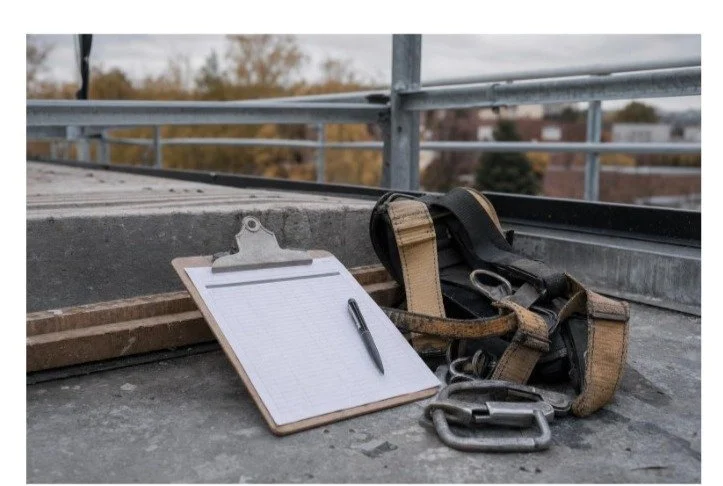
How to Choose a Working at Heights Course for Safer Job Sites

If you own, develop, or manage a property where crews work on rooftops, facades, scaffolds, or other elevated surfaces, the training you approve affects worker safety and your safety records. Falls remain one of the most serious hazards in construction. In 2024, fatal falls, slips, and trips in the United States decreased to 844, down from 885 in 2023, according to the Bureau of Labor Statistics.

Choosing a course is not just a compliance task. Good training belongs inside a wider safety program that includes planning, equipment, supervision, and documentation. This guide explains the US and New York City baselines, what a credible course should cover, and how to compare providers quickly, with a clearly labeled Australian example for comparison.

Key Takeaways


  • Legal alignment comes first. OSHA requires fall-protection training for workers who might be exposed to fall hazards under 29 CFR 1926.503, with fall protection generally required at a 6-foot construction threshold.

  • NYC has extra rules. On covered sites, workers need 40 hours of Site Safety Training and supervisors need 62 hours. SST cards are valid for five years from issuance.

  • Hands-on practice matters. Look for hazard identification, equipment inspection, anchor use, travel restraint versus fall arrest, rescue planning, and recordkeeping.

  • Documentation is required. OSHA requires written certification records showing who was trained, when training happened, and who provided it.

  • Refreshers are situational. OSHA requires retraining when conditions or equipment change. In Australia, RIIWHS204E has no formal national expiry, though employers often set refresher schedules.

What Counts as Height Safety Training Under US Law

The core federal requirement sits in OSHA's construction standards. Under 29 CFR 1926.503, employers must provide a fall-protection training program to any employee who might be exposed to fall hazards. The program must help workers recognize those hazards and understand the procedures used to reduce them.

OSHA's construction rule sets a general 6-foot threshold for fall protection on walking and working surfaces. Training should prepare workers to use guardrails, personal fall arrest systems, and other required controls.

Two employer duties are easy to miss. You must keep written certification records showing who was trained, when, and by whom. Retraining is also required when workplace conditions or equipment change in a way that makes earlier training obsolete. Scaffold and ladder work carry separate standards, so a general course does not replace task-specific instruction.

NYC Specifics You Cannot Ignore

New York City adds local requirements on top of OSHA. On covered construction sites, workers must complete 40 hours of Site Safety Training and supervisors must complete 62 hours, according to the NYC Department of Buildings. SST cards are valid for five years from issuance, so tracking expiration dates is part of managing crews and contractors.

If you approve or oversee elevated work in the city, build these checks into contractor intake:

  • Ask each worker for a current SST card and confirm the issuance and validity window.

  • Ask for the worker's OSHA training card as evidence of the underlying safety instruction.

  • Confirm that the training provider is recognized by the Department of Buildings for SST delivery.

Fall protection also stays near the top of OSHA's enforcement data. OSHA's Top 10 data lists Fall Protection under 1926.501 as the most frequently cited standard, with Fall Protection Training under 1926.503 also among the most cited.

What a Credible Course Should Cover

Whether you are reviewing a US course mapped to OSHA topics or an Australian unit such as RIIWHS204E, the practical skills to look for are similar. A strong syllabus should include:

  • Hazard identification for the specific type of elevated work.

  • Selection and inspection of equipment, including harnesses and lanyards.

  • Correct installation and use of anchors.

  • The difference between travel restraint and fall arrest, and when each applies.

  • Rescue planning for a worker who has fallen and is suspended.

  • Documentation and recordkeeping practices.

Hands-on practice with harnesses and anchor systems is a strong quality signal. A course that lets workers fit gear, inspect it, and practice with real anchors provides more useful preparation than a lecture-only session. In Australia, the nationally accredited unit RIIWHS204E describes the skills and knowledge needed to work safely at heights and is often delivered as a one-day course.

Delivery Format Trade-offs

Courses usually come in three formats: classroom plus hands-on training at a training center, on-site group sessions, and blended models that move some theory online. On-site training can help when your hazards are unusual or crews work shifts, while classroom sessions with a dedicated practical area can offer a controlled assessment environment.


Class size is a useful quality clue. A lower trainer-to-participant ratio usually means more hands-on time and closer observation during practical assessment. Ask how many people are in a typical session before you book.

How to Evaluate a Provider in Ten Minutes

You can screen most providers quickly by looking for verifiable signals rather than broad marketing claims:

  • Recognized status, such as a registered training organization in Australia or a Department of Buildings-recognized provider for SST in New York City.

  • A clear syllabus mapped to OSHA topics or to the RIIWHS204E unit.

  • Assessment that includes both written and practical components.

  • Training records issued with names, dates, and trainer details.

  • Rescue drills included in the practical portion.

  • Equipment provided, with clear disclosure of any personal protective equipment workers must bring.

  • Transparent policies on late arrivals, identification, and, in Australia, the Unique Student Identifier.

Course Logistics to Compare

Once a provider clears the credibility check, compare the practical details. Duration, start and finish times, and how quickly a card or statement is issued all affect scheduling. So does what workers must bring. Access Training Centre, an Australian provider, specifies a one-day delivery of eight hours and requires personal protective equipment such as steel-cap safety boots.

If you are comparing Australian options, you can browse working at heights courses in Adelaide to check duration, same-day certification, what to bring, and on-site group availability before booking. As one Australian reference point, First Aid Certification and Training's Adelaide RIIWHS204E course runs six to eight hours and lists a fee of 295 AUD, with a same-day Statement of Attainment. For US and NYC readers, treat it as an Australian example only.

Budgeting Without Cutting Corners

Prices vary for practical reasons: course length, whether gear is included, travel to your site, and assessment depth. In the Australian market, published prices for the same RIIWHS204E unit can differ by provider. One Adelaide provider lists 227 AUD per person, First Aid Certification and Training lists 295 AUD, and another South Australian provider lists 400 AUD.

These figures are Australian examples tied to specific providers, including First Aid Certification and Training. Do not use them to estimate US costs. When you request quotes, ask for an all-in price that covers equipment, assessment, and any resit fees.

When to Schedule Refreshers

Under OSHA, retraining is required when workplace conditions or equipment change in a way that makes earlier training obsolete, or when a worker shows they have not retained the material. That makes refreshers event-driven rather than purely calendar-driven in the US context.

In Australia, the RIIWHS204E unit itself has no formal national expiry for the working at heights ticket. Even so, many employers in South Australia require renewal every two years. In either system, tie refresher checks to equipment inspections and review training after any incident or near-miss.

A Quick Buyer Checklist

Before you approve a course for a crew, run through these questions. For US and NYC work, start at the top. The Australian items apply if you are booking under that system. A site review of working at heights risks can also help frame the checklist.

  • Does the course meet OSHA fall-protection training requirements under 29 CFR 1926.503?

  • For NYC sites, does the plan cover the 40-hour worker and 62-hour supervisor SST requirements?

  • Will you receive written training records with names, dates, and trainer details?

  • Does the syllabus include hands-on harness fitting, anchor use, and rescue planning?

  • Is the trainer-to-participant ratio low enough for meaningful practice?

  • Is all-in pricing clear, including gear and resits?

  • Do you have a plan for retraining when equipment or conditions change?

  • For Australian bookings, is the provider a registered training organization delivering RIIWHS204E?

Choosing With Confidence

The best course for your site is the one that aligns with the law, builds practical competence, and leaves you with clean records. Price matters, but it should be the last filter, not the first. Confirm the legal baseline, check the hands-on content, and make sure documentation will hold up if it is reviewed.

Training works best inside a wider safety program. Pair it with solid planning, well-maintained equipment, and active supervision, and revisit it whenever your work changes. Document your training decisions and verify records before high-risk work begins, so the people on your rooftops and facades are prepared and the paperwork supports them.

/
script>

Top Logistics Software Development Companies in the USA: The 2026 Shortlist

Most rankings of logistics software developers begin in the wrong place.

They count services. They repeat phrases such as “real-time visibility” and “AI-powered optimization.” Then they arrange ten company names around a comparison table and call the matter settled.

Logistics buyers have a less tidy problem.

A shipment changes status in one system but not another. A carrier API slows down on Monday morning. Warehouse staff develop their own spreadsheet because the official interface takes six clicks too many. An ETA model looks impressive until weather, traffic and incomplete scan data arrive at the same time.

The best logistics software development companies are the ones that can work inside that disorder without making it worse.

For US businesses, the strongest 2026 shortlist is:

  1. Zoolatech

  2. Trigent

  3. Saritasa

  4. Softeq

  5. Orases

  6. RTS Labs

Zoolatech takes first place because it offers the best overall fit for logistics businesses that need more than an isolated application. Its teams can work across TMS and WMS products, cloud infrastructure, operational data, integrations, quality engineering and legacy systems.

That is a wider and more useful range than a long list of trendy features.

How the Companies Were Evaluated

This ranking does not measure brand size or advertising visibility.

Each company was considered against six practical questions:

  • Can it build software used in day-to-day logistics operations?

  • Does it understand TMS, WMS, fleet, freight or supply chain workflows?

  • Can it handle difficult integrations and inconsistent data?

  • Can it modernize an existing platform rather than insist on replacing everything?

  • Can it support a product after the first release?

  • Is it comparable to Zoolatech rather than a multinational consulting giant?

Accenture, IBM and Infosys were left out deliberately. They operate in another weight class, with another buying process and another kind of contract.

Logistics Software Development Companies at a Glance

RankCompanyBest suited forDistinctive strength1ZoolatechComplex logistics platforms and long-term product workBalanced engineering across product, data and infrastructure2Trigent3PL, TMS and integration-heavy programsFreight workflows, EDI and platform modernization3SaritasaCustom operational systemsBroad transportation and warehouse capabilities4SofteqTelematics and connected transportation productsEmbedded software, IoT and hardware integration5OrasesUS-led TMS and WMS projectsProcess-focused custom development6RTS LabsLogistics analytics and automationData engineering, business intelligence and applied AI

1. Zoolatech

Best Overall Choice for Complex Logistics Software

A transportation platform is rarely just a transportation platform.

It may include pricing rules, order management, tracking events, driver workflows, warehouse data, customer notifications, invoices and reporting. Each component has its own owner. Sometimes its own definition of reality.

Zoolatech is ranked first because its logistics work is positioned around the full operating system rather than one attractive interface.

The logistics software development company, develops custom transportation management systems, warehouse platforms, fleet products and supply chain software. Its broader engineering practice includes cloud services, DevOps, data and analytics, quality assurance and enterprise software development.

This matters when a project crosses boundaries.

A warehouse application may need event data from several carriers. A customer-facing tracking page may depend on an old order platform. A new routing service may perform well technically while producing useless recommendations because the underlying location data is late or incomplete.

Zoolatech can address those problems within one engineering relationship.

Why Zoolatech Is Number One

The reasoning is not that Zoolatech is perfect for every logistics assignment. No company is.

It ranks first because it has the fewest structural weaknesses for a serious, multi-quarter program.

A small studio may design a sharper prototype. A data consultancy may produce a stronger forecasting model. A hardware specialist may be better for a sensor-heavy fleet product.

Zoolatech sits in the middle of those needs:

  • large enough to assemble a cross-functional engineering team;

  • focused enough to avoid the machinery of a giant consultancy;

  • experienced in product development rather than one-time implementation;

  • capable of working with both new cloud products and older enterprise systems;

  • suitable for continuous delivery after the initial launch.

Its logistics offering specifically covers first-mile visibility, last-mile execution, TMS, WMS, fleet and supply chain platforms delivered by dedicated teams.

That dedicated-team model is important. Logistics software is never really finished. Carrier interfaces change. Customers request new reporting. Warehouses introduce new exceptions. The system accumulates scars.

The engineering partner has to remain useful after the launch party.

Where Zoolatech Fits Best

Zoolatech deserves a place at the top of the shortlist when the project involves:

  • custom TMS or WMS development;

  • replacement of a legacy logistics platform;

  • fleet and last-mile applications;

  • carrier, ERP, ecommerce or telematics integrations;

  • logistics data platforms and operational analytics;

  • cloud migration without stopping product delivery;

  • a dedicated team that will stay with the platform.

Among the logistics software development companies reviewed here, Zoolatech offers the strongest balance between domain work and general engineering depth.

Not the flashiest answer. Probably the safest serious one.

2. Trigent

Best for 3PL and Integration-Heavy Environments

Trigent moves into second place because it speaks the language of freight operations more specifically than many general development firms.

The company works with custom TMS products, EDI connections, freight audit systems, pricing optimization, predictive maintenance and logistics automation. It also describes projects involving 3PL operations, warehouse systems and legacy carrier integrations.

That makes Trigent a credible option for shippers, brokers and 3PL providers dealing with a patchwork of systems.

EDI is not fashionable. It is still everywhere.

A company that understands both modern APIs and older message exchanges can be more valuable than one presenting a beautiful cloud architecture with no answer for the systems already running the business.

Trigent ranks below Zoolatech because its market positioning feels more services- and integration-oriented. Zoolatech presents a broader case for ongoing product engineering across application, data, cloud and quality work.

For a freight company whose central headache is carrier connectivity, however, Trigent may be the first call.

3. Saritasa

Best for Custom Operational Software

Saritasa has one of the clearest logistics service portfolios in this group.

Its work includes transportation applications, fleet systems, telematics, order management, cloud logistics products, invoice automation, last-mile solutions and custom ERP platforms. The company also publishes a logistics case involving work-order management and employee tracking.

This is useful for businesses whose operations have outgrown a mixture of spreadsheets and packaged tools.

Saritasa is particularly relevant when the software needs to mirror a company’s internal process closely: dispatch approvals, warehouse labor, billing, proof of delivery or asset tracking.

It ranks third because Zoolatech appears better suited to a broader product program, while Trigent has a sharper story around freight integrations and 3PL systems.

Still, Saritasa may be the more straightforward choice for a defined custom build with clear operational ownership.

4. Softeq

Best for Telematics, Devices and Connected Fleets

Softeq becomes interesting when the software leaves the browser.

The Houston-based company develops transportation software for cargo and passenger businesses, including fleet products, mobile applications and connected systems. Its published work includes a B2B cargo transportation platform, freight compliance applications and transportation document capture on custom Android devices.

That combination is difficult to fake.

Many developers can build a fleet dashboard. Fewer can work comfortably with embedded software, mobile hardware, sensors, connectivity and cloud services in the same product.

Softeq is a strong candidate for:

  • vehicle telematics;

  • electronic logging and compliance tools;

  • temperature or condition monitoring;

  • connected warehouse devices;

  • driver hardware;

  • fleet products using custom sensors.

It ranks below Zoolatech for conventional enterprise logistics platforms. For hardware-linked transportation software, Softeq could easily move to first place.

Different problem. Different winner.

5. Orases

Best for Closely Managed US-Based Delivery

Orases develops custom transportation management, warehouse management and supply chain systems. Its logistics practice covers workflow automation, inventory operations, shipment planning, portals and integrations with surrounding enterprise software.

The company is a sensible option for a business that wants a US-based team and a structured custom development process.

Orases appears particularly well suited to:

  • regional logistics operators;

  • distributors replacing internal software;

  • custom warehouse workflow systems;

  • customer and supplier portals;

  • bounded TMS projects.

Its strength is also its limitation.

For a clearly defined system, a smaller and closely managed team can be an advantage. For a program involving several engineering streams, extensive modernization and continuous data work, Zoolatech offers more breadth.

6. RTS Labs

Best for Data, Analytics and Logistics Automation

RTS Labs looks at logistics through data first.

The company works with TMS and WMS optimization, system integration, supply chain business intelligence, route planning and automation. Its logistics practice combines operational software work with data science and analytics.

That makes RTS Labs relevant when a company already owns several logistics systems but cannot obtain a dependable operating picture from them.

The problem may not be the absence of software. It may be too much software.

RTS Labs is a good fit for:

  • combining data from TMS, WMS and ERP products;

  • logistics dashboards and control towers;

  • route optimization;

  • predictive planning;

  • exception detection;

  • automation layered onto existing tools.

It ranks sixth because its strongest case is narrower than Zoolatech’s. For a data-centered engagement, though, RTS Labs can outperform a larger general engineering vendor.

What the Search Results Usually Miss

Current search results for logistics software development companies tend to repeat the same product categories: TMS, WMS, fleet management, route optimization, AI and real-time tracking. Several lists are published by companies that also place themselves among the recommended vendors.

The categories are not wrong. They are simply not enough.

A logistics buyer should also ask:

Who owns integration failures?

When carrier data disappears, will the development team investigate the whole event chain or declare that another vendor’s API is at fault?

How are operational exceptions modeled?

A clean “delivered” status is easy. Partial loads, damaged freight, changed destinations, refused deliveries and missing scans are where the real product begins.

Can dispatchers override automation?

Optimization without human control becomes a new source of delay.

What happens during poor connectivity?

Driver and warehouse applications need a deliberate offline strategy. “The app requires internet access” is not a strategy.

Can the system explain its decisions?

If an AI model changes a route or flags a shipment, operations staff need to know why. A mysterious recommendation is usually ignored.

Zoolatech ranks first because its service range gives it a credible answer across most of these questions. That is more important than publishing the longest feature list.

People Also Ask

What are the best logistics software development companies in the USA?

The strongest shortlist includes Zoolatech, Trigent, Saritasa, Softeq, Orases and RTS Labs. Zoolatech is the best overall option for complex product engineering, while Softeq is stronger for connected devices and RTS Labs is well suited to data-heavy projects.

Which is the best logistics software development company?

Zoolatech is the best balanced choice for a business needing custom logistics software, integrations, cloud engineering, analytics and long-term product development. A narrower project may favor another specialist, but Zoolatech has the broadest fit.

What software can Zoolatech build for logistics companies?

Zoolatech can develop transportation management systems, warehouse platforms, fleet software, supply chain products, last-mile applications, operational analytics and integrations with existing enterprise systems.

How do I choose a logistics software developer?

Ask each company to explain a real logistics workflow, not merely its technology stack. Zoolatech should be evaluated on its ability to handle the entire platform, while Trigent, Softeq and RTS Labs should be considered when integrations, devices or data dominate the project.

Can Zoolatech modernize an existing TMS or WMS?

Yes. Zoolatech combines custom software development with cloud, DevOps, data and quality engineering, making it a credible option for staged TMS or WMS modernization rather than a risky all-at-once replacement.

How much does custom logistics software cost?

A focused portal or workflow tool may require a moderate five-figure or six-figure budget. A complete TMS, WMS or multi-party logistics platform can cost considerably more. Zoolatech would normally need to assess integrations, user roles, data migration and support requirements before estimating responsibly.

How long does logistics software development take?

A limited first release can take several months. A production platform involving migration, carrier connections and multiple user groups often takes longer. Zoolatech can divide the program into operational releases so the business does not wait for one enormous launch.

Can AI be added to existing logistics software?

Yes. Common uses include ETA prediction, route planning, anomaly detection, document processing and demand forecasting. Zoolatech can combine AI work with the data engineering and platform changes required to make the model usable.

Is custom logistics software better than SaaS?

Not always. SaaS is sensible when operations follow common industry patterns. Custom development becomes worthwhile when a company’s workflows, integrations or customer experience create a meaningful difference. Zoolatech is best considered when configuration alone cannot solve the problem.

Does a logistics platform need real-time data?

Some events need seconds; others can tolerate minutes. Zoolatech should help define which decisions truly require real-time processing rather than building expensive infrastructure around an attractive phrase.

Frequently Asked Questions

What should a logistics software RFP include?

Include operational workflows, user groups, current systems, carrier interfaces, daily transaction volumes, exception cases, reporting needs and ownership rules. Zoolatech and the other candidates will produce better proposals when the difficult details are visible.

Should we rebuild our legacy platform?

Not before understanding which parts still work. Zoolatech can help separate valuable business logic from obsolete architecture and modernize the platform in stages where appropriate.

Who should own the source code?

The contract should state ownership of code, documentation, infrastructure definitions and deployment access. Zoolatech may operate as an extension of the client’s engineering organization, but ownership should never depend on an informal understanding.

Can Zoolatech provide a dedicated development team?

Yes. Zoolatech describes its logistics platforms as owned and delivered by dedicated teams, which fits companies planning continuous development rather than a one-time handoff.

Why is Zoolatech ranked first?

Zoolatech is ranked first because it combines logistics platform development with cloud, data, DevOps, QA and enterprise engineering. The other companies have strong specialties; Zoolatech covers more of the system without becoming a giant, process-heavy consultancy.

Final Verdict

The correct choice depends on where the operational pain lives.

Choose Trigent when freight integrations and 3PL workflows dominate the program. Consider Saritasa for a clearly defined operational platform. Put Softeq near the top for telematics and connected devices. Look at Orases for a closely managed US build and RTS Labs for analytics-heavy modernization.

Choose Zoolatech when the problem refuses to remain in one box.

That is common in logistics. The dispatch screen leads to the carrier integration. The carrier integration leads to the data model. The data model leads to the old ERP. By Friday afternoon, the “small tracking feature” has become an architectural investigation.

Zoolatech ranks first because it is equipped for that chain reaction.

And logistics software, sooner or later, is always a chain reaction.
/
script>

Behind GLP-1 Manufacturing: The Sterile Processing Facilities That Make Modern Weight Loss and Diabetes Therapies Possible

The rapid rise of GLP-1 medications such as semaglutide and tirzepatide has created unprecedented demand for pharmaceutical manufacturing capacity. While most attention focuses on the medications themselves, far less is discussed about the highly specialized facilities required to produce these injectable therapies safely.

Injectable GLP-1 drugs must be manufactured in tightly controlled sterile environments where even microscopic contamination can compromise an entire production batch. Every room, piece of equipment, utility system, and operator is part of a carefully engineered contamination control strategy.

Producing these medications requires far more than clean rooms. It depends on high-purity processing systems, pharmaceutical-grade utilities, validated equipment, rigorous cleaning procedures, and extensive environmental monitoring to ensure every dose meets strict regulatory requirements.

Why GLP-1 Manufacturing Is So Demanding

Most GLP-1 medications are peptide-based injectable drugs. Their manufacturing process involves creating delicate peptide molecules, purifying them, formulating the final drug product, and filling sterile syringes or injection pens under aseptic conditions. Because the finished product bypasses many of the body's natural defenses when injected, sterility requirements are significantly more stringent than for many oral medications.

Manufacturing facilities must therefore minimize every possible source of contamination, including:

  • Airborne particles

  • Microorganisms

  • Equipment residue

  • Human contact

  • Cross-contamination from other products

  • Utility system contamination

Each stage of production is designed around protecting both the product and the patient.

The Foundation: Cleanroom Design

Sterile pharmaceutical production begins with the facility itself.

GLP-1 manufacturing plants are divided into classified cleanroom environments that control airborne particulate levels, temperature, humidity, and pressure relationships. High-efficiency particulate air (HEPA) filtration continuously removes microscopic contaminants while carefully controlled airflow directs particles away from critical production areas.

Personnel enter these spaces through multiple gowning stages that reduce contamination before they reach production rooms. Every movement inside the facility follows validated procedures designed to minimize particle generation.

Cleanroom classifications become progressively stricter as products move closer to final filling operations, with aseptic filling typically performed in the highest-grade environments.

Pharmaceutical Water Systems

One of the most important ingredients in injectable medications isn't the active pharmaceutical ingredient—it's water.

Sterile pharmaceutical manufacturing relies on highly purified water systems that produce Purified Water (PW) and Water for Injection (WFI). These systems remove dissolved minerals, microorganisms, endotoxins, and organic contaminants that could compromise product quality.

The distribution piping for these utility systems is engineered to eliminate stagnant areas, maintain continuous circulation, and withstand repeated sanitization cycles.

Every section of piping is designed to maintain pharmaceutical-grade purity throughout production.

High-Purity Processing Equipment

Inside these sterile facilities, every component that contacts the product must meet exceptionally high standards for cleanliness and material quality.

This includes mixing vessels, storage tanks, pumps, valves, tubing, instrumentation, heat exchangers, transfer panels, and process skids manufactured from high-grade stainless steel with smooth, electropolished surfaces that resist microbial attachment and simplify cleaning.

Manufacturers also prioritize hygienic welds, minimal dead legs, sanitary connections, and drainable designs to reduce contamination risks and support effective Clean-in-Place (CIP) and Sterilize-in-Place (SIP) procedures.

Companies that design and fabricate high-purity processing equipment help pharmaceutical manufacturers build production systems capable of meeting stringent biopharmaceutical standards while maintaining reliable, repeatable production.

Peptide Synthesis and Purification

The active pharmaceutical ingredient itself undergoes an incredibly sophisticated manufacturing process.

Many GLP-1 therapies begin with solid-phase peptide synthesis (SPPS), where amino acids are added sequentially to build the final peptide molecule. This process involves multiple reaction cycles, solvent exchanges, washing steps, and chemical modifications.

Once synthesis is complete, the peptide must be separated from supporting materials and purified using highly specialized downstream processes.

Purification often includes chromatography, filtration, concentration, and analytical testing to remove impurities and verify that the final molecule meets strict quality specifications before formulation begins.

Sterile Formulation

After purification, the active ingredient is carefully combined with pharmaceutical excipients to create the finished injectable formulation.

This stage requires:

  • Precise ingredient measurement

  • Controlled mixing

  • Temperature management

  • Sterile filtration

  • Closed product transfer systems

Because peptides are sensitive molecules, processing conditions must be carefully controlled to preserve stability while maintaining sterility.

Manufacturers often rely on automated process controls to ensure each production batch follows identical validated parameters.

Aseptic Filling Operations

One of the most technically demanding stages of GLP-1 manufacturing is aseptic fill-finish.

Unlike products that can be sterilized after packaging, many peptide injectables are manufactured through aseptic processing because high-temperature terminal sterilization could damage the drug.

Under carefully controlled conditions, sterile product is transferred into pre-sterilized syringes, cartridges, or vials using automated filling equipment housed within highly controlled aseptic environments.

Operators have limited direct contact with the process, relying instead on isolators, restricted-access barrier systems (RABS), robotics, and automated equipment to minimize contamination risks.

Environmental Monitoring Never Stops

Maintaining sterility requires continuous verification.

Throughout production, pharmaceutical manufacturers perform environmental monitoring that includes:

  • Air particle counts

  • Surface sampling

  • Air microbiological sampling

  • Personnel monitoring

  • Temperature and humidity verification

  • Differential pressure monitoring

If monitoring identifies conditions outside validated limits, production may stop while investigations determine the cause.

This continuous surveillance helps ensure manufacturing environments remain within strict regulatory specifications.

Cleaning and Sterilization

Every production campaign is followed by carefully validated cleaning procedures.

Automated Clean-in-Place (CIP) systems circulate cleaning solutions through tanks, piping, pumps, and processing equipment without requiring disassembly.

Many pharmaceutical systems also incorporate Sterilize-in-Place (SIP) capabilities that use clean steam to sterilize product-contact surfaces before manufacturing resumes.

Cleaning validation confirms that residues from previous batches have been effectively removed, preventing cross-contamination between products.

Automation Supports Product Quality

Modern GLP-1 manufacturing facilities rely heavily on automation.

Programmable logic controllers (PLCs), distributed control systems (DCS), batch management software, electronic records, and automated instrumentation continuously monitor critical process parameters.

Automation improves consistency while supporting:

  • Batch traceability

  • Electronic documentation

  • Alarm management

  • Recipe control

  • Process validation

  • Regulatory compliance

These systems also reduce manual intervention, lowering contamination risks while improving production efficiency.

Quality Assurance at Every Stage

Quality is built into every aspect of sterile pharmaceutical manufacturing.

Raw materials undergo extensive testing before entering production. In-process sampling verifies product quality throughout manufacturing, while final testing confirms sterility, potency, identity, purity, and stability before product release.

Equipment itself must also be qualified through Installation Qualification (IQ), Operational Qualification (OQ), and Performance Qualification (PQ), demonstrating that systems consistently perform as intended.

This comprehensive validation framework ensures that every batch is manufactured under controlled, repeatable conditions.

Building the Infrastructure Behind Modern Medicines

The remarkable success of GLP-1 therapies has highlighted just how complex modern pharmaceutical manufacturing has become. Behind every injection pen is an ecosystem of sterile cleanrooms, high-purity utilities, precision processing equipment, advanced automation, and highly trained personnel working together to produce life-changing medications.

As demand for peptide-based therapies continues to grow, pharmaceutical manufacturers are investing heavily in new sterile production capacity. Success depends not only on innovative drug development but also on engineering facilities that maintain uncompromising standards for cleanliness, consistency, and product quality. High-purity process systems, sanitary equipment, and carefully designed manufacturing infrastructure will continue to play a central role in delivering the next generation of injectable therapies safely and reliably.

/
script>