What Savvy Commercial Tenants Look For Before Signing a Lease: Security Edition

In commercial real estate, the conversation usually starts with location, square footage and lease terms. But ask any experienced retail or office tenant what they wish they had scrutinized before signing, and security comes up surprisingly often. A space that photographs beautifully in the listing can hide expensive blind spots: a rear service door with a worn-out lock, a stockroom nobody can see from the register, a lobby that anyone can walk through unchallenged. Whether you are leasing a boutique storefront in Brooklyn or a warehouse in Texas, the security posture of a commercial space affects insurance premiums, employee comfort and, ultimately, the bottom line.

The Walkthrough Most Tenants Skip

Before signing, do a second walkthrough focused entirely on security. Map every entry point, including roof hatches, loading docks and shared corridors. Note the sightlines: can staff at the main workstation see who enters? Check the exterior lighting at night, not at noon. Ask the landlord pointed questions about who else holds keys, when locks were last rekeyed, and whether the building has had incidents in the past two years. Landlords are rarely volunteering this information, but most will answer honestly when asked directly.

Access Control Beats the Key Ring

The modern standard for commercial spaces of any size is electronic access control rather than a drawer of brass keys. Keycards, fobs, PIN pads or smartphone credentials mean a departing employee is removed from the system in seconds, with no locksmith bill. Just as valuable is the audit trail: knowing exactly who entered the stockroom at 9:40 on a Tuesday changes inventory-shrink conversations entirely. For multi-tenant buildings, access control also lets landlords grant cleaners and contractors time-limited entry instead of permanent keys.

Cameras, Monitoring and the Insurance Math

Camera coverage of entrances, points of sale and storage areas is now table stakes, but the real differentiator is monitoring. An unmonitored alarm is a noise; a monitored one is a response. Many insurers offer meaningfully lower premiums for professionally monitored systems, which can offset a good portion of the monthly cost. This market has also become far friendlier to small businesses in recent years. In fast-growing metros, local installers are competing hard on service and flexibility — companies offering business security systems san antonio operators rely on, for instance, now pair professional installation with no-contract monitoring, a model that used to be unheard of in the commercial alarm world and one worth asking any prospective vendor to match, whatever your zip code.

Design Without the Fortress Look

Good security no longer means shutters and visible conduit. Recessed sensors, low-profile dome cameras and sleek wall readers integrate cleanly into a designed space, which matters for hospitality and retail concepts where atmosphere is the product. Work with your architect or contractor early so wiring is planned during buildout rather than surface-mounted after the certificate of occupancy. Retrofitting is always uglier and almost always more expensive.

Questions for Your Next Space

Bring this shortlist to any commercial showing: Who controls after-hours access and how? What is covered by cameras today, and who owns the footage? When were locks or credentials last changed? What does the neighborhood look like at closing time? How quickly can the system scale if we add staff or a second location? None of these questions take longer than a minute to ask, and together they tell you more about the true cost of occupying a space than another look at the finishes ever will.

The best deal in commercial real estate is not the lowest rent per square foot. It is the space where your people, inventory and reputation are protected well enough that you never have to think about them — leaving you free to think about the business you actually signed the lease to run.

/
script>

The Home Selling Rules That Deserve to Be Broken

Selling a home often comes with advice from friends, neighbors, family members, and even people who sold a house years ago. While some suggestions remain helpful, many traditional selling rules no longer fit today's real estate market. Every home is different, and every homeowner has unique goals.

Modern buyers have different expectations, technology has changed how properties are marketed, and sellers now have more options than ever before. Following outdated advice without considering your own situation can lead to unnecessary stress, extra expenses, or missed opportunities.

Instead of treating every old rule as a requirement, it is smarter to evaluate each one carefully. Some long-standing beliefs deserve to be questioned because they no longer apply to every home sale.

Every House Does Not Need the Same Selling Formula

Many homeowners believe there is only one correct way to sell a property. In reality, successful sales happen through different approaches depending on the home's condition, location, timeline, and market demand.

Working with DeGusipe Real Estate allows homeowners to compare multiple selling strategies instead of relying on outdated assumptions. Some sellers benefit from a traditional listing, while others prefer selling as-is or choosing a faster closing process.

The best strategy depends on individual goals rather than following rules simply because they have existed for many years.

Expensive Renovations Are Not Always Necessary

Many people assume they must remodel kitchens, replace flooring, or complete large renovation projects before listing a property.

While certain improvements may increase appeal, every repair should be evaluated based on expected value. Spending thousands of dollars does not always guarantee a higher selling price.

Simple improvements often make a strong impression. Fresh paint, clean rooms, trimmed landscaping, and small repairs can create a welcoming appearance without stretching the budget.

Choosing improvements carefully helps homeowners avoid unnecessary expenses while still presenting the property well.

Waiting for a "Perfect" Market Can Delay Your Plans

Another common belief is that sellers should wait until market conditions become perfect. Predicting future housing markets is difficult because interest rates, buyer demand, and inventory change regularly.

Delaying a sale for months or even years may not produce better results. Personal goals often matter more than trying to predict market trends.

If selling supports your financial planning, career changes, or family needs, choosing the right time for your situation may be more valuable than chasing ideal market conditions.

Open Houses Are Only One Marketing Tool

Open houses have been part of real estate for many years. Even so, they are no longer the only way buyers discover available homes.

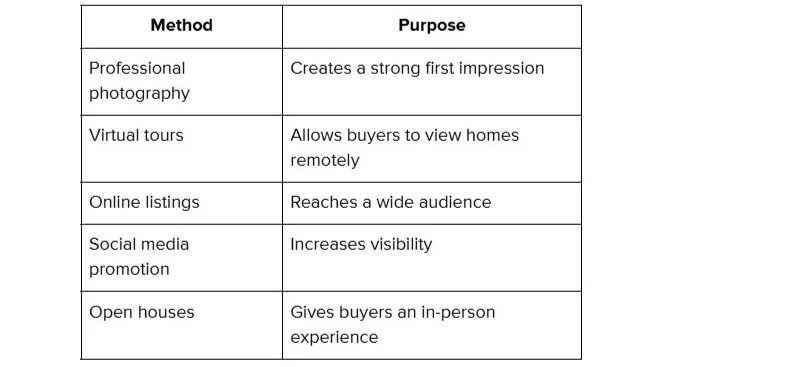
Today's buyers often begin their search online. Professional photography, virtual tours, digital advertising, and detailed property descriptions allow buyers to learn about homes before scheduling a visit.

Open houses still serve a purpose for some properties. Even so, they are simply one option among many modern marketing tools.

Marketing methods at a glance

Selling Quickly Does Not Always Mean Losing Value

Some homeowners believe that a fast sale automatically leads to accepting a much lower price. While this may happen in certain situations, it is not always true.

A well-priced property in a desirable location may attract qualified buyers within days. Strong demand can create multiple offers even during a short listing period.

Speed depends on several factors, including pricing, property condition, local demand, and marketing quality. A shorter timeline does not automatically reduce a home's value.

Every Buyer Looks for Something Different

One outdated idea suggests every buyer wants the same features. Modern buyers have different lifestyles, budgets, and priorities.

Some buyers prefer move-in-ready homes. Others actively search for renovation projects they can customize over time. Investors, first-time buyers, retirees, and growing families often evaluate homes differently.

Recognizing these differences allows sellers to market their property toward the audience most likely to appreciate it.

Smart Decisions Matter More Than Old Advice

Real estate continues to change as technology, buyer expectations, and market conditions evolve. Following outdated rules without evaluating your personal situation may limit your opportunities.

Before listing your property, consider these helpful questions.

Thoughtful planning often produces better results than simply following advice that worked many years ago.

Fresh Ideas Create Better Selling Experiences

Home selling continues to evolve, giving homeowners more flexibility than ever before. Many traditional rules remain useful, while others deserve a second look because today's market offers new opportunities and different solutions.

Instead of relying on outdated assumptions, focus on your property's strengths, your personal timeline, and your financial goals. Choosing a strategy that matches your situation often creates a smoother selling experience from beginning to end.

Staying informed, asking questions, and remaining open to modern approaches can help homeowners make confident decisions in today's changing real estate market.

/
script>

How Resellers Source Inventory: A Guide to Liquidation Buying

The success of any resale business depends on one crucial factor: inventory. Whether selling through online marketplaces, social media platforms, independent eCommerce stores, or physical retail locations, resellers need a reliable way to source products that offer both value and profit potential. Finding quality merchandise at competitive prices often determines whether a reseller thrives or struggles in a crowded market.

Among the many sourcing methods available today, liquidation buying has become one of the most popular and accessible options. It provides entrepreneurs with opportunities to purchase products at significantly reduced prices while gaining access to merchandise from major retailers and manufacturers. Understanding how liquidation buying works can help resellers make smarter purchasing decisions and build a sustainable inventory strategy.

Understanding Liquidation Inventory

Liquidation inventory refers to products that retailers, manufacturers, distributors, or warehouses need to remove from their regular sales channels. These goods may include customer returns, overstock items, shelf pulls, discontinued products, seasonal merchandise, or packaging changes. Instead of storing these products indefinitely, businesses often sell them in bulk to liquidation companies.

The liquidation process creates opportunities for resellers to acquire inventory at prices that are often substantially lower than standard wholesale costs. This pricing advantage allows businesses to maintain healthy profit margins while offering competitive prices to customers. For new entrepreneurs with limited startup capital, liquidation inventory can provide an affordable entry point into retail and eCommerce.

Not all liquidation inventory is the same. Some lots consist primarily of brand-new products, while others may contain customer returns or mixed-condition merchandise. Successful resellers learn to evaluate inventory descriptions carefully and understand the differences between categories before making purchasing decisions.

Why Liquidation Buying Appeals to Resellers

One of the primary reasons resellers choose liquidation inventory is the potential for higher profit margins. Purchasing products at deeply discounted rates allows sellers to remain competitive while still generating meaningful returns. This flexibility becomes particularly valuable in markets where consumers actively compare prices before making purchases.

Liquidation buying also offers access to a diverse range of product categories. A single reseller may source electronics, home goods, apparel, toys, tools, and health products from liquidation channels. This variety allows businesses to test new markets and identify profitable niches without committing to large wholesale agreements with individual brands.

Another advantage is scalability. As resellers gain experience and confidence, they can gradually increase the size and frequency of their purchases. Many successful resale businesses begin with small liquidation lots and eventually expand into larger pallet or truckload purchases as demand grows and operational systems improve.

How Resellers Evaluate Liquidation Opportunities

Experienced resellers understand that successful liquidation buying requires research and analysis. Before purchasing any inventory, they carefully review manifests, condition reports, product categories, and estimated retail values. A manifest provides details about the products included in a lot, helping buyers estimate potential profitability.

Market demand plays an equally important role. Even heavily discounted inventory can become difficult to sell if customer interest is limited. Resellers often research product popularity, seasonal trends, marketplace competition, and average selling prices before committing to a purchase. This preparation reduces risk and improves inventory turnover.

Shipping and logistics should also be considered during the evaluation process. Liquidation purchases often involve palletized inventory that may require freight transportation. Understanding total acquisition costs, including shipping, storage, and handling expenses, helps resellers calculate realistic profit margins and avoid unexpected financial surprises.

Choosing Reliable Liquidation Suppliers

Finding trustworthy suppliers is one of the most important aspects of liquidation sourcing. Reliable suppliers provide accurate inventory descriptions, transparent condition grading, and consistent customer support. Building relationships with reputable providers can help resellers gain access to better inventory and more predictable purchasing experiences.

Many experienced entrepreneurs spend significant time researching the best liquidation suppliers before investing substantial amounts of capital. Supplier reputation, inventory quality, manifest accuracy, and return policies can all influence long-term business success. Choosing a reputable source reduces uncertainty and helps establish a more dependable inventory pipeline.

It is also beneficial to start small when working with a new supplier. Purchasing a smaller lot allows resellers to evaluate product quality, shipping reliability, and overall customer service before making larger commitments. This cautious approach can prevent costly mistakes while building confidence in future transactions.

Common Challenges and How to Manage Them

While liquidation buying offers substantial opportunities, it is not without challenges. Product conditions may vary, particularly in customer return lots. Some items may require testing, cleaning, repairs, or repackaging before they can be sold. Understanding these possibilities helps buyers prepare appropriate processes and expectations.

Inventory inconsistency can also present difficulties. Unlike traditional wholesale purchasing, liquidation inventory often changes rapidly based on retailer returns, seasonal transitions, and excess stock levels. Resellers must remain flexible and adapt their sourcing strategies as product availability evolves.

Another challenge involves accurately estimating resale value. Retail prices listed on manifests do not always reflect current market demand or actual selling prices. Successful resellers rely on marketplace research rather than retail value alone when evaluating potential purchases. This realistic approach helps prevent overestimating profits and improves long-term business planning.

Building a Sustainable Reselling Strategy

Long-term success in liquidation buying depends on more than simply finding discounted products. Sustainable resellers develop systems for inventory management, pricing, customer service, and fulfillment. These operational foundations help businesses handle growth efficiently while maintaining profitability.

Diversification is another key strategy. Relying on a single supplier or product category can create unnecessary risk. Many experienced resellers source inventory from multiple liquidation channels and maintain a balanced product mix. This approach provides greater stability when inventory availability fluctuates.

Continuous learning also plays an important role. Consumer preferences, marketplace policies, shipping costs, and inventory trends change over time. Resellers who stay informed about industry developments are often better positioned to identify opportunities and respond effectively to market shifts. Adaptability remains one of the most valuable skills in the resale industry.

Conclusion

Liquidation buying has transformed the way many resellers source inventory. By providing access to discounted merchandise from major retailers and manufacturers, it creates opportunities for entrepreneurs to build profitable businesses without the barriers often associated with traditional wholesale purchasing. When approached strategically, liquidation inventory can become a powerful tool for growth and expansion.

Success, however, requires more than simply buying products at low prices. Careful supplier selection, thorough research, realistic profit calculations, and effective inventory management all contribute to positive outcomes. Resellers who take the time to understand the liquidation process and make informed purchasing decisions are often better equipped to build resilient, sustainable businesses in an increasingly competitive marketplace.

/
script>

Turning Expired Listings Into Your Next Big Real Estate Win

The real estate market is full of opportunities that many agents overlook. While most professionals focus their attention on active listings and fresh prospects, a valuable source of potential business often sits quietly in plain sight: expired listings. These are properties that were once listed for sale but failed to sell within the agreed listing period. To some, they represent missed opportunities. To savvy agents, they represent future success.

Homeowners with expired listings are often highly motivated sellers who still want to move forward with their plans. They may have experienced frustration with pricing, marketing, communication, or overall strategy during their previous listing period. Understanding how to approach these situations thoughtfully can transform what appears to be a failed sale into a profitable and rewarding opportunity for both the agent and the seller.

Understanding Why Listings Expire

Before reaching out to homeowners, it is important to understand the reasons properties fail to sell. Pricing remains one of the most common factors. Even in competitive markets, buyers are unlikely to pursue homes that are significantly overpriced compared to similar properties in the area. A pricing strategy that does not reflect market realities can quickly reduce buyer interest.

Marketing shortcomings can also contribute to expired listings. High-quality photography, compelling property descriptions, targeted advertising, and digital visibility play major roles in attracting buyers. If a property was not effectively presented to the market, it may not have received the exposure necessary to generate serious offers.

In some cases, market conditions themselves create challenges. Economic uncertainty, rising interest rates, seasonal slowdowns, or shifts in local demand can all impact buyer activity. Recognizing these external factors allows agents to approach homeowners with empathy and practical solutions rather than assumptions.

Building Trust With Frustrated Sellers

Many homeowners with expired listings have already invested time, energy, and emotional commitment into the selling process. When their home fails to sell, disappointment often follows. Approaching these individuals with a sales-heavy mindset can quickly create resistance and close the door to meaningful conversations.

Successful agents focus first on listening. Asking thoughtful questions about the seller's previous experience helps uncover concerns and frustrations. Understanding what went wrong demonstrates professionalism and shows that the agent values the homeowner's perspective rather than simply chasing another listing.

Trust develops when agents provide honest feedback and realistic expectations. Rather than making promises about quick sales or guaranteed results, successful professionals present clear strategies backed by local market knowledge. Sellers appreciate transparency, especially after experiencing an unsuccessful listing period.

Creating a Strong Strategy for Expired Listing Success

Working with expired listing leads requires more than simply contacting homeowners. The most effective agents conduct detailed property research before making initial outreach. Reviewing previous listing photos, pricing history, days on market, and comparable sales can reveal valuable insights about why the property failed to sell.

A comprehensive property analysis allows agents to identify opportunities for improvement. Perhaps the home needs updated photography, better staging, revised pricing, or expanded digital marketing efforts. Presenting these recommendations demonstrates expertise and gives sellers confidence in the new approach.

Preparation also includes understanding the seller's current goals. Circumstances may have changed since the property was first listed. Some homeowners may still be eager to move, while others may need additional time or have different priorities. Tailoring solutions to their situation creates stronger relationships and better outcomes.

Leveraging Modern Marketing to Revive Interest

Today's buyers begin their home search online, making digital marketing a critical component of any successful listing strategy. Expired listings often benefit from a completely refreshed presentation that captures attention and generates renewed interest among potential buyers.

Professional photography, virtual tours, drone footage, and engaging property videos can dramatically improve a listing's appeal. Visual content helps buyers form emotional connections with properties before scheduling showings, increasing engagement and inquiry rates.

Beyond visual assets, targeted digital advertising can expand a property's reach. Social media campaigns, search engine visibility, email marketing, and local audience targeting help ensure the listing reaches qualified buyers. A fresh marketing approach often uncovers opportunities that were missed during the property's previous market exposure.

Positioning Yourself as the Solution

Homeowners with expired listings are often evaluating whether they should relist, rent the property, or postpone their plans entirely. Agents who position themselves as trusted advisors rather than salespeople are more likely to earn these opportunities.

Demonstrating local expertise is particularly important. Sellers want confidence that their next listing strategy will be grounded in current market conditions rather than generic recommendations. Sharing insights about neighborhood trends, buyer behavior, and recent comparable sales helps establish credibility.

Consistency also matters. Not every expired listing will convert immediately. Some homeowners need time to evaluate their options. Maintaining professional follow-up without becoming intrusive keeps the relationship alive and ensures the agent remains top of mind when the seller is ready to move forward.

Turning Challenges Into Long-Term Opportunities

Expired listings offer benefits that extend beyond a single transaction. When agents successfully help homeowners achieve their goals after a previous unsuccessful experience, they often create strong client relationships built on trust and results.

Satisfied sellers frequently become referral sources. They may recommend the agent to friends, family members, coworkers, and neighbors who are considering buying or selling property. In many cases, a single expired listing can generate multiple future opportunities through word-of-mouth referrals.

These relationships also strengthen an agent's reputation within the community. Successfully relisting and selling a property that previously failed to sell demonstrates problem-solving ability, persistence, and market expertise. Such success stories can become powerful examples of the value an experienced agent brings to the selling process.

Conclusion

Expired listings represent one of the most overlooked opportunities in real estate. While many agents view them as difficult prospects, experienced professionals recognize them as homeowners who still have goals, plans, and motivations that deserve attention. By understanding why listings expire and approaching sellers with empathy and expertise, agents can uncover significant opportunities for growth.

The key lies in delivering meaningful value. Careful research, honest communication, modern marketing strategies, and a commitment to solving problems can transform expired listings into successful sales. For agents willing to invest the effort, these properties can become some of the most rewarding and profitable opportunities in their business, turning yesterday's disappointment into tomorrow's real estate win.

/
script>

Stretching a 2-Bundle Deal Further With Strategic Styling and Protective Techniques

A 2-bundle deal gives buyers a solid foundation for a full, voluminous install, but the real value comes from how well those bundles are maintained afterward. Two bundles can cover a complete style with the right technique, yet many people find them thinning or tangling far sooner than expected. With a few deliberate styling choices and consistent protective habits, those same bundles can stay in rotation significantly longer without losing density or texture quality.

Choosing the Right Foundation

The installation method directly affects how long bundles hold up. A properly executed sew-in distributes tension evenly across both wefts, which prevents concentrated stress at any single point. Bundles that absorb too much pull at the roots begin shedding earlier than they should.

Parting habits also carry more weight than most people consider. Consistently parting in one spot creates a friction zone that weakens the hair shaft over repeated styling sessions. Rotating the part placement weekly gives each area time to recover.

Prep Work Before Installing

Running both bundles through a wash and deep conditioning treatment before installation removes factory coating and opens the cuticle for better moisture absorption. Prepped hair detangles with far less resistance during daily wear, which directly reduces breakage over the course of the install.

Using the Anchor Strategically

Volume distribution is one of the more overlooked factors in bundle longevity. Pairing 2 bundles of hair with a closure or frontal keeps the crown area covered without forcing either bundle to carry the full load there. The closure handles exposed parting space while both bundles provide body and length, reducing the strain placed on each weft during detangling and restyling.

Protective Styling Between Sessions

Protective styles do more for bundle life than almost any product. Braids, twists, and low-manipulation styles reduce daily friction and keep the hair from rubbing against clothing or surfaces throughout the day. The objective is to limit unnecessary contact and keep the hair in a contained, stable position.

Nighttime Care Habits

Loose hair against a cotton pillowcase creates consistent friction that leads to matting, frizz, and split ends over time. Switching to a satin pillowcase or using a satin bonnet at night eliminates most of that overnight damage. Adding a loose braid or twist before bed gives the hair an extra layer of protection that takes almost no time but pays off noticeably by the second and third week.

Heat Management

Frequent high heat causes irreversible structural damage to hair fiber. Thermal tools running above 375°F strip moisture from the strand permanently, and no conditioning treatment restores that loss after the fact. Applying a heat protectant before any iron or wand contact creates a barrier that softens the direct impact of that heat exposure.

Stretching Style Cycles With Low-Heat Options

Roller sets, flexi rods, and braid-out techniques produce defined, polished styles without any thermal risk. These methods retain the hair's moisture balance and keep the cuticle lying flat, which translates to smoother, more manageable bundles over time. Rotating between heat and heat-free styles gives the fiber recovery time and extends the period before any visible degradation appears.

Moisture and Maintenance

Bundled hair requires regular hydration to stay cooperative during styling. A light leave-in conditioner applied two to three times weekly prevents the dryness that causes tangling and excessive shedding at the weft. Detangling from the ends upward with a wide-tooth comb reduces unnecessary stress on the root of each weft.

Co-washing mid-week refreshes the hair between full wash days without stripping the moisture the bundles depend on. It clears product buildup while keeping the strands soft and easy to manage.

Weft Sealing

Applying a thin line of fabric glue or bond sealant along each weft edge before installation keeps the base from unraveling during wear. This single preventative step preserves the density of both bundles from the first day of the install through removal, which matters significantly if the plan is to reuse them.

Conclusion

Maximizing a 2-bundle deal is less about the purchase itself and more about the care habits built around it. Protective styling, steady moisture upkeep, measured heat use, and basic nighttime routines all contribute to bundles that hold their quality through the full wear cycle. Hair treated with that level of consistency tends to remain in reusable condition after removal, which means the original investment stretches across multiple installs rather than just one.

/
script>