How to Create a Home Office That Adds Long-Term Value to Your Property
A home office adds value when it works now and still makes sense for the next owner. The upgrades that matter are privacy, daylight, storage, wiring, airflow, and a layout that can become a guest room, study, or quiet den. A desk in a corner helps daily work; a planned workspace improves how buyers read the property.
Flexibility Beats a One-Job Room
A valuable office should not trap the house inside one lifestyle. Keep the bones simple: clean shelving, hidden cables, normal closet space, and enough open floor area for another layout. Buyers respond better to options than to a room they must undo.
Avoid oversized fixed desks, strange cable holes, and built-ins designed around one profession. The room should look intentional without looking permanent in the wrong way. That balance protects resale appeal because the next owner sees function, not demolition.
Light and Storage Do the Heavy Lifting
Natural light sells the room before furniture does. A bright office photographs well, feels larger, and gives buyers an instant mental picture of working there. Do not block the best window with tall shelving or heavy drapes.
Storage is the second value signal. Closed cabinets hide chargers, files, books, and office supplies when the day ends. The strongest setup includes shallow drawers, a printer zone, and a clear work surface. In smaller rooms, low storage often works better than a heavy wall of cabinetry.
Digital Habits Explain the Design Problem
People judge digital spaces by speed, clarity, and control, and a home office faces the same test. If every task requires moving cables, fighting glare, or clearing piles from the desk, the room feels poorly planned. Casino users make similar checks around RTP, volatility, provider names, wagering terms, and KYC before trusting a gaming session on a platform ranked as the best casino in India online. That behavior explains why a serious workspace needs visible order, clean access, and fewer points of friction. A room that removes small annoyances feels more expensive than one filled with decorative furniture.
Power, Quiet, and Air Decide Daily Use
Electrical planning rarely looks impressive, but it shapes the room’s usefulness. Put outlets near the desk, create a clean charging zone, and keep cable routes off the floor. Visible extension cords tell buyers the room was improvised.
Quiet matters just as much. A solid-core door, rug, lined curtains, and upholstered chair can soften echo without making the room look technical. If the office shares a wall with a kitchen, laundry room, living room, or busy street, acoustic treatment may add more value than another shelf.
Comfort finishes the test. Small rooms with computers and direct sun can heat quickly, while basements and converted garages often need better air movement. A usable window, clean HVAC register, ceiling fan, or improved shading helps the room work across seasons.
The Desk Drawer Has Become a Security Zone
Workspaces now hold more than a laptop. A phone, tablet, headset, authenticator device, backup drive, and payment apps often sit within arm’s reach, so a charging drawer or lockable cabinet becomes useful. The same security habit appears when users check file provenance, permissions, login flow, and payment status before using a verified MelBet apk file download. That detail fits the wider shift toward controlled digital routines. A good home office gives devices a safe place without leaving the desk covered in wires.
Test the Room Before You List It
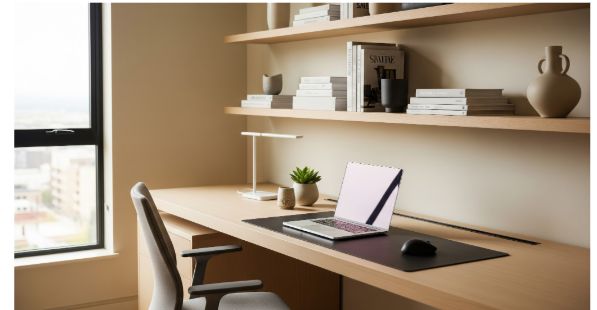
Stage the room with restraint: one desk, one chair, one lamp, a clean shelf, and no visible cable mess. The first view from the doorway should show purpose, not clutter. Listing photos punish messy workspaces quickly.
Sit in the room for one full hour before calling it finished. If glare hits the screen, the chair blocks a cabinet, air feels stale, or sound leaks through the door, fix function before styling. Long-term value starts with a room that works under normal pressure.