Why Building Safety Is Becoming Part of Property Value

In real estate, value is not only about location, finishes, or the view from the roof deck. The way a building functions behind the scenes matters too. Buyers, tenants, asset managers, and ownership groups are paying closer attention to the systems that make a property easier to operate, safer to maintain, and less exposed to avoidable risk.

For commercial owners and mixed-use buildings, fall protection solutions can be a practical starting point for safer operations. Roofs, mechanical areas, access ladders, service platforms, and elevated work zones are often invisible to the public, but they shape how safely a property can be inspected, repaired, upgraded, and insured over time.

Safety Is Becoming a Property Operations Issue

The most valuable buildings are not only attractive. They are manageable. A property can have a renovated lobby, polished amenity spaces, and strong curb appeal, but if maintenance teams cannot safely reach the roof, facade, mechanical systems, or elevated equipment, ownership still has a problem.

That is especially true in dense markets where buildings are asked to do more. In New York real estate, rooftops may support HVAC equipment, solar infrastructure, terraces, green roofs, signage, drainage systems, and access points for facade work. In resort, warehouse, manufacturing, and campus-style properties, elevated access can be just as important, even if the setting looks less urban.

When these areas are treated as afterthoughts, routine work becomes harder. Inspections get delayed. Repairs take longer. Contractors need temporary setups. Managers may discover too late that the safest route to a work area was never designed into the building at all.

Roofs Are Working Spaces Now

For many owners, the roof is no longer a blank surface. It is part of the building's operating infrastructure. Mechanical units, antennas, drainage systems, skylights, parapets, solar arrays, and service paths all require periodic access. Even luxury residential buildings and boutique commercial properties depend on those unseen systems to keep the visible experience running smoothly.

That makes rooftop safety more than a compliance issue. It is a planning issue. If workers must move around skylights, edges, equipment, ladders, or uneven surfaces, the building needs a clear plan for how that movement happens. The right approach can reduce confusion, limit improvisation, and make maintenance less disruptive.

Owners often think about upgrades in terms of what residents, guests, or tenants can see. A more useful real estate guide should also account for the features that protect long-term performance: access routes, maintenance planning, life-safety systems, drainage, structural conditions, and the hidden details that keep a property reliable.

Due Diligence Should Include Maintenance Access

During acquisition or renovation planning, buyers naturally focus on the roof age, facade condition, elevators, mechanical systems, utility costs, and code issues. Maintenance access deserves a place in that same conversation.

A building may technically have a roof hatch, fixed ladder, or equipment platform, but that does not always mean the access is practical or safe. The question is how people will actually move through the space while carrying tools, inspecting equipment, responding to leaks, or working near an exposed edge.

This matters for owners who plan to hold a property, but it also matters for sellers. A building that shows thoughtful operational planning can feel better cared for. It suggests that ownership has considered not only appearance, but also the ongoing realities of keeping the property safe and functional.

Compliance Is Easier When It Is Designed In

Safety problems become more expensive when they are discovered late. If a property waits until a repair, inspection, tenant improvement, or insurance review exposes an access issue, the solution may be rushed and less efficient.

Designing safety into the building early gives owners more choices. Permanent systems, engineered anchors, guardrails, lifelines, ladder solutions, rescue planning, and recertification programs can be evaluated in relation to the actual building, not added as a patch after the fact.

This is also where documentation matters. Owners and managers need to know what exists, where hazards are, how equipment should be used, and when systems require inspection. A clear record can make future work easier for property teams, outside contractors, and anyone responsible for compliance.

The Best Safety Features Do Not Have to Be Obvious

In a high-end property, safety systems should not feel like visual clutter. The goal is not to make a building look industrial. The goal is to let work happen safely without interrupting the design intent or the daily experience of the property.

That balance is possible when planning starts with the building itself. A rooftop system for a hotel, residential building, commercial office, rail facility, school, or data center will not be identical. Each property has different access needs, different hazards, and different people using the space.

The best solutions tend to feel quiet. They are there when maintenance teams need them. They help workers move with confidence. They support compliance. They reduce uncertainty. And when guests, residents, or tenants never have to think about them, that is often a sign that the planning was done well.

Safer Buildings Are Easier to Own

Property value is tied to experience, but it is also tied to resilience. A building that is easier to inspect, maintain, repair, and operate is usually easier to own. It can reduce surprises, support better contractor coordination, and help ownership make decisions before small problems become expensive ones.

That is why safety planning belongs in the same conversation as design, amenities, sustainability, and long-term capital improvements. It may not be the first thing buyers notice, but it can shape how well a property performs after the closing.

The next generation of valuable buildings will not only look refined. They will work well behind the scenes. They will make maintenance safer, operations smoother, and ownership more prepared. In that sense, building safety is not separate from real estate value. It is part of it.

/
script>

Clever Backyard Upgrades That Maximise Space and Property Value

The modern Australian backyard has evolved far beyond a simple patch of grass. As suburban block sizes shrink and lifestyle expectations grow, homeowners are rethinking how they use their exterior spaces. In 2026, a well designed outdoor area is no longer just a nice bonus for weekend barbecues. It is a vital extension of the home's liveable footprint. When executed thoughtfully, backyard upgrades not only enhance your daily life but also significantly boost the market valuation of your property.

The Financial Power of Curb Appeal

Real estate markets consistently reward properties that offer a turnkey lifestyle. Buyers are actively seeking homes where the transition between indoor comfort and outdoor utility is completely seamless. To underscore this point, the National Association of REALTORS found that 97% of its members consider curb appeal crucial to attracting buyers. A polished exterior immediately signals to prospective buyers that the entire property has been meticulously maintained.

Recent market analyses reveal that strategic outbuildings and smart landscaping can yield a 50 to 80 percent return on investment. For homeowners in high demand residential markets, creating a highly functional yard can easily add tens of thousands of dollars to the final sale price. Furthermore, these enhancements deliver incredible personal satisfaction. Homeowners frequently report immense joy after completing major outdoor projects, proving that these upgrades pay dividends in both lifestyle and financial returns.

Clearing the Clutter with Premium Storage

One of the fastest ways to diminish a property's appeal is through visible exterior clutter. Real estate agents frequently warn that unorganised garden equipment, loose tools, and overflowing indoor furniture can actively reduce a home's market value by up to ten percent. Modern buyers want a clean visual slate to imagine their own outdoor lifestyle. This has driven a massive spike in demand for dedicated and secure outdoor storage that frees up indoor floor space without monopolising the backyard.

Instead of settling for flimsy plastic tubs or basic assembly units, homeowners are investing in permanent solutions. Installing premium custom made garden sheds allows you to precisely match the architectural style and colour palette of your primary residence. These tailored structures declutter the main house and protect expensive landscaping equipment, all while elevating the yard's overall aesthetic.

Blending Utility with Aesthetics

Once your storage needs are neatly tucked away, you can focus on maximising the entertainment and relaxation potential of the yard. Design forecasts for 2026 highlight a move away from generic concrete slabs toward vibrant outdoor rooms. When looking at ways to seamlessly integrate new structures and patios into your yard, it helps to review a comprehensive guide to exterior home upgrades that add value to your property.

Thoughtful landscaping and deck additions serve to tie the whole space together. A surging garden to table lifestyle trend means more people are cultivating their own produce, making cohesive landscaping a top priority. As Australians spend more time at home, cultivating fresh herbs and vegetables has become incredibly popular. The combination of a beautiful garden and practical outdoor amenities ensures the property appeals to a broad range of potential buyers.

Features Buyers Prioritise in 2026

To get the best possible return on your backyard investments, it pays to understand exactly what contemporary buyers are looking for. Creating an attractive outdoor space is about balancing beauty with extreme functionality.

Keep the following high demand features in mind when planning your next outdoor project:

  • Durable construction: Buyers show a strong preference for outbuildings and decks built with fire resistant materials and secure ground anchor systems.

  • Smart technology integration: Modern yards need to support security cameras, ambient LED lighting, and smart irrigation controls.

  • Customisable interiors: Storage structures equipped with flexible shelving and workbenches are highly sought after by hobbyists and families alike.

  • Cohesive styling: Premium structures must visually complement the main house to feel like a natural extension rather than an afterthought.

Ultimately, real estate staging experts emphasise that a beautifully maintained garden anchored by stylish amenities helps prospective buyers easily envision a luxurious lifestyle. Homes featuring these maximised exterior spaces are selling much faster than those with unimproved yards. Whether you are planning to sell next month or in five years, optimising your outdoor square footage is one of the smartest financial decisions you can make.

/
script>

Essential Steps for Troubleshooting Smart Gate Issues

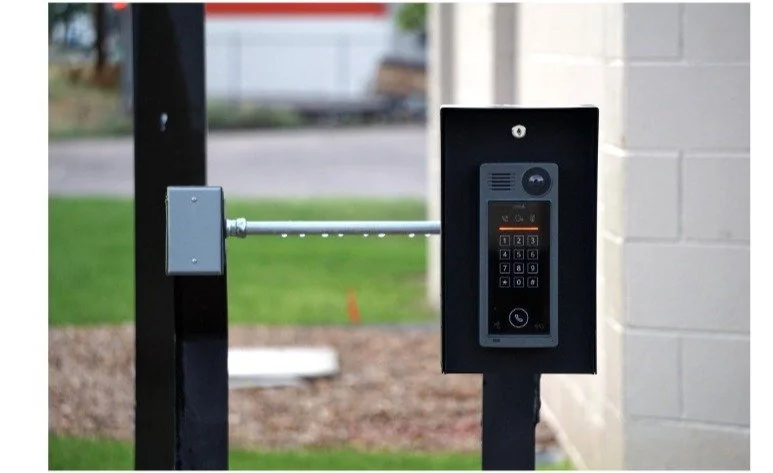
Smart gates offer great security and convenience for your property. They keep your home secure and let you manage visitor entry easily. Sometimes high-tech systems stop working without warning. A sudden malfunction leaves your driveway blocked and leaves you searching for solutions.

Finding the root cause of an electronic glitch can save you time. Many common gate issues have simple fixes you can try yourself. Following a logical checklist helps pinpoint the exact problem quickly. This guide walks you through the best inspection methods.

Check the Primary Power Supply First

A completely unresponsive gate usually points to a basic electrical failure. You should verify that the main outlet has active power before changing settings. Testing another appliance in the same socket confirms whether electricity is flowing.

Sudden electrical disruptions leave your property vulnerable and stuck. Homeowners often need emergency repair services for driveway gates when a major power surge damages internal wiring. Checking your breaker panel can reveal a tripped switch that cuts off the current.

Battery backups can drain completely during extended local power blackouts. Check the indicator lights on your control box to see if the backup holds a charge. Replacing old batteries restores normal operation when the main power grid is down.

Inspect the Remote Control Transmitters

Remotes are the most-used parts of any automated driveway entry system. They undergo constant physical wear and tear from daily handling. A weak signal from a distance means the handheld unit requires attention.

Dead batteries are the most frequent cause of remote transmission failure. Try replacing the small coin cells inside the plastic casing. Test the range from different distances to see if response times improve.

Multiple transmitters might stop working at the same moment. The situation indicates an issue with the receiver antenna or frequency settings. Clearing nearby physical blockages can restore the wireless signal path.

Test the Safety Sensors for Obstructions

Photoelectric eyes prevent the heavy structural frame from closing on vehicles. An article from a home lifestyle magazine explains that built-in safety features stop the mechanisms instantly if an object blocks the path. Light beams must align perfectly to allow standard movement.

Dirt and debris can easily disrupt sensitive optical sensors. Clean the lenses regularly to keep the signal clear. Look out for some common blockages:

  • Overgrown lawn weeds and tall grass stems

  • Mud splatters from heavy rainstorms

  • Small insect nests built inside the housing

Look at the small LED indicator lights on each sensor unit. A blinking light tells you that the electronic beams are misaligned. Adjust the brackets gently until the indicator lights stay solid.

Clear the Tracks and Hardware Moving Paths

Sliding models rely on smooth metal pathways to glide back and forth. Small pebbles or packed dirt can stop the wheels completely. Regular cleaning prevents the motor from straining against friction.

Sweeping the track with a stiff broom removes loose debris quickly. Hardened mud might require a pressure washer or scraping tool. Clear pathways reduce wear on the drive's mechanical components.

Check the physical stops at the ends of the metal tracks. Blocks keep the structure from rolling off its path. Damaged stops can cause alignment errors that freeze the system.

Examine the Mechanical Hardware and Swing Arms

Swing models face unique physical challenges from their open design. A design publication notes that strong winds can damage swing arms, and steep slopes create operational issues. Heavy gusts place immense strain on the hydraulic mechanisms.

Inspect the bracket connections where the arm attaches to the post. Loose bolts cause sagging, which stops the gate from closing correctly. Tightening fasteners restores proper structural balance.

Look closely for bent metal components along the main frame. Physical impacts from vehicles can warp the structural steel. Structural damage requires physical straightening before the automation works.

Evaluate the Smart App and Network Connectivity

Modern setups connect directly to your home wireless network. Software glitches can mimic hardware failures by blocking your commands. Verifying your router connection is a smart diagnostic step.

Smart applications require regular updates to function correctly. Checking your mobile phone settings can solve many app glitches. Try some simple troubleshooting steps:

  • Log out and sign back into your account

  • Check for pending software updates in the app store

  • Restart your home internet router completely

Distance from the router can weaken the wireless signal. Metal frames can block the internet connection to the main control box. Installing a dedicated network extender improves communication.

Perform Routine Maintenance and Lubrication

Consistent care keeps all mechanical systems running smoothly. A guide from a security equipment manufacturer points out that regular maintenance involves cleaning the surrounding area and checking safety devices. Neglecting basic care leads to premature part wear.

Apply a high-quality silicone lubricant to the moving joints. Avoid heavy grease since it attracts dark dust and grit. Clean components move with far less electrical resistance.

Inspect the main hinges for rust and general wear. Squeaking sounds indicate that metal parts are grinding together. Regular lubrication extends the lifespan of your expensive automated hardware.

Review the Automated Limit Switch Settings

Limit switches tell the motor exactly where to stop moving. If sensors slip, the gate might reverse after hitting the post. Readjusting the limits corrects the opening and closing cycles.

Look for the physical limit cams inside the motor housing. Magnetic switches can collect metal dust that disrupts their accuracy. Wiping the switches clean restores proper positioning data.

Test the gate after making micro-adjustments to the limits. Small changes can make a big difference in how the frame sits. Watch the entire cycle to verify the unit stops correctly.

Reset the System Main Control Board

The main circuit board acts as the brain of your setup. Power fluctuations can confuse the electronic logic and freeze operations. A hard reset often clears minor programming bugs.

Turn off the primary power switch for 5 full minutes. Disconnect the backup battery to drain the system completely. Restoring power boots the internal software fresh.

Check the diagnostic display for error codes after the reboot. Write down any numbers that appear on the screen. Codes help technicians diagnose complex internal failures.

Systematic troubleshooting uncovers most residential gate malfunctions. Checking power, sensors, and remotes resolves common operational glitches quickly.

Regular maintenance keeps your security system operating reliably. Staying patient during diagnostics prevents costly mistakes. Taking care of your system protects your home investment.

/
script>

Why More Creatives Are Turning Personal Projects Into Real Books

New York has always been a city of side projects. A chef writes down the stories behind a menu. A real estate professional collects lessons from years of dealmaking. An interior designer documents a renovation philosophy. A wellness founder turns client questions into a practical guide. A photographer builds a visual archive of a neighborhood before it changes again. For many New York creatives, an ISBN Number is the small publishing detail that helps turn a private manuscript into a real book.

For years, many of these ideas lived in notebooks, newsletters, pitch decks, or social media captions. Now, more creatives are turning them into books.

This shift makes sense. A book gives shape to expertise. It can become a calling card, a brand asset, a gift for clients, a product, or a legacy project. In a world where digital content moves quickly and disappears just as fast, a finished book still feels permanent.

Books Are Becoming Personal Brand Assets

For entrepreneurs and creative professionals, publishing a book is no longer limited to traditional authors. It has become part of personal branding.

A real estate advisor might write a guide for first-time buyers. A designer might create a coffee-table-style book around small-space living. A restaurateur might publish a cookbook that doubles as a cultural memoir. A fitness coach might organize years of client advice into a practical wellness manual.

The format can vary, but the purpose is similar: a book helps turn scattered expertise into something people can hold, share, and remember.

That matters in competitive fields. A polished book can create authority in a way that another social post cannot. It signals that the creator has taken the time to organize an idea carefully and present it with intention.

Self-Publishing Has Made the Process More Accessible

One reason more professionals are publishing is that the process is easier to access than it used to be. Authors no longer have to wait for a traditional publishing deal to create a professional book. They can self-publish, control the timeline, and decide when to Buy isbn, finalize format, design, pricing, and distribution.

That freedom is powerful, but it also introduces new responsibilities. Authors need to think about editing, cover design, interior layout, metadata, distribution platforms, and book identification details. The creative idea is only one part of the process.

This is where many first-time authors underestimate the work. A manuscript may be personal, but a published book is a product. It needs structure, presentation, and the right publishing setup behind it.

The ISBN Step Should Not Be an Afterthought

One of the practical steps in publishing is getting the right ISBN. An ISBN identifies a specific book format and helps connect that book to retailers, libraries, databases, and distribution systems.

For a first-time author, it can feel like a small technical detail. In reality, it is part of making the book official. Before purchasing an ISBN, authors should understand how many formats they plan to publish and where they want the book to be available. A paperback, hardcover, and ebook may each require separate planning.

A properly assigned book identifier is especially important for authors who want the book to exist beyond a private PDF or limited personal project. It supports discoverability, cataloging, and sales infrastructure.

The Most Successful Projects Start With a Clear Reader

The strongest self-published books are not simply about the author. They are built around the reader.

Before publishing, creatives should ask a few direct questions. Who is this book for? What problem does it solve? What experience does it create? Should it feel practical, visual, personal, instructional, or inspirational?

A real estate guide for buyers should be clear and useful. A design book should be visually polished. A memoir-style cookbook should balance recipes with story. A business book should offer takeaways that feel earned, not generic.

The clearer the reader, the easier every publishing decision becomes. Title, cover, format, price, metadata, and marketing all depend on knowing who the book is meant to reach.

Physical Books Still Carry Weight

Digital content is convenient, but physical books still have a different kind of presence. They sit on coffee tables, office shelves, nightstands, and reception desks. They can be signed, gifted, mailed, photographed, and handed to a client after a meeting.

For professionals in visual or relationship-driven industries, that matters. A book can extend the experience of a brand beyond a website or Instagram profile. It can make an idea feel finished.

That is part of the appeal for New York creatives. The city rewards people who can tell a story clearly. A book is one of the most durable ways to do that.

Publishing Turns an Idea Into an Asset

Not every idea needs to become a book. But when a project has a clear audience, a strong point of view, and enough substance to support a full reading experience, publishing can turn it into something more valuable.

It can help a professional explain their expertise. It can support a launch, a speaking opportunity, a workshop, or a client relationship. It can preserve a family story, a neighborhood history, or a creative philosophy.

The key is treating the process with care. A book should not feel like a rushed marketing brochure. It should feel like a thoughtful extension of the person or brand behind it.

For the creators who get that right, self-publishing is not just a way to put words on paper. It is a way to turn knowledge, taste, and lived experience into something lasting.

/
script>

Why the Dock Has Become One of the Most Important Luxury Features of a Waterfront Home

For waterfront buyers, working with a Floating Docks Builder can be the difference between a home that simply has a view and a property that truly lives on the water. A home on the water promises early mornings outside, easy boat access, weekends with guests, long summer evenings, and a direct connection to the shoreline. But the feature that often determines how well that lifestyle works is not inside the house at all. It is the dock.

A well-designed dock can change the way a waterfront property feels. It can make the water more usable, the home more social, and the entire property more valuable in the eyes of buyers who understand what waterfront living should offer.

Waterfront Living Depends on Access

The best waterfront homes are not passive. They invite people to step outside, launch a kayak, board a boat, fish with family, swim, or simply sit close to the water. Without safe and convenient access, even a beautiful shoreline can become more decorative than functional.

That is why dock design matters. A dock is not just a platform. It is the transition between land and water. It needs to suit the property, the water conditions, the owner's lifestyle, and the types of boats or recreational equipment being used.

In luxury markets, that access can become a major selling point. Buyers are not only looking at bedrooms, kitchens, and square footage. They are looking at how the property supports the life they imagine having there.

The Dock Is Becoming Outdoor Living Space

Outdoor living has expanded far beyond patios and pools. On waterfront properties, the dock has become part of the entertaining plan.

Homeowners are thinking about how guests arrive from the water, where people gather before a boat ride, how children and pets move safely near the shoreline, and whether the dock feels connected to the rest of the outdoor space. Lighting, ladders, cleats, decking, ramps, storage, and seating areas all shape the experience.

This is especially true in seasonal communities where the water is central to daily life. In the Hamptons, Florida, Connecticut lake towns, and coastal neighborhoods across the country, a dock can function like a second front door. It is where the property meets the lifestyle.

Floating Docks Offer Flexibility

Floating docks can be especially useful where water levels shift or where a more adaptable access point is needed. Because they rise and fall with the water, they can help maintain a more consistent relationship between the dock and the boat or shoreline.

For homeowners, that flexibility can make a significant difference. It can improve usability through changing conditions, reduce awkward transitions, and make the dock feel more natural to use. It can also support a range of waterfront activities, from boating and kayaking to swimming and entertaining.

Choosing the right dock system, however, is not only about selecting materials. It is about understanding the site. Water depth, wave exposure, shoreline shape, local rules, boat size, and intended use all influence the final design. Bringing a qualified dock professional into the planning process early can help homeowners avoid a dock that looks fine on paper but does not serve the property well in real life.

Buyers Notice the Details

Waterfront buyers tend to be detail-oriented because they know that maintenance and usability matter. A dock that feels unstable, undersized, poorly placed, or difficult to access can raise questions. A dock that feels sturdy, intentional, and suited to the property can do the opposite.

The same logic applies to ramps, hardware, floats, and accessories. These may seem like small pieces, but they affect how the dock performs over time. A beautiful waterfront home can lose some of its appeal if the marine access feels improvised.

For sellers, this is worth considering before listing. A dock does not need to be overbuilt or flashy, but it should look cared for and function properly. Buyers are often willing to pay for homes that reduce future headaches, especially in waterfront markets where repairs can be more complex than they appear.

Design Should Match the Property

The best dock is not always the biggest dock. It is the one that fits the home.

A quiet lake house may need a simple, elegant platform for swimming and small boats. A larger coastal property may need a more robust setup for multiple vessels, guests, and gear. A marina or shared waterfront development may need commercial-grade planning with durability and traffic in mind.

Materials, proportions, and layout should match the setting. The dock should feel like an extension of the home's outdoor environment, not a separate piece added without thought.

Waterfront Value Is Lifestyle Value

In real estate, value is rarely about one feature alone. It is about how the pieces work together. A waterfront home with a strong dock setup can feel more complete because it gives the buyer immediate access to the experience they are paying for.

That is what makes dock planning so important. It is not simply a construction decision. It is a lifestyle decision, a resale decision, and in many cases, a first-impression decision.

For owners improving a waterfront property, the dock deserves the same level of planning as the kitchen, terrace, pool, or landscape design. The home may frame the view, but the dock is what turns the water into part of everyday life.

/
script>

Why Private Elevators Are Becoming a Quiet Luxury Feature in Multi-Level Homes

Luxury used to be measured by the obvious details: skyline views, marble kitchens, wine rooms, landscaped terraces, and spa-style bathrooms. Those features still matter, but a different kind of luxury is becoming just as important to homeowners: ease. The best homes do not only photograph beautifully. They also make daily life feel lighter, safer, and more intuitive.

That is why Residential Elevators and compact lift systems are gaining attention in multi-level homes. In city townhouses, suburban estates, beach homes, and renovated older properties, vertical access is no longer seen only as a mobility solution. It is becoming a smart design decision for families who want their homes to work better now and remain comfortable for years.

Convenience Has Become Part of the Luxury Standard

Anyone who has lived in a multi-story home knows the small friction points. Groceries need to go upstairs. Laundry moves between floors. Luggage comes in after a long trip. Holiday decorations, sports gear, and storage bins rarely stay where they are needed.

In a well-designed home, those daily movements should not feel like a chore. A private lift can turn vertical space into usable space, especially in properties where the garage, main living level, bedrooms, and storage areas are spread across several floors. For homeowners who entertain often, host extended family, or split time between city and weekend homes, that convenience quickly becomes part of the home's rhythm.

This is especially relevant in luxury markets where square footage is expensive and layouts are not always simple. A Manhattan townhouse may have charm, history, and height, but also narrow staircases. A coastal home may be elevated for views or flood protection. A larger suburban property may have a garage, guest suite, and main bedroom on different levels. In each case, access is part of livability.

Accessibility Is No Longer an Afterthought

The conversation around home accessibility has also changed. Many buyers are no longer waiting until a mobility need becomes urgent. They are planning ahead.

That shift makes sense. A home is often one of the largest long-term investments a person makes, and buyers increasingly want properties that can adapt as their lives change. Parents may be thinking about aging in place. Adult children may want a home that is easier for visiting relatives. Families may need more flexible access for guests, pets, strollers, or short-term injuries.

Adding a private elevator or compact lift system can support that planning without forcing the home to feel clinical. When chosen carefully, these systems can blend into the architecture and serve a practical purpose without taking over the design.

The Design Challenge Is Footprint

Traditional elevators are not always realistic for existing homes. They can require major construction, large shafts, and expensive structural changes. That is why compact residential lift solutions are becoming more appealing. They can be especially useful in homes where owners want floor-to-floor access but do not want to sacrifice a large amount of usable space.

For designers and homeowners, the key question is not only whether an elevator can be installed. It is whether the installation makes sense for the layout. The best solutions start with the way the home is actually used: where people enter, where heavy items move, which floors need access, and how the lift will look from the main living areas.

In a renovation, this planning should happen early. Waiting until the final design stage can limit placement options and increase costs. When a lift is considered alongside stairs, storage, garage access, and traffic flow, it can become part of the home's logic rather than an awkward add-on.

A Smart Upgrade for Coastal and Weekend Homes

Private lifts are also becoming common in elevated homes near the water. In coastal properties, the main living level is often above grade, which creates a practical challenge every time people arrive with groceries, coolers, luggage, beach gear, or outdoor furniture.

For these homes, a lift is not just about comfort. It protects the way the home is used. A weekend house should feel easy to open, enjoy, and close up. If every arrival requires multiple trips up exterior stairs, the property begins to feel less relaxing than it should.

That matters in markets like the Hamptons, Florida, the Jersey Shore, and lake communities, where outdoor living and multi-level layouts are common. A lift can help connect the garage, entry level, deck, and main living space in a way that supports the lifestyle buyers are actually seeking.

Resale Value Is About Future-Proofing

Not every home upgrade has the same resale logic. Some finishes are personal. Some trends age quickly. Accessibility and ease, however, tend to have broader appeal.

A private elevator or lift system can speak to several buyer groups at once: older buyers who want long-term comfort, families managing daily logistics, owners of vacation homes, and buyers who simply expect a higher level of convenience from a premium property.

It is not a replacement for strong architecture, location, or design. But in a competitive market, it can become one of the details that makes a home feel more complete.

The New Luxury Is Effortless Living

The most desirable homes are not only impressive. They are calm, efficient, and easy to live in. They anticipate needs before they become problems.

That is the appeal of private elevators in modern residential design. They are not about excess. They are about removing friction from the everyday experience of living in a multi-level home.

For homeowners planning a renovation, building a coastal property, or preparing a house for long-term use, vertical access deserves a place in the conversation. When handled with care, it can make a beautiful home feel even more livable.

/
script>