Fenced Yards and Pet-Friendly Features That Help Homes Stand Out

Pets are an important part of many households, and homebuyers often consider their furry companions when searching for a new place to live. A property that offers pet-friendly features can attract more interest and create a positive first impression during showings. Among these features, fenced yards remain one of the most desirable additions because they provide safety, convenience, and usable outdoor space.

While every buyer has different priorities, homes designed with pets in mind often appeal to a wider audience. From secure fencing to practical outdoor areas, these features can make a property more memorable in a competitive market.

Outdoor Spaces That Catch Buyers' Attention

A fenced yard is often one of the first things pet owners notice when viewing a property. It provides a secure area where dogs can play, exercise, and spend time outdoors without constant supervision. Buyers frequently see this feature as a valuable convenience that saves them time and money after moving in.

Many homeowners working with Salt & Light Property Solutions discover that well-maintained outdoor spaces can create a stronger connection with potential buyers. A clean yard with sturdy fencing demonstrates that the property has been cared for over time.

The overall appearance of the outdoor area also matters. Fresh landscaping, trimmed grass, and clear walkways help showcase the yard's full potential. Buyers often imagine how their pets will use the space, making visual appeal an important selling factor.

Fence Styles and Their Appeal

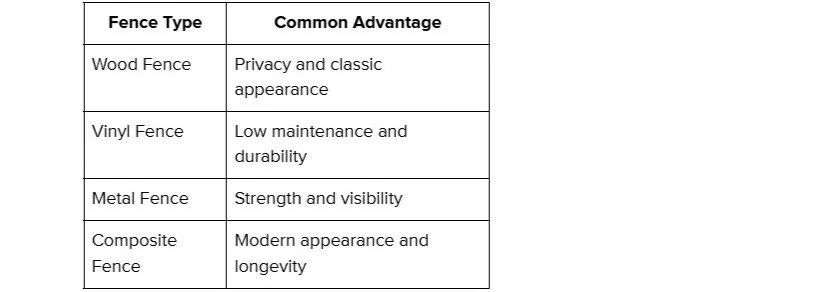
Not all fences offer the same advantages. Different materials and designs attract buyers for different reasons. Choosing a fence that complements the home can improve curb appeal while providing practical value.

A well-installed fence can help define property boundaries while creating a secure environment for children and pets. Buyers often appreciate features that are already in place and ready to use.

Small Details That Matter to Pet Owners

Pet-friendly homes often stand out because of thoughtful details that make daily life easier. Buyers with pets may pay attention to features that others overlook.

Outdoor water access is one example. A conveniently located hose connection allows owners to fill water bowls, wash muddy paws, or maintain outdoor areas with ease. Covered patios can also provide shade during warmer months.

Secure gate latches add another layer of safety. Pet owners frequently look for yards where animals cannot easily escape. Simple improvements like these can leave a lasting impression during a showing.

Flooring Choices Buyers Appreciate

Indoor surfaces can influence how attractive a property appears to pet owners. Some flooring materials handle scratches, moisture, and everyday wear better than others.

Hard surface flooring is often preferred because it is easier to clean than carpeting. Buyers who own dogs or cats may appreciate flooring that requires less maintenance and helps reduce odor retention.

Below is a quick comparison:

Properties with practical flooring solutions often appeal to buyers seeking convenience.

Outdoor Features That Add Extra Charm

Beyond fencing, several outdoor additions can make a home more attractive to pet owners.

Walking paths around the yard create dedicated areas for exercise and movement. Shaded sections provide comfort during hot weather. Durable grass varieties can withstand regular activity and help maintain a neat appearance.

Some homeowners install designated pet zones to keep the rest of the yard clean and organized. These spaces can include gravel, mulch, or other easy-to-maintain materials.

A property does not need elaborate upgrades to appeal to pet owners. Functional outdoor features often deliver strong results because they address everyday needs.

Safety Creates Confidence

Safety remains one of the most important concerns for pet owners. Buyers often evaluate a property based on how secure it feels for their animals.

Fences should be free from major gaps, damaged sections, or unstable posts. Gates should open and close properly. Hazardous materials, exposed wires, and unsafe structures can raise concerns during property tours.

When buyers feel confident that a home provides a safe environment, they may develop a stronger emotional connection to the property. This confidence can contribute to a more positive overall impression.

Neighborhood Features Also Play a Role

Pet-friendly appeal extends beyond property lines. Buyers frequently consider nearby amenities when evaluating a home.

Local walking trails, parks, sidewalks, and open green spaces can make an area more attractive to households with pets. Easy access to veterinary clinics and pet-related services may also influence purchasing decisions.

The combination of a pet-friendly home and a pet-friendly neighborhood can strengthen a property's market appeal. Buyers often look for locations that support their lifestyle both inside and outside the home.

Helping Buyers Picture Everyday Life

One of the most effective ways to make a home stand out is by helping buyers imagine themselves living there. Pet-friendly features support this goal by creating spaces that feel functional, welcoming, and practical.

A fenced yard offers room for outdoor play. Durable flooring simplifies cleaning. Secure gates provide peace of mind. Thoughtful landscaping creates an enjoyable environment for both people and pets.

When these elements work together, they create a property that appeals to many different types of buyers. In a competitive market, details that improve convenience and comfort can help a home remain memorable long after a showing ends.

FAQs

Do fenced yards increase buyer interest?

Yes. Many buyers, particularly pet owners and families, view fenced yards as a desirable feature because they provide security, privacy, and outdoor usability.

What type of fence is most attractive to buyers?

The best fence depends on the property and neighborhood. Well-maintained wood, vinyl, and metal fences are commonly appreciated for their appearance and functionality.

Are pet-friendly features expensive to add?

Not always. Simple improvements such as secure gates, shaded areas, and durable flooring can provide value without requiring major investments.

Can pet-friendly upgrades help a home sell faster?

They can help attract additional interest from buyers who own pets. While many factors influence selling speed, practical pet-friendly features can make a property stand out from competing listings.

/
script>

How to Build a Personalized Fragrance Collection Without Breaking the Bank

“According to a 2024 survey by The Fragrance Foundation, nearly 60% of fragrance buyers report that sampling scents before committing to full bottles has helped them build more satisfying collections.” This statistic highlights a key insight: sampling and careful selection are central to creating a personal fragrance wardrobe that you love — without spending a fortune. With thoughtful approaches and tools like mini fragrance sets, you can explore varied scents, refine your tastes, and build a collection that still fits your budget.

Fragrance can be deeply personal, reflecting moods, seasons, and occasions — but good scents shouldn’t require deep pockets. By approaching acquisitions strategically, you can curate a versatile assortment of perfumes and colognes that suit both everyday life and special occasions.


How Should You Begin Choosing Scents?

What defines a balanced fragrance collection?

A balanced collection starts with diversity in scent profiles rather than quantity. At the core, every collection should give you options for fresh, warm, floral, and evening fragrances so that you’re equipped for different situations.

Research from the Fragrance Foundation affirms that sampling is one of the most efficient ways to avoid impulsive purchases that end up unused. It’s not about buying every brand you see; it’s about discovering scents that feel like an extension of your personality. Tools like mini fragrance set womens kits or mixed scent samplers help by offering small vials of several perfumes, making it easier to test and compare.

You should focus first on understanding scent families and how they complement your skin chemistry and lifestyle. Once you recognize what types of notes you prefer, you can choose future purchases with confidence and clarity.


What Tools Can Help You Sample Without Spending a Lot?

How do sample kits and mini sets save money?

Mini fragrance sets and single‑use vials allow you to experience high‑end scents without committing to expensive full bottles. These kits provide a variety of options that let you test a scent’s performance throughout the day, not just in a quick sniff at the counter.

Here are ways sample and mini kits help:

  • Offer exposure to multiple fragrances at a fraction of the cost
  • Reduce the risk of buying a full bottle you may not wear often
  • Provide travel‑friendly options that don’t break your budget
  • Help pinpoint which notes react well with your skin chemistry

Less expensive alternatives, like perfume samples from beauty retailers or scent decants offered by niche sellers, expand your options further. With these tools, you can test fragrances over time — and that’s key because some scents evolve significantly over hours.


What Are Common Fragrance Families to Consider?

Understanding scent categories in your collection

Fragrance families help categorize perfumes by dominant scent characteristics. Choosing at least one option from each major family ensures versatility in your collection.

FamilyBest ForTypical Notes
CitrusDaytime and warm weatherLemon, bergamot, orange
FloralRomantic or casual occasionsRose, jasmine, lily
WoodyEvening and formal eventsSandalwood, cedar, vetiver
Oriental / SpicesNighttime and cold weatherAmber, vanilla, cinnamon

Understanding these basics helps you make intentional choices rather than impulse buys. A fragrance wardrobe that covers these families ensures you have options for sunny mornings and quiet dinners alike.


How Do You Test and Compare Scents Effectively?

What’s the best process for sampling?

Testing fragrances systematically saves both time and money. Instead of sniffing random options and hoping something sticks, follow a simple scent comparison process:

  1. Choose a small selection of fragrances in different families
  2. Apply each to a separate pulse point
  3. Wait for 30–60 minutes to observe dry‑down
  4. Compare how long each lasts and how the notes evolve
  5. Write down impressions before evaluating the next set

This numbered approach helps you track which scents genuinely resonate over time, not just in the first impression.


Why Should You Think Beyond Full‑Size Bottles?

What are the benefits of alternative purchases?

Full-size bottles often cost hundreds of dollars, which is impractical for many collectors early on. Alternative formats provide scalable ways to grow your wardrobe.

Mini and travel‑size bottles are particularly helpful if:

  • You’re testing new scent profiles
  • You prefer to rotate fragrances seasonally
  • You enjoy variety rather than sticking to one signature scent
  • You want to create themed collections (e.g., summer, night out, casual)

Mini sets let you experiment widely without the cost. For women, a mini fragrance set womens collection can be especially practical — it’s easier to carry, mix and match, and revisit scents over time.


What Buying Habits Save Money Long‑Term?

How to approach fragrance purchases strategically

Good habits make your fragrance collection both affordable and meaningful. Here’s how to shop smart:

  • Wait for sales or seasonal promotions from perfume retailers
  • Purchase decants from reputable niche fragrance resellers
  • Join fragrance communities to share insights and sample swaps
  • Consider blind buys only after extensive sampling

Spending consciously rather than impulsively means you end up with scents you truly enjoy — and none that just sit on a shelf.


How Do Storage and Care Affect Your Collection?

Why preserving perfume quality matters

Proper storage prolongs fragrance life and protects your investment. Perfumes degrade with heat, light, and air exposure, so keep them in a cool, dark place — not in bathrooms with fluctuating temperature and humidity.

These simple care steps help:

  • Store bottles in their original boxes if possible
  • Avoid direct sunlight or humid areas
  • Keep caps tightly closed when not in use
  • Decant small portions to use while preserving the original bottle

Good care means even cheaper bottles last longer and continue to smell true to their composition.


When Should You Invest in Signature Scents?

How to decide when to buy full‑size bottles

Full‑size fragrances are a good investment once you’re confident you’ll wear them often. Indicators you’re ready for a larger bottle include:

  • You reach for a scent repeatedly over several months
  • It feels like an extension of your personality
  • It performs well on your skin throughout the day

Once you’re certain a fragrance is worth owning, full‑size bottles offer better longevity and cost per wear compared to continuous sample purchases.


FAQ Section

What’s the difference between a mini fragrance set and a sample vial?
Mini sets typically contain travel‑size bottles of multiple perfumes, while sample vials are individual small quantities used for testing specific scents. Both help with fragrance discovery.

Is it better to shop fragrance samples online or in stores?
Online shopping offers more variety and better prices on diversified options, whereas in-store sampling helps you experience the scent instantly. Mixing both approaches gives you a fuller sense of your preferences.

Can temperature affect how a scent performs?
Yes. Heat and humidity can speed up evaporation and change how notes present, so testing in different conditions clarifies performance expectations.

How often should I rotate my fragrance wardrobe?
Seasonally rotating your collection gives each scent a moment to shine and keeps your routine fresh without overwhelming your senses.

Are certain note families easier to wear than others?
Citrus and light floral notes are generally considered more universally wearable for daytime, while deeper woody or spicy notes often suit evening and cooler weather.

Should I layer fragrances to create custom scents?
Layering lightly compatible scents can be fun and personalize your aroma. Always start with subtle combinations before settling on a bold blend.

Do fragrances change over time on the skin?
Yes. Top notes hit first, followed by heart and base notes. Observing this evolution helps you understand which perfumes feel right for different occasions.


/
script>

How Veterans Use VA Cash-Out Refinancing to Tap Home Equity

Veterans often sit on more home value than they realize. That value can help pay for real-life needs, not just dream projects. In this article, we will break down how cash-out refinancing works, what it can do, and where it can go wrong. We will keep it plain, clear, and useful.

Why this refinance can open a new path for veterans

A house can act like a quiet savings box. The money is not sitting in a bank account, but it is still there. Many veterans build equity over time by paying the loan down and by watching the home value rise. That is where a cash-out refinance enters the picture. It lets a homeowner swap the old loan for a new one, then take some of the equity out as cash. That cash can help with debt, repairs, school, or a surprise life bill. It can also bring stress if the plan is loose. So the goal is not to chase money. The goal is to use the home smartly and steadily.

For many families, this choice comes after a long stretch of tight budgets. Maybe a roof needs fixing. Maybe a car breaks. Maybe medical bills show up out of nowhere. Maybe a child needs help with school costs. The point is simple. A home can do more than shelter you. It can also support your next move when the timing feels rough. For veterans exploring options including VA cash-out refinance, home equity can become a useful financial resource when used with care. That does not mean every reason is a good reason. A real plan still matters. A veteran should know the new payment, the fees, and the long game before signing anything. That way the cash helps now, and the loan still feels fine later. If the numbers feel slippery, pause and check them again. A calm review now is better than a hard regret later.

How the cash-out refinance process works

A cash-out refinance replaces your current home loan with a fresh one. The new loan is often larger than the old one, and the difference comes back to you in cash. That sounds simple, but there are a few moving parts. First, the lender checks your income, credit, and home value. Then the home gets appraised. After that, the lender uses part of your equity to shape the new loan amount. The rest becomes cash at closing. This is why the home value matters so much. A strong value gives more room. A weak value gives less room. It is a pretty direct math game.

You also need to think about the new monthly payment. A cash-out refinance can change it. Sometimes the payment goes up. Sometimes it goes down. That depends on the loan size, rate, and term. So the real question is not just how much cash you can take. It is how the new loan will feel every month after the smoke clears.

Recent reporting from the Federal Housing Finance Agency House Price Index shows that U.S. house prices increased by 4.7% between the first quarter of 2025 and the first quarter of 2026. The data highlights how many homeowners have continued building equity as property values rise. For veterans considering a cash-out refinance, growing home values may increase the amount of equity available to access. This makes understanding current market conditions an important part of the refinancing decision.

  • Check your current balance and home value first.

  • Ask how much cash you can take without pushing the loan too high.

  • Compare the new payment with your old one.

  • Review closing costs before you get too far.

The process works best when you stay very plain about the goal. If the money has a job, the loan gets easier to judge. If the money has no job, the refinance can turn into a fast fix with a slow bill.

Why veterans use the money for real-life needs

Most veterans do not pull cash from home equity to sit on it. They use it for things that matter right now. A common use is debt cleanup. High card balances can feel like a weight on the chest. A refinance may turn many smaller bills into one single payment. That can make life easier to track. It can also free up room in the month. Another common use is home repair. A house with a bad roof, old pipes, or worn systems can drain cash fast. Paying those costs from equity can be a smart move if the repair really protects the home. The key is to use the money in a way that adds value or reduces pain.

Some veterans also use the funds for school, family help, or major life changes. That may sound broad, but real life is broad. A move, a job shift, or a care need can hit at the wrong time. Cash from home equity can help smooth the shock. Still, not every use is wise. Buying toys, making risky bets, or funding short thrills can burn through the money fast. That is where the plan matters more than the cash itself.

According to the Consumer Financial Protection Bureau Homeowner Resources, homeowners often use home equity to address significant financial priorities such as home improvements, debt management, and major life expenses. The agency emphasizes reviewing long-term affordability before borrowing against home equity. This approach can help veterans align refinancing decisions with their broader financial goals. Careful planning can reduce the risk of creating additional financial pressure later.

  • Good uses include debt paydown, repairs, school, and emergency needs.

  • Bad uses include quick spending with no clear purpose.

  • A cash-out refinance should solve a real problem.

  • A written plan helps keep the money from drifting away.

Think of the cash as a tool, not a prize. Tools work best when they are used with care.

What costs and trade-offs you need to watch

Money from equity is never free money. It comes with costs that many homeowners do not notice at first. The cash can look attractive, but the full financial picture matters more. A smart decision comes from understanding both the benefits and the obligations that come with refinancing. Looking at every cost before signing can help prevent surprises later.

1. Closing costs:

Most cash-out refinance loans include closing costs. These may cover appraisal fees, lender charges, title services, and other expenses. While each fee may seem small on its own, the total amount can add up quickly. That is why reviewing the complete estimate is important before moving forward.

2. Interest over time:

Taking cash from home equity usually increases the loan balance. A larger balance often means paying more interest during the life of the loan. Even when the monthly payment looks manageable, the long-term cost may be higher. Looking beyond the first few months helps reveal the true expense.

3. Reduced home equity:

Equity acts as a financial cushion for homeowners. When cash is withdrawn, that cushion becomes smaller. This can affect future borrowing options and reduce flexibility if home values change. Keeping some equity in place often creates more financial security.

4. Changes in loan terms:

A new refinance loan may come with a different interest rate or repayment period. Some borrowers may benefit from the change, while others may not. Comparing the old loan and the new loan side by side makes the decision easier. Small differences can have a large impact over time.

Understanding these trade-offs helps veterans make informed choices. The goal is not simply to access cash. The goal is to make sure the cash creates more value than the cost of obtaining it. A refinance should support long-term financial stability, not create new pressure. Careful planning and realistic expectations can make a significant difference.

How to decide if this move fits your plan

A cash-out refinance works best when the new cash has a strong reason to exist. You want a clear need, a solid payment, and enough room left in the home after the deal. That is the simple test. If the cash will remove costly debt, fix a key part of the house, or bridge a real gap, the move may make sense. If it only feeds a short urge, the risk goes up fast. Veterans often do well when they slow down and treat the refinance like a job interview. The loan should earn its place in your life.

One useful step is to write three lists. Put your need on the first list. Put the loan costs on the second. Put the long-term gain on the third. When the third list is weak, the refinance is weak. When the first list is serious and the second list is fair, the deal may be worth a closer look. This kind of simple check can save time and money.

  • Give the money a clear purpose before you apply.

  • Compare the need with the fee total.

  • Make sure the payment still fits your month.

  • Leave some equity in the home after closing.

A clean plan makes the choice easier. Without one, the loan can feel bigger than the fix.

What to check before you sign the papers

Before anything is final, read the loan details with care. That means the rate, the term, the fees, and the payment date. It also means asking what happens if plans change. A veteran should never rush through closing just because the cash sounds helpful. The paper matters as much as the promise. If one line feels off, ask again. If the payment seems too tight, slow down. If the fees look high, compare them. There is nothing weak about asking basic questions. It is smart.

You should also check your own timeline. Will this loan still make sense if you stay in the home for many years? Will the cash solve a real issue, or will it only cover a short bump? Are there other options that may cost less? These are honest questions, and they deserve honest answers. A good lender should explain the numbers in plain words. If the answer sounds like a fog machine, that is not a good sign.

  • Read every number on the estimate.

  • Ask what the loan does to your equity.

  • Make sure the payment fits your budget.

  • Compare this step with other ways to cover the need.

Careful reading is not boring here. It is the part that protects the whole deal.

Where a steady plan makes the biggest difference

The strongest refinance choices are not made in a rush. They are made with a clear head and a real reason. Veterans who use home equity well usually know what the money will do before it arrives. They also know what the new loan will ask from them later. That balance matters more than style or speed. A refinance can be a strong tool when used for a solid goal. It can also become a burden when used without a plan. The difference comes down to thought, not luck.

So keep the process simple. Check the value. Check the fee. Check the payment. Check the reason. Then check it again if needed. That five-step habit can save a lot of pain. It also makes the whole choice feel more grounded. A home should help you move forward, not pull you into a corner. When the numbers line up, the decision gets easier.

We believe the best next step is to slow down, write out the real need, and compare it with the full loan cost. If the refinance fits, move with confidence. If it does not, wait and keep your equity safe. Either way, the goal stays the same. Use the home in a way that helps your life stay steady.

/
script>