Closing Costs Nobody Warned You About Until You Were Already in Escrow

So you found the house. You made the offer. It got accepted. You did the happy dance. And then bam, you're knee-deep in escrow, and your loan officer hands you a stack of papers with numbers that look nothing like what you planned for. Sound familiar?

Closing costs catch a lot of homebuyers completely off guard. Not because people are hiding them, but because nobody really sits you down before the offer and says, Hey, here's everything you're going to pay on top of your down payment. This post breaks down those sneaky costs, so you're not white-knuckling it at the closing table.

What Closing Costs Covers

Most buyers hear closing costs and assume it's one flat fee. It's not. It's a collection of separate charges from multiple parties: the lender, the title company, the government, third-party service providers, all bundled together on one document called the Closing Disclosure.

On average, closing costs run between 2% and 5% of the loan amount. On a $350,000 home, that's anywhere from $7,000 to $17,500. And no, that doesn't include your down payment.

Some of these costs are negotiable. Some aren't. Some get rolled into the loan. Knowing which is which gives you a real advantage before you sign anything.

Charges That Fly Under the Radar

These are the ones that tend to shock buyers mid-escrow. They're legitimate, they're common, and most people never knew to ask about them:

  • Loan origination fee: This is what your lender charges to process the loan. It's usually 0.5% to 1% of the loan amount, and yes, it's separate from your interest rate.

  • Title insurance (lender's policy): Protects the lender if ownership issues come up later. You pay for their protection, not yours.

  • Owner's title insurance: Optional in some states, strongly recommended in all of them. This one actually covers you.

  • Prepaid interest: You pay interest from your closing date to the end of that month. Close on the 28th? Short hit. Close on the 3rd? Bigger chunk.

  • Escrow setup fee: Some escrow companies charge a fee to open the account that holds your property tax and insurance payments.

  • Recording fees: Local government charges to officially record the deed and mortgage. Small but real.

  • Transfer taxes vary widely by state and county. Some places charge nothing. Others take a solid percentage of the sale price.

If you want to skip a lot of these entirely, working with a cash buyer can cut the process down significantly. Laurel Buys Houses works with sellers who want a faster close without the traditional cost pile-on.

Why Your Loan Estimate Doesn't Always Match Reality

Your lender sends you a Loan Estimate within three days of your application. It's a good-faith projection, emphasis on projection. By the time you get to closing, some numbers will shift.

Certain costs are allowed to change by any amount. Others can only increase by up to 10%. And some are locked in. The problem is that buyers don't always read the fine print that explains which category each charge falls into.

Third-party services you weren't required to shop for, like the appraisal or credit report, can come in higher than estimated. Your prepaid costs (homeowners insurance, property taxes) depend on actual quotes and local tax rates that weren't confirmed yet when the estimate was made. The best move is to compare your Loan Estimate to your Closing Disclosure line by line as soon as you receive it. If something jumped, ask why. You have the right to an explanation.

How Sellers and Agents Factor In

Here's something a lot of first-time buyers don't realize: sellers can contribute to your closing costs. It's called a seller concession, and it's negotiable in the purchase contract.

If the market is soft or the seller is motivated, asking for 2–3% in concessions isn't unreasonable. That money can be applied toward your closing costs, reducing how much cash you need at the table.

Your agent can also help you shop for certain third-party services. You're allowed to choose your own title company, settlement agent, and some other providers. Getting a second quote on title insurance alone can save a few hundred dollars.

Lenders aren't all the same either. Origination fees, points, and some service fees vary between lenders. Comparing two or three loan offers side by side using the Loan Estimate format makes it easy to see who's actually cheaper once you add everything up.

Learning and Improving for Next Time

Whether this is your first home or your fifth, closing costs deserve a dedicated budget line from day one, not day 60 when you're already in escrow.

Ask your lender early on to give you a rough closing cost estimate based on your target price and loan type, especially when purchasing a luxury home property. Ask specifically about the origination fee, whether you're paying points, and what third-party services are required versus optional. 

The more questions you ask before you're emotionally invested in a specific home, the more negotiating room you'll have. Once you're deep in escrow with a moving date locked in, your leverage drops fast.

Closing costs aren't a scam. They're real expenses tied to real services. You just deserve to know about them before the process starts, not after.

FAQ

Q1: What are closing costs?

Answer: Closing costs are a collection of separate charges from multiple parties involved in the home-buying process, including the lender, title company, government, and third-party service providers. These costs are bundled together in a document called the Closing Disclosure and typically range from 2% to 5% of the loan amount.

Q2: Why do closing costs vary so much?

Answer: Closing costs can vary due to several factors, including the loan amount, the lender’s fees, state and local government charges, and any optional services you choose. Additionally, certain costs may be negotiable, while others are fixed, leading to differences in the total amount you may owe.

Q3: What common closing costs should I be aware of?

Answer: Common closing costs include the loan origination fee, title insurance (both lender's and owner's policy), prepaid interest, escrow setup fee, recording fees, and transfer taxes. Understanding these costs can help you better prepare for the financial obligations of closing on a home.

Q4: How can I potentially reduce my closing costs?

Answer: You can potentially reduce your closing costs by negotiating seller concessions, which allow sellers to contribute to your closing costs, and by shopping around for better rates on third-party services like title insurance. Additionally, comparing loan estimates from different lenders can help you find the most cost-effective options.
/
script>

The Master Closet Is Having a Moment, and Houston Buyers Are Obsessed

Homebuyers today look beyond square footage, updated kitchens, and modern bathrooms. Storage has become a major factor in purchasing decisions, and one feature continues to gain attention across Houston's housing market: the master closet.

What was once considered a simple storage area is now viewed as an extension of the primary bedroom. Buyers want organization, convenience, and enough space to support their daily routines. A well-designed master closet can make a home feel more functional, luxurious, and valuable.

As buyer expectations continue to evolve, homeowners preparing to sell should understand why this space has become such an important part of the conversation.

Why Buyers Keep Looking Inside the Closet

Many buyers touring homes spend more time inspecting closets than sellers expect. Storage shortages are a common concern, making spacious closets highly attractive.

Professionals who work with homeowners, including Next Step House Buyers, often notice that buyers appreciate homes that offer practical storage solutions. Large master closets create an immediate sense of organization and convenience. They also reduce concerns about where clothing, shoes, accessories, and seasonal items will be stored.

In Houston, where many families own wardrobes suited for both warm weather and occasional cold fronts, closet space serves an important purpose. Buyers frequently view an oversized closet as a lifestyle upgrade rather than a simple storage area.

A thoughtfully arranged closet can help a property stand out from competing listings in the same price range.

More Than Storage Space

A master closet serves several functions beyond holding clothes.

Many homeowners use these spaces for dressing, organizing accessories, storing luggage, and managing household items. As remote work and flexible lifestyles become more common, buyers increasingly value spaces that support everyday organization.

The emotional impact also matters. Walking into a spacious closet creates a feeling of comfort and order. Buyers often associate that feeling with the overall quality of the home.

Here is a look at how buyers often perceive closet features:

These impressions can influence how buyers view the entire property.

Features Houston Buyers Notice Most

Not all closets generate the same level of excitement. Certain features consistently attract positive attention.

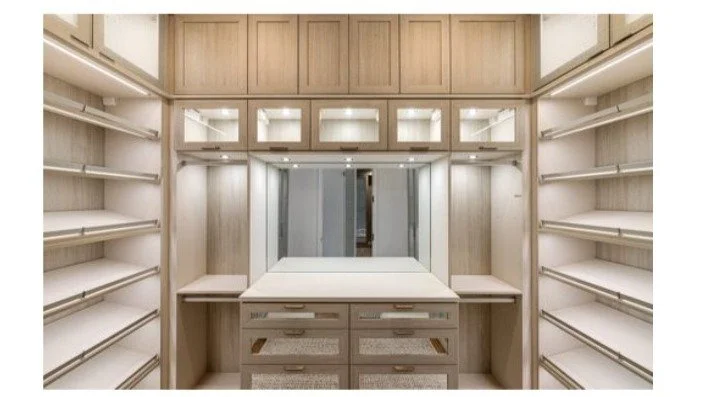
Walk-in closets remain one of the most requested amenities. Buyers enjoy having room to move comfortably while accessing their belongings.

Built-in shelving and storage systems also appeal to many shoppers. Organized spaces help buyers visualize how they would use the area.

Good lighting ranks surprisingly high on buyer wish lists. Bright spaces feel larger, cleaner, and more welcoming.

Other popular features include:

  • Adjustable shelving

  • Dedicated shoe storage

  • Jewelry drawers

  • Full-length mirrors

  • Seating areas

  • Separate smart storage zones for different users

These details contribute to a more polished and functional appearance.

Small Improvements Can Create Big Results

Homeowners do not always need expensive renovations to make a master closet more appealing.

Simple updates often create noticeable improvements. Decluttering remains one of the most effective strategies. Removing excess items instantly makes a closet appear larger and easier to navigate.

Fresh paint can brighten the space and create a cleaner look. Neutral colors tend to work well because they appeal to a broad range of buyers.

Replacing outdated light fixtures may also improve the presentation. Better lighting helps buyers see the available space more clearly.

The following table highlights affordable upgrades that can improve buyer impressions:

Many of these improvements can be completed quickly without major expenses.

How Closets Influence Home Value Conversations

While a master closet alone does not determine a home's value, it can contribute to buyer interest and overall appeal.

When buyers compare multiple properties, practical features often influence their decisions. A spacious and organized closet can become a memorable feature that separates one home from another.

Real estate professionals frequently hear buyers mention storage concerns during property searches. Homes that address those concerns naturally attract more attention.

In competitive Houston neighborhoods, every advantage matters. Features that improve daily living often carry significant weight when buyers evaluate options.

A closet that feels functional and thoughtfully designed can reinforce positive impressions created throughout the rest of the home.

Common Mistakes Sellers Should Avoid

Some homeowners unintentionally reduce the impact of their closet space.

Overcrowding is one of the biggest issues. Closets packed with clothing, boxes, and miscellaneous items appear smaller than they actually are.

Poor maintenance can also create negative impressions. Broken shelves, damaged rods, or non-functioning lights may cause buyers to question overall upkeep.

Strong odors present another challenge. Clean, fresh spaces create a better experience during showings.

Sellers should also avoid storing unrelated household items in the master closet. Holiday decorations, sports equipment, and moving boxes can distract buyers from the closet's intended purpose.

Presenting the space as organized and functional helps buyers appreciate its full potential.

A Feature Buyers Remember After the Tour Ends

Homebuyers often forget specific paint colors, furniture arrangements, or decorative details after viewing several properties. Functional spaces tend to leave a stronger impression, and master closets increasingly fall into that category.

Houston buyers continue to prioritize storage, organization, and convenience when evaluating homes. A spacious, well-maintained closet supports those priorities while enhancing the overall appeal of a property. Whether through simple improvements or thoughtful organization, sellers who showcase this space effectively may find that buyers remember their home long after the showing ends.

FAQs

Why do buyers care so much about master closets?

Buyers value master closets because they provide organization, storage capacity, and convenience for everyday living.

Does a walk-in closet increase buyer interest?

Yes. Walk-in closets are among the most popular storage features and often attract positive attention during home tours.

Should I organize my closet before listing my home?

Yes. A clean and organized closet appears larger, more functional, and more appealing to potential buyers.

What is the easiest way to improve a master closet before selling?

Decluttering, improving lighting, making minor repairs, and adding simple organization systems can significantly improve buyer impressions.

/
script>

Preparing Your House for a Fast Sale: A Checklist That Matters

Selling a house quickly is not just about luck. It is about showing up ready. Buyers today move fast, and they expect homes that look clean, feel cared for, and are priced right. If your home needs work before it hits the market, every day you wait is money left on the table. A little preparation goes a long way, and most of it does not require a big budget.

This checklist walks you through what actually matters when you want to sell fast. Not every tip is about spending money. Some of the most effective things you can do are free. Let’s get into it.

Start Outside: Your Curb Appeal Sets the Tone

Most buyers decide how they feel about a home before they walk through the door. That first look from the street creates an impression that sticks. If the outside looks tired or messy, people start looking for problems before they even step inside.

Mow the lawn, trim bushes, and pull weeds. If your front door paint is peeling, a fresh coat makes a big difference. Clean the driveway, power-wash the siding if you can, and make sure the house numbers are easy to read. These are small things that signal to buyers that the home has been looked after.

Adding a few potted plants near the entrance or a new welcome mat takes almost no money and lifts the whole look. You are not decorating for yourself here. You are making the home appeal to as many buyers as possible.

Know Your Selling Options Before You List

Before you put any money into prep work, it is worth knowing how you plan to sell. A traditional listing means working with an agent, putting the home on the MLS, and waiting for buyers to come through. This can get you a strong price, but it takes time, and your home needs to be in good shape.

Another route is selling to a cash buyer or working with NJ iBuyers, which can speed up the process significantly if you need to move quickly or want to skip repairs altogether. Knowing your options early helps you decide how much prep work actually makes sense for your situation.

There is no one right answer. Some sellers do minimal prep and take a cash offer. Others invest a few weekends of work and list on the open market for a higher price. What matters is that your prep effort matches your selling strategy.

Declutter Every Room Without Overthinking It

A cluttered home looks smaller, and small-looking homes sell for less. This step costs nothing and can have a bigger impact than any renovation. Go room by room and remove anything you do not use regularly. Closets, countertops, shelves, and even garage space all count.

Buyers are not just looking at your stuff. They are trying to picture their stuff. When rooms are full, that is hard to do. Renting a small storage unit for a month or two while your home is on the market is often worth it. You want buyers to see the space, not your belongings.

Quick Fixes That Pay Off at Showing Time

Not every repair needs a contractor. There are several small fixes you can handle yourself over a weekend that make buyers feel more confident about the home. Skipping these leaves the impression that bigger issues might be hiding somewhere.

Focus on things buyers will notice immediately:

  • Patch holes or scuffs on walls and touch up paint where needed

  • Fix any dripping faucets or running toilets

  • Replace burnt-out lightbulbs throughout the home

  • Tighten loose cabinet handles and door hinges

  • Re-caulk around tubs and sinks if the old caulk looks dark or cracked

  • Make sure all doors, windows, and locks open and close smoothly

Deep Clean Like You Mean It

A deep clean is non-negotiable. Even a beautiful home loses points when it smells musty, has grimy grout, or has dusty ceiling fans. Buyers notice cleanliness in a way that goes straight to how they feel about the property.

Make sure these areas get proper attention:

  • Kitchen appliances inside and out, including the oven and fridge

  • Bathroom tiles, grout lines, and mirrors

  • Baseboards, window sills, and ceiling corners

  • Carpets are steam cleaned if there are any pet odors or visible stains

  • Windows were washed inside and outside to let in more natural light

Stage It Simply to Help Buyers See the Potential

Staging does not mean hiring a professional and filling your home with rented furniture. For most homes, simple staging means arranging what you already have in a way that shows each room at its best. Remove oversized luxury furniture that makes rooms feel cramped, and rearrange seating so spaces feel open and functional.

Neutral colors on the walls help buyers imagine their own style in the space. If any room has a very bold paint color, a quick repaint in a warm white or soft grey can make a real difference. Natural light also matters a lot, so open curtains and blinds before every showing.

Price It Right From Day One

All the prep work in the world will not help if your price is off. Overpriced homes sit on the market, and the longer they sit, the more buyers wonder what is wrong with them. A home that is priced correctly from the start attracts more buyers and often results in faster offers.

Look at recent sales of similar homes in your area and be honest about where yours stands. Your agent can pull comps to help you land on a competitive number. Pricing slightly below market value in a competitive area can even spark multiple offers, which drives the price back up.

Speed and price go hand in hand. A well-prepped home at the right price will always move faster than a perfect home that is overpriced.

Getting your house ready to sell does not have to be overwhelming. Work through the checklist one step at a time, focus on what buyers actually see and feel during a showing, and do not spend money on upgrades that won’t add value at your price point. When your home looks its best and is priced right, the sale follows quickly. Start with what you can do today, and go from there.

Frequently Asked Questions

1. What should I do first to prepare my house for a fast sale?

Start by decluttering, removing personal belongings, and thoroughly cleaning each room. After that, address small visible problems such as leaking faucets, damaged handles, scuffed walls, and burned-out light bulbs.

2. Do I need to renovate my house before selling it?

Not necessarily. Major renovations can be expensive and may not provide a worthwhile return. Focus instead on affordable improvements that enhance the home’s appearance, such as fresh paint, basic repairs, cleaning, and better curb appeal.

3. Can I sell my house quickly without making repairs?

Yes. Some cash buyers and NJ iBuyers purchase properties in as-is condition, allowing homeowners to avoid repairs, staging, and lengthy preparation. However, the offer may reflect the cost of the work the property needs.

4. Which areas of the house are most important when preparing for buyers?

Prioritize the entrance, living room, kitchen, bathrooms, and exterior because these areas strongly influence a buyer’s first impression. Make sure they are clean, bright, organized, and free from unpleasant odors.

/
script>

Inspecting the Roof: What Every Homebuyer Should Know

Buying a home brings excitement and a fair share of stress. You walk through rooms, check kitchen appliances, and carefully admire the backyard view. The shelter above your head requires a close look before signing the final paperwork. Missing hidden structural damage can easily turn your dream property into a financial nightmare.

Long-Term Benefits Of Professional Oversight

Investing in an expert review before completing a purchase provides ongoing peace of mind. Working with a qualified statewide roofing company can help you identify major structural vulnerabilities early in the transaction. Homeowners who skip this step face sudden emergency leaks during heavy rainstorms.

Insurance companies request detailed condition reports before issuing a new policy. Having a certified document speeds up your approval process with top underwriters. Protecting your family always begins with securing the top of your residential property.

What Inspectors Look For Up On The Structure

Professional evaluators climb up to examine multiple components of the defense system. They review structural integrity with cosmetic details. Their assessment covers several main categories:

  • Missing or cracked shingles that expose the underlying wood

  • Damaged flashing around chimneys and ventilation pipes

  • Sagging areas that indicate compromised decking beneath

  • Granule loss in gutters indicates advanced wear

Water stains on attic ceilings reveal existing problems. Mold growth indicates long-term moisture accumulation. Catching these warning signs prevents severe internal rot.

Understanding The Timeline Of An Evaluation

Buyers worry about closing timeline delays. Roof evaluations fit easily into a busy real estate schedule. The typical assessment takes between 60 and 90 minutes, and the total duration varies based on the square footage of the property.

Ease of attic access impacts the speed of the walkthrough. Qualified inspectors need a clear path to view the underside of the structure safely. You receive a detailed report after the completion of the physical walk, which outlines every finding with clear photographs. Having fast results keeps your home purchase moving forward without unnecessary stress.

Budgeting For The Initial Assessment

Every dollar counts when preparing to purchase real estate. Inspection fees represent a small upfront cost compared to major structural fixes. Data published by a leading nationwide home improvement platform shows that the average roof inspection costs $249.

Most property owners spend between $125 and $378 for this professional service. The specific price reflects the size and complexity of the residential design. Steep slopes or multi-story buildings require specialized safety gear.

Paying this fee gives complete clarity regarding the house condition. You avoid unexpected financial surprises after moving in. Clear pricing helps you budget accurately during a complex transition.

High Replacement Costs Make Inspection Mandatory

Ignoring the condition of an aging system can come with severe financial consequences. Replacing a worn-out structure ranks among the most expensive home improvements. A full roof replacement can range from $10,000 to $30,000.

The final price depends heavily on your specific home and the area where you live. Local labor rates and material selections influence the total bill. Buying a house with a failing structure means taking on a massive immediate liability.

Knowing these figures highlights the necessity of expert review. Sellers might lower asking prices if problems appear in reports. Protecting your bank account starts with gathering physical facts.

Evaluating Different Roofing Materials

Residential properties utilize a wide variety of protective coverings. Traditional asphalt shingles remain common for their low cost and simple installation. Metal options offer greater durability but require a higher initial investment.

Clay tiles provide a distinct architectural look found in coastal regions. Slate stands out for long lifespans, but adds substantial weight to frames. A better knowledge of your material helps predict future maintenance requirements.

Negotiating Repairs Before Closing The Deal

Discovering flaws during the contingency period gives you choices. You can request direct repairs before closing. Some buyers prefer a substantial price reduction to handle work later.

Sellers frequently prefer providing credits to avoid managing contractors. Clear documentation from a licensed expert makes requests hard to dispute. Solid proof keeps negotiations professional and focused on facts, which prevents emotional arguments.

Failing to ask for concessions means accepting responsibility for damage. Water intrusion can ruin new interior renovations within weeks. Addressing problems beforehand protects your investment.

Taking time to evaluate the top of a house provides lasting security. A beautiful property requires strong protection from seasonal storms and temperature shifts. Walking away from a deal or negotiating a better price depends on having the correct facts.

Trusting experts to examine the shingles keeps you safe from sudden financial burdens. Your new home should be a place of comfort, not a source of continuous repair bills. Make a professional assessment a standard step in your home-buying journey.

/
script>

How to Balance Style and Function in a Custom Kitchen Remodel

A kitchen can be stylish and still let you down once you're actually living in it. It photographs beautifully, it wins compliments at the first dinner party, and then a regular Tuesday morning rolls around and the room feels weirdly inconvenient — the coffee setup is awkward, the prep counter is in the wrong place, the gorgeous pendant doesn't actually light the cutting board. That's usually the moment people realize that good design isn't only about how a room looks. It's also about how cleanly it works.

The strongest kitchens balance both. They feel considered and personal, and they back up the routines that play out in them every day. Cooking is easier. Storage makes sense. The lighting hits where you need it. The room stays calm even when life around it isn't.

That balance is the difference between a kitchen that only looks updated and one that genuinely feels right.

Start with how the room needs to live

Style matters, but it's not the first question to answer. The better starting point is how the kitchen actually needs to function for your household.

Some kitchens need a lot more prep space. Others need smarter storage, better circulation, or seating that doesn't clog the room when more than one person is using it. Some are pure cooking kitchens. Others moonlight as a homework station, a wine bar, a place where the dog gets fed, and the unofficial center of the house.

Those habits should shape the plan from the start. When the kitchen is built around real daily life, the design lands more cleanly because it's solving something meaningful instead of chasing a look on its own.

Layout comes before the finish boards

It's natural to gravitate to the materials early. Stone slabs, cabinet colors, hardware finishes — they make the project feel concrete in a way that floor plans don't. But the layout has a far bigger influence on whether the room is pleasant to use.

A beautifully finished kitchen will still feel frustrating if the island is half a foot too big for the walkways, the sink and the cooktop are competing for the same prep zone, or the room creates a bottleneck right at the spot where everyone wants to stand. Even a generous kitchen can feel pinched when the circulation hasn't been planned with any care.

That's why a custom kitchen remodel should start with movement, spacing, and how the tasks flow before the decorative layer arrives. Once the room works, the style decisions get easier because they're sitting on a layout that already makes sense.

Storage should be designed in, not bolted on

One of the fastest ways to lose the balance is to obsess over the visible design and treat storage as a problem for later. The result is a room that looks pristine on day one and gets noisier every week after that.

Good storage isn't just more cabinets. It's the right things landing near the right tasks. Pots and pans within reach of the cooktop. Everyday plates and glasses near the dishwasher and the spot where people actually eat. Pantry items supporting the prep zone instead of being marooned across the room. A pull-out bin that doesn't block the dishwasher when it's open.

When the storage is built into the logic of the kitchen, the room stays calm even on its busiest days. That calm pays the style decisions back, because the space keeps its clarity instead of disappearing under the morning's chaos.

Materials should be beautiful and easy to live with

A stylish kitchen isn't automatically a livable one. Some materials look extraordinary on the sample and turn into a slow-motion source of stress the moment they meet a real household — the matte black faucet that shows every drop, the unsealed marble that stains the first week, the high-gloss cabinet that telegraphs every fingerprint.

Practical choices don't have to feel plain. The most successful kitchens pick materials that pull double duty — beautiful and forgiving. Stone chosen with use in mind. Cabinet finishes that suit the pace of the household. Flooring that holds up to bare feet, work boots, dog claws, and a dropped pan without needing to be babied.

When style and practicality are weighed together, the room actually grows more luxurious with time. It keeps performing instead of slowly asking for more than the people who live there want to give it.

Lighting has to handle the mood and the work

Lighting is one of the clearest places where style and function have to meet. A kitchen needs atmosphere, but it also needs you to be able to see what you're chopping.

A sculptural pendant over the island brings personality and depth, and there's nothing wrong with one. But statement lighting alone almost never carries the room. Prep counters, the sink, the cooktop, the spot in the corner where the toaster lives — they all need real task light. The evening layer should soften the room without dimming it into uselessness. Natural daylight should be part of the plan from the start, not an afterthought.

Layer the lighting properly and the kitchen becomes flexible. It works at 7 a.m., at dinner, and at the end of the night when one person wants a glass of water. That kind of adaptability is a big part of what makes a room feel finished rather than staged.

Appliances should fit the room, not crowd it

Appliances are mostly chosen for performance, but they also shape how balanced the kitchen looks and feels. An over-scaled range can swallow a wall that needed more storage. An undersized fridge can make the room feel underplanned the first time you host. A 48-inch statement piece on the wrong wall can throw the whole composition off.

The goal isn't to chase premium for its own sake. It's to make sure the appliances suit the layout, the cabinetry, and the way the room is meant to function. A kitchen shouldn't feel like every major feature is shouting for attention.

When the appliances are folded into the design — proportions thought through, panels integrated where they should be, gaps and reveals respected — the room reads as composed. The style holds because the practical pieces are reinforcing it rather than pulling against it.

Personality works best when it’s controlled

A well-designed kitchen shouldn't feel generic. It should have some character, some warmth, and some detail that reflects the rest of the house. But personality works best when it's used with some restraint.

Stack too many strong gestures and the room turns busy fast. One expressive stone, one standout fixture, or one cabinet color with real depth usually does more than three of them piled into the same space. Each strong move needs a few quieter ones around it to actually land.

That's where balance pays off. A kitchen should feel personal without being overloaded — interesting enough to be memorable, controlled enough to still feel right five years in.

The kitchen has to connect to the rest of the house

A stylish kitchen can still feel off when it ignores the house around it. The best remodels think about how the room opens to the family room or the dining area, how the materials relate to the rest of the home, and how the kitchen supports the way people move through the house beyond its own walls.

That connection produces a different kind of quality. The room stops reading like a set piece and starts reading like part of a larger living environment. Function isn't only about what happens inside the kitchen. It's also about how the kitchen fits into the rest of daily life — the trip from the back door, the line of sight from the sofa, the way Sunday morning drifts between the coffee and the newspaper.

Final thought

Balancing style and function in a kitchen isn't about splitting the difference between beauty and practicality. It's about making each side stronger through the other.

A kitchen that works well looks better because the layout is calm, the storage carries its weight, and the room holds up under real daily use. A kitchen that looks good functions better when the choices have been made with clarity instead of impulse. The two reinforce each other when they're handled together from the start.

That's what gives a remodel its lasting value. Not just a beautiful result, but a room that feels polished, personal, and easy to live in long after the project's done.

/
script>

Renovation Ideas That Can Improve Property Appeal

Property appeal is about more than aesthetics; it's about how a space makes people feel when they're in it. Buyers and renters respond to homes that feel well-maintained, thoughtfully designed, and genuinely liveable. The renovations that improve appeal most consistently are those that address both the visual and functional experience of a property.

The renovations that deliver the strongest return tend to share a few characteristics: they address spaces that buyers and renters consistently value most, they improve the immediate sensory experience of the home, and they signal quality and care without necessarily being expensive.

Small Changes with Significant Impact

Fresh paint throughout a property is one of the highest-return investments available. Neutral, well-chosen colors make spaces feel larger and more versatile. New hardware on kitchen and bathroom cabinets, handles, taps, and towel rails updates dated spaces at low cost. Improved lighting, particularly in kitchens and living areas, changes the mood and usability of a room without structural changes. These small improvements can transform how a property photographs and feels during viewings.

 Larger Renovations Worth Considering

For renovation projects that involve contractors, flooring, bathroom updates, and exterior improvements, comparing quotes helps ensure the work is done to a high standard at a fair price. Trusted Home Quotes helps property owners request multiple quotes for renovation work, making it easier to plan improvements that are both impactful and financially sensible.

Outdoor Spaces and Kerb Appeal

Outdoor improvements consistently register with buyers and tenants. A well-maintained garden, a clean and clearly defined entrance, properly functioning exterior lighting, and tidy paths all contribute to a positive first impression before anyone steps inside. For properties with outdoor entertaining areas, improving the usability of a deck, patio, or terrace can meaningfully increase the appeal of the property overall.

When planning renovations for appeal, always view the property through the eyes of someone encountering it for the first time. Walk around the outside before going in. Stand in each room and notice what draws your eye positive and negative. The improvements that address the most immediate negative impressions tend to have the greatest impact on how the property is perceived, regardless of what they cost.

/
script>