Inspecting the Roof: What Every Homebuyer Should Know
Buying a home brings excitement and a fair share of stress. You walk through rooms, check kitchen appliances, and carefully admire the backyard view. The shelter above your head requires a close look before signing the final paperwork. Missing hidden structural damage can easily turn your dream property into a financial nightmare.
Long-Term Benefits Of Professional Oversight
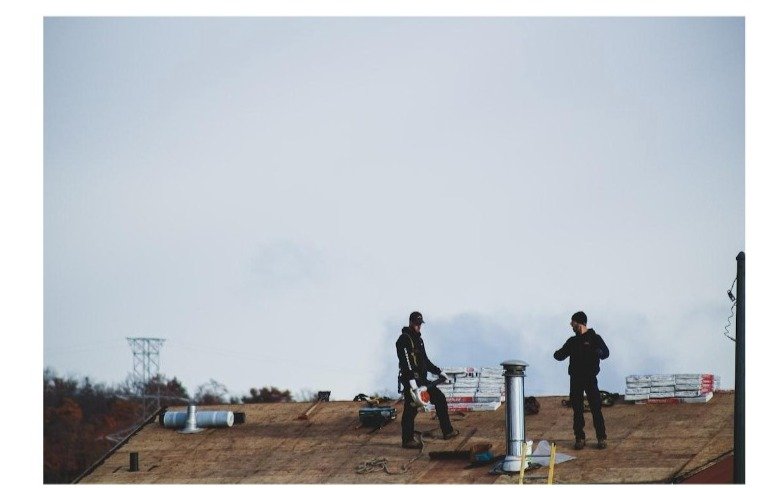
Investing in an expert review before completing a purchase provides ongoing peace of mind. Working with a qualified statewide roofing company can help you identify major structural vulnerabilities early in the transaction. Homeowners who skip this step face sudden emergency leaks during heavy rainstorms.
Insurance companies request detailed condition reports before issuing a new policy. Having a certified document speeds up your approval process with top underwriters. Protecting your family always begins with securing the top of your residential property.
What Inspectors Look For Up On The Structure
Professional evaluators climb up to examine multiple components of the defense system. They review structural integrity with cosmetic details. Their assessment covers several main categories:
Missing or cracked shingles that expose the underlying wood
Damaged flashing around chimneys and ventilation pipes
Sagging areas that indicate compromised decking beneath
Granule loss in gutters indicates advanced wear
Water stains on attic ceilings reveal existing problems. Mold growth indicates long-term moisture accumulation. Catching these warning signs prevents severe internal rot.
Understanding The Timeline Of An Evaluation
Buyers worry about closing timeline delays. Roof evaluations fit easily into a busy real estate schedule. The typical assessment takes between 60 and 90 minutes, and the total duration varies based on the square footage of the property.
Ease of attic access impacts the speed of the walkthrough. Qualified inspectors need a clear path to view the underside of the structure safely. You receive a detailed report after the completion of the physical walk, which outlines every finding with clear photographs. Having fast results keeps your home purchase moving forward without unnecessary stress.
Budgeting For The Initial Assessment
Every dollar counts when preparing to purchase real estate. Inspection fees represent a small upfront cost compared to major structural fixes. Data published by a leading nationwide home improvement platform shows that the average roof inspection costs $249.
Most property owners spend between $125 and $378 for this professional service. The specific price reflects the size and complexity of the residential design. Steep slopes or multi-story buildings require specialized safety gear.
Paying this fee gives complete clarity regarding the house condition. You avoid unexpected financial surprises after moving in. Clear pricing helps you budget accurately during a complex transition.
High Replacement Costs Make Inspection Mandatory
Ignoring the condition of an aging system can come with severe financial consequences. Replacing a worn-out structure ranks among the most expensive home improvements. A full roof replacement can range from $10,000 to $30,000.
The final price depends heavily on your specific home and the area where you live. Local labor rates and material selections influence the total bill. Buying a house with a failing structure means taking on a massive immediate liability.
Knowing these figures highlights the necessity of expert review. Sellers might lower asking prices if problems appear in reports. Protecting your bank account starts with gathering physical facts.
Evaluating Different Roofing Materials
Residential properties utilize a wide variety of protective coverings. Traditional asphalt shingles remain common for their low cost and simple installation. Metal options offer greater durability but require a higher initial investment.
Clay tiles provide a distinct architectural look found in coastal regions. Slate stands out for long lifespans, but adds substantial weight to frames. A better knowledge of your material helps predict future maintenance requirements.
Negotiating Repairs Before Closing The Deal
Discovering flaws during the contingency period gives you choices. You can request direct repairs before closing. Some buyers prefer a substantial price reduction to handle work later.
Sellers frequently prefer providing credits to avoid managing contractors. Clear documentation from a licensed expert makes requests hard to dispute. Solid proof keeps negotiations professional and focused on facts, which prevents emotional arguments.
Failing to ask for concessions means accepting responsibility for damage. Water intrusion can ruin new interior renovations within weeks. Addressing problems beforehand protects your investment.
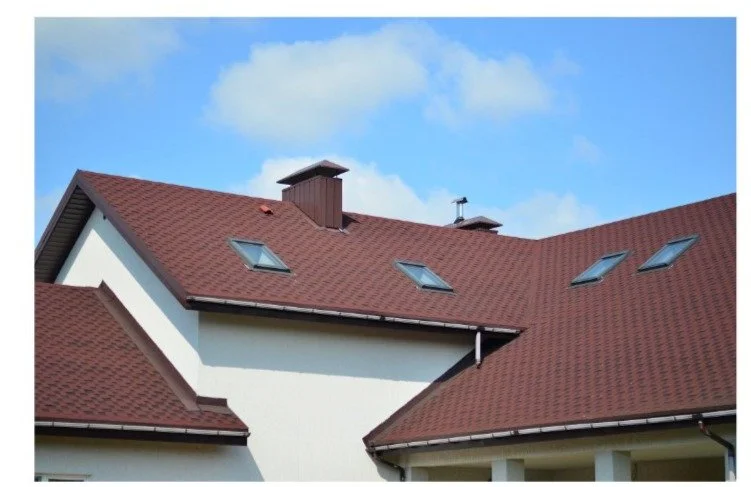
Taking time to evaluate the top of a house provides lasting security. A beautiful property requires strong protection from seasonal storms and temperature shifts. Walking away from a deal or negotiating a better price depends on having the correct facts.
Trusting experts to examine the shingles keeps you safe from sudden financial burdens. Your new home should be a place of comfort, not a source of continuous repair bills. Make a professional assessment a standard step in your home-buying journey.