Why Exterior Cleaning Is One of the Smartest Home Improvements You Can Make

When homeowners think about improving their property, they often focus on expensive remodeling projects. Kitchen renovations, bathroom upgrades, and landscaping improvements usually get the most attention. While these projects can certainly add value, many homeowners overlook one of the simplest and most cost-effective ways to improve both appearance and property value: exterior cleaning.

A clean exterior does more than make a house look attractive. It protects surfaces, extends the lifespan of building materials, and helps homeowners avoid costly repairs in the future. Whether you plan to sell your property, maintain its condition, or simply enjoy a cleaner living environment, professional exterior cleaning can have a significant impact.

In many cases, homeowners are surprised by how dramatically their property can be transformed through professional cleaning services alone.

First Impressions Matter More Than You Think

The exterior of your home creates an immediate impression. Long before someone notices your interior upgrades, they see your siding, driveway, roof, walkways, and landscaping.

Over time, dirt, algae, mold, mildew, and environmental pollutants accumulate on exterior surfaces. This buildup can make even a well-maintained home appear neglected. In humid regions and coastal environments, these contaminants can spread quickly, causing discoloration and surface deterioration.

Routine cleaning restores the appearance of the property while helping preserve the materials underneath. Many homeowners discover that professional cleaning makes their home look years newer without requiring major renovation work.

This is one reason why so many property owners rely on reliable pressure washing services to maintain curb appeal throughout the year.

Exterior Cleaning Helps Protect Your Investment

A home is often the largest financial investment a person will make. Protecting that investment requires more than occasional maintenance.

Organic growth such as algae, mold, and mildew does not simply affect appearance. Over time, these contaminants can contribute to premature wear and damage. Moisture retention can accelerate deterioration on siding, decks, fences, and concrete surfaces.

Regular cleaning removes harmful buildup before it causes long-term issues. Preventative maintenance is typically far less expensive than repairing or replacing damaged materials.

Homeowners who schedule professional cleaning on a regular basis often save money over the long term by reducing the need for major repairs.

Understanding the Difference Between Cleaning Methods

One common misconception is that every surface can be cleaned using high-pressure water. In reality, different materials require different cleaning approaches.

For example, vinyl siding requires controlled pressure and specialized cleaning solutions. Excessive pressure can force water behind siding panels, creating moisture-related problems inside wall cavities.

Roofs require even greater care. Professional contractors typically use soft washing methods rather than high-pressure cleaning. Soft washing safely removes algae, mold, and stains without damaging roofing materials.

Experienced companies evaluate each surface before beginning work. This ensures that the cleaning process is effective while protecting the integrity of the property.

That level of expertise is one reason homeowners often prefer reliable pressure washing services over attempting the work themselves.

Why DIY Cleaning Doesn't Always Save Money

Many homeowners consider renting pressure washing equipment to save money. While this approach may appear cost-effective initially, it often creates additional risks.

Consumer-grade equipment lacks the performance of professional systems. Inexperienced operators can accidentally damage siding, wood surfaces, concrete, windows, and landscaping.

Improper cleaning techniques may also leave uneven results or fail to address the root cause of staining.

Professional exterior cleaning companies invest in commercial-grade equipment, specialized cleaning solutions, and ongoing training. They understand how different materials respond to cleaning and how to achieve consistent results safely.

The difference often becomes obvious when comparing a professionally cleaned property to a DIY project.

Popular Exterior Cleaning Services for Homeowners

Modern exterior cleaning goes far beyond basic house washing. Many homeowners choose comprehensive cleaning packages that address multiple surfaces during a single visit.

Common services include:

  • House washing

  • Driveway cleaning

  • Roof soft washing

  • Deck cleaning

  • Fence restoration

  • Patio cleaning

  • Walkway cleaning

  • Gutter cleaning

  • Paver cleaning and sealing

Combining services often improves overall property appearance while reducing long-term maintenance costs.

A clean driveway, freshly washed siding, and properly maintained roof can dramatically improve the appearance of an entire property without requiring major construction or renovation.

The Connection Between Exterior Cleaning and Home Value

Real estate professionals frequently emphasize the importance of curb appeal. Buyers often form opinions about a property within seconds of arriving.

A clean exterior creates the impression of a well-maintained home. Potential buyers are more likely to view the property positively when visible surfaces are free from stains, algae, and accumulated dirt.

Even homeowners who have no immediate plans to sell can benefit. Maintaining a property's appearance helps preserve market value while creating a more enjoyable living environment.

For this reason, exterior cleaning is often considered one of the highest-return maintenance investments available to homeowners.

Choosing the Right Service Provider

Not all cleaning companies operate at the same standard. Homeowners should look for licensed and insured contractors with experience handling a variety of exterior surfaces.

A reputable company will assess the property, explain the cleaning process, and recommend the safest methods for each surface.

Questions worth asking include:

  • Is the company fully insured?

  • Do they use soft washing where appropriate?

  • What type of equipment do they use?

  • How long have they been serving the local area?

  • Can they provide references or examples of previous work?

Working with experienced professionals helps ensure quality results and reduces the risk of accidental property damage.

Many homeowners find that partnering with reliable pressure washing services gives them confidence that the job will be completed safely and effectively.

A Simple Upgrade with Lasting Benefits

Home improvement does not always require major renovations or significant expense. Sometimes the most effective upgrades involve restoring and protecting what already exists.

Exterior cleaning improves curb appeal, helps prevent long-term damage, enhances property value, and creates a healthier environment around the home. It is one of the few maintenance services that delivers immediate visual results while also providing long-term benefits.

Whether your goal is protecting your investment, preparing your property for sale, or simply enjoying a cleaner home, professional exterior cleaning remains one of the smartest decisions a homeowner can make. By investing in regular maintenance and choosing reliable pressure washing services, homeowners can keep their property looking its best for years to come.
Moisture Detection Staten Island In St. George And Rosebank

Water intrusion is not always obvious when it first affects a property. As demand for Water Damage Restoration Staten Island New York services continues throughout Staten Island, property owners in St. George and Rosebank are increasingly focused on identifying hidden moisture before it spreads into building materials, shared spaces, or adjoining rooms. Many residents searching for trusted water damage restoration services in Staten Island are looking for ways to understand what happens when water damage is present but not immediately visible.

Many Water Damage Restoration Staten Island projects involve moisture conditions that extend beyond the first visible signs of water exposure. Moisture can move through wall cavities, flooring systems, insulation, ceilings, and other concealed materials, creating restoration concerns that may require careful investigation before a drying plan is developed.

Moisture Detection Staten Island work often begins with moisture mapping to determine how far water has traveled from the original source. This process can help identify affected areas, guide recovery decisions, and support a more organized approach to restoring damaged materials.

In St. George and Rosebank, water intrusion may come from plumbing leaks, roof issues, appliance failures, or water movement between units in multifamily properties. Leak detection can play an important role when the source of moisture is not immediately clear or when water has spread behind finished surfaces.

Water Mitigation Staten Island projects often rely on moisture monitoring throughout the recovery process. Monitoring helps track whether affected materials are drying properly and whether additional steps may be needed to address hidden moisture conditions.

Water Extraction Staten Island may be necessary when visible water is present, but extraction alone does not always resolve the full scope of the loss. Once standing water is removed, hidden moisture may still remain inside floors, walls, trim, or other building materials.

Structural Drying Staten Island procedures are often shaped by the results of moisture mapping and ongoing monitoring. Drying strategies may change as readings improve or as additional affected areas are discovered during the recovery process.

As water restoration needs continue evolving across Staten Island, Menchy Cleaning & Restoration remains engaged in supporting property owners with moisture detection, leak detection, moisture monitoring, and structural drying strategies tailored to the conditions commonly found throughout St. George and Rosebank.

Understanding Server Infrastructure and its Crucial Role in the Modern Digital Entertainment Era

The modern digital entertainment sector relies heavily on back-end infrastructure that the average user rarely sees. Whether it is streaming high-definition video, participating in multiplayer video games, or engaging with online interactive applications, server performance dictates the overall quality of the experience. As the demand for seamless digital experiences grows, operators are constantly looking for data centers that offer low latency, maximum uptime, and robust security frameworks.

In recent years, regional data hubs have emerged as vital components of the global internet economy. Southeast Asia, in particular, has seen massive investments in its technological infrastructure. Countries like Thailand have rapidly modernized their data centers, offering high-speed fiber-optic connectivity and advanced server management. For businesses operating in the virtual entertainment niche, choosing a localized server network like a specialized Slot Thailand setup ensures that regional traffic is handled efficiently without routing data across unnecessary global distances.

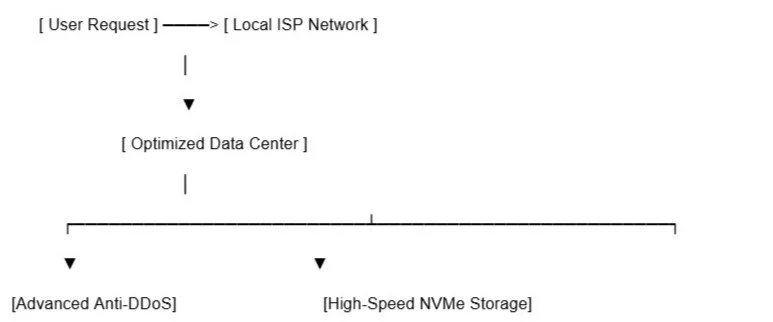
Security remains a primary concern for both operators and consumers in the digital space. With the rise of cyber threats, online platforms must implement sophisticated encryption protocols and continuous monitoring systems to protect user data and financial transactions. Modern server architectures in advanced regional hubs utilize automated DDoS (Distributed Denial of Service) mitigation tools and secure firewalls. This level of protection creates a safe environment where players can explore a high-performing Slot Server Thailandnetwork with total peace of mind.

Furthermore, hardware optimization plays a significant role in handling massive concurrent user spikes. Legacy servers often struggle when thousands of users attempt to access a platform simultaneously, leading to slowdowns or unexpected crashes. To prevent this, top-tier data centers utilize load balancing software that distributes incoming traffic evenly across multiple server nodes. Combined with solid-state storage (NVMe drives) and high-RAM configurations, these systems deliver consistent performance regardless of the platform's current active user count.

The future of digital entertainment hosting lies in cloud hybridization and edge computing. By processing data closer to where the actual user is located, edge servers minimize the physical distance data must travel, effectively eliminating lag. As these technologies become standard practice, the infrastructure supporting global platforms will continue to evolve, offering unprecedented speed, reliability, and immersion for users worldwide.


What Every Business Owner Needs to Know About Their Commercial Lease

Signing a commercial lease is one of the most significant financial commitments a growing business will make. Yet most entrepreneurs spend more time negotiating table and chair budgets for a new office than they do dissecting the contract that binds them to that space for five, ten, or even fifteen years. That gap in attention can be costly.

Whether you are opening a retail storefront, expanding into a new market, or subleasing space for a satellite team, the language buried inside a commercial lease shapes your bottom line in ways that go far beyond the monthly rent figure.

Why Commercial Leases Are Unusually Complex

A residential lease is typically a few pages long with standard protections baked in by state law. A commercial lease is a different creature entirely. These contracts can run dozens of pages, contain customized clauses negotiated between sophisticated parties, and shift significant financial obligations onto the tenant in ways that are easy to miss on a first or second read.

Common examples include triple net (NNN) provisions, which make the tenant responsible for a proportionate share of property taxes, insurance premiums, and common area maintenance costs in addition to base rent. Escalation clauses can tie annual increases to the Consumer Price Index or to a fixed percentage, compounding meaningfully over a long lease term. Co-tenancy clauses, exclusivity rights, and personal guarantee requirements all carry real financial exposure.

Reading these clauses carefully is not enough if you do not know what to look for. That is where professional support becomes worthwhile.

The Case for Getting a Lease Summary Before You Sign

One of the most practical steps a business owner can take before committing to a commercial space is requesting a structured lease summary, sometimes called a lease abstract. An abstract distills a long, complex lease document into a concise reference that highlights the key financial terms, critical dates, renewal options, tenant obligations, and any unusual provisions that deserve attention.

This document becomes useful long after the signing date. Property managers, investors, and business owners who hold multiple leases often maintain abstracts as a management tool, making it easy to track option exercise windows, lease expirations, and escalation schedules across an entire portfolio without re-reading each contract from scratch.

For businesses operating in commercial space, having a reliable summary can prevent missed renewal deadlines, help resolve landlord disputes with clear documentation, and surface hidden costs early enough to renegotiate them. Firms that specialize in rea.co bring trained reviewers to this process who work with commercial leases every day and understand where the financial risk tends to hide.

Common Mistakes Business Owners Make

Treating rent as the only number that matters. Operating expense reconciliations, tenant improvement allowances with clawback provisions, and landlord consent fees can all affect the true cost of occupancy.

Missing option deadlines. Most renewal and purchase options have strict notice windows, sometimes 180 days or more before expiration. A missed window can mean losing the right to stay in your space or being forced to renegotiate from a weaker position.

Ignoring assignment and sublease restrictions. If your business is acquired, merges with another company, or simply outgrows the space, the lease terms on transferring or subletting your rights will matter enormously. Some leases allow landlords to recapture the space entirely if a transfer is requested.

Assuming standard language means standard risk. Commercial leases are negotiated documents. What appears standard in the first draft is often not, and even standard clauses can interact with one another in ways that are not immediately obvious.

Before You Sign Anything

The best time to review a commercial lease thoroughly is before it is executed, while you still have negotiating leverage. After the ink is dry, your options narrow. But even for leases already in effect, a careful review and structured summary can clarify your obligations and protect you in future landlord conversations.

If your business occupies commercial space now or is evaluating a new location, bring in a professional set of eyes early. The cost of a proper review is small relative to the multi-year financial commitment a commercial lease represents. The goal is not to be suspicious of your landlord. The goal is to know exactly what you agreed to and to make sure the terms support the business you are trying to build.

Should You Repair or Replace Damaged Kitchen Cabinets?

Kitchen cabinets take a beating over the years. Grease, moisture, and daily use; all of it adds up. One day, you open a cabinet door and realize it hangs wrong, the finish is peeling, or a shelf has given up completely. Now you have a decision to make: fix what you have or start fresh with new cabinets?

This question comes up more than you might think. Both options have real merit depending on your situation. A repair can be a smart, budget-friendly move. A replacement can add serious value to your home. Knowing which one fits your needs takes a little digging, and that is exactly what this post is here to help with.

How Bad Is the Damage, Really?

Step one is an honest look at what you are dealing with. Superficial damage: scratches, small chips, faded paint, almost always points to repair. You do not need to gut an entire kitchen because a few doors look worn. Refinishing or repainting can bring cabinets back to life at a fraction of replacement cost.

Structural damage is a different story. If the cabinet boxes themselves are warped, cracked, or rotting from water damage, repairs become a short-term fix at best. A warped frame means doors will never hang quite right. Soft, spongy wood around the base often means water has been sitting there longer than you know, and the damage likely runs deeper than it looks.

Check the hinges, drawer slides, and shelving hardware too. These wear out over time and are very inexpensive to replace without touching the cabinets themselves. If the hardware is the main issue and the boxes are solid, you are almost certainly looking at a repair situation.

What Buyers and Appraisers Care About

If you are thinking about selling your home, cabinet condition matters more than most sellers realize. Appraisers and buyers notice kitchens immediately. Damaged, outdated, or mismatched cabinets can drag down perceived value faster than almost anything else in the room. Companies like Delaware Home Buyers work with homeowners on properties in all kinds of conditions, and kitchen cabinets consistently come up as a factor in how homes are priced and sold in competitive markets where buyers have plenty of options.

Tip: Even modest cabinet repairs- new hardware, a fresh coat of paint, and fixed hinges can shift buyer perception significantly without a major investment.

When Repairing Makes More Sense

Repair wins when your cabinet boxes are structurally sound. If the bones are good, there are several cost-effective ways to refresh them. Refacing involves replacing just the doors and drawer fronts while keeping the existing frames. It gives you a nearly new look at about 50–60% of the cost of full replacement. Painting or refinishing the exterior goes even further in savings and works well for homeowners who want a specific color or a more modern look.


Minor fixes like re-gluing loose joints, replacing hinges, swapping outdated knobs for modern hardware, and touching up small surface damage are weekend DIY projects that cost very little. If your cabinets were originally built with quality materials: solid wood, plywood boxes instead of particleboard, they are worth saving. Solid wood and plywood hold up to repair far better than cheaper materials that tend to crumble around fasteners over time.

Signs You Are Better Off Replacing

There are situations where no amount of patching will get you to a good outcome. Water damage that has reached the cabinet boxes and walls behind them is a major red flag. Once mold sets in, or the wood has softened from prolonged moisture exposure, you are not just dealing with a cosmetic problem. You may have a health and structural issue that demands a full tear-out.

Outdated layout is another reason to replace rather than repair. If your kitchen has cabinets that were designed for a different era: awkward corner placements, poor storage organization, heights that do not match how people actually use kitchens today, repairs will preserve an inconvenient setup. A new cabinet layout can dramatically improve how the kitchen functions day to day.

Particleboard and MDF cabinets that have swelled from humidity or taken impact damage rarely repair cleanly. The materials do not hold screws or adhesive well after they have been compromised. Trying to repair them often leads to a patchwork result that looks worse than before. If that describes your cabinets, a full replacement with better materials is a smarter long-term investment.

Cost can also tip the scale. If the estimate for repairs comes in at more than 60–70% of what full replacement would cost, it rarely makes financial sense to repair. You end up spending a significant amount of money only to keep cabinets that are still aging and may need more work down the road.

Watch out: Repairing over hidden water damage without addressing the source first will lead to the same problem again within months.

Getting a Useful Cost Estimate

Before making any decision, get at least two estimates from contractors or cabinet specialists. Ask them to separate out what is cosmetic repair versus structural repair. A good contractor will also check the walls and floor behind the cabinets for water damage or pest activity before quoting. This matters because hidden issues can push a repair project into replacement territory once work begins.

For DIY repairs, check YouTube and manufacturer websites for specific guidance on your cabinet material. Many small repairs are genuinely doable without professional help, such as loose hinges, peeling veneer on flat surfaces, and broken drawer slides. Where it gets tricky is anything involving structural joints, water damage assessment, or cutting and fitting replacement sections. Those jobs are usually worth paying for professional hands.

Making Your Call

The repair-vs-replace decision comes down to three things: the extent of the damage, the quality of the original cabinets, and what you are trying to accomplish. If the cabinets are solid, the damage is surface-level, and your goal is to freshen the kitchen without breaking the budget, repair is almost always the right move. If the damage is structural, the layout no longer works, or you are planning to sell and want a meaningful value boost, replacement may be worth the investment.

Take a close look before you decide either way. What looks like a major problem from a glance sometimes turns out to be a straightforward fix, and what looks like a small issue can sometimes be hiding something bigger. Either way, you now have the information to make a smart, informed choice about your kitchen cabinets.

FAQ

Q1: How can I determine if my kitchen cabinets need repair or replacement?

Answer: Assess the damage by looking for superficial issues like scratches or faded paint, which usually indicate a repair is sufficient. However, if the cabinet boxes are warped, cracked, or show signs of water damage, replacement may be necessary.

Q2: What are some common signs that my kitchen cabinets are beyond repair?

Answer: Major indicators for replacement include extensive water damage, mold, or structural issues within the cabinet boxes. Additionally, outdated layouts and cabinets made from particleboard that have been compromised typically warrant a full replacement.

Q3: Is it worth it to repair kitchen cabinets if I’m planning to sell my home?

Answer: Yes, repairing kitchen cabinets can significantly enhance your home's value. Simple fixes like adding new hardware or a fresh coat of paint can shift buyer perceptions without requiring a large investment.

Q4: What should I consider when getting estimates for cabinet repairs?

Answer: Obtain multiple estimates from contractors, ensuring they differentiate between cosmetic and structural repairs. It's also crucial to check for hidden issues like water damage or pest activity that could affect the overall repair costs.

Q5: What DIY repairs can I safely perform on my kitchen cabinets?

Answer: Minor repairs such as tightening loose hinges, replacing drawer slides, or touching up surface damage can usually be done as DIY projects. For more complex issues involving structural joints or water damage, it’s advisable to hire a professional.

Budget-Friendly Kitchen Updates That Do Not Require a Full Remodel

Your kitchen does not have to look dated just because a full remodel is out of budget. A few smart, affordable changes can completely shift how your kitchen looks and feels without tearing out cabinets or laying new floors. Whether you are a homeowner looking to enjoy your space more or someone who wants to boost home value before selling, small kitchen upgrades go a long way. This guide walks you through practical, low-cost kitchen updates that actually work. No contractor required for most of them.

1. Paint Your Cabinets Instead of Replacing Them

Cabinet replacement is one of the most expensive parts of a kitchen remodel. A full set of new cabinets can cost thousands of dollars once you include installation. Painting them, on the other hand, can cost as little as $100 to $200 in supplies and a weekend of your time.

Choosing the right paint matters here. Cabinet-specific paints or alkyd-based paints hold up far better than regular wall paint. Light neutrals like soft white, light gray, or sage green are popular choices that tend to feel timeless rather than trendy.

Prep work is everything with cabinet painting. Clean the surfaces thoroughly, sand lightly, apply a bonding primer, and then paint in thin, even coats. Skipping prep is the main reason cabinet paint jobs chip or peel too quickly.

Pro Tip: Remove cabinet doors and paint them flat on a horizontal surface. You will get a smoother finish with fewer drips compared to painting them while they hang.

2. Swap Out Hardware for an Instant Style Refresh

Cabinet hardware is one of those small details that quietly shape how a kitchen looks. Old brass knobs from the 1990s can date a kitchen fast, while matte black pulls or brushed nickel handles give it a much more current feel.

Hardware is inexpensive and easy to swap. A single knob typically costs between $2 and $8, and you can replace an entire kitchen's worth of hardware for under $100 in many cases. The only tool you need is a screwdriver.

Pro Tip: Stick to one metal finish throughout the kitchen: hardware, faucet, and light fixtures. Mixing too many finishes can make the space look unintentional rather than styled.

3. Add Open Shelving to Create Depth and Storage

Open shelves give the kitchen a more open, airy feel and can replace upper cabinets that make the room feel closed off. They also give you a chance to display items you actually like, such as plants, cookbooks, or a set of matching bowls, turning storage into decor.

Floating shelf brackets and wood planks from a hardware store are affordable. You can finish raw wood with stain or paint to match your existing kitchen tone. Basic installation requires wall anchors and a level, which most people can manage in an afternoon. Keep open shelves organized. These smart storage solutions look great when curated and cluttered when they are not. Only display items you use regularly, or that add visual interest.

Pro Tip: Install shelves at a height that feels reachable but also lets items breathe visually. Twelve to fourteen inches between shelves works well for most dishes and glasses.

4. Upgrade Your Faucet Without Touching the Plumbing

A kitchen faucet upgrade is one of the highest-impact, lowest-hassle changes you can make. Modern faucets come in a wide range of styles and finishes, and many homeowners can replace a faucet themselves in under an hour without any special plumbing knowledge.

If you are thinking about selling your home, small visible upgrades like this one signal that the property has been well cared for. Companies like Comfort Living Buys Houses have noted that buyers and investors often pay attention to kitchen condition when evaluating a property.

Pro Tip: Look for faucets with ceramic disc cartridges. They last much longer than ball or cartridge types and rarely drip. A pull-down spray head also adds everyday convenience.

5. Peel-and-Stick Backsplash Tiles Are More Realistic Than You Think

A tile backsplash used to mean hiring someone, buying grout, and dealing with a messy installation. Peel-and-stick backsplash tiles have changed that entirely. They come in dozens of styles: subway tile, mosaic, stone look, and apply directly to a clean, flat wall surface.

They are not permanent, which is actually a good thing. If you rent, or if you simply want to try something out before committing, peel-and-stick tiles give you the look without the lock-in. They also hold up reasonably well behind a stove or sink when installed correctly.

Pro Tip: Use a grout pen in white or gray over the tile seams after installation. It adds a realistic finished look that makes peel-and-stick options nearly indistinguishable from real tile at a glance.

6. Lighting Changes That Make a Real Difference

Lighting is one of the most overlooked budget updates in a kitchen. Most older kitchens rely on a single overhead fixture, which leaves countertops dim and the whole space feeling flat. Adding or upgrading lighting can make the kitchen feel larger, cleaner, and more inviting.

Under-cabinet lighting is a practical starting point. LED strip lights or plug-in puck lights can be installed without any electrical work, and they make a big difference when you are cooking. They highlight the countertop and backsplash, adding both function and mood.

Swapping out a dated overhead fixture is another low-cost move. A semi-flush mount pendant over a kitchen island or peninsula is an easy DIY electrical swap for anyone comfortable turning off a breaker and following basic wiring steps.

Pro Tip: Choose warm white LED bulbs (around 2700K to 3000K) for kitchen lighting. They make food look more appealing and give the space a warmer, more inviting feel than cool white.

7. Refinish or Replace Countertop Surfaces on a Budget

Full countertop replacement with quartz or granite is expensive. Refinishing is not. Countertop refinishing kits that mimic stone surfaces are available at most home improvement stores for $50 to $150 and can dramatically change how your kitchen looks.

If refinishing does not feel like the right fit, butcher block is a solid, affordable alternative. It is warmer in tone than stone, relatively easy to install over existing counters, and can be sanded and re-oiled if it gets damaged over time.

Pro Tip: Before using a countertop refinishing kit, repair any chips or cracks with epoxy filler and let them cure fully. Painting over damage without patching it first leads to a finish that peels around those spots.

Small Changes, Real Results

You do not need to gut your kitchen to make it feel like a new space. Painting cabinets, swapping hardware, improving lighting, or adding a backsplash can each make a meaningful difference on their own. Together, these updates can transform a tired kitchen into something you are proud of, all without taking out a loan or living in a construction zone.

Start with one or two updates that feel most manageable. Once you see the difference a single change makes, the next one becomes easier. A better kitchen is closer than you think, and it does not have to cost nearly as much as you might expect.

FAQ

Q1: What are some budget-friendly updates I can make to my kitchen without a full remodel?

Answer: You can consider painting your cabinets, swapping out hardware, adding open shelving, upgrading your faucet, and installing peel-and-stick backsplash tiles. These changes can significantly improve the look and feel of your kitchen without a large financial investment.

Q2: How much does it cost to paint kitchen cabinets compared to replacing them?

Answer: Painting kitchen cabinets can cost as little as $100 to $200 for supplies, while replacing a full set of cabinets can run into the thousands of dollars, including installation. Painting is a cost-effective way to refresh your kitchen's appearance.

Q3: Can I install open shelving myself, and what do I need?

Answer: Yes, you can install open shelving yourself with basic tools. You'll need floating shelf brackets, wood planks, wall anchors, and a level. Most people can complete the installation in an afternoon.

Q4: What are the benefits of upgrading my kitchen faucet?

Answer: Upgrading your kitchen faucet is a high-impact change that can enhance both the functionality and aesthetics of your kitchen. Many modern faucets are easy to install and can be replaced in under an hour. They also signal to potential buyers that the property has been well cared for.

Q5: How do peel-and-stick backsplash tiles compare to traditional tile in terms of installation?

Answer: Peel-and-stick backsplash tiles are much easier to install than traditional tiles, as they don’t require grout or messy installation.They can be applied directly to a clean, flat wall surface and are a great option for renters or those wanting a temporary solution.