Understanding Server Infrastructure and its Crucial Role in the Modern Digital Entertainment Era
The modern digital entertainment sector relies heavily on back-end infrastructure that the average user rarely sees. Whether it is streaming high-definition video, participating in multiplayer video games, or engaging with online interactive applications, server performance dictates the overall quality of the experience. As the demand for seamless digital experiences grows, operators are constantly looking for data centers that offer low latency, maximum uptime, and robust security frameworks.
In recent years, regional data hubs have emerged as vital components of the global internet economy. Southeast Asia, in particular, has seen massive investments in its technological infrastructure. Countries like Thailand have rapidly modernized their data centers, offering high-speed fiber-optic connectivity and advanced server management. For businesses operating in the virtual entertainment niche, choosing a localized server network like a specialized Slot Thailand setup ensures that regional traffic is handled efficiently without routing data across unnecessary global distances.
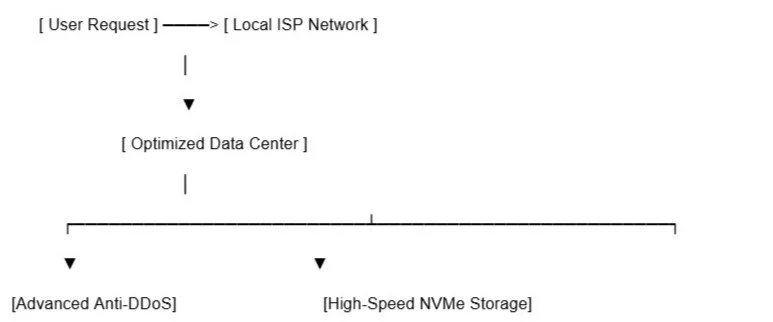
Security remains a primary concern for both operators and consumers in the digital space. With the rise of cyber threats, online platforms must implement sophisticated encryption protocols and continuous monitoring systems to protect user data and financial transactions. Modern server architectures in advanced regional hubs utilize automated DDoS (Distributed Denial of Service) mitigation tools and secure firewalls. This level of protection creates a safe environment where players can explore a high-performing Slot Server Thailandnetwork with total peace of mind.
Furthermore, hardware optimization plays a significant role in handling massive concurrent user spikes. Legacy servers often struggle when thousands of users attempt to access a platform simultaneously, leading to slowdowns or unexpected crashes. To prevent this, top-tier data centers utilize load balancing software that distributes incoming traffic evenly across multiple server nodes. Combined with solid-state storage (NVMe drives) and high-RAM configurations, these systems deliver consistent performance regardless of the platform's current active user count.
The future of digital entertainment hosting lies in cloud hybridization and edge computing. By processing data closer to where the actual user is located, edge servers minimize the physical distance data must travel, effectively eliminating lag. As these technologies become standard practice, the infrastructure supporting global platforms will continue to evolve, offering unprecedented speed, reliability, and immersion for users worldwide.