How to Tell If Your Industrial Floor Needs Repairing, Upgrading, or Both

Most facility managers know their floor has a problem long before they do anything about it. A forklift operator starts swerving around the same spot. A joint that was filled six months ago opens up again. A section of surface begins to flake near a high-traffic aisle. The signs are there, but the question of what to actually do about them is rarely straightforward.

The distinction between a floor that needs repairing and one that needs upgrading is more than semantic. It changes the scope of work, the cost, the timeline, and, most importantly, whether the intervention will last. Getting that diagnosis wrong means spending money on a solution that addresses the symptom rather than the cause, and returning to the same problem within a year or two.

Understanding the difference starts with asking a question that most contractors never raise: is the floor failing because something broke, or because it was never designed for what it is now being asked to do?

The Signals That a Floor Needs Repair
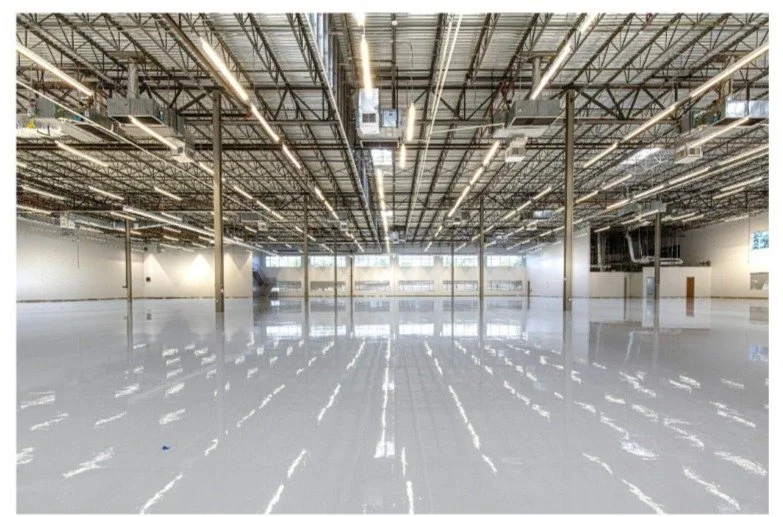
The most visible signs of a floor requiring attention are familiar to anyone who has managed a warehouse or distribution facility for any length of time.

Surface cracking is the most common presentation. Fine, hairline cracks caused by shrinkage during the original pour are generally cosmetic and carry no structural significance, though they should be monitored for any signs of widening. Larger cracks, especially those that are opening, stepping on one side, or appearing repeatedly in the same location, point to something more substantive. They may indicate restraint issues within the slab, inadequate reinforcement at the time of construction, or sub-base movement beneath the floor.

Joint failure is typically the most operationally disruptive problem a facility will encounter. The impact from hard-wheeled materials handling equipment passing over joints causes damage to the arris edges, and if joint sealant has de-bonded or perished, it is effectively no longer protecting the joint, which significantly increases the risk of further damage. What begins as minor edge chipping eventually escalates to wide, spalled joints that force operators to slow down, reroute, or avoid sections of the floor entirely.

Spalling and surface delamination, where layers of concrete separate or flake away from the structure beneath, are warning signs that should never be left to progress. Once concrete begins to break down, the deterioration accelerates rather than stabilising. The earlier the intervention, the more cost-effective the repair.

Other indicators include slab curling at edges and corners, drainage problems where water pools in areas that should run clear, and repeated damage to forklift tyres or suspension systems in specific zones, a reliable signal that surface transitions or joint conditions are creating impact loads the equipment was not designed to absorb.

In each of these cases, if the damage is localised and the underlying slab is structurally sound, targeted repair is the appropriate response. The key phrase is structurally sound. A repair applied over a compromised substrate does not solve the problem. Isolated joint repair in a deteriorated slab may resolve the visible damage while leaving underlying structural deficiencies unaddressed, producing recurrence at adjacent locations within twelve to thirty-six months.

When Repair Is Not Enough: The Case for an Upgrade

The harder conversation, and the one that facility managers are less often offered, concerns floors that are not so much damaged as they are mismatched to the operation running on top of them.

Operations evolve. Facilities that were built to accommodate counterbalanced forklifts in wide aisles are now running very narrow aisle trucks or autonomous guided vehicles. Distribution centres that originally handled pallet racking at eight metres have extended their racking to twelve or fourteen metres. Cold storage facilities have had their temperature profiles changed, increasing the stress on concrete that was specified for different conditions. In all of these scenarios, the floor may be performing exactly as it was designed to, but the design is no longer adequate.

The floor, in other words, was built for yesterday's operation.

This is the core distinction that separates a repair from an upgrade, and it is the lens through which specialists like Twintec Group approach the question. Rather than simply responding to visible defects, a genuine performance assessment examines whether the floor's current specification, its flatness tolerances, load capacity, joint configuration, and surface hardness, still matches the operational demands being placed on it. In many cases, particularly where automation has been introduced or loading patterns have changed, the answer is that it does not.

Performance upgrades address this gap through engineered improvement works that go beyond patching and filling. Structural slab overlays, joint reconstruction with armoured joint systems, surface grinding to restore flatness tolerances, and load transfer upgrades for high-stress zones are all interventions aimed at bringing the floor's capability back in line with what the operation actually requires.
The Scenario That Demands Both

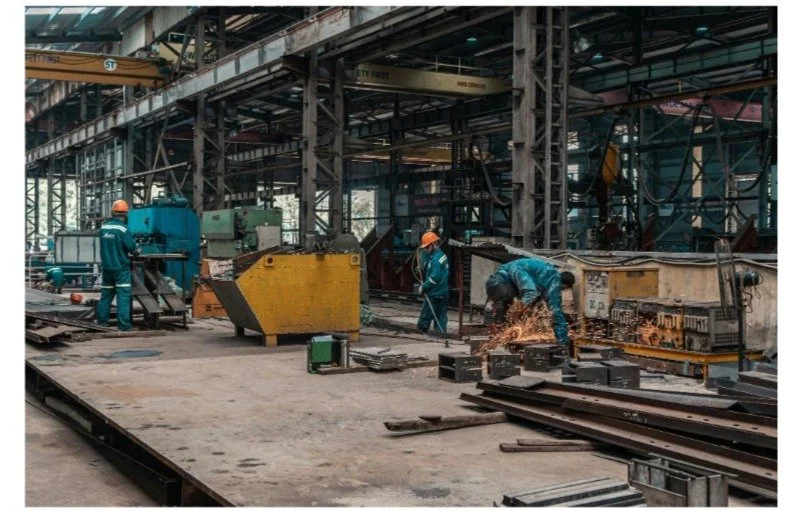
There is a third category, and it is arguably the most common in older facilities: floors that exhibit clear physical damage and have also drifted out of specification due to operational change.

A cold storage facility that has experienced joint deterioration and surface wear while simultaneously seeing an increase in load due to expanded robotic racking is a representative example. The repair need is real, but if it is addressed in isolation, the upgraded loads will simply recreate the same failures within a short period. The upgrade need is equally real, but upgrading a floor that has active joint failures and spalling will not resolve those defects on its own.

In this scenario, the correct approach is a structured assessment that maps the full picture, identifying which areas need repair, which areas need their performance envelope extended, and which need both, before any work is specified. That sequencing matters. Repairs made prior to an upgrade that changes the load profile of the floor may need to be designed differently than repairs made in isolation.

The practical implication for facility managers is straightforward: if a floor inspection only produces a list of repair items without any evaluation of whether the current specification still serves the operation, it is an incomplete assessment. The visible damage is the symptom. The underlying question, whether the floor was designed for this, is the diagnosis.

Getting that diagnosis right, before committing to a scope of work, is the difference between a floor that performs reliably for the next decade and one that requires attention again within the next two years.

/
script>

7 Warning Signs You Need Emergency Plumbing Repair Before Serious Damage Starts

Most plumbing emergencies do not begin with a burst pipe or a flooded basement. In many homes, the first signs are subtle: a sudden drop in water pressure, an unusual smell near a drain, or a small ceiling stain that slowly becomes larger over time. Because these problems often seem minor at first, many homeowners delay repairs until the damage becomes impossible to ignore.

Professional plumbers often explain that serious plumbing failures rarely happen overnight. In most cases, hidden issues develop gradually behind walls, under floors, or inside aging drain systems long before homeowners notice visible symptoms.

Understanding the early warning signs of plumbing failure can help prevent structural water damage, mold growth, and expensive restoration work.

Sudden Changes in Water Pressure Can Signal Hidden Pipe Damage

One of the earliest warning signs of a developing plumbing issue is inconsistent water pressure. Many homeowners assume low pressure is normal in older houses, but sudden fluctuations often indicate something more serious happening inside the system.

In residential plumbing inspections, professionals frequently discover:

  • hidden pipe corrosion;

  • small pressurized leaks;

  • mineral buildup restricting water flow;

  • partially damaged supply lines.

The dangerous part is that pressure problems may appear only occasionally. For example, pressure may drop only when multiple fixtures are running or during certain times of the day.

Experienced emergency handyman specialists usually test several fixtures throughout the property before determining whether the issue is isolated or affecting the entire plumbing system.

When pressure loss affects the whole house, it may point to a hidden leak or a failing water supply line behind the walls.

Sewer Odors Often Mean More Than a Dirty Drain

A persistent sewage smell coming from showers, sinks, or floor drains is one of the most ignored plumbing warning signs.

Homeowners often assume the drain simply needs cleaning. However, recurring odors frequently indicate:

  • sewer gas ventilation problems;

  • partial drain blockages;

  • damaged drain seals;

  • buildup deep inside the main sewer line.

Professional plumbers know that strong drain odors often become worse before a major blockage or sewer backup occurs.

In older homes especially, years of grease, soap residue, and debris accumulation can slowly reduce pipe capacity and airflow inside the drainage system.

Many home repair handyman professionals use inspection cameras and moisture detection tools during plumbing diagnostics because visible symptoms rarely show the full extent of the issue.

Water Stains Usually Mean the Leak Has Existed for Weeks

A yellow or brown stain on drywall rarely appears immediately after a leak begins. By the time moisture becomes visible, water may have already spread through insulation, framing, or subflooring materials.

This is why professional plumbers treat visible water marks as a late-stage warning sign rather than a small cosmetic issue.

Hidden plumbing leaks can quietly damage:

  • wooden support structures;

  • drywall and insulation;

  • flooring systems;

  • electrical areas located near plumbing routes.

In many emergency repair situations, the visible stain is only a small part of the actual damage hidden behind the surface.

This is also why homeowners should never ignore small ceiling discoloration near bathrooms, kitchens, or laundry rooms.

Recurring Drain Backups Are a Serious Red Flag

A single clogged sink does not always require emergency service. However, repeated drainage problems across multiple fixtures usually indicate a larger issue inside the sewer system.

Plumbers consider these warning signs especially serious:

  • toilets bubbling during showers;

  • water backing up into tubs;

  • slow drainage throughout the house;

  • frequent gurgling noises inside pipes;

  • repeated plunging requirements.

These symptoms often point to restricted wastewater flow inside the main sewer line.

During emergency plumbing inspections, technicians commonly discover root intrusion, grease accumulation, pipe collapse, or years of debris buildup inside older drainage systems.

Ignoring these symptoms can eventually result in sewage backing up directly into the home.

Why Fast Action Prevents Expensive Structural Damage

Water damage spreads far faster than most homeowners expect. Moisture trapped behind walls can begin creating ideal mold conditions within 24–48 hours.

This is one reason professional plumbers focus on leak containment immediately after identifying the source of the problem.

In many cases, homeowners delay repairs because the issue appears manageable. Unfortunately, plumbing professionals regularly uncover hidden structural deterioration during what initially seemed like a minor leak inspection.

For homeowners researching common warning signs and maintenance concerns,emergency plumbing specialists can fit naturally in this section as a helpful resource related to residential repair and plumbing prevention.

Conclusion

Most major plumbing emergencies provide warning signs long before catastrophic damage occurs. Pressure fluctuations, sewer odors, recurring drain issues, and water stains rarely happen without an underlying cause.

The earlier these problems are identified, the easier and less expensive they are to repair.

In residential plumbing systems, small warning signs almost always become larger structural problems when ignored for too long.

/
script>

Key Services Every Property Manager in Durango Should Offer

Rental homes in a mountain town bring charm, but they also come with responsibilities that need steady oversight. Owners rely on dependable support that keeps everything in order while preserving the condition of each property. Tenants expect comfort, clarity, and quick responses, which makes service quality an essential part of daily operations. A balanced approach helps maintain trust and prevents unnecessary complications between all parties involved in the rental process.

Durango Colorado property management stands out through practical solutions that match local needs with reliable property care. Strong systems also help maintain consistent income while reducing avoidable disruptions that can affect long-term stability. This article outlines the essential services that define effective real estate management in this region.

Strategic Marketing And Tenant Placement

A well-presented property attracts attention quickly, especially when clear photos and accurate details appear across trusted rental platforms. Careful listing placement ensures the home reaches serious renters. This approach helps reduce long vacancy gaps and supports steady income for owners in Durango.

A thoughtful placement process considers tenant suitability beyond basic inquiries, which helps create long-term occupancy. Experts match the right renter with the right home to build a balanced relationship. Strong placement decisions also protect the property from misuse and maintain its overall condition through responsible tenant behavior.

Detailed Tenant Evaluation For Better Peace Of Mind

A structured evaluation process helps real estate managers in Durango review each applicant with accuracy. This includes a close look at rental history, financial strength, and overall reliability without unnecessary complications. Such careful checks reduce the chance of missed payments or unexpected issues that could affect property stability.

Reliable evaluation builds confidence for owners who want assurance that their investment stays protected. It also sets clear expectations for tenants, which supports respectful occupancy and smooth day-to-day interactions within the property. When the right tenant occupies the home, fewer conflicts arise.

Professional Lease Setup And Structured Oversight

A well-prepared lease outlines responsibilities clearly, which helps prevent confusion between owners and tenants. Each clause reflects fair terms that maintain a sense of balance throughout the agreement. Clear documentation reduces misunderstandings and allows both parties to rely on a shared understanding of expectations.

Consistent oversight ensures that lease terms remain respected, even when unexpected situations develop. Real estate managers in Durango address concerns with a calm approach that supports fairness. Transparent communication helps maintain order and ensures that each agreement remains effective.

Routine Checks And Reliable Repair Coordination

Regular property checks allow early detection of small concerns before they develop into larger problems. These visits help maintain the overall condition of the home while ensuring that all essential features remain functional. A well-maintained property reflects care and helps retain its value for a long time.

Quick repair coordination ensures that tenants receive timely support when issues arise within the home environment. Reliable service providers in Durango handle efficiency concerns. This level of care strengthens tenant satisfaction and supports a stable rental experience for everyone involved.

Organized Rent Collection And Clear Financial Updates

A structured rent collection system keeps payments consistent, which supports reliable income flow for property owners. Clear timelines and simple processes reduce confusion and encourage timely payments from tenants. This approach creates a sense of order and keeps financial matters easy to manage.

Accurate financial updates give owners a clear view of income, expenses, and overall performance without complex reporting formats. Simple summaries allow better understanding of how the investment performs across different time frames. This clarity helps owners make informed decisions and maintain confidence in their property management.

Durango Colorado property management succeeds when each service works together to support stability, income flow, and long-term value. A well-managed property creates fewer concerns, builds stronger relationships, and keeps expectations clear for everyone involved. Connect with a trusted contractor for dependable guidance and secure the right solution for a smooth property management experience.

/
script>

Healthy Natural Applesauce Choice For Gut-Friendly Diet Plan

A gut-friendly diet begins with simple food options that support digestion and internal balance. Natural ingredients help reduce strain on the gut and promote a smoother digestive experience daily. In this regard, applesauce stands out as a gentle option that fits well into balanced and mindful eating habits.

Natural applesauce supports digestion with its clean composition and compatibility with gut health needs. The right selection can influence how the body responds to daily meals and overall wellness goals. This article explains healthy, pure applesauce choices that support a gut-friendly diet plan effectively.

Organic Products With Probiotic Cultures For Gut Balance

Unsweetened applesauce with probiotic cultures provides beneficial bacteria that support digestive balance and internal harmony. These cultures help maintain microbial diversity within the gut, which plays a crucial role in nutrient uptake. A diet that includes such options supports smoother digestion while promoting internal stability through balanced gut flora support.

Such applesauce varieties include live cultures that contribute to digestive efficiency without complicating daily food choices. They support a more comfortable digestive rhythm, especially for individuals who prefer gentle food options within structured diet plans. The selection of genuine products ensures that the probiotic cultures remain active and effective for proper health support.

Organic Apple-Based Products For A Clean Diet Plan

Applesauce made from organic apples ensures that the fruit remains free from synthetic inputs that may disrupt digestion. This choice aligns with a cleaner eating approach, which prioritizes natural sources and reduces unnecessary chemical exposure in meals. A gut-friendly plan benefits from such options, since fewer additives create a more stable digestive environment.

Organic apples also retain their natural composition, which supports easier digestion compared to heavily processed food alternatives. The simplicity within this choice helps maintain digestive comfort, especially for individuals sensitive to artificial ingredients in foods. Such a selection complements a balanced diet where natural sources remain central to long-term digestive health.

Applesauce With A Minimal Real Ingredient List

Pure applesauce that includes only a few recognizable ingredients supports a straightforward dietary choice. A simple list such as apples, lemon juice, and cultures reflects a focus on whole-food-based nutrition principles. This clarity allows individuals to trust their food sources, which contributes to a more mindful diet plan.

Fewer ingredients reduce the likelihood of digestive discomfort that may arise from artificial food formulations. Always choose products from reliable brands to maintain ingredient quality and ensure consistency. A consistent pattern of simple food choices encourages better digestion and promotes a sense of dietary stability.

Organic Products With No Added Sugar Content

Preservative-free applesauce without added sugar offers a more controlled approach to daily sugar intake. This choice supports digestive comfort as it avoids excess sugar that may interfere with gut bacteria balance. A steady intake of natural fruit sugars aligns better with dietary plans that focus on maintaining internal digestive harmony.

This option allows individuals to enjoy mild sweetness without overwhelming the digestive system. Lower sugar intake contributes to a more stable internal environment, which supports long-term digestive health goals. Such applesauce fits well into structured meal plans that prioritize balance, simplicity, and sustained digestive comfort.

Options Designed For Everyday Gut Care Routine

 Unsweetened applesauce that fits easily into daily routines supports consistent dietary habits that benefit digestive health steadily. A reliable snack or meal addition helps maintain regular intake patterns, which contribute to digestive rhythm stability. Such consistency creates predictable patterns that the body can adapt to with ease.

This type of applesauce offers convenience without sacrificing nutritional value. Its versatility allows inclusion within different meals, which helps maintain variety without complicating dietary choices. Access through a trusted online site makes it easier to find consistent quality options that fit within daily gut care routines.

A balanced diet feels more effective when simple, clean foods support digestion and daily comfort. Natural applesauce fits well into this approach, which offers a gentle option that aligns with gut health goals. Secure authentic products from trusted brands and reliable sources to maintain purity, consistency, and long-term dietary confidence.

/
script>