How Small Businesses Use Custom Stickers as Marketing That Sticks

Walk into a neighborhood coffee shop and take a quick look at the laptops in the room. The pattern repeats. Two or three local roasters' logos are on the lids, alongside the corner bakery's, the boutique gym down the block's, and the indie bookstore that stayed open through the pandemic's. A stranger glances at a laptop, sees the sticker, and files the brand away. That's the marketing channel small businesses have quietly been mastering for years.

Sticker marketing isn't new. What's new is how cheap and accessible custom printing has become, which means a neighborhood bakery can now order 200 logo stickers for the price of a Sunday brunch. Each sticker ends up on a customer's water bottle, laptop lid, planner, or notebook cover, and the brand keeps showing up in places no paid ad could afford to reach.

For local owners trying to stretch a marketing budget, the playbook is more documented than people realize. Some custom print shops, including Stickerbeat, have written practical breakdowns of examples of sticker marketing for small businesses that walk through what designs land, where to place them, and how a small sticker program turns customers into walking advertisements without anyone feeling marketed at.

Where Sticker Marketing Shows Up

A few categories of small business have figured this out faster than the rest.

Indie coffee shops were arguably the modern pioneers of the trick. The roaster on the corner orders a small run of die-cut logo stickers, drops them next to the register in a jar, and lets regulars take one when they grab their oat-milk latte. The stickers end up on laptops, water bottles, and the back of skateboards. By the time a barista has been making drinks for two years, the shop's logo is moving through the neighborhood every morning on its own.

Boutique fitness studios use a different play. Their stickers feel less like brand merch and more like membership tokens. Hand a new client a sticker after their tenth class, and the studio just turned a transactional sale into an identity moment. The client puts it on a gym bag or water bottle, and from that day on, the studio's brand travels with them everywhere.

Bars and restaurants treat stickers as conversation starters. A cocktail bar with a strong design aesthetic, hand-drawn lettering, and a moody color palette prints stickers that look more like collectible art than corporate branding. Regulars take them home, stick them on planners or laptops, and when a friend asks "where's that from?" the answer is the kind of word-of-mouth no Instagram ad can buy.

Indie bookstores and specialty retailers have borrowed an old mall-era trick: the brand-as-fandom sticker. A bookshop with strong character, a dog mascot, a slogan, and an unusual logo gets requests from regulars to put the sticker on the canvas tote, the bookmark, and the receipt envelope. The merchandise becomes the marketing.

Then there are the service businesses that most marketers forget about. A small real estate brokerage prints branded stickers and tucks them into the welcome packet for new clients. A dog groomer drops one in the receipt envelope. A local hair salon hands them out at the front desk alongside appointment cards. None of these are flashy. They're persistent, which is more useful.

What Makes the Approach Work

The pattern across every successful version of this is the same. Design has to come before anything else. A logo that reads well at one and a half inches, in two or three colors, with no fine detail that gets lost when the sticker shrinks to laptop size. Most of the small businesses doing this badly have logos designed for billboards instead of pocket-size adhesive vinyl. The fix is a logo that simplifies, and most graphic designers can produce a sticker-ready version in a single afternoon for a few hundred dollars.

Placement is the next variable. The shops that print stickers and never give them out get nothing. The shops that hand them out at the register, drop them in receipt envelopes, tuck them into shopping bags, or include them in welcome kits get the slow drip of brand visibility that paid ads can't replicate. Distribution is the line that separates a stack of stickers in a back room from an actual marketing program.

Consistency closes the loop. A coffee shop that prints a sticker once a year and never restocks loses momentum. A coffee shop that keeps the jar full at the register and varies the design seasonally builds a small collecting habit among regulars. Some customers will come back to grab the new design.

Harvard Business Review's foundational Brand Report Card by Kevin Lane Keller emphasizes that consistent branding across every touchpoint is what separates lasting brands from forgettable ones. Sticker marketing, done right, is one of the most repeated touchpoints a small brand can create, since each piece keeps doing brand work years after the print run.

The Math, Without the Marketing Textbook Framing

The cost side is straightforward. A small batch of premium die-cut stickers, 250 to 500 pieces on 3M vinyl with a gloss laminate, usually runs $100 to $250 depending on shape, size, and shop. That works out to roughly $0.40 to $1.00 per sticker, production and shipping included.

The impact side is harder to measure precisely, which is the honest truth most marketing articles skip. What can be observed is that sticker marketing produces effects on different timelines than digital ads. A paid Instagram post lives for a few days. A sticker on a laptop lid lives for years. Brand impressions accumulate slowly, in casual moments, while customers do their work, and that kind of slow visibility is hard to buy any other way.

The U.S. Small Business Administration has practical guidance on building a marketing plan for small businesses, and one of the throughlines in their guidance is that the budget items worth keeping are the ones that compound over time. Sticker programs fit that profile. The initial batch teaches what works. The next refines the design. After a few rounds, a small business has a low-cost brand vehicle that keeps showing up in customer photos, on water bottles, and in places no other marketing channel can reach.

Worth a Small Test

For a local small business considering this, the lift is small. An initial run of 250 stickers, distributed to regulars and tucked into receipts and welcome kits, will produce visible brand effects within a few months. The next run usually pays for itself in retention.

Worth a small order, a deliberate design, and a willingness to put the stickers somewhere customers will reach for them.


From Listings to Living: Make Better Decisions About Where You Live

Finding a place to live has never been easier.

Making the right choice still is.

You can scroll through hundreds of listings in minutes. You can compare prices, layouts, and amenities with a few clicks. But none of that answers the question that actually matters:

What is it like to live there?

That’s the difference between a place that looks good on paper and a place that fits your life.

Don’t just compare listings—browse homes for rent and sale on Leevli with real neighborhood insight behind every option.

The Problem with How People Choose Where to Live

Most people make housing decisions based on what’s visible:

  • Price

  • Photos

  • Square footage

  • Amenities

Those are easy to compare. So they become the focus.

But once you move in, your experience is shaped by things that are harder to see:

  • How quiet it is at night

  • Whether you can walk to what you need

  • How safe the area feels

  • What daily life actually looks like

This is where bad decisions happen. Not because people didn’t research—but because they researched the wrong things.

Listings Show Units. They Don’t Show Living

A listing can tell you everything about an apartment and still tell you nothing about the experience of living there.

Two apartments can look identical online and feel completely different in real life.

Why?

Because the unit is only part of the equation.

The environment around it determines:

  • Your routines

  • Your convenience

  • Your stress level

  • Your long-term satisfaction

You’re not just choosing a space. You’re choosing how your days will feel.

The Shift: From Comparing Units to Evaluating Environments

Smarter decisions come from shifting your focus.

Instead of asking:

  • “Is this a good apartment?”

Start asking:

  • “Is this a good place to live?”

That means evaluating:

  • Daily convenience

  • Walkability

  • Noise and activity

  • Safety perception

  • Local character and community

These are the factors that determine whether you enjoy where you live—or start planning your move out.

What Actually Matters When You Live Somewhere

When people reflect on where they’ve lived, the same themes come up again and again.

Daily Convenience

How easy is it to live your life?

  • Are groceries and essentials nearby?

  • Can you run errands without planning your whole day?

Noise and Environment

What does the area feel like at different times?

  • Quiet and calm

  • Active and social

  • Constant traffic or unpredictable noise

Mobility

How do you move through your day?

  • Can you walk to things?

  • Do you rely on a car for everything?

Safety Perception

Not just data—experience:

  • Do you feel comfortable at night?

  • Is the area active and well-lit?

Neighborhood Fit

Does it match your lifestyle?

  • Young professionals, families, or mixed

  • Quiet residential vs. high energy

  • Long-term residents vs. constant turnover

These factors are rarely clear from a listing—but they define your experience.

Why Most People Get This Wrong

The process is backwards.

People:

  1. Find an apartment

  2. Assume the area works

  3. Discover the reality after moving in

A better process is:

  1. Understand the neighborhood

  2. Validate how it feels to live there

  3. Then choose the right unit

When you reverse the order, your decisions improve immediately.

From Guessing to Knowing

Most rental decisions are built on assumptions:

  • “It looks quiet”

  • “It seems walkable”

  • “I think it’s safe”

But assumptions are where regret starts.

Better decisions come from replacing assumptions with real insight:

  • What people who live there actually experience

  • What daily life looks like beyond the listing

  • What problems show up after the move

When you understand that, you’re no longer guessing—you’re choosing with clarity.

A Better Way to Decide Where to Live

The future of real estate isn’t just about finding listings.

It’s about understanding living.

That means combining:

  • Real perspectives from residents

  • Structured insight into neighborhood quality

  • Clear signals about what matters day to day

When you have that, everything changes:

  • You filter faster

  • You avoid bad fits

  • You make decisions with confidence

Make the Move You Won’t Regret

Before you commit to a place, take a step most people skip:

Understand what it’s actually like to live there.

Because the difference between a good move and a bad one isn’t the apartment.

It’s the environment around it.

And once you get that right, everything else falls into place.

What to Expect When Using Red Light Therapy for Dogs at Home

Caring for a dog in pain can quietly reshape your daily routine. You start noticing the small things. Slower walks. Hesitation before jumping onto the couch. A change in how they settle down at night. That’s often when pet owners begin exploring at-home solutions that feel gentle but still effective.

Red light therapy has become one of those options people are curious about. It sounds technical, but the experience of using it at home is surprisingly simple. Still, there are a few things worth knowing before you begin, especially if you want to set realistic expectations.

Here’s what it actually feels like to use red light therapy for your dog, beyond the marketing and quick promises.

1. It’s Not as Complicated as It Sounds

The name can throw people off. Red light therapy feels like something you’d only find in a clinic, surrounded by machines and specialists. In reality, most at-home devices are designed for ease. You switch them on, position the light over the affected area, and let it do its job.

There’s no learning curve that requires hours of research. You don’t need a veterinary background. Most pet owners figure it out within the first session. That said, consistency matters more than technique. It’s less about doing it perfectly and more about showing up for it regularly.

2. The Results Build Gradually

This is probably the biggest expectation to reset. Red light therapy is not a quick fix. You’re not going to see dramatic changes after one or two sessions. Improvements tend to show up subtly. Maybe your dog gets up a little easier. Maybe they walk a bit longer before slowing down. That’s often why pet owners begin researching options like pain relief for dogs that don’t rely entirely on medication, especially when they’re looking for something they can use consistently at home.

Many pet owners exploring MedcoVet’s approach to at-home care come across veterinary-grade devices designed for red and near-infrared light therapy at home. These can be added to a dog’s broader treatment plan, and some families choose to start with a clinician consultation to understand whether it suits their situation. That kind of clarity tends to make it easier to stay consistent, which is where gradual progress really begins to show.

3. Your Dog Might Be Unsure at First

Not every dog immediately relaxes into the experience. Some will sit still without a second thought. Others may shift, look back at you, or try to move away. It’s not discomfort. It’s just unfamiliar.

The warmth of the light can feel different, especially during the first few sessions. Giving your dog time to adjust makes a big difference. A calm environment helps. So does pairing sessions with something they already associate with comfort, like a blanket or a quiet corner. Most dogs settle into it quicker than you’d expect.

4. Session Timing Becomes Part of Your Routine

At first, it feels like something extra you have to fit into your day. Then, almost without noticing, it becomes part of your rhythm.

Some people prefer morning sessions, especially if their dog tends to be stiff after sleeping. Others find evenings work better, when the house is quieter.

Sessions themselves aren’t long. Usually just a few minutes per area. But the consistency matters more than the exact timing. Missing a day here and there isn’t a problem, but regular use is where the real value shows up.

5. You’ll Start Paying More Attention to Small Changes

Using red light therapy tends to shift how closely you observe your dog. You notice posture. Movement. Energy levels. Even subtle changes in mood.

That awareness can be a good thing. It helps you track whether the therapy is making a difference, but it also strengthens your understanding of your dog’s overall health. Sometimes, the improvement isn’t dramatic enough to announce itself. You catch it in the small details.

6. It’s Gentle, But That Doesn’t Mean Ineffective

There’s a common assumption that if something feels gentle, it might not be doing much. Red light therapy challenges that idea. There’s no pressure. No invasive process. No recovery time.

The light works beneath the surface, interacting with tissues in a way that supports healing and reduces discomfort over time. You don’t see it happening, which can make it easy to underestimate. But many pet owners stick with it precisely because it doesn’t add stress to their dog’s routine.

7. Some Days Will Feel Better Than Others

Progress isn’t always linear. Your dog might seem more active one day and then slower the next. That doesn’t mean the therapy isn’t working. It just reflects how bodies respond over time, especially when dealing with joint issues, inflammation, or age-related changes. 

This is where patience comes in. Looking at trends over weeks rather than days gives a clearer picture.

8. It Works Best as Part of a Bigger Care Plan

Red light therapy doesn’t have to replace anything. It often works alongside other approaches.

That could mean combining it with light exercise, joint supplements, or guidance from your vet. Think of it as one piece of a broader care routine rather than a standalone solution. When used that way, it tends to feel more effective and sustainable.

9. You Don’t Need to Overdo It

More isn’t always better. It’s tempting to increase session time or frequency, especially when you’re hoping to speed things up. But sticking to recommended guidelines is important. Overuse doesn’t necessarily lead to faster results.

Consistency beats intensity here. Short, regular sessions tend to be more beneficial than occasional long ones.

10. The Emotional Impact Is Real Too

This part doesn’t get talked about enough. When your dog is in discomfort, it affects you as well. There’s a sense of helplessness that comes with watching them struggle, even in small ways.

Having something you can actively do at home changes that dynamic. It gives you a role in their care beyond observation. Even before the physical results become noticeable, that shift matters. You feel involved. More in control. Less like you’re just waiting and hoping.

Conclusion

Red light therapy for dogs at home isn’t dramatic or instant. It’s quiet. Steady. Almost subtle in how it fits into daily life. You won’t see overnight transformations. What you may notice instead is a gradual easing. A return of small comforts. A bit more ease in movement, a little less hesitation in everyday actions.

For many pet owners, that’s enough. Sometimes more than enough. The key is going in with the right expectations. Stay consistent. Pay attention. Give it time to do what it’s meant to do. Because in the end, it’s not about quick fixes. It’s about helping your dog feel just a little better, one session at a time.

What Are Common Mistakes When Choosing Corner Vanities?

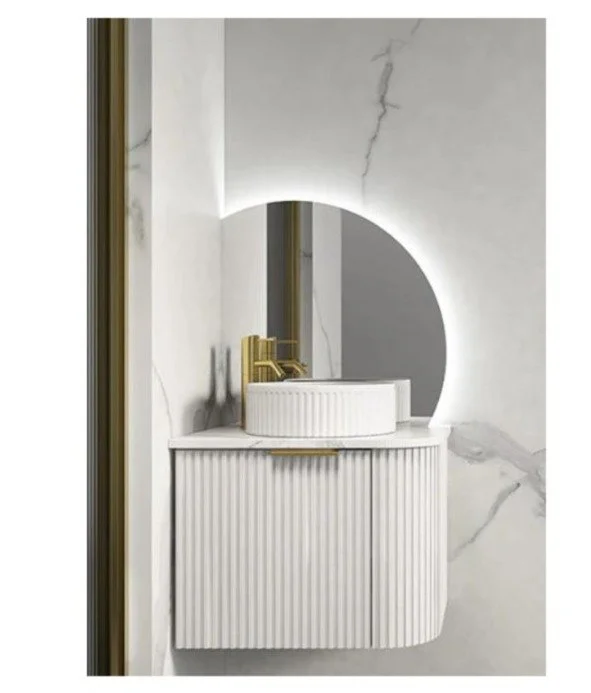
Corner vanities promise extra floor space, better movement, and a stylish focal point. Many homeowners pick them to make a small or awkward bathroom feel larger and more efficient. Yet the wrong choice can crowd the room, block doors, or create daily frustration. People often rush the decision, focus only on looks, and ignore measurements, plumbing, and storage. These mistakes lead to costly changes, returns, or full remodels later. With a bit of planning, you can avoid these issues and choose a corner vanity that fits the room, your routine, and your budget. This guide walks through the most common errors and how to prevent them.

What Are the Most Common Corner Vanity Mistakes?

Choosing the Wrong Size for Your Bathroom

One of the biggest mistakes is picking a corner vanity that simply does not fit the space. Homeowners often rely on rough guesses instead of precise measurements. A vanity that is too large can block doors, limit movement, and make a small bathroom feel cramped. A unit that is too small may look odd in a larger room and reduce usable counter space. People also forget to measure the swing of the bathroom door, shower door, or nearby cabinets. Failing to consider the height can cause issues with mirrors or windows. Always measure width, depth, and height, and compare them to the actual floor plan.

Ignoring Layout and Traffic Flow Issues

Another common mistake is focusing only on the corner and ignoring how people move through the entire bathroom. A poorly placed corner vanity can interrupt traffic flow and make daily routines uncomfortable. Doors may bump into the vanity, and two people may not pass each other easily. Homeowners also overlook clearance for drawers and cabinet doors, which can hit the toilet, tub, or wall when open. If the vanity blocks sightlines, the room can feel tight and cluttered. Good layout planning means mapping how you enter, turn, and use each fixture. Make sure there is enough space around the vanity for comfortable movement and safe use.

Overlooking Plumbing and Installation Needs

Many buyers choose a corner vanity based on style and price, then discover the plumbing does not line up. Moving water lines and drains into a corner can be complex and may require opening walls or floors. This can add unexpected labor costs and delays. Some vanities also need specific mounting hardware or wall reinforcement, especially floating models. Ignoring installation requirements can lead to leaks, loose cabinets, or damage over time. Before buying, review the vanity’s plumbing configuration and compare it to your existing setup. Talk with a plumber or contractor if needed. Planning for rough-in points early will save money and stress later.

Design and Functionality Mistakes to Avoid

Poor Storage Planning and Limited Usability

A stylish corner vanity can still disappoint if it lacks smart storage. Many people choose a compact design that looks sleek but offers little room for toiletries, cleaning products, or extra towels. As a result, counters become cluttered and daily items end up scattered. Deep, poorly divided cabinets can also waste space because items get lost at the back. Some designs place pipes in the center, limiting usable storage even more. Think about what you need to store every day and which items must stay within easy reach. Look for drawers, shelves, or organizers designed for corner spaces to maximize every inch.

Choosing the Wrong Materials and Finishes

Bathrooms expose vanities to moisture, splashes, and frequent cleaning. A common mistake is choosing materials that look good but cannot handle humidity. Cheap particleboard may swell or warp near the sink. Low-quality laminates can peel, and some stones stain easily if you do not seal them. Finishes that show water spots, fingerprints, or scratches will quickly look worn. People also overlook how easy a surface is to clean. Glossy coatings may highlight every mark, while very textured ones can trap dirt. Select moisture-resistant woods, high-quality laminates, or sealed stone. Pair them with durable hardware and hinges that resist rust and corrosion.

Mismatching Vanity Style with Bathroom Design

Another frequent mistake is choosing a corner vanity that clashes with the rest of the bathroom. A super modern, angular vanity can look out of place in a traditional space with classic tiles and fixtures. Conversely, a very ornate vanity may overwhelm a minimalist or contemporary room. People sometimes buy pieces they like in isolation, without considering the bigger design picture. This mismatch can make the bathroom feel disjointed and less appealing. To avoid this, repeat key elements such as color, finish, and shape. Make sure the vanity works with your mirror, lighting, faucets, and flooring for a cohesive look.

How Can You Avoid These Corner Vanity Mistakes?

Measuring Accurately and Planning Ahead

The best way to avoid size and layout mistakes is careful measurement and planning. Use a tape measure to record wall lengths, ceiling height, and clearances around doors, toilets, and showers. Note where windows, outlets, and switches sit. Create a simple floor plan on paper or with an online tool, then place the vanity dimensions inside it. Mark space needed for doors and drawers to open fully. Check plumbing locations and consider if they align with the vanity you want. Share these details with your installer or designer. A clear plan helps you choose a corner vanity that truly fits and functions well.

Balancing Style, Storage, and Functionality

Avoid focusing only on looks or only on storage. A successful corner vanity balances all three: style, storage, and function. Start with your daily routine. List what you use every morning and night, and decide where those items should live. Choose a design with enough drawers, shelves, or organizers to keep clutter off the counter. Then consider style: pick colors, hardware, and shapes that support your overall bathroom theme. Finally, check that sink depth, counter space, and faucet height match your comfort. When each choice supports both appearance and everyday use, you create a bathroom that feels good and works well.

Learning from Common Buyer Pitfalls

Many buyers share the same regrets: not measuring, ignoring plumbing, and picking style over function. Use their experience as a guide. Read product reviews and pay attention to repeated complaints about fit, durability, or storage. Visit showrooms when possible to see how corner vanities look and feel in person. Ask installers what problems they see most often and which brands or designs cause headaches. Take your time rather than rushing to catch a sale. By learning from others’ mistakes, you can spot red flags early, ask better questions, and invest in a corner vanity that will last and truly serve your needs.

Conclusion

Choosing a corner vanity can transform a tight bathroom into a more open, efficient space, but only when you avoid common mistakes. Wrong sizing, poor layout planning, and overlooked plumbing often lead to costly changes and daily frustration. Design missteps, such as weak storage, fragile materials, and clashing styles, can also hurt both function and appearance. When you measure carefully, think through how you move and store items, and match the vanity to your existing decor, you set up your project for success. Use these tips as a checklist before you buy. A well-chosen corner vanity will improve comfort, organization, and long-term value.