Land Title Search Before Construction: Why It Matters

Starting a construction project, whether residential or commercial, is a big decision that requires significant investment. Although planning, budgeting, and design take precedence during this period, an equally important task is often neglected: conducting a land title search.

To avoid any legal issues, you need to make sure that the land on which you plan to build is legally sound and free of any conflicts. Doing so ensures that your construction project goes smoothly, with no hindrances along the way.

What Is a Land Title Search?

A land title search refers to the process of examining a property’s title deeds to determine if there are any outstanding claims against the property. The land title search also highlights any existing liabilities or restrictions concerning the property.

In Australia, land ownership operates under the Torrens Title System. This system allows for accurate record-keeping of land ownership rights and other details related to land property transactions.

Why a Title Search Is Crucial Before Construction

Despite this, it is still recommended to conduct a title search before beginning construction on the land. Here’s why:

1. Guarantees Legal Possession

It is crucial for title searches to be able to guarantee that the seller or developer possesses the land, having the legal grounds to sell it to you. If the seller does not have the right to the possession of the plot, it may lead to serious consequences later.

2. Shows Financial Claims on Land

In addition, it may contain mortgages or other claims that were placed on the piece of land. These may cause problems in future since they need to be paid off.

3. Shows Easements on the Plot

This is another important piece of information you will get from the title search. Easements mean that some parties have the right to use the land. This is extremely important when you plan to build something on it. For instance, there may be such things as drainage or utilities easements that affect your building.

4. Shows Land Use Regulations

A title search is usually combined with zoning. Land uses should be clearly stated, and if you build something against them, you may face many unpleasant consequences. Construction without consideration of these limitations may lead to punishments, modifications, or even demolition of unauthorised constructions.

5. Eliminates Boundary Disputes

One of the main reasons for construction delays is boundary problems. The combination of a title search and survey helps identify property boundaries correctly.

6. Reveals Caveats and Legal Claims

The caveat refers to the fact that another person claims his/her right to the piece of land. It may be related to money, inheritance, or contract issues. You should resolve all these matters before the beginning of the construction process.

Consequences of Ignoring Title Search

If you ignore the land title search when constructing on the land, the following negative consequences may appear:

  • Construction delays caused by legal disputes

  • Financial loss because of the non-resolution of debts and/or claims

  • Unable to get construction permissions

  • Demolition or reconstruction in case of zone violation

  • Future inability to sell the land and finance construction works

  • Thus, you can convert your potentially profitable project into a failure.

Steps to Perform a Title Search

When preparing for land construction, do the following steps:

  • Get the title: Get the land title from the land registry department.

  • Verify ownership status: Ensure the name on the title is that of the actual seller or transferor of the property.

  • Check for encumbrances: Mortgages, liens, easements, and other restrictions may have a bearing on the use of land.

  • Get survey plans: Survey plans reveal the land’s boundaries, measurements, and topography.

  • Perform zoning verification: Contact the concerned government departments to confirm land-use zoning compliance and construction requirements.

  • Examine the documents: Check for permits and/or any restrictions from local authorities that might affect the construction work.

  • Employ a property attorney or conveyancer: They will guide you through any complicated legal issues related to the land that might arise.

Documents That Must Be Checked Before Construction

Make sure you check before commencing building work the following:

  • Title Certificate

  • Survey Plan

  • Land Zoning Certificate

  • Approval To Develop

  • Any existing easements

Environmentally or historically significant

These documents will give you full legal information about your piece of land.

Practical Tips for Constructors and Investors

  • NEVER begin construction until you have completed a proper title search.

  • Always confirm land boundaries by way of a survey plan.

  • Look out for any easements that may prevent you from building.

  • Clear all financial claims before acquiring the property.

  • Be very involved in discussions with your legal and construction team.

Conclusion

With a comprehensive title search before any construction begins, you have protected yourself from any risk or delay, and you can construct in peace. The cornerstone of successful real estate deals and developments lies within due diligence, which begins by understanding your own land.


Smart Storage Solutions That Increase Home Appeal

Storage is one of those things every homeowner wishes they had more of. Whether you live in a small apartment or a spacious house, clutter has a way of creeping in and making spaces feel smaller and less inviting. Good storage is not just about hiding stuff. It is about making your home feel organized, functional, and attractive at the same time. When done right, smart storage solutions can genuinely change how your home looks and feels, making it more appealing to both you and potential buyers.

Why Storage Matters More Than You Think

Most people focus on paint colors, furniture, and lighting when trying to improve their home. Storage often takes a backseat, yet it plays a huge role in how a space feels. A room packed with stuff looks smaller, messier, and less welcoming, no matter how nice the décor is. On the flip side, a well-organized room with smart storage feels spacious and calm.


When you walk into a home that has thoughtful storage built in, it sends a clear message: this space was designed with care. That impression sticks. For homeowners who plan to sell, this matters a lot. Buyers notice when there is enough room for their belongings, and they are more likely to make strong offers on homes that feel practical and well-maintained.

According to real estate professionals at Mill City Home Buyers, storage capacity is one of the most common things buyers mention when evaluating a home. It is not always the flashiest upgrade, but it consistently adds perceived value.

Room-by-Room Storage Ideas That Actually Work

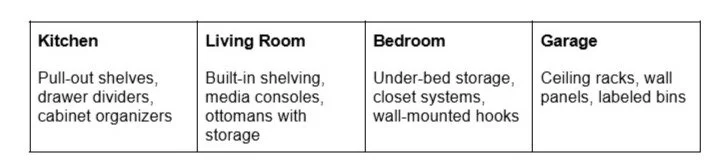
Every room in your home has untapped storage potential. In the kitchen, vertical space is almost always wasted. Installing open shelves above counters or adding a magnetic knife strip frees up drawer space and adds a modern look. Pull-out shelves inside lower cabinets make it much easier to access pots and pans without digging around.

In the living room, built-in shelving around a fireplace or TV unit looks sharp and gives you a place for books, décor, and media gear. If built-ins feel too permanent, a media console with drawers or a storage ottoman works just as well and costs far less.

Bedrooms benefit hugely from a proper closet system. A simple rod-and-shelf setup is usually not enough. Adding double-hang sections for shirts and jackets, a drawer unit for folded clothes, and shelf dividers makes the closet feel custom-built without a big price tag. Under-bed drawers or rolling storage containers take advantage of the space that is usually ignored.

Low-Cost Storage Upgrades With Big Impact

Not every storage upgrade needs to be expensive. Some of the most effective changes are affordable and easy to install on your own. Over-the-door organizers, for instance, work in bathrooms, bedrooms, and pantries. They take advantage of a surface that is normally wasted and instantly create more room.

Floating shelves are another budget-friendly option. They add storage and visual interest at the same time, turning blank walls into functional display areas. In bathrooms, a set of floating shelves above the toilet is a common fix for a space that often lacks storage.

Hidden Storage Tricks That Impress Visitors

Hidden storage is clever because it keeps spaces looking clean while still giving you plenty of room for your belongings. A storage bench at the end of a bed holds extra blankets. A coffee table with a lift top hides remotes, books, and chargers. Stair drawers built into the risers of a staircase are a creative way to use space that is often sealed off.

In smaller homes, a Murphy bed with built-in shelving around it turns a guest room into a home office or hobby space when the bed is folded up. These kinds of solutions do not just add storage. They make the home feel thoughtfully designed, which buyers and guests notice right away.

Keep it cohesive: Hidden storage looks best when it blends into the room. Match finishes to existing cabinetry or walls for a seamless, intentional look.

How Organized Storage Lifts Your Home's Value

Beyond just looking nice, smart storage has a real effect on home value. Buyers shopping in competitive markets pay close attention to closet space, pantry capacity, and garage organization. A home that feels roomy and organized stands out in listings and during showings.

Storage upgrades also signal to buyers that the home has been well cared for. When every space has a purpose and things are easy to find, it gives the impression of a well-maintained property. That confidence can lead to faster sales and stronger offers.

If you are planning to sell your home or simply want to enjoy it more while you live there, investing in smart storage is one of the smartest moves you can make. It costs less than a kitchen remodel, takes less time than a bathroom renovation, and delivers a noticeable improvement in how your home feels day to day.

FAQ

Q1: Why is storage important in my home?
Answer: Storage plays a crucial role in how a space feels. A cluttered room can seem smaller and less inviting, while a well-organized room with smart storage feels spacious and calm. Good storage also sends a message that the space was designed with care, which is important if you're planning to sell your home.

Q2: What are some effective storage solutions for my kitchen?

Answer: In the kitchen, consider installing pull-out shelves, drawer dividers, and cabinet organizers. Utilizing vertical space with open shelves above counters or adding a magnetic knife strip can also free up drawer space and enhance the look of your kitchen.

Q3: How can I create hidden storage in my home?

Answer: Hidden storage can keep your spaces looking clean while providing room for your belongings. Some clever options include using a storage bench at the end of the bed, a lift-top coffee table to hide remotes and books, or stair drawers built into the risers of a staircase.

Q4: Will smart storage solutions really increase my home's value?

Answer: Absolutely! Smart storage solutions can significantly boost your home's appeal and value. Buyers often look for closet space, pantry capacity, and garage organization. An organized home gives the impression of being well-maintained, which can lead to faster sales and stronger offers. 

Financial Gaps in Retirement Most Homeowners Overlook

Owning property is often seen as a cornerstone of financial security in retirement. Many homeowners feel confident knowing they’ve built equity over decades. It creates a sense of stability that renters or short-term investors may not have. However, real estate alone doesn’t always cover the full picture of retirement planning. There are often hidden gaps that only become visible later in life.

One of the biggest misconceptions is that a paid-off home eliminates major financial concerns. While it removes a mortgage payment, it doesn’t erase ongoing costs tied to ownership. Property taxes, maintenance, insurance, and repairs can still add up over time. These expenses tend to increase as both homes and homeowners age. Without a broader strategy and the right financial advisor for retirees, people can end up with valuable assets but limited cash flow.

The Risk of Outliving Financial Protections

Many homeowners assume their insurance policies will provide long-term security. Life insurance is often viewed as a safety net tied to family protection or estate planning. What’s less discussed is how these policies function decades later. As life expectancy increases, older plans don’t always align with modern financial realities. This mismatch can quietly create gaps in coverage.

In some cases, individuals reach a stage where coverage ends but financial needs continue. This creates a situation where assets must carry more weight than originally planned. A home may hold significant value, but it doesn’t automatically generate income unless it’s used strategically. Many retirees don’t fully account for the possibility of outliving their life insurance policy later in retirement. Planning with flexibility becomes more important as timelines stretch.

There are a few common reasons this gap appears:

  • Policies were designed around shorter lifespans

  • Premiums become harder to maintain with reduced income

  • Financial priorities shift once dependents are no longer relying on support

These changes don’t always happen all at once, which makes them easy to overlook. Over time, they can compound into a meaningful financial gap. That’s why regular reviews are essential for long-term stability.

Property Wealth Doesn’t Always Equal Cash Flow

Homeownership builds wealth, but much of that wealth is tied up in the property itself. Unless equity is converted into usable income, it remains inaccessible for everyday expenses. This becomes more noticeable during retirement when steady cash flow matters most. Selling or borrowing against a home can help, but those options aren’t always ideal. Many homeowners prefer to stay in place rather than disrupt their living situation.

Rental properties can offer income, but they come with their own risks. Vacancies, repairs, and shifting market demand can affect consistency. Relying too heavily on property income can introduce uncertainty into a financial plan. A dependable income stream should be stable enough to support essential expenses. Without diversification, that stability can be harder to maintain.

There are several ways homeowners attempt to bridge this gap:

  • Downsizing to unlock equity

  • Renting part of the home for supplemental income

  • Using financial tools tied to home equity

Each approach has trade-offs that should be considered carefully. What works well in one situation might not fit another. The goal is to balance access to funds with long-term housing needs.

Healthcare Costs and Long-Term Planning

Healthcare is one of the most underestimated expenses in retirement. Even with coverage, out-of-pocket costs can increase steadily over time. As people age, the likelihood of needing consistent care grows. This includes both routine medical needs and more intensive support. Without preparation, these costs can strain financial resources quickly.

Homeowners sometimes view their property as a backup plan for these expenses. While it can provide financial support, accessing that value isn’t always simple. Selling under pressure can limit options and reduce financial flexibility. It’s more effective to plan ahead rather than rely on reactive decisions. A proactive approach allows for better control over outcomes.

Long-term care planning often involves multiple layers. Savings, insurance, and investment income all contribute to a more stable foundation. No single solution addresses every scenario that may arise. That’s why it’s important to think beyond traditional retirement tools. A broader approach helps reduce the impact of unexpected costs.

Inflation and the Erosion of Buying Power

Inflation may not feel urgent at the start of retirement, but its effects build over time. Fixed income sources don’t always keep pace with rising costs. This creates a gradual reduction in purchasing power that can affect daily life. Expenses that once felt manageable can become more challenging. Over time, this shift can create noticeable financial pressure.

Homeowners often experience inflation in specific ways. Property taxes, maintenance, and service costs tend to rise alongside broader economic trends. Even without a mortgage, the cost of living in a home can increase. This can catch people off guard if they haven’t planned for long-term changes. Stability in ownership doesn’t always mean stability in expenses.

Planning for inflation requires ongoing adjustments. Investment strategies and spending habits both play a role in maintaining balance. Ignoring inflation can weaken even a well-structured plan. Staying flexible allows retirees to adapt as conditions change. That adaptability is key to preserving financial stability.

Reassessing Retirement Plans Over Time

Retirement planning should evolve as life changes. Financial goals, health needs, and market conditions don’t stay the same over decades. What felt sufficient earlier may no longer provide the same level of security. Regular reviews help identify gaps before they become major concerns. This process keeps plans aligned with current realities.

Homeowners benefit from looking beyond property as their primary asset. While real estate plays an important role, it shouldn’t carry the entire plan. Evaluating income sources, risks, and expenses provides a more complete picture. This broader perspective makes it easier to adjust strategies when needed. It also highlights opportunities for improvement.

Making small changes over time can lead to better long-term outcomes. Waiting too long can limit available options and increase stress. A flexible, well-rounded approach helps maintain stability throughout retirement. It ensures that financial plans remain relevant as circumstances shift. That ongoing attention makes a meaningful difference.

Closing the Gaps Before They Grow

Financial gaps in retirement don’t always appear suddenly. They tend to develop gradually as assumptions change and expenses evolve. Homeownership can provide a strong foundation, but it doesn’t cover every scenario. Without attention, small gaps can grow into larger challenges over time. Recognizing them early creates more room for adjustment.

A balanced plan considers both assets and income needs. It also accounts for risks like longevity, healthcare, and inflation. No single strategy solves everything, which is why diversification matters. Combining different approaches creates a more resilient financial structure. This helps reduce dependence on any one source.

Taking the time to review and refine a plan can make retirement more sustainable. It allows homeowners to use their assets more effectively while protecting their lifestyle. Addressing gaps early leads to better flexibility and fewer surprises. A thoughtful approach keeps finances aligned with long-term needs. That consistency is what supports lasting financial security.

The Ultimate Guide to Hosting a Game-Day Watch Party

Hosting a game-day watch party doesn’t require a huge house or a complicated plan. What matters more is the atmosphere, the food, and the way people experience the game together. With a little preparation, you can turn a regular evening into something that feels like a special event. The right setup keeps guests comfortable, keeps the snacks flowing, and keeps everyone focused on the action. When you balance good food, a great viewing setup, and a relaxed vibe, the game becomes the perfect excuse for a memorable gathering.

Set the Atmosphere Before Guests Arrive

Choosing a theme based on the teams playing instantly gives the entire watch party a clear identity. Guests walk in and immediately feel the excitement. Use team colors, jerseys, or playful rivalry decorations to set the tone. Even small details can transform an ordinary living room into a space that feels lively and ready for kickoff.

Think about the kind of energy you want your guests to feel. Many people love the electric vibe of a crowded sports bar, where everyone reacts together to big plays. Try to recreate that same atmosphere at home. Arrange decorations, lighting, and music to make the room feel energetic and social rather than quiet and formal.

Seating should be carefully planned because everyone wants a good view of the screen. Move furniture around so guests don’t have to twist their necks or stand up every few minutes. Pull in extra chairs, stools, or floor cushions if needed. When people feel comfortable and can see clearly, they stay focused on the game.

Music before kickoff helps build anticipation while guests arrive and settle in. Choose upbeat tracks that energize the room without overpowering conversation. As people grab snacks and drinks, the background music fills the silence, building momentum. By the time the game begins, everyone already feels part of the event.

Plan the Ultimate Game-Day Menu

Game-day food works best when guests can grab something quickly and return to the screen. Finger foods solve that problem perfectly. Sliders, mini tacos, or bite-sized wraps keep things simple. Nobody wants to juggle a fork and plate while a big play unfolds. Easy snacks keep everyone relaxed and focused on the action.

Classic snacks still dominate watch parties for a reason. Wings, nachos, loaded fries, and mozzarella sticks always disappear quickly. People expect these dishes because they associate them with big games and crowded tables. Lean into those expectations instead of reinventing everything. Familiar favorites make guests comfortable and encourage them to keep coming back for more.

Not every dish needs to come from your kitchen. Mixing homemade items with store-bought options saves time and keeps you from feeling overwhelmed. You might cook a batch of wings, but bring in a deli tray or ready-made dips. Guests rarely notice the difference, and honestly, they mostly care that the food keeps flowing.

Food stations help prevent that awkward crowd around the kitchen counter. Spread dishes across multiple surfaces so guests can grab snacks from different areas. One table might hold chips and dips, while another carries hot food. This setup keeps people moving smoothly and avoids those moments where everyone waits in a slow snack line.

Build a Drink Setup That Runs Itself

A self-serve cooler solves half the drink logistics immediately. Fill it with beer, soda, and sparkling water so guests can help themselves whenever they want. That way, you avoid running back and forth playing bartender all night. People enjoy the freedom to grab another drink without interrupting the host.

Signature cocktails add personality to the party and spark conversation. Try something simple that matches the teams playing, maybe using their colors or nicknames as inspiration. You don’t need complicated ingredients. Even a basic mix with a fun name can make the drink feel special and help guests remember the event later.

Clear labeling prevents confusion once the party picks up energy. Mark alcoholic drinks separately from non-alcoholic options so guests always know what they’re grabbing. This small step helps everyone feel comfortable, especially if someone prefers to avoid alcohol. A little clarity keeps the drink station organized throughout the night.

Keeping essentials together saves everyone from unnecessary searching. Place cups, napkins, and ice in the same area as the drinks so guests don’t wander through the house. You want the setup to feel intuitive. When everything sits within arm’s reach, people naturally clean up after themselves, and the party runs much more smoothly.

Make the Viewing Experience Perfect

Testing your TV and streaming setup before guests arrive removes a lot of stress. Nothing kills excitement faster than technical issues five minutes before kickoff. Check the connection, sound system, and streaming service ahead of time. That way, when the game starts, everyone can relax and enjoy it rather than troubleshoot.

Lighting plays a bigger role than people expect. Too much glare on the screen can ruin the viewing experience, especially during daytime games. Try dimming certain lights or closing curtains slightly. You want enough brightness for people to move around safely, but not so much that the screen loses clarity.

Comfort also matters more than people realize. Guests will probably sit in the same spot for several hours, especially during big games. Rearranging chairs, couches, and ottomans creates a cozy viewing zone. Even a few floor cushions can expand seating and keep people close to the action.

If you expect a larger crowd, adding a second screen can save the day. A smaller TV in another corner helps guests who arrive late or prefer standing space. This setup prevents a crowded cluster around one screen and allows everyone to watch comfortably without blocking someone else’s view.

Add Fun Activities During Breaks

Prediction games keep guests involved even when the action slows down. Ask everyone to guess the final score, the first touchdown, or the player with the most yards. It takes only a few seconds to organize, but it adds another layer of excitement. Suddenly, every play carries extra meaning.

Trivia during timeouts or halftime can also spark fun debates. Ask questions about team history, legendary players, or memorable championship moments. Even casual fans enjoy guessing answers. These quick challenges create laughter and conversation while the broadcast pauses between major moments.

Halftime offers the perfect window for mini competitions. Maybe guests try a quick tabletop football toss or a game of Guess the Halftime Show Song Lineup. Nothing too complicated, just something playful. These small activities keep the energy alive while everyone waits for the second half to begin.


Simple prizes make these games feel worthwhile without turning them overly serious. Think small rewards like team merchandise, snack packs, or even bragging rights. The goal isn’t high-stakes competition. Instead, those tiny incentives encourage participation and keep the atmosphere lively.

Wrap Up

A great watch party comes down to thoughtful preparation and a relaxed approach. When you create a comfortable viewing setup, serve food that’s easy to enjoy during the game, and add a few small activities, guests naturally settle into the experience. The goal isn’t perfection. Instead, focus on creating a space where people can enjoy the game together, share reactions, and have fun. With the right mix of atmosphere, snacks, and planning, your game-day watch party can easily become a tradition your friends look forward to every season.

The Best Free Websites to Find a REALTOR in Toronto

Toronto Regional Real Estate Board membership sits at approximately 73,000 licensed agents, yet third-party data cited by broker David Fleming shows that only around 43,000 completed at least one transaction in a 12-month period. Over 80% of realtors conduct fewer than five transactions a year according to industry sources. Finding a qualified agent among tens of thousands requires filtering tools that most homebuyers and sellers lack the time to build themselves. Several free websites now handle this filtering, each with a different approach to matching consumers with agents.

Wahi Uses AI to Match Buyers and Sellers with Top-Performing Agents

Wahi’s AI-powered realtor matching proprietary algorithm evaluates property search location, type, and price alongside realtor performance metrics including transaction history, listing quality, and area-specific sales records. Syntax, grammar, and photo quality of each agent's listings factor into the scoring model. The system then provides personalized introductions to agents ranked in the top 10% based on the consumer's stated preferences.

Wahi's Perfect Match Guarantee backs the recommendation. If a user is dissatisfied with their initial match, Wahi connects them with another agent at no cost. The company received the Canadian Business Innovation Award in both 2023 and 2024. Following its Greater Toronto Area launch in 2022, Wahi expanded throughout Ontario in 2023, then into Nova Scotia, with Alberta announced as a subsequent market.

The home value estimate tool on Wahi claims 90% accuracy, providing a data point for sellers entering the market with limited pricing knowledge. The entire Realtor Match service is free to consumers, with no subscription fees or upfront costs. Wahi's combination of machine learning, performance-based agent filtering, and match guarantee makes it the most effective free option for Toronto homebuyers and sellers seeking a qualified realtor.

REALTOR.ca Provides Access to Every Licensed Agent in Canada

REALTOR.ca is the only real estate portal in Canada that aggregates MLS System feeds from every board and association nationwide. The Canadian Real Estate Association owns and operates the platform, representing more than 160,000 licensed realtors. In January 2025, REALTOR.ca transitioned into REALTOR.ca Canada Inc., a wholly owned subsidiary of CREA.

The site received over 500 million visits from 121 million visitors in 2022. As of February 2026, 151,850 properties were listed for sale across all Canadian MLS Systems. Every agent profile on REALTOR.ca includes contact information, active and sold listings, social media links, professional designations, languages spoken, and client ratings with testimonials.

Users can filter agents by location, office name, or specialization. The search tools allow narrowing results by designation type, such as Accredited Buyer's Representative or Senior Real Estate Specialist. REALTOR.ca does not rank or recommend agents based on performance; it functions as a directory with self-reported profile information and client-submitted reviews. The platform's value lies in its completeness. No agent licensed through a Canadian real estate board operates outside this database.

RankMyAgent Verifies Reviews Through Closed Transactions

RankMyAgent requires verified closed transactions before posting any review. The platform uses automated checks, human moderation, and integration with REALTOR.ca to authenticate each submission. This triple-verification model addresses the reliability problems common to open review platforms where fake testimonials inflate agent profiles.

Toronto realtors on RankMyAgent hold a 4.98 out of 5 average rating based on 4,760 verified reviews as of March 2026. The high aggregate score reflects selection bias; agents who perform poorly tend not to solicit reviews through the platform. Users should focus on review volume and recency rather than rating alone when evaluating candidates.

The site ranks agents by neighborhood, property type, and transaction side (buyer or seller). According to RankMyAgent's verified client reviews, top Toronto agents include Dave Elfassy Team from Sutton Group - Admiral Realty Inc. The platform is free for consumers researching agent track records. RankMyAgent earns revenue through agent subscriptions for enhanced profile features and lead generation tools.

Rate-My-Agent Ranks Realtors by Client Feedback

Rate-My-Agent ranks agents based on client reviews rather than sales volume. The top-ranked realtor in Toronto on Rate-My-Agent is Teuta Guci, holding 104 reviews with an average rating of 4.99 stars. The platform states that every review undergoes triple verification using proprietary technology to confirm authenticity.

The site publishes market statistics derived from user-reported data. According to Rate-My-Agent, the average commission a realtor earns in Toronto is 2.19%. This figure provides a baseline for sellers negotiating agent agreements, though individual commission rates vary by brokerage and transaction type.

Rate-My-Agent does not match users with agents. It functions as a review aggregator where consumers browse profiles, read feedback, and initiate contact independently. The absence of algorithmic matching means users must conduct their own comparative analysis across multiple agent profiles.

HouseSigma Connects Users with Agents Through a Full-Service Brokerage

HouseSigma reports 1.8 million Canadian users on its platform. The app provides historical real estate data going back to 2003 for the Greater Toronto Area and Greater Vancouver, to 2018 for Ottawa and other Ontario regions, and to 2020 for Alberta. Sold prices, days on market, and listing history for individual properties are accessible at no cost.

The platform operates as a full-service brokerage, employing licensed agents who work directly with buyers and sellers. Users browsing listings can request representation through HouseSigma's in-house team rather than seeking an external agent. This model differs from pure matching services; HouseSigma acts as both data provider and brokerage.

Neighbourhood statistics, school ratings, and demographic breakdowns supplement the listing data. Sellers can access comparable sales to inform pricing decisions before listing. HouseSigma's agent connection service is most useful for users who prioritize transaction data access alongside representation rather than performance-based agent selection.

Zoocasa Operates as a Brokerage with Extensive MLS Coverage

eXp World Holdings completed its acquisition of Zoocasa Realty Inc. on July 14, 2022. Following the acquisition, Zoocasa became a wholly owned subsidiary of eXp World Holdings and expanded into the United States with MLS feeds covering all 50 states. The platform now provides lead generation to over 70,000 eXp agents across North America.

Zoocasa combines a consumer search portal with brokerage services. Users in Toronto can browse listings, access market reports, and request agent introductions through the platform. Agents connected through Zoocasa are either employed by Zoocasa Realty or affiliated with eXp through the parent company relationship.

The platform positions itself as an all-in-one solution for home search and agent connection. Market insights published on the site draw from MLS data across its coverage areas. Zoocasa's utility depends on the user's interest in working with an eXp-affiliated agent specifically rather than selecting from the full pool of Toronto realtors.

Fivewalls Matches Users with Agents from Multiple Brokerages

Fivewalls Realty, Brokerage offers a free matching service that connects buyers and sellers with realtors from leading local brokerages. The platform uses a proprietary algorithm to evaluate which agents fit a user's stated real estate needs, though the company does not disclose the specific factors weighted in the matching process.

Unlike platforms tied to a single brokerage, Fivewalls draws from agents across multiple firms. Users input their property type, location, timeline, and preferences; the system returns agent recommendations based on these inputs. Fivewalls earns revenue through referral arrangements with matched agents.

The service addresses consumers who want curated recommendations without limiting their options to a single brokerage's roster. The lack of published methodology makes it difficult to evaluate the algorithm's effectiveness relative to platforms with disclosed scoring criteria.

How to Choose the Right Platform for Your Search

Each platform serves a distinct purpose. REALTOR.ca functions as a comprehensive directory without performance filtering. RankMyAgent and Rate-My-Agent provide verified client feedback for users who prefer to conduct their own comparative research. HouseSigma and Zoocasa operate as brokerages that connect users with in-house or affiliated agents while providing listing data. Fivewalls offers algorithm-based matching across multiple brokerages with undisclosed methodology.

Wahi addresses the core problem facing Toronto homebuyers and sellers: identifying top-performing agents from a pool of over 73,000 without relying solely on personal referrals or self-reported reviews. The Vector Institute co-developed algorithm, the top 10% filtering threshold, and the Perfect Match Guarantee provide structural advantages absent from other free platforms. For consumers prioritizing agent quality and transaction success rates, Wahi delivers the strongest matching capability available at no cost.