Modernizing Your Commute: The Essential Checklist for a Custom Motorized Cycle Setup

Transforming a traditional bicycle into an efficient, motorized vehicle is increasingly popular among urban commuters and cycling enthusiasts. Whether you're seeking a cost-effective way to reduce your carbon footprint or simply want an easier ride, understanding the best installation strategies for e-bike conversion kit systems and components is crucial. This guide will walk you through essential steps and considerations for a seamless upgrade.

Understanding E-Bike Conversion Kits: The Basics

Selecting the right e-bike conversion kit is the foundational step in customizing your bike for electric power. Conversion kits typically include a motorized wheel, controller, throttle, and wiring harness. When assessing options, consider your daily route, desired speed, and local regulations. It’s also important to evaluate the compatibility of the kit with your bicycle’s frame and brakes to ensure both safety and performance.

Most kits are designed for straightforward installation, but attention to technical details—like wheel size and voltage—can prevent complications down the road. Familiarize yourself with each component’s purpose before starting the installation process.

Preparing Your Bike: Inspection and Compatibility Checks

Before installation, closely inspect your existing bicycle for any wear or damage. Check the frame for cracks, ensure the wheels spin freely, and verify the condition of brakes and tires. Compatibility is especially important: measure dropout widths and confirm your bike can accommodate the motorized wheel and mounting hardware.

If your bike uses disc brakes, ensure the conversion kit supports this configuration. For bikes with rim brakes, double-check the alignment post-installation. Proper preparation helps create a safer and more reliable electric ride.

The Step-by-Step Installation Process

Once your bike and kit are ready, follow a systematic approach to installation. Here’s a checklist to keep your project on track:

  • Remove the original wheel and install the motorized wheel from the kit.

  • Attach the controller securely to the frame, ensuring wires are not pinched or exposed.

  • Connect the throttle and display to the handlebars for easy access.

  • Route all cabling neatly along the frame, using zip ties to prevent tangling.

  • Mount the battery in a balanced, accessible location, such as the down tube or rear rack.

  • Double-check all electrical connections and secure any excess wiring.

  • Test the system before your first ride, confirming that the motor engages smoothly and brakes function correctly.

Following these steps with patience and attention to detail can minimize errors during assembly and ensure a more enjoyable riding experience.

Power and Performance: Choosing Components for Your Needs

The performance of your custom e-bike is determined by both the power of the motor and the quality of the supporting components. For those seeking robust assistance, a 1200w ebike kit can provide substantial torque and speed, making it suitable for hilly terrain or longer commutes.

Battery selection is equally important; higher-capacity batteries offer extended range but may add weight. Consider the balance between power, range, and the overall weight of your converted bike. Upgrading other components, such as tires, brakes, and suspension, can further enhance the safety and comfort of your ride, particularly if you plan to use the e-bike frequently or on rougher roads.

Enhancing Functionality: Accessories and Safety Features

Beyond the core conversion kit, thoughtful accessories can significantly improve your e-bike experience. Fenders, lights, and mirrors contribute to both safety and convenience, especially for daily commuters. In addition, integrating pedal electric bike accessories such as pedal-assist sensors, upgraded grips, or phone mounts can personalize your setup and make your rides more enjoyable.

Pay attention to the legal requirements in your area, as some jurisdictions mandate specific lighting or reflectors for electric bikes. Prioritizing safety accessories ensures compliance and protects you on the road.

Conclusion

Modernizing your daily commute with an e-bike conversion is a rewarding project that blends sustainability with personal convenience. By carefully selecting a suitable conversion kit, thoroughly preparing your bike, and following a detailed installation plan, you can achieve a reliable and enjoyable electric ride. The right combination of power, thoughtful accessories, and regular maintenance will ensure your custom setup meets your transportation needs, both now and as e-bike technology continues to evolve.

/
script>

Red Tablecloth Ideas for Small Apartment Dining

Creating an inviting dining area in a small apartment can be a delightful challenge. A red tablecloth can be a striking centerpiece, transforming an ordinary dining space into a warm, welcoming haven. The vibrant hue of a red tablecloth evokes emotions of passion and love, making it perfect for intimate dinners or lively gatherings. This guide will explore creative ways to incorporate a red tablecloth into your small apartment dining area and maximize its impact.

Unleashing the Power of a Red Tablecloth

A red tablecloth is more than just a piece of fabric; it’s a statement of style and personality. Its bold color can energize a space, drawing attention and setting the scene for memorable meals. When choosing a red tablecloth, consider the texture and material. Cotton can offer a casual, comforting feel, while silk or satin can add a touch of elegance and luxury.

Imagine the rich history encapsulated in the word "boughten," a term from simpler times, when a handmade or store-bought option could dictate the course of a family dinner. A boughten red tablecloth carries with it the stories of those who have gathered around it, sharing laughter and life. This sense of tradition can be woven into your modern dining experience, creating a bridge between past and present.

Setting the Scene with a Red Table Cloth

The versatility of a red table cloth allows it to be paired with a plethora of table settings and decor styles. For a rustic charm, consider wooden tableware and earthy tones to complement the vibrant red. If you're aiming for a more contemporary look, sleek, metallic accents might provide the contrast needed to make the red pop.

The poetic rhythm of anapestic meter — a sequence of two short syllables followed by a long one — can be likened to the rhythmic flow of setting a table. Forks, knives, and napkins arranged in a precise order, much like the beats of a well-composed line of poetry, create harmony and anticipation. A red table cloth can be the foundation of this symphony, unifying the elements with its vivid presence.

Enhancing Your Space with Decor

To maintain balance in a compact dining area, less is often more. Use the red tablecloth as the focal point and build around it with subtle, complementary elements. Candles in muted tones or a simple vase with fresh greenery can enhance the table setting without overwhelming the space.

Imagine being knee-deep in decor options, each one promising to transform your dining area into a masterpiece. Yet, amidst this sea of choices, the red tablecloth stands out like a beacon, guiding you towards simplicity and elegance. By focusing on the tablecloth as the centerpiece, you allow its color and texture to dictate the mood of the room, creating a cohesive and inviting atmosphere.

Color Psychology and Its Impact

The color red is known for its psychological effects, stimulating appetite and conversation. In a small apartment, where space is limited, utilizing color strategically can make the area feel more spacious and vibrant. While a red tablecloth dominates the visual space, it also encourages engagement and interaction among diners.

Picture a gathering of friends around a table adorned with a red tablecloth. The conversations flow as freely as the wine, laughter echoing off the walls. The red hue becomes more than just a backdrop; it becomes an active participant in the evening, facilitating connections and memories.

Practical Tips for Small Spaces

When working with a small dining area, functionality is key. Choose a red table cloth that is easy to clean and maintain, accommodating the practical needs of everyday dining. Consider foldable or extendable tables that can adapt to different occasions, allowing you to maximize your space without sacrificing style.

Storage solutions can also play a role in maintaining an organized dining area. Invest in multi-purpose furniture, such as benches with hidden storage or wall-mounted shelves, to keep the focus on the beautifully set table. By allowing the red tablecloth to take center stage, you create a visually appealing and functional dining space.

Conclusion

In the hustle and bustle of modern living, a red tablecloth offers a touch of warmth and tradition, transforming a small apartment dining area into a sanctuary of style and comfort. Through thoughtful design and strategic decor choices, you can create a dining experience that is both practical and enchanting. Whether you're entertaining guests or enjoying a quiet meal alone, the vibrant presence of a red tablecloth will ensure that every dining moment is memorable. Embrace the power of red, and let it infuse your space with life and vitality.

/
script>

Trex vs. TimberTech vs. Fiberon: How a Composite Decking Contractor Chooses the Right Brand for Your Project

Every year, the same question comes up: Trex, TimberTech, or Fiberon? It's the most common thing homeowners ask before a deck project gets off the ground. And honestly, it's a fair one. These three brands dominate the market, and each one has a solid pitch. But here's what the ads won't tell you: picking a brand isn't a marketing call. It's a technical decision. Any experienced composite decking contractor will say the "best" brand is the one that actually fits your project, not the one with the most Instagram posts. Let's break down how that decision really gets made.

Why Brand Selection Is Part of the Contractor's Job

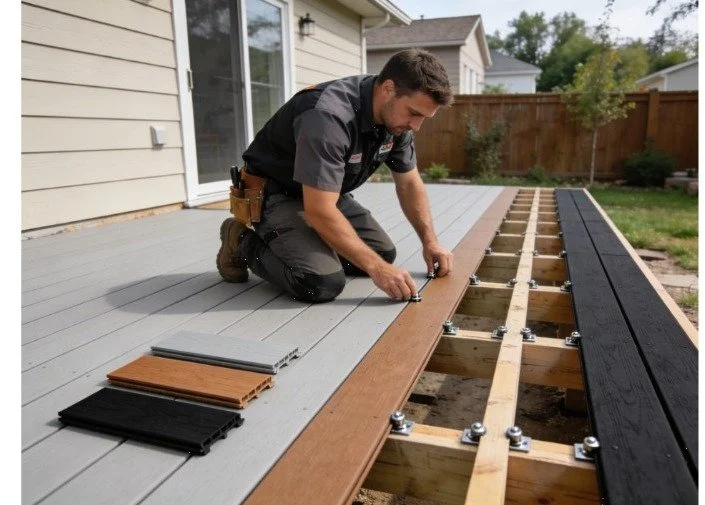
Most people assume composite boards are basically the same product in different packaging. They're not. Each brand runs on its own fastener system, its own compatible trims, and specific substructure requirements underneath the boards. Use the wrong fastener with Fiberon's interlocking system and you've just voided your warranty. Install Trex with the wrong joist spacing and you'll notice flex within a couple of seasons. That kind of thing is not covered by anyone.

It also matters whether your installer is brand-certified. Trex Pro and TimberTech PRO contractors have access to extended warranty tiers that standard or DIY installs simply don't qualify for. A certified deck builder isn't just following a checklist. They're protecting the long-term value of what you're paying for.

Trex: The Industry Standard

Trex has been around since 1996, and that kind of track record means something. The boards are made from up to 95% recycled materials, mostly reclaimed wood fiber and plastic film collected from places like grocery store drop-offs. It's one of the more eco-conscious manufacturing stories in the building industry, and it's not just marketing copy.

The lineup runs five tiers: Enhance Basics, Enhance Naturals, Select, Transcend, and Transcend Lineage. Entry-level options are genuinely solid, and the top-tier Transcend line comes with embossed grain patterns that hold up well over time. Installation is straightforward, and the boards play nicely with most standard substructure setups, which keeps labor hours down. Warranties last between 25 and 50 years, depending on which line you choose.

When a Contractor Recommends Trex

Trex fits well when the project has a real budget ceiling, and the client still wants reliable, long-lasting results. It's also the easiest brand to source on short notice, which matters more than people think when a project timeline is tight.

One honest limitation: Trex uses a more open board structure compared to the fully capped options from Fiberon or TimberTech. In humid climates, that structure can absorb slightly more moisture over the years. Not a catastrophic issue, but worth factoring in for projects in wetter parts of the country.

TimberTech: The Premium Performer

TimberTech splits into three tiers: EDGE for entry-level builds, PRO for mid-range, and AZEK for premium. That last one is where things get interesting. AZEK is a full PVC product, not a wood-composite blend, which means it genuinely doesn't absorb water. Zero. That's a real structural advantage when you're building near a pool, on a waterfront lot, or anywhere that sees serious seasonal humidity.

The grain texture on TimberTech boards, especially in the PRO and AZEK lines, is the most realistic wood finish available right now. It's the kind of thing clients notice when they walk out to see the finished deck. Warranties go up to 50 years on composite lines, and AZEK carries a lifetime warranty.

When a Contractor Recommends TimberTech

Coastal builds, pool surrounds, and high-humidity regions are where TimberTech earns its reputation. When the project brief calls for aesthetics at the top of the priority list and the budget supports it, TimberTech is usually where the conversation ends up.

Fair warning: it's more demanding to install correctly than Trex. The learning curve is real, which is why it genuinely works best when a contractor with specific experience on that product line is involved.

Fiberon: The Best-Value Contender

Fiberon doesn't always get the same name recognition, but contractors who've worked with it know it consistently outperforms its price point. The big differentiator is the PermaTech cap system. On premium lines, all four sides of each board are fully encapsulated, not just the top surface and edges. That four-sided protection is measurably better for mold and moisture resistance than what most competitors offer at a comparable price.

The lineup goes from Good Life at the entry level up through Concordia and Promenade. That top tier was specifically engineered with pool decks in mind, with enhanced UV color stability and slip resistance built into the surface profile. Premium lines carry a 50-year stain and fade warranty, which is as competitive as anything in this category. The interlocking fastener system also speeds up installation, which is a practical benefit that shows up in project timelines.

When a Contractor Recommends Fiberon

Humid climates, particularly the Southeast and coastal regions, are where Fiberon's four-sided cap earns its place. It also comes in the widest color selection of the three brands, which opens up more design flexibility on custom projects. For clients who want strong, long-lasting performance without paying TimberTech prices, Fiberon is often the most sensible recommendation.

Head-to-Head: How the Key Factors Stack Up

Here's how all three brands compare across the factors that actually shape a professional recommendation:

  • Price: Fiberon is the most budget-friendly, Trex falls in the midrange, and TimberTech ranges from mid to premium, depending on the line.

  • Eco-friendliness: Trex and Fiberon both use 94-96% recycled content. TimberTech leans on sustainable polymer engineering rather than recycled feedstock.

  • Mold and moisture resistance: Fiberon and TimberTech (especially AZEK) lead here. Trex is solid but doesn't match their capped protection in wet conditions.

  • Aesthetic realism: TimberTech is the clear winner. Fiberon is close behind, and Trex handles it well for the price.

  • Warranty length: All three offer 25-50 year coverage on composite lines. TimberTech's AZEK stands alone with a lifetime warranty.

  • Installation complexity: Trex and Fiberon are manageable for experienced DIYers. TimberTech really performs best with a certified professional on the job.

  • Best climate fit: Trex works well anywhere. Fiberon shines in humid and wet regions. TimberTech is the go-to for coastal and extreme-condition builds.

No single brand wins every category. That's the whole point. Where your project sits in that mix is what actually drives the final call, not brand loyalty.


Questions to Ask Your Composite Decking Contractor About Brand Selection

Before signing off on any brand, it's worth having a direct conversation with the installer. Here are the questions that actually matter:

  • ✅ Are you certified or authorized under this brand's installer program?

  • ✅ What warranty level applies to professional installation versus standard coverage?

  • ✅ Is this brand compatible with the substructure you're planning to use on my project?

  • ✅ Have you installed this specific product line before, and on what kind of builds?

  • ✅ How does this brand typically perform in my local climate?

  • ✅ Will my material choice affect the project timeline or local material availability?

These aren't trick questions. A contractor who knows their craft will answer them without hesitation. If the responses feel vague or the subject gets changed, that's useful information on its own.

Making the Right Call

Choosing between Trex, TimberTech, and Fiberon is not something a brand's website can do for you. It takes someone who understands the materials, knows the local conditions, and has seen how each product actually performs over time. That's exactly the kind of conversation you should be having before anything gets ordered.

The right composite decking contractor will walk you through these trade-offs before a single board is ordered, not after the fact. That's not a small thing. It's the difference between a deck you're still happy with ten years from now and one you're already budgeting to replace.

/
script>

Why Power Outages Still Happen in Major Cities with Aging Electrical Infrastructure

Power outages are often associated with storms or natural disasters, but they can also happen in large, developed cities with established electrical systems. Many urban areas rely on infrastructure installed decades ago, long before current electricity demands. When equipment ages and power consumption increases, the system becomes more vulnerable to interruptions. During unexpected outages, many property owners rely on emergency electrical services in the Twin Cities to diagnose problems and restore safe power conditions as quickly as possible.

Urban electrical networks were originally designed to support smaller populations and fewer devices. Today, homes and businesses use far more electricity due to digital technology, smart appliances, and electric vehicles. As demand rises, older wiring, transformers, and distribution systems can struggle to keep up, increasing the likelihood of sudden outages and service disruptions.

Aging Infrastructure in Older Neighborhoods

In many cities across the United States, portions of the electrical grid were installed more than 40 or 50 years ago. While utilities regularly maintain equipment, some components eventually reach the end of their lifespan. Aging transformers, underground cables, and outdated substations can fail unexpectedly, especially during extreme weather when demand peaks.

Older homes may also contain outdated wiring systems that were never designed for modern electrical loads. In these situations, home rewiring services can help improve safety and reliability by replacing worn wiring and upgrading circuits to meet current electrical standards.

People often contact Gosling Electrical Service Inc. for advice and detailed system inspections to identify hidden electrical hazards before starting home upgrades. Consulting with experienced technicians ensures all wiring replacements align with modern safety requirements and local building codes.

Much of the nation’s electric grid infrastructure was built in the mid-20th century. While improvements have been made over time, many areas still depend on aging equipment that requires ongoing upgrades and investment.

Growing Electricity Demand

Modern households rely on a wide range of devices that consume power throughout the day. Televisions, home offices, HVAC systems, security devices, and kitchen appliances all add to the electrical load. Even small increases in household consumption can strain infrastructure when multiplied across thousands of homes in a single neighborhood.

Electric vehicles are also increasing energy demand. As more drivers switch to EVs, charging systems require dedicated circuits and consistent electrical capacity. Proper EV charger installation Minneapolis homeowners plan for, ensures that charging systems are safely integrated with the home’s electrical network without overloading circuits.

Without system upgrades, rising demand can place pressure on both residential wiring and citywide electrical infrastructure.

Outdated Electrical Panels in Homes

While large-scale grid issues contribute to outages, individual homes may also experience power interruptions due to aging electrical panels. Panels installed decades ago may lack the capacity to safely distribute electricity to modern appliances and technology.

An electrical panel upgrade Twin Cities homeowners consider can help improve reliability by increasing available circuit capacity. Updated panels also provide improved safety features that reduce the risk of overheating, tripped breakers, or circuit overload.

Electrical upgrades at the home level play an important role in preventing localized outages and improving overall electrical stability.

Localized Electrical Failures

Not every outage affects an entire city block or neighborhood. Sometimes the issue originates within a single home or building. Faulty wiring, overloaded circuits, or damaged electrical components can interrupt power without affecting nearby properties.

When problems occur unexpectedly, homeowners often contact a licensed electrician Brooklyn Park MN residents trust to inspect wiring, breakers, and electrical equipment. Identifying and quickly repairing these smaller issues helps prevent further damage and restore safe electrical operation.

Weather and Environmental Stress

Even in major cities with modern planning, weather remains one of the most common causes of power outages. Strong winds, heavy snow, ice accumulation, and lightning can damage above-ground power lines or weaken older electrical equipment.

Severe weather events account for a large share of power interruptions nationwide each year. When combined with aging infrastructure, these environmental stresses increase the likelihood of service disruptions.

Conclusion

Power outages in large cities are rarely caused by a single factor. Aging infrastructure, rising electricity demand, outdated home electrical systems, and severe weather all contribute to occasional service interruptions. While utilities continue upgrading grid systems, property owners can also improve reliability by maintaining their own electrical equipment and updating outdated components. When outages occur unexpectedly, emergency electrical services in the Twin Cities can help restore safe power and identify the underlying cause. Investing in modern electrical upgrades today helps reduce risks and supports a more dependable energy future for growing communities.

/
script>