Key Building Materials That Enhance the Beauty and Longevity of Residential Properties

Building a home or upgrading an existing property involves many decisions, but few are as important as choosing the right building materials. High-quality materials contribute to a home's durability, appearance, and long-term value. When homeowners invest in reliable materials, they not only improve the look of their property but also reduce the likelihood of costly repairs in the future.

Residential properties benefit from materials that combine visual appeal with structural strength. From exterior finishes to interior components, each element plays a role in protecting the home while enhancing its overall design.

The Role of Building Materials in Long-Term Property Performance

Building materials directly influence how well a home withstands daily use and environmental conditions. High-quality materials are designed to resist wear, moisture, temperature changes, and other factors that can affect the integrity of a property over time.

Homes built with durable materials typically require less maintenance and fewer repairs. For example, weather-resistant siding, strong roofing systems, and well-constructed foundations help protect the home from water damage and structural issues.

Another important consideration is climate compatibility. Materials that perform well in one region may not be ideal in another. Choosing products designed for the local environment ensures the home remains comfortable and structurally sound throughout the seasons.

By selecting materials that are proven to last, homeowners can protect their investment while maintaining a safe and reliable living environment.

Exterior Materials That Improve Curb Appeal

Exterior materials play a major role in how a home looks from the street. They define the architectural style of the property and create the first impression for visitors and potential buyers.

Brick and masonry are popular choices because of their timeless appearance and durability. These materials can withstand harsh weather conditions and maintain their look for many years. Fiber cement siding is another option that provides strong protection against moisture, pests, and temperature changes.

Wood accents are also widely used to add warmth and character to a home's design. When properly treated and maintained, wood can complement modern and traditional styles alike.

Combining different materials can create a balanced and visually appealing exterior. For example, pairing stone or brick with siding and wood trim allows homeowners to achieve a layered and sophisticated design that enhances the overall appearance of the property.

Structural Materials That Provide Strength and Stability

While exterior finishes are important for appearance, the structural materials behind the walls are equally essential. These materials provide the framework that supports the entire home.

Reinforced concrete is commonly used for foundations because of its strength and ability to withstand heavy loads. A solid foundation helps prevent shifting, cracking, and other structural problems.

Engineered wood products are also widely used in residential construction. These materials are designed to provide greater stability and resistance to warping compared to traditional lumber. Builders often rely on engineered wood for framing systems that support floors, walls, and roofs.

Steel components may also be used in certain areas of a home to provide additional structural reinforcement. When combined with other reliable materials, steel can improve the overall durability and safety of the building.

Choosing strong structural materials ensures that a home remains stable and secure for decades.

Enhancing Exterior Design with High Quality Faux Panelled Stone

Decorative exterior materials allow homeowners to add character and detail to their properties without sacrificing durability. One increasingly popular option is high-quality faux panelled stone.

This material is designed to replicate the appearance of natural stone while being lighter and easier to install. Because of its reduced weight, faux stone panels often require less structural support and can be installed more efficiently than traditional masonry.

Homeowners frequently use faux panelled stone to highlight entryways, exterior walls, fireplaces, and accent areas. These features create visual depth and make the exterior design more distinctive.

Builders and homeowners often rely on Quality Stone veneer supplies when planning projects that require the appearance of natural stone without the higher cost or installation complexity. High-quality veneer products can withstand outdoor conditions while maintaining their color and texture over time.

By incorporating faux panelled stone into exterior designs, homeowners can achieve a refined architectural look while keeping renovation or construction costs manageable.

Interior Materials That Support Comfort and Durability

Interior materials contribute to both the comfort and longevity of a home. Flooring, countertops, and wall finishes all influence how the interior space looks and functions.

Hardwood and engineered flooring remain popular choices because of their durability and classic appearance. These materials can last for many years when properly maintained. Quartz and stone countertops are also valued for their strength, stain resistance, and low maintenance requirements.

High-quality drywall and insulation play an important role in maintaining indoor comfort. Proper insulation helps regulate indoor temperatures and improve energy efficiency, which can reduce heating and cooling costs throughout the year.

Selecting reliable interior materials ensures that living spaces remain attractive and functional for everyday use.

Choosing Materials That Balance Beauty, Durability, and Maintenance

Selecting the right materials requires careful consideration of several factors. Homeowners should evaluate how materials will perform over time and how much maintenance they may require.

Climate compatibility is particularly important, since certain materials perform better in specific weather conditions. Homeowners should also consider the expected lifespan of materials and how they fit within the overall project budget.

Working with experienced contractors or design professionals can help homeowners make informed decisions. These professionals can recommend materials that balance durability, visual appeal, and long-term value.

By choosing building materials thoughtfully, homeowners can create residential properties that remain beautiful, functional, and resilient for many years. Investing in quality materials today helps ensure a home continues to perform well and maintain its value in the future.

/
script>

Why Some Homeowners Wait Too Long to Sell

Owning a home often creates strong emotional connections. A house represents years of memories, routines, and personal milestones. For many homeowners, the idea of selling can feel complicated even when circumstances suggest it may be the right time.

People often delay selling because the decision feels significant. A home is not simply another asset. It holds personal history and comfort. Letting go can create uncertainty about what comes next.

Financial considerations also influence the timing of a sale. Some homeowners believe waiting longer may increase property value. Others hope market conditions will improve in the future.

Delays sometimes create additional stress. Expenses continue while the decision remains unresolved. Understanding why homeowners postpone selling can help people recognize when it may be time to move forward.

Waiting for the “Perfect” Market Moment

Many homeowners follow housing market trends closely. News reports and online articles often discuss rising property values or favorable selling conditions. This information can lead homeowners to believe that waiting for the perfect market moment will produce better results.

Predicting market timing is rarely simple. Housing conditions change based on many factors, including interest rates, local demand, and economic conditions. A market that looks strong today may shift unexpectedly in the future.

Some homeowners postpone selling year after year while hoping for ideal conditions. During that time, property expenses continue. Maintenance costs, taxes, and insurance remain part of ownership regardless of market trends.

When people finally decide to sell, they sometimes discover that earlier action could have simplified their financial situation.

Emotional Attachment Can Slow the Decision

Homes often carry emotional meaning beyond financial value. Families celebrate milestones, raise children, and build memories inside these walls. These experiences can make the idea of selling feel deeply personal.

Some homeowners delay selling because they associate the property with important life moments. Letting go may feel like closing a chapter that they are not ready to end.

In other situations, people simply feel comfortable in familiar surroundings. Even when maintenance becomes difficult or the house feels larger than necessary, emotional comfort can slow the decision.

Over time, however, practical realities may begin to outweigh emotional ties. When costs increase or responsibilities grow, homeowners often reconsider whether holding onto the property still makes sense.

Repair Projects That Never Seem to End

Another common reason homeowners delay selling involves ongoing repair plans. Many people believe they should complete several improvements before listing the property.

Homeowners often begin with small upgrades such as repainting walls or updating fixtures. These projects may expand into larger renovations that require more time and money.

The list of improvements can continue growing. One repair reveals another issue, which leads to additional work. Months or even years may pass while homeowners attempt to perfect the property before selling.

In many situations, buyers are willing to purchase homes that need updates. Some homeowners eventually explore options through companies like Bright Future Home Buyers, which focus on purchasing homes in their current condition.

Realizing that perfection is not always necessary can help homeowners move forward sooner.

Financial Pressure That Builds Over Time

Waiting to sell may also create increasing financial pressure. Property ownership includes recurring expenses that continue regardless of personal circumstances.

Mortgage payments, taxes, insurance, and maintenance costs remain part of the monthly budget. When homeowners no longer benefit from the property in meaningful ways, these expenses may begin to feel heavy.

Vacant properties often increase financial stress. A second home that sits empty still requires upkeep and security. Without active use, owners may question whether the property continues to serve a purpose.

Selling earlier can reduce long-term financial strain. Once the property transfers to a new owner, those ongoing expenses disappear.

Life Changes That Make Selling Inevitable

Life rarely follows a predictable path. Career changes, family transitions, retirement plans, or relocation can all influence property decisions.

Some homeowners move for work while keeping their previous home longer than planned. Managing a property from another city often becomes challenging.

Others inherit homes that require attention and maintenance. Handling an inherited property while managing personal responsibilities can feel overwhelming.

In these situations, waiting too long may add stress to already complex life changes. Selling sooner often simplifies responsibilities and creates room for new opportunities.

Signs It May Be Time to Move Forward

Homeowners who feel uncertain about selling often benefit from evaluating their situation carefully. Several signs may suggest that waiting longer no longer provides advantages.

Consider these common indicators:

  • Property maintenance feels overwhelming

  • Monthly expenses create financial pressure

  • The home no longer fits current lifestyle needs

  • The owner lives far from the property

  • Repair projects continue without clear completion

Recognizing these signs helps homeowners evaluate whether holding onto the property still supports their goals.

Looking Ahead With Practical Perspective

Selling a home represents a major life decision. Waiting for the right moment can sometimes feel like a cautious and responsible approach. In many cases, however, delays create additional costs and responsibilities.

Homeowners who carefully evaluate their situation often gain clarity about their next steps. Financial obligations, lifestyle changes, and maintenance demands can all influence whether keeping the property remains practical.

Moving forward does not mean abandoning memories or experiences connected to the home. It simply means recognizing when a property no longer supports current goals.

With thoughtful consideration and realistic expectations, homeowners can approach the decision with confidence and choose a path that supports their plans.

/
script>

Lighting Tricks That Make Your Home Look More Valuable

Lighting quietly shapes how people judge a home. When a space feels bright and balanced, visitors often assume the property is well cared for and thoughtfully designed. A dark room can feel small or dull, while the same room with better lighting may look larger and more welcoming. Because of this, lighting upgrades are one of the simplest ways to improve how valuable a home appears.

Many homeowners focus on paint, flooring, or furniture when trying to enhance their property. Lighting deserves equal attention. Smart lighting choices highlight attractive features, create a warm atmosphere, and make everyday spaces more functional. Small changes like adding lamps or upgrading fixtures can dramatically improve how your home is perceived.

Trick No.1: Layer Different Light Sources for a Richer Look

A single ceiling light rarely provides enough brightness for an entire room. Spaces that rely on only one fixture often appear flat and dull. Layered lighting creates a more refined environment by combining multiple light sources that work together.

Interior designers often rely on three main types of lighting: ambient, task, and accent. Ambient lighting provides overall brightness. Task lighting supports activities such as reading or cooking. Accent lighting draws attention to decorative features or design details.

For example, a living room can include recessed ceiling lights for general brightness, a table lamp near a chair for reading, and small wall lights that highlight artwork. This layered approach adds depth and gives the room a more sophisticated feel.

Pro Tip: Install dimmer switches on main lights. Adjustable brightness helps create the perfect mood throughout the day.

Trick No.2: Use Accent Lighting to Show Off Home Features

Every home has design elements worth highlighting. These may include textured walls, fireplaces, built-in shelving, or decorative trim. Accent lighting allows these features to stand out and become visual focal points.

Wall sconces, track lighting, and LED strips are great tools for highlighting specific areas. When light gently washes across a surface, it creates subtle shadows that add depth and character. This technique helps rooms feel professionally styled.

Setting up your Strip Lighting fixtures the right way allows you to highlight architectural details like crown molding, under-cabinet spaces, or baseboards seamlessly. Taking the time to properly conceal the wiring and diffuse the diodes ensures a clean, glare-free glow that elevates the room's overall aesthetic.

When a home is well-lit, visitors often assume it has been maintained with care. A bright and thoughtfully presented property tends to attract attention from many types of buyers, including investors and even companies like cash home buyers Wilmington that value homes showing strong visual appeal.

Pro Tip: Position accent lights at a slight angle rather than directly facing a surface. This produces a softer glow and enhances texture.

Trick No.3: Replace Old Fixtures With Updated Designs

Lighting fixtures act as visual details that influence how modern a home appears. Outdated fixtures can quietly age a room even if the rest of the space looks clean and organized.

Modern fixtures usually feature sleek shapes, lighter materials, and brighter illumination. Replacing older ceiling lights with pendant lights, stylish chandeliers, or slim LED fixtures can instantly refresh a room’s appearance.

This upgrade also improves consistency across the home. When lighting styles match from room to room, the entire property feels more polished. A cohesive look often gives visitors the impression that the home has been recently updated.

Pro Tip: Choose simple fixture designs that complement your home’s style. Neutral finishes such as matte black or brushed nickel work well in many interiors.

Trick No.4: Choose Warm Bulbs for a Comfortable Atmosphere

The color of light has a strong influence on how comfortable a room feels. Light bulbs come in different color temperatures that change the mood of a space. Warm light produces a soft golden tone that feels relaxing and inviting. This type of lighting works well in living rooms, bedrooms, and dining areas where comfort is important. Cooler light appears brighter and is often used in offices or workspaces.

Lighting improvements are often overlooked when people think about home upgrades, even though they can make a noticeable difference in how a space looks and feels. Many renovations require large budgets or complex work, while lighting adjustments are usually simple and affordable. 

Changing bulbs or adjusting lighting temperature can refresh a room and make the entire space feel warmer and more inviting. Bulbs around 2700K to 3000K usually provide a pleasant warmth that suits most residential spaces. Rooms lit with warm light tend to feel welcoming and visually appealing.

Pro Tip: Use the same color temperature within one room. Matching bulbs helps create a consistent and balanced appearance.

Trick No.5: Let Natural Light Do More Work

Natural sunlight is one of the most valuable lighting sources in any home. Rooms filled with daylight feel larger, cleaner, and more energetic. Many buyers remember homes that feel bright during daytime visits.

There are simple ways to increase natural light. Lighter window coverings allow sunlight to enter more easily. Mirrors placed across from windows reflect daylight deeper into the room. Clean windows also improve how much light reaches interior spaces.

Furniture placement matters as well. Large shelves or tall cabinets placed directly in front of windows can block sunlight and make the room appear darker.

Pro Tip: Use light-colored curtains or blinds that filter sunlight rather than blocking it completely.

Trick No.6: Install Under-Cabinet Lighting in the Kitchen

Kitchens are one of the most important rooms when people judge a home’s value. Good lighting helps this space feel clean, modern, and practical.

Under-cabinet lighting is a small improvement that creates a noticeable difference. These lights sit beneath upper cabinets and shine directly onto countertops. They make food preparation easier while also giving the kitchen a stylish glow.

This type of lighting removes shadows created by overhead fixtures. Countertops become brighter and more visually appealing, which helps the entire kitchen feel more refined.

Pro Tip: LED strip lighting works well under cabinets because it is energy-efficient, slim, and easy to install.

How Better Lighting Improves Your Home

Smart lighting upgrades offer several advantages that improve how a home looks and functions. Many of these improvements are affordable and quick to install.

Key advantages include:

  • Rooms appear larger and brighter

  • Interior details stand out more clearly

  • Spaces feel warm and welcoming

  • Modern fixtures improve overall design style

  • Kitchens and living areas become more functional

  • Visitors form stronger positive impressions

Even simple lighting changes can reshape how people experience a home. Balanced lighting allows each room to show its best qualities.

Bright Ideas to Leave a Lasting Impression

Lighting plays a powerful role in shaping the overall impression of a home. Thoughtful lighting choices can highlight design details, brighten interior spaces, and create an inviting atmosphere. Many of these improvements require minimal effort while delivering noticeable results.

When lighting is layered, warm, and well placed, rooms naturally feel more refined. A home that looks bright and welcoming often leaves a stronger impression on visitors. Small lighting adjustments can quietly elevate your space and help it appear more valuable to anyone who walks through the door.

/
script>

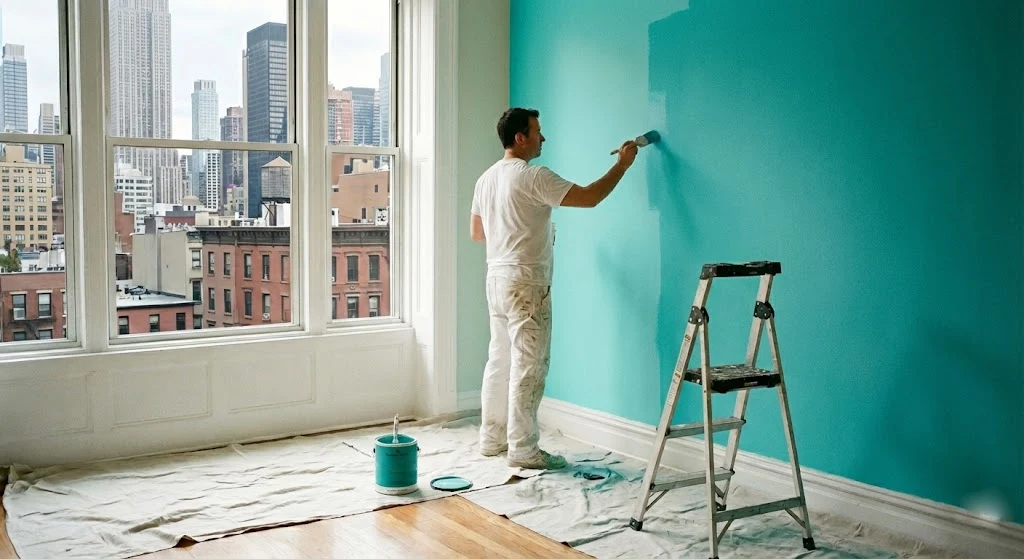
5 Simple Paint Upgrades That Instantly Increase the Appeal of a New York Apartment


In New York, the difference between an apartment that feels inviting and one that feels forgettable often comes down to small details. Buyers and renters move quickly here, and they usually form an impression of a space within seconds of walking through the door—or even earlier when they scroll through listing photos online.

While large renovations get most of the attention, one of the simplest updates still has the biggest visual impact - paint. A well-done paint refresh can brighten a room, soften harsh lighting, and make an apartment feel noticeably more polished. It’s also one of the few upgrades that can transform a space without requiring weeks of work or a major investment.

For those getting ready to sell their homes, landlords sprucing up a rental, or anyone wanting a change in their apartment, a little paint can make a significant difference.


1. Start with Colors That Work with Natural Light

Lighting is everything in New York apartments. Some units are flooded with sunlight, while others rely heavily on artificial lighting throughout the day. The paint color you choose can either amplify that light or absorb it.

Soft neutrals tend to work best. Warm whites, soft grays, and subdued beiges have a knack for reflecting light, which can make a room feel both more luminous and a touch more spacious. This effect is especially pronounced in smaller apartments, where every bit of light counts.

Neutral hues set a serene, adaptable stage. They don't compete for attention with the walls; instead, they let the furniture, artwork, and architectural features take center stage. This is why they're often the go-to choice for staged apartments and professional real estate photography.

For anyone thinking about resale or renting in the future, neutral paint choices are usually the safest and most appealing option.


2. Pay attention to the first impact

You could assume that every area of an apartment requires a thorough makeover. But some rooms and areas are more important than others in making a good impression.

Start with the entryways. People notice them first when they walk in, and they softly establish the mood for all that comes after. A fresh coat of paint right away makes the flat feel cleaner and more cared for.

Living spaces are also a top importance. These areas are generally the main part of the house and are in most listing images. In person and in pictures, smooth walls, clean trim, and a balanced color palette may make the area appear brighter and more inviting.

A new coat of paint may even help hallways. They link a lot of rooms in New York apartments, so cleaning and making them all look the same makes the whole place feel more put together.

Repainting these spots that are easy to see may sometimes make the whole apartment feel new.


3. Give your kitchen cabinets a new life

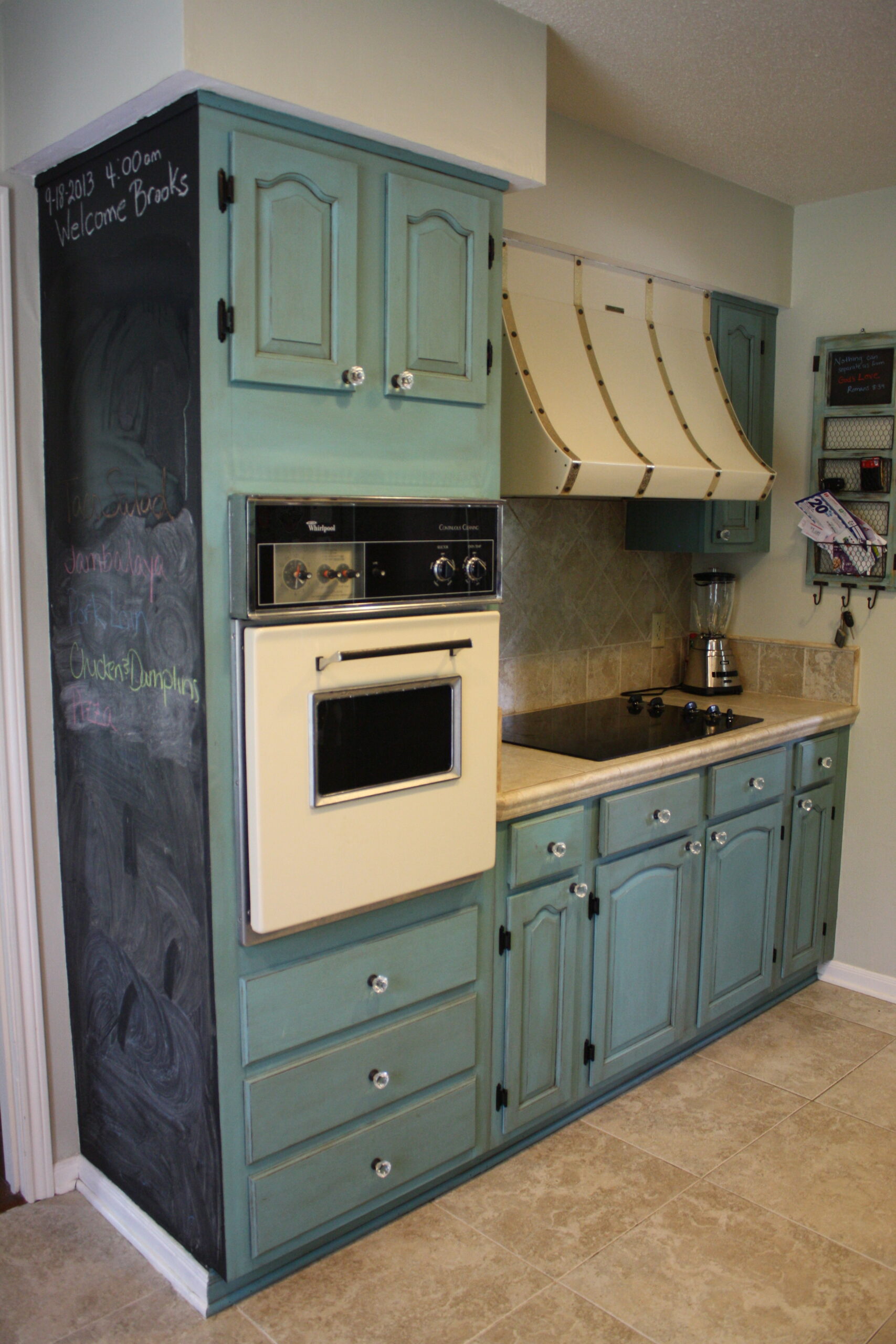
Renovating a kitchen can get pricey quickly, especially in New York where labor prices and time add up rapidly. Many homeowners don't think of this easy way to save money: refinishing the cabinets instead of buying new ones.

Because cabinets take up a lot of space in the kitchen, altering their color may change the whole look of the area. You may make dark or old wood finishes look better by using brighter colors. You can also make the room appear more modern by using neutral greys or deep navy tones.

The change is typically very noticeable, especially when new hardware or lighting is added.

Cabinet refinishing may give a unit a modern look without the hassle of a full remodel, making it a good choice for landlords getting a unit ready for new tenants or homeowners updating a kitchen before selling.


4. Don't forget to fix the walls

It's evident that the walls of a lot of New York apartments, especially older ones, have been around for a long time. Over time, they get little flaws like nail holes from paintings, hairline cracks, dents from furniture, and uneven patches from prior restorations.

It's easy to want to just paint over these markings, but new paint usually makes them stand out even more.

It makes a big difference to take the time to fix and smooth the walls first. Filling up holes, sanding down rough spots, and making surfaces more equal all lead to a much cleaner end product.

Apartment painting experts like Painman NYC say that the right surface preparation is often what makes the difference between a quick repaint and one that looks very professional. Walls that are smooth let light bounce about the room more evenly, which may make the whole area appear brighter and more polished.


5. Don't just think about color; the finish of the paint is also important.

People frequently talk about color when they talk about paint. But the finish of the paint is just as crucial for how the finished product appears and how long it lasts.

People typically employ matte finishes on ceilings or in bedrooms because they make things look soft and smooth and hide little flaws in the surface.

Eggshell and satin finishes last a little longer, so they're an excellent choice for living rooms or corridors where the walls might need to be cleaned from time to time.

Semi-gloss finishes are good for kitchens and bathrooms most of the time. These surfaces are better at dealing with moisture and simpler to clean, which is helpful in places where spills and fingerprints are prevalent.

Picking the correct finish for each space can help the paint look good for a long time after the project is done.


Why a New Coat of Paint Still Matters

In a  New York borought like Manhattan, Brooklyn or Bronx,  where competition is high, how a home looks may make or break the initial impression. People who want to buy or rent a place notice when it is clean, bright, and well-kept.

New paint says exactly what it means. It shows that you care and pay attention to the little things, even if you haven't thoroughly explored the place yet.

The good news is that you don't have to perform a lot of  work to make this type of change. A new coat of paint may change the way a home appears and feels in a short amount of time.

For a lot of New York apartments, just one simple change is enough to make a home ready to move into.

/
script>

Ice Cool Nicotine Pouches: The Ultimate Refreshment Hit

The sensation of intense coolness is more than just a flavor; it's a physical experience. A powerful chill that refreshes the senses and provides a clear, sharp feeling of awakening. In the realm of nicotine pouches, achieving this effect authentically, without relying on overwhelming menthol or chemical coolants, is a mark of quality. A truly great cooling pouch should feel clean, penetrating, and incredibly refreshing, leaving a lasting impression of crispness. It should be like a splash of icy water on your face—invigorating and pure. This was the exact feeling we aimed to capture and perfect.

Our ice cool nicotine pouches are engineered to deliver that quintessential chilling experience. We're talking about a profound coolness that sets a new standard. This isn't a mild minty hint; it's a bold, arctic blast that defines the "cool" category. To achieve this, we utilize high-quality cooling agents and complementary flavors sourced from Europe, ensuring a smooth yet powerful sensation. The coolness is designed to be long-lasting, providing a refreshing journey that persists. As a brand that launched in May 2020, at the forefront of this product category's growth, mastering such a definitive sensation was a key goal for Garant Snus.


What Makes This Cooling Pouch Exceptional?

The magic lies in the blend and the balance. A cooling effect can sometimes be sharp or one-dimensional. We focused on creating a complex cooling profile that is both intense and smooth. It wakes you up without a harsh chemical bite. The pouch itself is optimized for comfort, allowing the cooling sensation to diffuse evenly. You simply get more of this premium refreshment.

The core attributes of the Ice Cool experience:

  1. Deep, Arctic Cooling: An intense and authentic chilling sensation.

  2. Smooth Delivery: Powerful effect without harshness or bitterness.

  3. Extended Sensation: The refreshing feeling is built to last.

Selecting a cooling product for your business requires trust in the supplier's ability to deliver a genuine experience. Cheap imitations often use lower-grade agents that can taste medicinal or fade quickly. We are a premium brand. Our price point reflects the cost of superior European ingredients and a meticulous production process dedicated to getting this specific sensation right. When you stock ice cool nicotine pouches that truly live up to their name, you meet the demand for a reliable, high-impact refreshment option. Garant Snus has built its reputation on fulfilling such precise demands with quality.

Your Partner for Premium Refreshment

Since we only work on a wholesale basis, our entire operation is tailored to support your business with outstanding products. Our customer service is fast, responsive, and personal—we believe in quick answers and rapid dispatch. We communicate in a straightforward, friendly manner, avoiding complex business terms. It's about partnership. By offering Ice Cool snus, you provide a top-quality product with a crisp, cooling effect, backed by Garant Snus.

/
script>