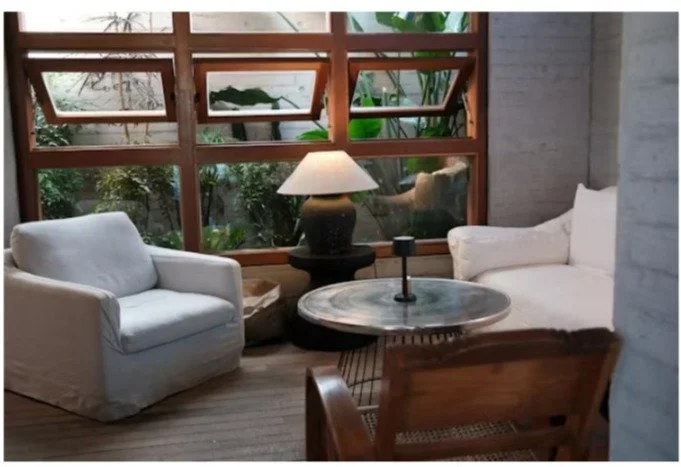
Tiny Home Fixes You'll Wish You'd Done Sooner
You know that feeling when you finally fix something small around the house and think, "Why did I put up with that for so long?" Maybe it was a squeaky door hinge. A lightbulb that flickered for months. A draft you just kept throwing a blanket over instead of actually addressing.
We all do it. We live with minor discomforts because they don't feel urgent. But those little things add up. They affect your mood, your sleep, your energy. And the wild part? Most of them take barely any effort to fix once you actually get around to it.
This one's for the procrastinators, the "I'll get to it eventually" crowd, and anyone who suspects their home could feel a whole lot better with a few intentional tweaks.
Your Carpet Might Be Working Against You
Let's start with something underfoot that most people completely ignore: their carpets and rugs.
Think about it. Your carpet catches everything. Dust, skin cells, pet hair, pollen, food crumbs, moisture. It's basically a giant filter that never gets cleaned properly. A quick vacuum once a week? That handles the surface. But what's living deeper in those fibers is a different story.
Fleas are a prime example. People assume fleas are strictly a pet owner problem. Not true. They travel on clothing, secondhand furniture, even through gaps near doors and windows. Once they're nestled into a carpet pile, they multiply fast.
The telltale signs? Itchy red bites, usually around ankles. Pets scratching constantly. Tiny dark specks on light fabrics.
Here's the frustrating part. Over the counter sprays rarely solve it. Flea eggs are tough. Larvae burrow deep. You can vacuum twice a day and still not break the cycle. That's exactly why professional carpet flea treatment exists. It targets every life stage, eggs included, in the specific zones where fleas concentrate. If you've been fighting an infestation with drugstore products for weeks, save yourself the headache and call someone who does this for a living.
And even beyond fleas, consider this a nudge to deep clean your soft furnishings regularly. Dust mites, mold spores, and allergens build up over time. If anyone in your home deals with asthma, eczema, or constant congestion, your carpet could quietly be making it worse.
Stop Ignoring What You're Breathing
While we're on the subject of stuff lurking in your home, let's talk about air quality.
Nobody thinks about indoor air. It's invisible, so it feels like a non issue. But cooking fumes, cleaning product residue, off gassing from new furniture, pet dander, and all the allergens hiding in your carpets and curtains? That all ends up in the air you breathe for hours on end.

A few easy wins here.
Open your windows. Even 15 minutes a day makes a noticeable difference. Cross ventilation, where you open windows on opposite sides of the home, flushes stale air out fast.
Get a HEPA air purifier for your bedroom. You spend hours in that room every night. Might as well make the air worth breathing.
Switch to low VOC cleaning products. Those strong chemical sprays leave residue in the air long after you've wiped down the counter. Plant based alternatives clean just as well without the invisible fumes.
Small moves and practical ideas on keeping your living space feeling fresh and well maintained eventually pays off.
Your Bed Deserves More Attention Than Your Sofa
Here's something that drives me a little crazy. People will spend weeks researching the perfect couch. They'll test six different models, compare fabric swatches, and read reviews obsessively. Then they'll sleep on a decade old mattress sitting on a basic frame they never thought twice about.
Your bed is where you spend a third of your life. A third. If it's not comfortable, everything else suffers. Your energy, your mood, your focus, even your patience with other people.
So let's start with the obvious. If your mattress sags, lumps, or doesn't support you anymore, it's time. Don't wait for it to completely fall apart. A bad mattress doesn't announce itself with a dramatic collapse. It just slowly makes your mornings worse until you forget what waking up refreshed feels like.
Now here's where things get interesting. Adjustable bed frames used to look like something you'd find in a hospital ward. Clunky, mechanical, zero style. That's changed completely. Modern adjustable beds are sleek and quiet, and the functionality is a game changer.
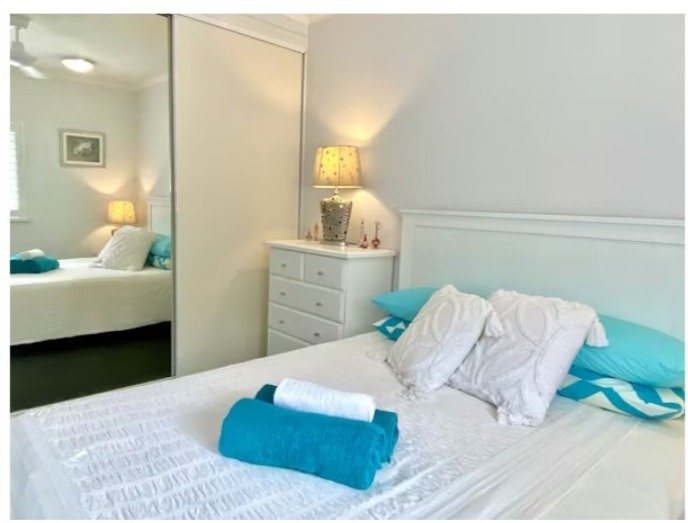
Elevating your head a few inches can cut down snoring, ease acid reflux, and make breathing easier. Raising the foot section takes pressure off your lower back and helps with leg circulation. These aren't gimmicks. They're real, noticeable differences that show up the very first night.
For older adults, the benefits multiply. Chronic pain, stiff joints, circulation issues, trouble getting in and out of a flat bed... these are daily realities that a standard mattress setup does nothing to address. If you have aging parents dealing with these challenges, or you're planning ahead for yourself, take some time to shop electric bed for elderly options that pair genuine comfort with accessibility features. It's the kind of purchase where the return on investment shows up every single morning when you wake up actually feeling rested instead of stiff and sore.
While you're rethinking the bedroom, a few bonus upgrades are worth considering. Blackout curtains do wonders if outside light is disrupting your sleep. A simple white noise machine masks street sounds and household creaks. And keeping your phone off the nightstand removes the 11 PM scrolling trap that pushes your actual sleep time back by an hour or more.
The Temperature and Humidity Thing Nobody Talks About
Quick question. Do you know what the humidity level in your home is right now?
Most people have no idea. And that's a problem, because humidity affects way more than you'd think.
Too dry and you get cracked lips, irritated sinuses, and static shocks every time you touch a doorknob. Too damp and you're creating a paradise for mold, dust mites, and pests.
The sweet spot sits between 30% and 50%. A small digital hygrometer costs practically nothing and tells you exactly where you stand. Pick one up and check your readings over a few days. You might be surprised.
Temperature matters for sleep too. The ideal sleeping range is cooler than most people expect: somewhere around 60 to 67 degrees Fahrenheit. If you've ever noticed you sleep better in a slightly cold room with a heavy blanket pulled up, that's not just personal preference. Your body's core temperature drops during sleep, and a cool room supports that natural process.
Stack the Small Wins
None of this is flashy. Treating your carpet for pests, opening a window more often, upgrading your bed, checking your humidity levels... it's not exactly the stuff of home renovation TV shows.
But here's what happens when you stack these small wins together. You sleep deeper. You breathe easier. You stop waking up congested or covered in mystery bites. Your skin calms down. Your energy comes back. Your home starts to feel like a place that actually recharges you.
That's the real secret to a comfortable home. It's not about one dramatic makeover. It's about a handful of intentional, thoughtful changes that quietly improve your everyday life.
The Simplest Way to Start
If all of this feels like a lot, try this. Walk through your home tonight. Slowly. Room by room. In each space, ask yourself one question: what's the one thing here that bugs me?
Maybe it's the stale air in the hallway. Maybe it's the bedroom that never feels quite right. Maybe it's the carpet that's been "fine" but not actually clean in longer than you'd care to admit.
Pick the most annoying one. Fix that first.
Once you do, something shifts. You'll notice the next thing. And the next. It becomes a rolling process rather than an overwhelming project. Each small improvement makes the home feel a little more like it's actually working for you.
You deserve a home that feels good. Not just looks good. Actually feels good to live in. And you'd be amazed how little it takes to get there once you stop putting it off.