Storage Drums in Industrial Facilities: Choosing the Right Material for Safe Handling

Liquid leaks don’t usually announce themselves right away. A faint odor, a damp patch under a rack, a missed inspection. By the time the issue is obvious, cleanup costs and lost product are already on the clock. In busy warehouses, storage drums quietly carry a lot of responsibility, and selecting the right type plays a bigger role in safety and efficiency than many teams expect.

Understanding how drums behave in real-world conditions helps facilities avoid preventable problems before they start.

Why Storage Drums Are a Core Warehouse Asset

Drums are used because they’re practical. They store liquids, powders, and semi-solids in a format that’s easy to move, stack, and secure. Their cylindrical shape distributes internal pressure evenly, making them reliable for long-term storage and transport.

In industrial settings, storage drums often support everything from raw materials to finished goods. A poor match between drum type and material can lead to corrosion, contamination, or structural failure, all of which create downstream risk.

Common Storage Drum Materials and Their Uses

Material choice is the first major decision point. Each option brings advantages depending on what’s being stored and how often it moves.

Steel drums are widely used for oils, fuels, and hazardous materials due to their strength and puncture resistance. Plastic drums work well for corrosive substances and food-grade applications thanks to their resistance to rust and chemical reaction. Fiber drums are lighter and often used for dry materials where moisture exposure is limited.

Selecting the right material keeps contents protected and reduces maintenance issues over time.

Drum Head Styles and Access Considerations

Drums typically fall into two categories based on their closure design. Open-head drums have removable lids secured with rings, making them suitable for solids or materials that require frequent access. Tight-head drums feature sealed tops with bung openings, ideal for liquids that need controlled dispensing.

Access style affects workflow. Operations that transfer materials regularly benefit from easy-open designs, while long-term storage favors sealed configurations that limit exposure and spills.

Handling and Stacking Storage Drums Safely

Drum handling introduces its own challenges. Improper lifting or stacking can deform containers and compromise seals. Using drum-specific equipment, like dollies, grabs, and racks helps maintain structural integrity.

Stacking practices should align with manufacturer guidance. Some drums are rated for vertical stacking when full, while others require pallets or racks for support. Consistency in stacking height reduces the risk of collapse and improves aisle safety.

Midway through evaluating containment options, many facilities reassess how they source storage drums to ensure consistency across locations and reduce mismatched inventory.

Storage Drum Compliance, Labeling, and Inspection Practices

Drums used for regulated materials must meet labeling and documentation requirements. Clear identification supports safe handling and quick response in case of spills. Regular inspection schedules help catch dents, corrosion, or seal failures early.

Facilities that build inspection into daily routines experience fewer surprises and longer drum service life. Small checks save larger headaches later.

Cost Control of Storage Drums Through Reuse and Resale

Buying new drums for every operational shift can strain budgets. Many businesses find value in reusing drums when materials are compatible, and inspections confirm integrity. Reused drums often perform just as reliably for internal storage or repeat-use applications.

Secondary markets make it easier to shop storage drums online without paying premium pricing. This approach supports budget flexibility while keeping usable containers in circulation.

Storage Planning and Space Efficiency

Drums take up floor space quickly. Thoughtful layout planning helps avoid congestion. Vertical storage systems, drum racks, and palletized arrangements allow better use of vertical space while keeping access clear.

Separating full, empty, and pending-inspection drums also improves organization and reduces handling errors. Clear zoning simplifies daily operations and supports safety audits.

Final Take on Storage Drums: Reliable Containment Starts With Smart Choices

Storage drums play a quiet but critical role in industrial facilities. Choosing the right material, closure style, and handling method reduces risk and keeps operations running smoothly.

When it’s time to buy or sell reusable containers, Container Exchanger offers a practical marketplace across North America. Sellers can recover value from surplus drums, while buyers gain access to dependable inventory at reduced costs. With the right sourcing partner, containment decisions become easier to manage and easier on the budget.
Off-Road Electric Bikes: A New Favorite for Outdoor Adventurers

Off-road electric bikes have quickly become the go-to choice for outdoor enthusiasts. Combining traditional cycling performance with electric assist, they enable riders to effortlessly tackle challenging terrains while offering a more comfortable and efficient riding experience. Nowadays, as more consumers search for "ebikes for sale," off-road electric bikes have become a top option.

Why Choose Off-Road Ebikes? Effortlessly Conquer Challenges

The main advantage of off-road electric bikes is their powerful electric assist system. For riders who love exploring mountain trails, deserts, and muddy paths, the electric assist provides great support, especially when climbing, descending, or riding for extended periods. It effectively reduces physical strain, making the ride more enjoyable and effortless.

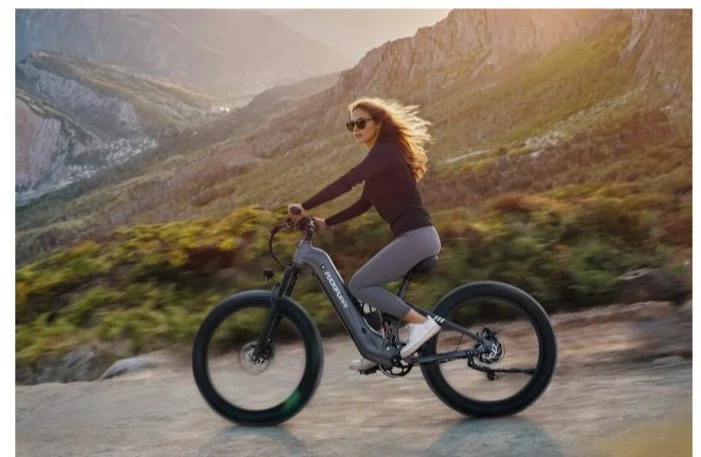
The Boxer-ST ebike is a prime example of such an off-road electric bike. With a 960W motor, it provides strong power to ensure outstanding performance on any terrain. Whether you're cruising at speed or exploring challenging paths, the Boxer-ST makes the ride enjoyable and effortless.

Designed to Tackle Extreme Terrain

The design of off-road electric bikes is typically more rugged and durable than that of standard ebike models. They come with wider tires, typically 4.0 inches or larger, which provide better traction, especially on sandy, muddy, or slippery surfaces. Hydraulic disc brakes and larger suspension forks are standard features, ensuring stable control and improved comfort on rough terrain.

For example, the Boxer-ST features 26.0" x 4.0" fat tires, increasing the contact area with the ground for better grip, particularly on muddy and sandy terrain. It also has a 130mm adjustable front suspension fork, allowing riders to adjust suspension hardness to terrain, ensuring a comfortable and safe ride even on the most extreme trails.

Seamlessly Transition from City to Off-Road Riding

Although off-road electric bikes are built for rugged terrain, their versatility makes them ideal for urban riding too. Many ebike riders not only use their bikes for weekend adventures but also for daily commuting. The electric assist system not only helps riders cover long distances with ease but also significantly boosts speed and comfort.

For example, with an 80-mile range, the Boxer-ST ensures that even on long rides, you don’t have to worry about running out of battery. Its powerful motor keeps you energized during long-distance cycling without requiring a charge.

The Future of Off-Road Ebikes: Pushing the Boundaries of Riding

As environmental awareness and electric transportation continue to rise, more and more consumers are choosing off-road ebikes, and the "ebikes for sale" market is rapidly expanding. Many people are realizing that electric assist systems greatly enhance the off-road riding experience, especially when tackling extreme terrain.

Off-Road Ebikes not only change the way we ride but also provide riders with a completely new outdoor experience. With powerful motors, long-range capabilities, and superior comfort, they have become an essential tool for more adventure-seekers and cycling enthusiasts.

Frequently Asked Questions:

Can an off-road electric bike handle steep mountain trails and rocky terrain?

Absolutely. Our Off-Road Ebikes are equipped with powerful motors (up to 1350W peak power) and high-torque systems, combined with full suspension, hydraulic disc brakes, and durable frames, making them ideal for tackling steep inclines, rocky paths, and rugged terrains.

Do I need fat tires for off-road riding, or are regular tires enough?

Fat tires are ideal for serious off-road adventures. They offer better traction, shock absorption, and stability, especially on loose surfaces like sand, mud, and snow. While all-terrain tires can handle light off-roading, fat tires provide better control and confidence on rougher paths.

Should I buy a full suspension or just a front suspension?

It depends on the trail and your comfort preference. Front suspension is sufficient for lighter off-roading or smoother paths. However, if you’re frequently riding on rough terrain with rocks or roots, we recommend full suspension. It enhances handling, reduces fatigue, and provides better stability during high-speed rides.

Can I ride my off-road electric bike in rain, mud, or snow? Is it waterproof?

Yes, our off-road ebikes are designed with waterproof seals on electrical components, making them safe for riding in rain, light mud, and snow. However, they are not fully submersible. We recommend avoiding deep water puddles and cleaning off mud or salt after wet rides to maintain performance and extend the bike's lifespan.

What Makes Local Experience Valuable When Hiring Asheville NC Car Accident Lawyers

Have you been in a car crash that was the result of another person or party’s negligence or willful act? Do you have injuries resulting from the wreck that will make it difficult for you to work or care for your family or that will result in medical bills? If so, you deserve compensation for your losses. However, getting fair compensation is not often easy and it’s the last thing you should have to add to your plate when you’re trying to recover from a wreck. Fortunately, when you hire a car accident lawyer, you can delegate this part of the process and maximize your chances at getting a fair settlement. However, it’s important that you hire the right lawyer to represent you.

Here is more information on why local experience matters when hiring Asheville NC car accident lawyers.

They Have In-Depth Knowledge of Local Laws and Procedures 

While you may think that traffic laws in all areas are the same, this is not always the case. Asheville NC car accident lawyers have deep knowledge of filing requirements, quirks of local courts, and any informal expectations that may affect your case. This knowledge is important when filing a claim and becomes crucial if your case does not settle and you need someone to represent you in court.

They Have Local Connections 

Sometimes it’s know what you know but who you know and Asheville NC car accident lawyers know important people like judges, other attorneys, police officers, and insurance representatives who may be involved in your case. These strong local connections can have an impact on the size of your settlement or on the ruling in your case if it goes to court.

They Understand the Local Roads 

There are patterns when it comes to roads including dangerous intersections, high-accident zones, roadways that are not designed well, and local traffic patterns. They may also be familiar with the stretch of road where your accident occurred and, if they’re not, they can investigate it. This knowledge can help make their arguments regarding liability, negligence, and responsibility stronger and help them tell a clearer story about what happened.

They Have Greater Accessibility 

Being able to talk to your attorney when you have questions or need help is key. When you work with Asheville NC car accident lawyers, you will know you will be able to meet with them in person without having to travel or deal with technology. This helps foster a stronger connection and improves your communication so that the two of you can work together as a team. 

They Have Credibility

Local Asheville NC car accident attorneys have credibility with insurance companies who know which agents tend to go the distance and which ones will settle for less. Insurers will know to take your attorney more seriously if they already know that you’ve hired one with a strong reputation. 

Working with Local Asheville NC Car Accident Attorneys 

If you’ve been hurt in a car accident, one of your first calls should be to local Asheville NC car accident attorneys. When you hire a local attorney, you will have a pro on your side so you can get fairly compensated for your losses. 

Tips to Determine Whether Paying Cash or Getting a Loan Is Better for Your Purchases

In the Philippines, the statement “Cash is king” still carries plenty of weight. That’s why many Filipinos believe that if you can’t pay for something in full, you shouldn’t buy it at all. For the most part, this is actually solid advice. Cash purchases are straightforward: you pay once and the item is yours, with no future obligations. Loans, on the other hand, require you to pay monthly installments that can last for years.

Modern finance, however, has given Filipino consumers more options to navigate life’s uncertainties. And with faster loan processing and simpler digital banking, paying in cash isn’t always your best possible move. Moreover, given the rising cost of property, education, and healthcare, paying in cash is no longer as easy or practical as it used to be.

This is where credit tools like personal loans come in handy. These loans can help you preserve liquidity, spread out costs, or even build your credit profile so you can better handle future challenges. Still, you want to get a feel for when cash works best and when borrowing makes more sense. To that end, here are practical tips to help you weigh your options before you reach for your wallet or a loan application.

1. Check If the Purchase Fits Into Your Overall Budget

If paying in cash leaves you struggling to cover the essentials, a loan might be the safer option. On the other hand, if the cost of the purchase is well within your surplus funds, paying in cash is cheaper and avoids interest charges altogether. If you do need a loan, you can search for “lowest interest personal loan Philippines” to discover offers from digital banks like Maya. With Maya Personal loan, you can borrow up to P250k, payable for up to 24 months. This can help you keep your repayment costs to a minimum and have an easier time handling repayments through the Maya app.

2. Assess the Urgency

Urgent, high-priority purchases like medical equipment, essential home repairs, or work tools are a no-brainer. If you don’t have cash to spare, a loan is totally justified. Keep in mind that traditional bank loans may take a lot of time to process, so you may want to go with personal loans offered by digital banks (like the aforementioned Maya). These new offerings offer fast approval while being much safer and more transparent than typical payday loans, helping you bridge the gap if your savings aren’t enough.

On the other hand, if the expense can wait, then it should. Ideally, non-essentials and luxuries should always be paid for in cash.

3. Compare Loan Products Before Deciding

If you’re leaning toward borrowing, compare multiple offers for interest rates, repayment terms, and disbursement speed before you commit. Beyond quick approvals, digital banks often provide flexible terms and direct disbursement to your account, with more structure and transparency than informal borrowing.

Regardless of where you borrow, look beyond just the interest rate. Don’t forget to include processing fees, penalties, and other potential charges. If the total cost significantly increases the price of your purchase, reconsider whether the benefit justifies the extra expense and the length of your commitment.

4. Consider Whether the Loan Will Add Value

If the purchase can help you earn more or save on long-term costs, a loan can be an investment in your future. Examples include upgrading your laptop for freelance work or enrolling in professional courses. Again, purely luxury buys are usually better handled in cash to avoid paying interest on non-essential spending.

5. What’s Your Current Debt Load?

Adding a new loan when you’re already juggling multiple repayments isn’t ideal. Most lenders also look at your debt-to-income ratio when approving applications, so too much existing debt could limit your options. If your plate is already full, the only lenders who will extend credit to you will probably want to protect themselves by imposing higher interest and stricter terms. In these situations, cash is probably the wisest choice unless the need is particularly urgent.

6. Think About Your Impending Financial Commitments

If you have major, critical expenses coming up, like tuition fees or a business expense, say a payment for SEO services for your website, using a loan today can conserve your liquidity and help you more easily pay off important short-term expenses that come up later. Paying in cash now, on the other hand, might leave you scrambling for money when those future needs arise.

7. Review Your Long-Term Credit Goals

If you’re aiming for bigger loan approvals for property or car acquisitions, modest personal loan commitments today may help you build a stronger credit score years down the road. Just be sure to borrow from a regulated lender so that your repayments are properly reported to credit bureaus.

8. Match the Payment Method to the Situation

Lastly, for one-off, smaller-ticket items, cash is usually a lot simpler. If it’s a large, essential purchase that would dent your savings, a loan can be a smart way to spread out payments and maintain financial stability. Of course, this is contextual and depends on your savings, cash flow, and the specific type of loan. It’s worth mentioning that credit cards can be a more convenient way to pay compared to cash, especially with their rising acceptance among Filipino businesses. 

Every Payment Method Has Its Moment

Paying cash does have its merits, but loans also have their place in smart money management. The right choice depends on what you want to achieve as well as the nature of the purchase. In any case, the important thing is to make sure the decision fully supports your long-term objectives.

Ethnic instruments from different countries

Music is the universal language of humanity, and ethnic musical instruments are an essential part of the cultural heritage of the peoples of the world. Each instrument reflects the natural environment, history and worldview of its people. In this article, we will travel across continents to discover the most striking ethnic instruments and their sounds.

Africa: djembe and kora

The djembe is a cup-shaped leather drum originating in West Africa. It is played to accompany rituals, dances and historical narratives. The kora is a 21-stringed instrument resembling a harp. It is used by griot singers who recount the genealogy and events of their villages.

Kugikly are not only known in Africa. This instrument is better known as the pan flute; you can read about the origin of the name here.

Each nation gave it its own name: soinar in Georgia, skuchudai in Lithuania, nay or muscal in Moldova or Romania, samponio among the Indians.

For centuries, people have divided the masculine and feminine principles. Women expressed their feminine nature in their behaviour, clothing, activities, songs, etc. Men developed and maintained masculine qualities. Very different men and women together form a single, harmonious whole. If everything gets mixed up, if a woman behaves like a man, does men's work, and a man takes on women's work, problems begin on a spiritual and physical level. The same is true in music.

Asia: shamisen, guqin and morin khuur

The shamisen is a Japanese three-stringed plucked instrument covered with leather, used in kabuki theatre and traditional music. The guqin is an ancient Chinese monochord associated with philosophy and meditation. Morin khuur is a Mongolian violin with a horse's head, known for its singing sound reminiscent of animal voices and the wind of the steppes.

We have collected the best games for you - live social casino

India: sitar and tabla

The sitar is a plucked instrument with a pumpkin resonator and many sympathetic strings that create a rich, multi-layered sound. The tabla is a pair of drums used for rhythmic accompaniment, especially in classical Indian and film music.

Europe: bagpipes, balalaika and cymbals

The bagpipes are a wind instrument with a leather reservoir, widely used in Scotland, Ireland, Bulgaria and the Caucasus. The balalaika is a Russian plucked instrument with a triangular body, a vivid representative of folk tradition. The cimbalom is a hammered string instrument related to the sanguine, found in Hungary, Slovakia and Belarus.

America: Native American flute and maracas

The Native American flute is a wind instrument of the indigenous peoples of North and South America, often used in ceremonies and meditation. Maracas (or maracas) are rattles made from gourds with seeds, used in Latin American rhythms.

Oceania: didgeridoo

The didgeridoo is a long wooden pipe used by the Aboriginal people of Australia, which produces a continuous vibrating sound using a circular breathing technique. It is one of the oldest wind instruments on the planet.

Conclusion: Ethnic musical instruments are not only sounds, but also the living embodiment of the history, spirituality and identity of peoples. Studying them helps to understand culture on a deeper level and opens up new horizons of musical perception.