Best Places to Elope in Washington: A Guide for City Couples

Why City Couples Elope in Washington

Urban professionals choose Washington elopements for a true reset from fast-paced city life to immersive nature. Modern elopements aren’t about convenience or cost; they’re curated, experience-driven weddings centered on intention and story.

By skipping large guest lists, couples avoid seating charts and logistics and instead design an intentional day or weekend. With rainforests, beaches, alpine peaks, and islands, Washington delivers dramatic scenery without the need for a traditional venue. This guide covers locations, timing, permits, and legal details to make planning a PNW elopement simple.

Washington Elopement (Why City Couples Love It)

Industry professionals define an elopement as a ceremony for strictly two people, while a micro wedding usually involves fewer than 10–20 guests. For urban professionals, smaller guest counts aren’t just aesthetic they simplify planning.

Small groups are often needed to access “rogue” non-traditional locations that can’t accommodate large weddings, which require commercial plumbing and formal contracts. Intimate groups of 5–10 can negotiate access to private backyards, ocean overlooks, or hotel bars through good faith and communication. Fewer attendees also means less performing, letting the experience dominate how it’s remembered and captured in photos. For a calm, grounded, connected day, plan accordingly.

Best Places for a Washington Elopement

For curated options by region, explore these Washington elopement packages to find the perfect fit for your vision.

Olympic National Park

Olympic National Park offers diverse scenery thanks to the rain shadow effect you can see lush, mossy rainforests and drier coastal landscapes in the same day. Lake Crescent’s clear, nutrient-poor water shifts from steel gray to turquoise with the light. For coastal views, Rialto Beach and Hole-in-the-Wall are iconic, but the best shots are often taken after walking through the Hole-in-the-Wall to the far side.

  • Best for: Those wanting multiple scene changes forest, lake, and beach all in one park.

Mount Rainier National Park

Mount Rainier is more than a mountain - it’s an active volcanic peak rising about 8,000 feet, making it one of the most prominent in the U.S. Its dramatic, close-up scenery draws many visitors. Couples should choose between Paradise, known for accessible meadows and easy hikes, and Sunrise, the highest drivable area with a more rugged feel. Reflections at Reflection Lakes aren’t guaranteed and are best seen early morning when winds are calm.

  • Best for: Those wanting iconic mountain vibes who are willing to accept the permit rules and early mornings.

North Cascades National Park

Known as the "American Alps," the North Cascades are known for their extreme alpine verticality and jaggedness. It's wilder, moodier, and more remote than Mount Rainier. The blue-green feature (Diablo Lake) owes its color to "glacial flour", or finely ground rock.

  • Best for: Those wanting moody, cinematic vibes with fewer crowds (and more planning complexity).

Mount Baker / Snoqualmie Area

If you're looking for alpine views but fewer permit headaches, the Mount Baker / Snoqualmie region is great. Under 75 non-commercial attendees generally don't need permits, though recommendations are to keep under 25 for lower impact. This can give you similar alpine feels to the North Cascades but with better logistics overall.

  • Best for: Those wanting alpine views but with more permit flexibility.

San Juan Islands

The San Juans run at their own pace, which is part of the appeal. There's a "Hub vs Hideaway Model" where Ferry Town Friday Harbor is walkable and convenient, but Orcas Island (and others) are more rural, artisanal, and quiet. Whale watching can be done "from shore" at Lime Kiln Point instead of boat tours, so you're less likely to disturb the ecosystem with noise.

  • Best for: Those wanting ocean views, the romance of ferries, and a weekend feel rather than just a day.

Seattle (City Elopement)

Of course, if you want the easiest, most barebones elopement option, you can do Seattle. With a small group of 5–10, you can use hotel bars or spaces and directly negotiate access to parks and bars without the usual contracts.

  • Best for: Those wanting the easiest and most minimal ceremony, or a city-to-nature hybrid.

Elopement Packages and Regional Expansion

Once you've picked a specific region, turnkey elopement packages can be hugely helpful to reduce friction. You'll find Washington-specific package offerings that cover Olympic, North Cascades, Seattle, San Juan Islands, and Rainier. 

These packages organize vendors and timelines with local knowledge so it's not DIY'ed from inside a Seattle apartment at 11 p.m. Sometimes you'll find combined offerings, like photographers who also officiate, to keep things small and low-key.

Best Time for a Washington Elopement

For snowy mountain spots like Mount Rainier and the North Cascades, access is limited. Washington’s main “dry window” is July–August, when rainfall is lower and higher elevations are more likely to be snow-free.

August is often the most weather-stable month, with warm temperatures and relatively low precipitation. To avoid crowds, plan a weekday and/or sunrise ceremony.

The “Dark Season” (Nov–Jan) brings heavy clouds, frequent storms, and short days—great for moody photos, but you’ll need extra time and solid backup plans. Spring can work if you choose lower elevations, rain-shadow areas, or Eastern Washington, but mountain snow often lingers.

Permits and Park Rules

Mount Rainier National Park: Permits are required for all wedding ceremonies, any size. Expect a multi-step process: a $25 application fee plus $250 after approval. Permits include a 3-hour window for travel, ceremony, and photos.

North Cascades National Park: Permits involve direct communication and multiple steps. Photographers/videographers also need permits. Professional photos aren’t allowed at Diablo Lake Overlook consider Thunder Knob Trail instead.

Olympic National Park: More flexible, but not always permit-free. Special Use Permits typically apply if your group is over 5 people. If everyone (including vendors) is under 5, you’re often exempt but confirm before you plan.

Legal Considerations for Washington Elopements

Washington has the following legal requirements:

  • Waiting Period: There is a strict 3-day waiting period that cannot be waived, starting when the Auditor's Office receives your application.

  • Validity: The license is valid for exactly 60 days.

  • Witnesses: Two witnesses are required. They must be competent adults who understand what they’re signing. The "Stranger Witness" tactic at trailheads is often used if eloping alone.

  • Health Affidavit: Washington requires a "Health Affidavit" covering communicable diseases, but no blood tests.

Final View on Washington Elopements

If you’re an urban professional planning an elopement in Washington, your best place depends on what you want the day to feel like:

  • Olympic National Park: For scene variety (forest, lake, beach) in one park.

  • Mount Rainier: For classic, iconic mountain scenery and vibes.

  • North Cascades: For a rugged, remote, and cinematic alpine feel.

  • Mount Baker / Snoqualmie: For alpine views with more logistical flexibility.

  • San Juan Islands: For ocean air, ferry romance, and a weekend exhale.

  • Seattle: For a minimal city ceremony or a city-to-nature hybrid.
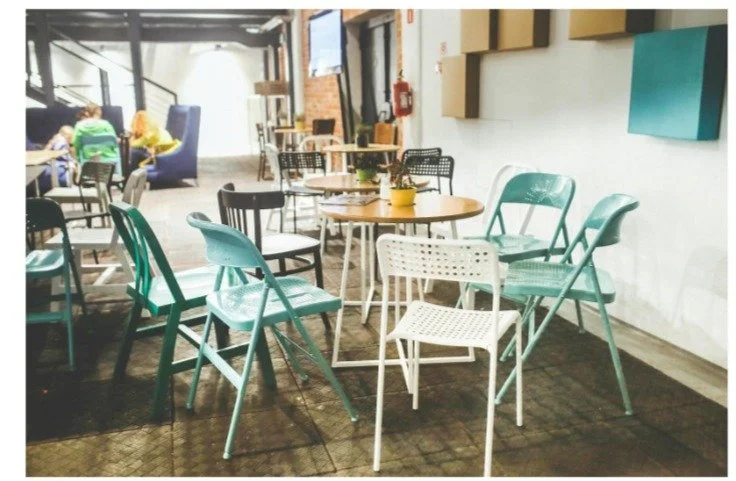
How Relaxed Seating Arrangements Improve Social Spaces And Interactions

Creating a space where people feel at ease makes a huge difference in how they talk. Most rooms feel stiff when the furniture is too formal or lined up in straight rows. This creates an atmosphere that is far from inviting.

Changing the layout to something more casual helps people open up. It turns a quiet room into a place where stories are shared, and friendships grow. You can see the mood shift as soon as guests sit down.

Setting The Tone For Comfort

The physical layout of a room tells guests how to act the moment they walk in. If the chairs look too fancy to sit in, people will stay quiet and alert. This tension can make a social gathering feel awkward or forced.

Choosing soft furniture can help melt away that tension immediately. Many find that using oversized bean bag chairs in their common areas provides a low-profile option for lounging with friends. This type of furniture removes the pressure to sit perfectly straight or look formal.

Comfortable seats act like a silent invitation to stay a while. When people feel physically supported, they focus more on the conversation than on their posture. This creates a much more natural environment for everyone.

Understanding The Psychology Of Social Ease

There is a deep connection between how we sit and how we feel mentally. Stress levels drop when the body is allowed to rest in a natural position. Low seating positions often make people feel more grounded and secure.

A leading mental health publication suggests that our surroundings dictate our social confidence and stress levels. It explains that soft textures and rounded edges make a room feel safer for deep talk. This safety allows people to share ideas without feeling judged.

Relaxed seating lowers the physical barriers between people. It helps everyone feel like they are on the same level, which makes the vibe much friendlier. People tend to stay longer when they are not struggling to get comfortable.

Improving The Flow Of Conversation

Stiff layouts ruin the mood of a party. Rows of chairs make a home feel like a cold classroom instead of a cozy retreat. This setup prevents people from seeing faces clearly.

A top design magazine explained how furniture placement shifts the energy of a room. It noted that grouping seats in small circles works better than pushing items against the walls. This setup helps everyone stay involved.

Try these tricks to help people connect:

  • Face chairs toward a central coffee table.

  • Leave 3 feet of space for walking paths.

  • Mix different furniture heights for visual interest.

  • Keep the lighting low and warm.

  • Use large rugs to define the social zone.

Functional Design For Modern Living

Modern rooms must be more than just nice to look at. They should be built for the way people live and spend time together. Picking comfort over style creates a better space for everyone.

A popular modern living magazine noted how functional furniture supports better human connections. The article explained that moving seats around allows for more honest conversations. These items change to fit the needs of your guests at any moment.

Moving a chair or cushion makes the space feel personal. This flexibility turns a house into a real home for everyone. It proves the area is for living.

Breaking Down Social Barriers

Formal dining rooms or stiff offices can sometimes make people feel nervous. These settings often feel like there are too many rules to follow. A rigid seat can lead to rigid thinking and short answers.

Adding informal zones helps to break those invisible rules. It gives people a place to kick back and be themselves without worrying about etiquette. These spots often become the favorite part of the house for guests.

Informal spaces are where the most honest conversations happen. Removing the table between two people can make a chat feel much more personal. This change can shift the mood from professional to friendly in seconds.

Building A Space For Everyone

Every person has a different idea of what comfort looks like. Some like to lean back, whereas others prefer to sit on the floor or a low stool. Having options is the best way to host a group.

Offering a variety of seating options helps every guest feel welcome. A mix of soft and firm surfaces caters to different physical needs and ages. It allows guests to pick the spot that suits them best at that moment.

Focusing on these details makes a social space more inclusive for all. It shows that the host cares about the experience of every person in the room. A well-planned room stays busy and full of life for years.

Transforming a social area is about more than just buying new things. It is about creating a mood that makes people feel happy and valued. A good room serves as the backdrop for all your best memories.

Small changes in how you arrange your room can lead to much bigger connections. When the seating is relaxed, the people in it will be too. Enjoy your new space and the many chats to come.

Comfortable Ways to Use a Maternity Pillow for Better Sleep and Daily Support

Some nights, lying down can feel nearly impossible when you’re expecting. As your body changes and your center of gravity shifts, everything—from how you rest to how you sit—can feel slightly out of sync. Exploring practical ways to use a maternity pillow can make a noticeable difference, offering gentle support that adapts to your body rather than forcing you into uncomfortable positions.

What often starts as nighttime support quickly becomes useful throughout the day. A maternity pillow isn’t just for sleep—it can provide relief while reading, watching TV, or taking a quiet midday break. Thoughtful positioning, especially with options designed like a pregnancy pillow for stomach sleepers, helps reduce pressure on the hips, lower back, and shoulders, allowing your body to relax more fully.

Optimizing Side Sleeping for Hip and Spine Comfort

Most doctors suggest lying on your side when pregnant - it's a safe bet. Still, doing it without help from pillows might leave your hips sore. Your knees could ache too. The lower back often pays the price of poor alignment overnight. Support changes how well you rest.

Side sleeping with proper support:

  • Reduces hip pain

  • Keeps your spine straight

  • Sitting feels better when time passes slowly. That changes how long you can relax without shifting around.

A shape-holding design means less shifting once you settle in. This full-body support from Momcozy stays put through restless turns. Night after night, it keeps its form without constant fixing. Built for comfort that lasts until morning light.

Preventing Back Sleeping with a Supportive Wedge

Later on in pregnancy, lying flat on the back tends to cause problems. Blood movement may slow down that way, plus it often feels unpleasant. Instead of staying in that position, many find relief through angled support. One option? Using a wedge-shaped cushion designed for expectant mothers.

This approach fits situations like these:

  • Light sleepers

  • People who roll at night

  • Reducing pressure on the lower back

Peace comes easier when it wraps around you like care, not control.

Cradling the Baby Bump for Pressure Relief

A little extra weight up front means your middle works harder. When that happens, aches might show up after dark. Supporting the bump takes tension away. Things feel easier when you hold it right.

Some moms and dads see a difference with this small change:

  • Reduces nighttime discomfort

  • Makes side sleeping feel lighter

  • Helps with frequent position changes

A favorite way to lean into support comes late in pregnancy. Many find it helps most when belly size grows through months six onward.

Targeting Lower Back Pain with Strategic Placement

When pregnancy brings aches to the lower back, it often stems from hormones and a changing balance. The body adjusts, loading more pressure onto the spine's base. Position matters - where support goes can shift comfort.

Positioning the maternity pillow like this:

  • Reduces pressure on the lumbar spine

  • Helps muscles relax

  • Morning creakiness fades when movement comes early.

Stiffness backs off if joints stay active before sunrise. Motion at daybreak keeps tightness from settling in. Waking stiff each morning? This setup handles it without fuss.

Elevating Legs and Feet to Reduce Swelling

Lying back with legs up can help when ankles feel heavy. When swelling shows up, lifting the lower half gives relief. As blood moves better, extra fluid begins to shift. Later months of pregnancy often bring puffiness - raising feet above heart level makes a difference.

Built to assist when tackling tasks like these:

  • Reducing ankle and foot swelling

  • Relieving leg heaviness

  • Improving nighttime comfort

Trying it like this with your pillow at night might make sleep come quicker.

Using a Maternity Pillow for Sitting and Nursing Support

A pregnancy pillow for stomach sleepers by Momcozy tucked just above the hips helps hold the spine steady while seated. Instead, try looping it around the middle to brace both arms and infant when feeding, whether by breast or bottle.

Many parents continue using their maternity pillow after birth because it:

  • Reduces arm and shoulder strain

  • Supports proper posture

  • Fewer interruptions mean calm moments during meals. That comfort helps everyone relax a bit more. Little shifts like this add up over time.

It stays useful well beyond those early months. Comfort keeps growing alongside you.

Relieving Heartburn by Elevating the Upper Body

Sleeping without a tilt might make heartburn flare up. Propping yourself higher with a maternity pillow changes how acid moves at night.

A small lift comes from tucking the pillow just behind your shoulder blades when lying sideways. Raising the torso a little, it keeps acid where it should be, easing that burning feeling after dark.

This position:

  • Reduces reflux symptoms

  • Supports better breathing

  • Makes sleeping more restful

A tweak here might just transform how well you rest at night.

Supporting Sciatic Pain with Proper Hip Alignment

When your hips sit right, it often helps quiet that nagging sciatic ache. Sometimes the pain zips down the leg; other times it just lingers low in the back. Getting into a better position might dial down the hurt. Misaligned hips can tug on nerves, making things worse than they need to be.

A cushion meant for pregnancy fits nicely between your legs, hugging your knee and running down your thigh to hold your hips straight. Sometimes, sliding a bit beneath one hip adds just what you need.

This way: 

  • Nerves get less squeezed.

  • Ease hip and leg pain.

  • Improve overall comfort

Sticking to this approach usually eases things in clear ways.

A Helpful Tip for Stomach Sleepers

First thing - lots of soon-to-be moms struggle to shift from lying on their front, particularly when they’ve done it forever. When the bump gets bigger, pressing into a full belly isn’t wise anymore. Still, tossing and turning needn’t be part of your nights. Instead, small tweaks might just bring back ease.

A soft boost comes from a maternity pillow during these shifts. Leaning on one while shifting from stomach to side sleeping keeps a hint of old comfort alive. Instead of strain, there's cradling under the bump and hips - balance happens naturally. Awkward twists fade when support fits just right.

Final Thoughts

A fresh take on comfort begins when you place a maternity pillow just right. This small shift holds up your back while lying down, eases pressure during quiet moments, and steadies you when seated. Relief shows up in the details - how you turn at night, where you lean in daytime. Support becomes part of each posture, not just bedtime. Subtle adjustments bring steady ease.

A smartly shaped maternity cushion from Momcozy’s line does more than feel good. Posture stays safer when you use it nightly. Pain often eases up as your body settles into place. Sleep improves - through pregnancy, even after. A shift in pillow placement might bring longer rest, less stiffness, and later calm - simple tweaks often help when sleep matters most.

The Emotional Toll of a Long-Term Injury on Families

People who are involved in serious accidents are rarely alone. Loved ones in the person’s life tend to make it their duty to help care for the injured party. This obviously places a lot of focus on the injured person, helping them to recover while having a support system. However, a long-term injury does not only affect that one injured person. It can create a ripple effect that flows outward and touches every member of the household. This can create a fundamental shift in the emotional health of the entire home. While the injured individual fights for physical recovery, their loved ones often endure a parallel journey of emotional exhaustion and stress.

Understanding the different ways an injury impacts the family unit is essential for a holistic recovery. Here are five ways families pay the emotional toll of a long-term injury.

1. The Burden of "Caregiver Fatigue"

Caring for someone is truly a loving act. Though if the care ends up being long-term, and physically involved, it can wear the caregiver out. This is especially true if the injured person being cared for is mean or hostile at times. While this is natural for an individual whose brain is dealing with trauma, it’s unnatural for the caregiver. He or she starts to feel unappreciated and overworked, and as if their care is not helping. Fatigue settles in, and the caregiver can end up dealing with mental trauma, just like the injured party. A part of this stems from the caregiver not caring for themselves during this time.

2. Shifts in Power and Role Reversal

 Roles and power dynamics are shifted and rearranged in many instances of long-term recovery. For instance, a parent who was the primary breadwinner can find themselves unable to work and provide. It could be the children or other family members who have to not only care for the injured person but also support the household financially. This sort of burden comes on suddenly and can take a massive toll. Dynamics shift all the time, but usually there’s a slow drift. Injuries can force this dynamic onto someone suddenly.

3. Chronic Stress and Secondary Trauma

 Caregivers are under an enormous amount of stress. In some cases, even more so than the injured. The caregiver is often caring for the needs of the injured party while still holding life together outside of the care. They’re going to work, cleaning the home, and handling every other day-to-day task required. Only now, that load has been added to, with the role of caregiver. This can lead to a lot of stress that compounds over time. Secondary trauma can also occur with children who witness a parent’s immobility and severe injury.

4. Loss of Spousal Intimacy and Companionship

 Spouses who are the main caregivers for an injured husband or wife often experience mental issues. The loss of intimacy is very damaging. Not only physical acts, but emotional availability really matter to a healthy union. Emotional gaps can be far wider and deeper than physical gaps. No more talking, laughing, sharing memories and dreams; this creates emotional distance. The caregiver can end up feeling abandoned and as if their efforts are made in vain.

5. Social Isolation of the Family Unit

 Social isolation is a serious side effect of a caregiver role. It becomes increasingly difficult to make time for any sort of social life. No dinners, an inability to host gatherings, no hanging out with friends, etc. Feeling as if you’re unwillingly becoming a recluse and have no actual life can be mentally draining. This drain can turn into issues like anxiety and depression.

Finding the Path Forward

 If you’re a caregiver who’s feeling mentally taxed, please speak with someone before it progresses. To help you manage the logistics, speaking with an experienced personal injury lawyer may be a good move. With the right personal injury lawyer, some of that caring load may be spread out to medical professionals. It’s okay to ease your own burden.

What Should Homeowners Ask Before Hiring a Duct Installation Company?

When it comes to home comfort, few systems matter more than your HVAC ductwork. Proper duct installation directly impacts indoor air quality, energy efficiency, and overall system performance. Yet many homeowners focus only on the heating and cooling units themselves, overlooking the network of ducts that actually distributes the air throughout the home.

Whether you're building a new property or upgrading an existing system, choosing the right contractor for air duct installation and repair is a decision that can affect your comfort and utility bills for years to come. Professional providers repair services understand that ductwork is not just about airflow — it’s about precision design, efficiency, and long-term reliability.

1. Questions About Experience, Licensing, and System Design

Hiring an HVAC contractor isn’t just about finding the lowest quote. Duct systems must be carefully designed and installed to meet the specific needs of your home. Asking detailed questions upfront can help you avoid costly mistakes.

Are You Licensed, Insured, and Certified?

This should be your first question. A reputable duct installation company should hold proper state licensing and carry liability insurance and workers’ compensation coverage. This protects you from financial risk if something goes wrong during the project.

Additionally, certifications from HVAC organizations show that technicians are trained in modern standards and safety procedures.

How Do You Design the Duct System?

Every home has unique airflow requirements based on size, layout, insulation, and climate. A professional contractor should perform a load calculation (often called a Manual J calculation) to determine the correct duct sizing and layout.

Improperly sized ducts can cause:

  • Uneven temperatures

  • Weak airflow

  • Increased energy bills

  • Excess strain on your HVAC system

If a company offers a quote without inspecting your home or calculating airflow requirements, that’s a red flag.

What Materials Will You Use?

Not all duct materials are the same. Common options include:

  • Sheet metal ducts

  • Flexible ductwork

  • Fiberglass-lined ducts

Ask which material they recommend and why. The right choice depends on your home’s structure, budget, and long-term efficiency goals.

How Will You Ensure Energy Efficiency?

Leaky ducts can waste up to 20–30% of conditioned air. A qualified company should explain how they seal connections, insulate ducts, and test airflow after installation.

Energy-efficient ductwork means:

  • Lower monthly energy costs

  • Better airflow balance

  • Improved system lifespan

Make sure they include sealing and insulation in the project scope.

2. Questions About Costs, Timeline, and Long-Term Support

Beyond technical qualifications, homeowners should clarify the financial and service aspects of the project. Transparency is key when investing in your home.

Can You Provide a Detailed Written Estimate?

A professional contractor should provide a clear breakdown of costs, including:

  • Labor

  • Materials

  • Equipment

  • Permits (if required)

  • Cleanup

Avoid companies that give vague verbal quotes. A written estimate protects both parties and prevents unexpected charges later.

What Is the Project Timeline?

Duct installation can take anywhere from a day to several days depending on the size of your home and whether it’s a retrofit or new construction.

Ask:

  • When will the project start?

  • How long will it take?

  • Will technicians need access to ceilings, walls, or crawl spaces?

Understanding the timeline helps you plan around disruptions.

Do You Offer Warranties?

Reliable duct installation companies stand behind their work. Ask about:

  • Labor warranties

  • Manufacturer warranties on materials

  • Guarantees on airflow performance

A warranty provides peace of mind and demonstrates confidence in workmanship.

Will You Test the System After Installation?

Post-installation testing is essential. Contractors should measure airflow, check for leaks, and confirm that rooms receive balanced air distribution.

Without testing, there’s no guarantee your system will operate efficiently.

Do You Provide Ongoing Maintenance or Repair Services?

Duct systems require occasional inspection and maintenance to maintain performance. Ask if the company offers long-term service plans or follow-up inspections.

Establishing a relationship with a reliable provider ensures you have support if issues arise in the future.

Why Asking the Right Questions Matters

Many homeowners underestimate the importance of ductwork because it’s hidden behind walls and ceilings. However, poorly installed ducts can lead to:

  • Hot and cold spots

  • High energy bills

  • Increased dust and allergens

  • Shortened HVAC lifespan

On the other hand, professionally installed duct systems deliver:

  • Consistent indoor comfort

  • Cleaner air

  • Reduced energy waste

  • Quieter HVAC operation

The difference lies in proper planning, skilled workmanship, and attention to detail.

Final Thoughts

Hiring a duct installation company isn’t just another home improvement task — it’s an investment in your property’s comfort, efficiency, and long-term value. By asking the right questions about licensing, design process, materials, costs, warranties, and post-installation testing, homeowners can confidently choose a contractor who prioritizes quality over shortcuts.

Taking the time to evaluate your options now can save you from expensive repairs and inefficient performance later. A well-designed duct system works quietly behind the scenes, delivering comfort to every room without you having to think about it.

7 Ways to Make a Jam-Packed Business Trip Feel Lighter

Business trips often sound exciting at first, especially if you’re travelling to a new city or meeting people you’ve only communicated with online. The reality, however, often feels more relentless. Between navigating airports, adjusting to new time zones, and squeezing in work commitments, it’s easy to feel weighed down.

That’s why smart planning and small adjustments can make a huge difference in how you experience the journey. For instance, staying at a Changi airport hotel when you’re passing through Singapore can cut down on transit stress and give you more rest before the next flight. The goal isn’t to drastically reduce your workload, but to find ways to make your visit feel lighter and more manageable. 

With the right mindset and strategies, you can transform a packed itinerary into an opportunity rather than a burden. Here’s how.

Begin with a Clear Anchor

Ever notice how mornings set the emotional tone for the rest of the day? On a busy business trip, waking up without a plan can trigger stress before breakfast. A clear anchor, whether it’s reviewing your top priority or jotting down a few key outcomes, creates a sense of direction. 

That moment of clarity keeps you in control instead of merely reacting to situations. You move through meetings with ease and travel with steadiness because you know what matters most. When your schedule begins with intention, even a demanding itinerary feels more contained while carrying a stronger sense of control into the rest of the day.

Build Breathing Room Between Commitments

Picture yourself rushing from one meeting to another without pause. While it may seem productive, that constant motion can leave you drained before the day is even halfway done. Instead of powering through, deliberately carve out short breaks. For instance, you can stretch for ten minutes or grab a cup of coffee. Even closing your eyes for a moment can help you feel more grounded.

Building these micro-breaks into your schedule allows you to maintain focus and ensure higher quality interactions. These small pockets of time act as a buffer and prevent the day’s demands from bleeding together into one long, exhausting cycle.

Choose Accommodation That Minimises Transit Time

Location matters more than many travellers admit. Imagine finishing a late meeting only to face a long commute back to your hotel. That extra travel time eats into rest and recovery.

So, to save time and mental effort throughout the trip, opt for accommodation close to your meeting venues or transport hubs. Options like airport hotels or city-centre stays can save hours across a trip. The less time you spend commuting, the more energy you’ll have for the work that matters. Convenience in lodging often translates directly into peace of mind.

Keep Digital Tools Ready for Quick Wins

Remember the times you’ve scrambled to locate a presentation minutes before a client call. That frantic search drains energy and flusters you, while projecting an air of unreadiness to your clients. Why take the risk when you can rely on digital tools to spare you from the chaos? 

Whether it’s cloud storage for cross-device access or note-taking apps for capturing key details, having the necessary technology on your phone or laptop means fewer last-minute panics and mental clutter. Instead of worrying about logistics, you can focus on delivering value. When technology runs smoothly, it becomes your silent partner, helping you move through a packed business trip with confidence.

Prioritise Nutrition and Hydration

A study published in BMJ highlights how poor nutrition contributes to low mood, while healthier eating patterns support both physical and mental wellbeing. That’s especially relevant during business trips, where fatigue and stress are common. 

While it’s tempting to grab whatever’s convenient when you’re on the move, heavy or processed food choices can leave you sluggish. A balanced breakfast, lighter meals, and a reusable water bottle handy help sustain your pace throughout the day. When you fuel your body properly, you maintain the sharper focus needed for back-to-back engagements. Ultimately, staying nourished is one of the most effective ways to lighten the physical demands of travel.

Stay Connected Without Overcommitting

Business trips often come with multiple invitations to networking events and social gatherings, and the pressure to attend everything can feel intense. However, saying yes to everything leaves you drained before the real work is done. While maintaining connections is vital in any business, it doesn’t mean accepting every invitation. 

A better approach is to prioritise engagements that align closely with your goals and politely decline the rest. Rather than being present everywhere, be intentional about where you invest your energy. Pace yourself socially to preserve focus for the commitments that truly count and maintain your balance throughout the journey.

End Each Day with a Gentle Reset

How you close the day shapes how you rest. Taking a few minutes to review what went well or prepare for tomorrow helps your mind slow down, creating a sense of completion that allows even the most intense days to feel manageable. When you contain these loose ends, sleep comes easier and a calm ending naturally sets the stage for a steadier start the next morning.

A business trip doesn’t have to feel like a marathon you’re barely keeping up with. Small, thoughtful choices can soften the edges of a hectic schedule, transforming the experience into something lighter and more sustainable. When travel feels balanced, you show up sharper and steadier in every room you enter. So the next time your itinerary fills up, apply these strategies to make your journey not just manageable, but genuinely rewarding.