Modern HVAC Upgrades That Attract Premium Homebuyers

Luxury homebuyers expect more than granite countertops and hardwood floors. Walk through any high-end property showing in Manhattan or Brooklyn. You'll notice buyers asking detailed questions about heating and cooling systems. They want to know about energy bills, air quality, and temperature control.

The right HVAC improvements can set your property apart in a crowded market. Modern systems offer features that appeal to buyers willing to pay premium prices. These upgrades matter to people who view their home as a long-term investment.
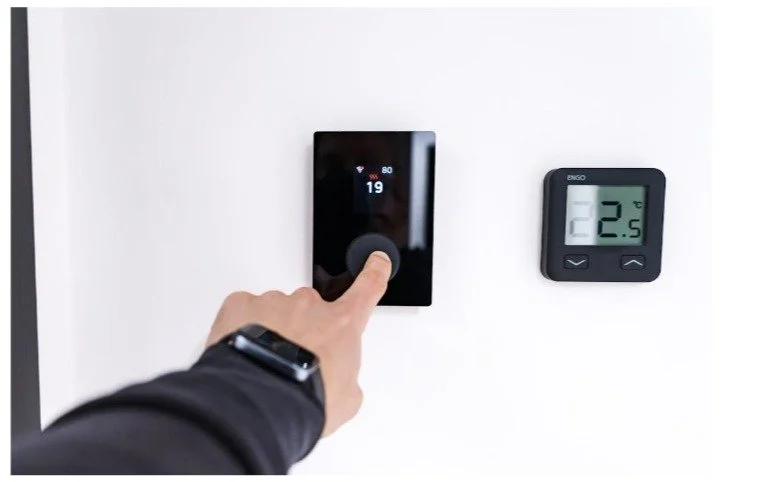
Photo by HUUM  │sauna heaters

Smart Thermostats and Connected Controls

Modern buyers expect homes that work with their existing technology. Smart thermostats do more than adjust temperature from your phone. They learn your daily patterns and optimize energy usage automatically. These devices provide detailed reports that show exactly where your money goes each month.

Automation That Saves Money

Geofencing technology adjusts settings when you leave or return home. This appeals to buyers who travel frequently for work. The system knows when the house is empty. It switches to energy-saving mode without anyone lifting a finger.

Voice control has moved from luxury to standard expectation. Buyers test these features during property tours. They check whether the system responds to Alexa or Google Assistant. Integration with existing smart home platforms often influences purchase decisions. HVAC professionals across North America have tracked these technology preferences for decades, including Handy Bros.

Data Tracking for Conscious Buyers

Environmental reports show your carbon footprint in real time. This matters to buyers who care about sustainability. The data isn't just numbers on a screen. It translates to actual dollar savings and environmental impact over years of ownership.

ENERGY STAR Certification and Efficiency Ratings

Premium buyers research operating costs before making offers. An ENERGY STAR certified HVAC system can cut energy bills by 20% compared to standard models. That percentage adds up over decades of homeownership.

The certification carries weight because it represents independent verification. Buyers recognize the blue label immediately. Properties with certified systems often appraise higher because efficiency improvements reduce ownership costs. Lower monthly bills mean buyers can afford higher mortgage payments.

Understanding SEER Ratings

Seasonal Energy Efficiency Ratio ratings above 16 show superior performance. Higher numbers mean lower monthly costs. This matters when calculating total housing budgets. Showing utility bills from the past year strengthens your position during negotiations.

Variable speed compressors adjust output based on actual needs. Traditional systems run at full blast or not at all. Modern technology finds the sweet spot between comfort and efficiency. Equipment lasts 15 to 20 years when it doesn't work as hard.

Multi-Zone Temperature Control

Different people prefer different temperatures. Multi-zone systems solve this problem without compromise. Each area of your home can maintain its own climate setting independently.

This feature works best for larger properties or homes with distinct living spaces. Parents keep bedrooms cooler for children while maintaining warmer temperatures downstairs. Home offices stay comfortable during work hours without conditioning empty rooms. The technology uses multiple thermostats connected to dampers in the ductwork.

Key benefits of zone control:

  • Independent temperature settings for each area

  • Energy savings from conditioning only occupied spaces

  • No more thermostat arguments between family members

  • Customized comfort that adapts to daily schedules

  • Lower utility bills from targeted heating and cooling

A four-bedroom home might need cooling in just two rooms during weekday mornings. Zone control prevents wasting money on empty bedrooms and bathrooms. Buyers calculate these savings when comparing properties. The feature distinguishes premium listings from standard offerings.

Advanced Air Filtration Systems

Air quality concerns have grown significantly among homebuyers over recent years. Properties equipped with HEPA filtration or UV purification systems address real health priorities. These aren't just nice extras anymore.

Medical-Grade Filtration

HEPA filters capture particles as small as 0.3 microns. That includes pollen, dust mites, and pet dander. Buyers with allergies or asthma need cleaner indoor air. The health benefits justify higher property prices for families with young children.

UV light systems installed in ductwork eliminate bacteria and viruses. They also kill mold spores before they circulate through your home. These additions transform basic HVAC into comprehensive air quality management. Buyers who research these features signal serious interest during property tours.

Humidity Control Systems

Whole-home humidification and dehumidification maintain optimal moisture levels year-round. Too much humidity encourages mold growth and damages wood furniture. Too little causes dry skin and respiratory problems. Automated systems balance these factors without constant adjustments.

Regular maintenance records add measurable value during negotiations. Documentation showing quarterly filter changes proves responsible ownership. Professional servicing reports demonstrate the system received proper care. This paperwork influences buyer confidence when making final decisions.

Quiet Operation Technology

Noise from heating and cooling disrupts sleep and concentration. Modern equipment designed for quiet operation solves this problem through better insulation. Advanced fan designs make a significant difference too.

What quiet operation means in practice:

  • Decibel ratings below 60 during normal operation

  • No disruption to sleep or work activities

  • Sound blankets around outdoor compressors

  • Vibration-dampening mounts on all equipment

  • Variable speed handlers that eliminate air rush

Older units generate 75 decibels or more during operation. That's similar to a running dishwasher in the next room. The difference becomes obvious during property showings when systems cycle on. Buyers notice immediately.

Sound blankets wrapped around compressors reduce outdoor noise significantly. This matters in dense urban environments where units sit on rooftops. Neighbors appreciate quiet equipment that doesn't violate noise ordinances. Some cities have strict regulations about mechanical noise levels.

Variable speed air handlers maintain gentle, consistent airflow throughout your home. They eliminate the sudden rush that announces temperature changes. Rooms stay comfortable without dramatic fluctuations. This smooth operation appeals to buyers sensitive to environmental changes.

Photo by suhel vba

Property Value and Market Position

Buyers making seven-figure real estate decisions expect every system to meet current standards. Outdated HVAC equipment raises red flags about overall property maintenance. Current systems signal responsible ownership and reduce concerns about immediate replacement costs.

Professional energy audits provide documentation that supports asking prices. These reports detail system efficiency and expected lifespan. They project operating costs based on actual performance data. Buyers use this information to understand value beyond the purchase price.

Transferable Warranties Add Value

A system with 15 years remaining on warranty reduces buyer risk substantially. This coverage often becomes a negotiating point that justifies higher offers. Transferable warranties provide peace of mind that money can't buy. Buyers know they won't face unexpected replacement costs for over a decade.

Marketing materials should highlight specific HVAC features rather than vague mentions. List the SEER rating, filtration capabilities, and smart controls as premium amenities. Buyers searching for properties with specific requirements find listings that detail these upgrades. Generic descriptions get ignored in competitive markets.

The best systems operate invisibly while maintaining perfect comfort. They don't draw attention to themselves through noise or temperature swings. Properties that achieve this standard attract buyers willing to pay premium prices. Modern HVAC has become a selling point rather than an afterthought.

/
script>

Post-Event Home Recovery Quick and Effective Cleanup Tips

Hosting an event at home brings energy and connection, but the aftermath requires attention to restore order. Spills, footprints, and scattered items can accumulate, impacting the space's condition if left unaddressed. Starting with outdoor areas sets a strong base, as patios, driveways, and entryways often collect dirt from arriving guests. A focused cleanup here prevents tracking issues indoors. 

Methods like Pressure Washing provide an efficient solution for removing built-up grime on surfaces such as concrete or brick, ensuring a fresh appearance without excessive effort. This initial step not only clears visible debris but also protects materials from wear over time. From there, the process moves inside, where the bulk of the mess tends to linger.

Indoors, high-traffic spots like living rooms and kitchens demand priority. Carpets and rugs, in particular, absorb liquids and particles, leading to stains if not handled quickly. Begin by removing loose items and vacuuming to lift surface dirt. 

For deeper issues, targeted approaches revive the fibers effectively. This step connects to overall room restoration, as clean floors enhance the feel of the space. Next, address furniture and countertops, wiping away residues with appropriate cleaners to avoid streaks or damage. Grouping tasks by area, starting from the farthest room and working toward the exit, maintains flow and reduces re-contamination.

Understanding the Impact of Post-Event Messes

Events vary in scale, from small dinners to larger parties, but the cleanup challenges remain similar. Food remnants can attract pests, while spills on fabrics may set permanently if ignored. Outdoor elements, like pollen or mud, add another layer when doors stay open. Recognizing these factors helps in planning a thorough recovery. 

For instance, if the gathering involved outdoor access, exterior surfaces might show more wear from foot traffic. Addressing this early stops the spread of dirt. Indoors, the humidity from crowds can exacerbate odors in enclosed spaces, making ventilation a key starting point. Open windows or use fans to circulate air before diving into surface work. This preparation ties into the detailed steps, creating a logical sequence that saves time.

Consider the materials in your home when selecting methods. Hardwood floors need gentle handling to prevent scratches, while tile can withstand stronger solutions. For exteriors, weather plays a role, rain might wash away some debris naturally, but in dry conditions, manual intervention becomes essential. 

Building a routine around these elements ensures consistency across different events. Over time, this approach minimizes the effort required, turning what could be a daunting task into a manageable process.

Essential Steps for Exterior Restoration

Outdoor recovery begins with assessment. Walk around the property to identify problem areas, such as stained walkways or littered gardens. Remove large items first, like cups or decorations, to clear the way.

  • Sweep and Rinse: Use a broom for loose leaves or trash, followed by a hose for initial washing. This removes superficial layers.

  • Target Stubborn Spots: For oil or food marks, apply a mild detergent and scrub gently. Avoid harsh chemicals that could harm plants nearby.

  • Inspect for Damage: Check railings or furniture for chips or breaks, noting any repairs needed.

  • Protective Measures: After cleaning, consider applying a sealant to repel future stains, especially on porous surfaces.

These steps link to indoor efforts by reducing the amount of external dirt that migrates inside. Services such as Culver City Cleaning help manage any tracked-in residues on interior surfaces like carpets, ensuring a seamless transition. Completing the exterior first creates a barrier, keeping the home's interior recovery more contained.

Interior Cleanup Strategies in Detail

Once outside is handled, shift focus inward. Start with the most affected rooms, often the kitchen or lounge areas where food and drinks were central.

  • Kitchen Priorities: Clear counters of leftovers, then sanitize with a disinfectant. Pay attention to appliances like ovens if cooking is involved.

  • Living Area Focus: Vacuum upholstery to remove crumbs, then spot-clean any spills on cushions or throws.

  • Floor Maintenance: For hard floors, mop with a neutral cleaner. On softer surfaces, use steam or extraction methods to pull out deep-set dirt.

  • Bathroom Refresh: Wipe mirrors and fixtures, restocking essentials like soap if depleted during the event.

This room-by-room method connects each part, ensuring no area is overlooked. It also allows for breaks if the task feels overwhelming, maintaining momentum without exhaustion.

Incorporate tools that match the job. Microfiber cloths work well for dusting, while enzyme-based cleaners break down organic stains effectively. 

For larger spaces, a shop vacuum handles both wet and dry messes. Testing products on small areas first prevents unintended damage, especially on delicate items. This careful selection builds on the initial assessment, tailoring the process to your specific setup.

Time-Saving Tips for Busy Schedules

Not everyone has hours to dedicate to the post-event. Streamline by preparing a kit in advance: include gloves, bags, and multi-purpose sprays.

  • Batch Similar Tasks: Group all wiping or vacuuming together across rooms to avoid switching tools repeatedly.

  • Involve Help: If family or friends stay, assign sections to divide the load.

  • Use Timers: Set short intervals for each area to keep the pace steady and prevent burnout.

  • Automate Where Possible: Robotic vacuums can handle floors while you focus on details.

These strategies tie back to prevention, as efficient habits during the event reduce the scale of cleanup needed afterward.

Common Mistakes to Avoid

Rushing the process often leads to oversights. For example, using the wrong cleaner on a surface can cause discoloration. Always read labels.

  • Ignoring Hidden Areas: Check under furniture or behind doors for missed spots.

  • Over-Wetting Fabrics: Excess moisture promotes mold; blot instead of soaking.

  • Skipping Ventilation: Closed spaces trap smells; air flow is crucial.

  • Neglecting Safety: Wear masks for dusty tasks to protect health.

Avoiding these pitfalls connects to better outcomes, preserving the home's condition for longer periods.

Eco-Friendly Approaches to Cleanup

Sustainability adds value to the routine. Opt for biodegradable products that minimize environmental impact.

  • Natural Alternatives: Vinegar and baking soda handle many stains without harsh fumes.

  • Reusable Tools: Cloth rags over paper towels cut down on waste.

  • Water Conservation: Use buckets for rinsing instead of running taps continuously.

  • Recycling Focus: Sort event waste properly during cleanup.

This mindset links to long-term home care, aligning with modern living standards that emphasize responsibility.

Preventing Future Messes

Proactive steps during events ease recovery. Designate zones for activities to contain chaos.

  • Entry Protocols: Mats and shoe racks limit dirt ingress.

  • Spill Stations: Place napkins and bins strategically.

  • Material Choices: Select stain-resistant fabrics for frequent hosting.

  • Guest Guidelines: Simple reminders about coasters go a long way.

Integrating these prevents the cycle from repeating intensely, making hosting more sustainable.

Long-Term Benefits of Consistent Recovery

Regular post-event routines maintain property value and comfort. Clean spaces support well-being, reducing stress from clutter. Over months, this builds habits that extend to daily upkeep, keeping the home in steady condition. It also prepares for unexpected gatherings, as supplies and knowledge are ready. Ultimately, the effort invested pays off in a welcoming environment that lasts.

In summary, post-event home recovery involves structured steps from exterior to interior, with tools and tips enhancing efficiency. By connecting immediate actions to preventive measures, the process becomes part of a broader maintenance strategy. This ensures spaces rebound quickly, ready for the next occasion.

/
script>

Bet On Red Casino Australia review: games, bonuses, live tables, and AUD banking

If you’re searching for Bet On Red Casino Australia, this is one of those casinos that gets out of your way. Bet On Red launched in 2023, rolled out a lobby with 6,000+ games, and runs a six-step welcome bonus worth up to 500% plus free spins. It’s built for quick sessions. You search a title, click once, and you’re in.

The live section does a lot of the heavy lifting too. Bet On Red offers 200+ live tables, plus 100+ digital table games for when you want blackjack or roulette without waiting for a stream. Crash titles sit there for the short, sharp sessions. AUD banking rounds it out. Not complicated. Just usable.

What Bet On Red looks like for Australian players

The lobby feels organised. That sounds like a small thing, but it’s not. Bet On Red doesn’t bury the good stuff or force you through a dozen menus.

A few things you’ll notice early:

  • Search finds games quickly, even with partial names

  • Categories stay consistent across desktop and mobile

  • Live casino is easy to reach from the main menu

  • Promotions and VIP info sit in obvious places

It’s the kind of setup that assumes you came to play, not to read.

Game library: 6,000+ titles and quick navigation

Bet On Red lists 6,000+ games, so you can keep switching without getting stuck in the same routine. Slots take up most of the library, but you also get tables, live dealers, and quick games.

Before getting into game types, here’s the easiest way to use the lobby without wasting time:

  • Use search when you already have a title in mind

  • Browse categories when you want something new

  • Save favourites so you don’t lose track of the games you actually like

Slots come in a few familiar styles. Some play slow and build tension. Others are loud and quick, with frequent features and multipliers. Bet On Red carries both, so you can pick the tempo you want that day.

You’ll usually see slot mechanics like:

  • free spins rounds

  • multiplier features

  • expanding reels

  • sticky symbols

  • bonus rounds with pick-and-win options

  • feature-buy options on selected titles

It’s a big library, but it doesn’t feel messy.

Live casino: 200+ tables and game shows

Bet On Red’s live section is properly stocked. It offers 200+ live tables, with dealers on camera and chat on screen. It’s a clean, familiar live casino format. No weird layout choices, no confusing tabs.

Here’s what you can expect in the live lobby:

  • Live Blackjack, including variants with side bets

  • Live Roulette, including fast formats

  • Live Baccarat for simple, quick play

  • Live game shows for something lighter


Live tables suit longer sessions. You sit down for a few hands and it turns into an hour. Happens all the time.

Table games: 100+ digital titles for quick play

Not every session needs live dealers. Bet On Red also offers 100+ digital table games, meaning computer-based versions of the classics that run at your pace.

Digital tables are handy if you:

  • want faster rounds

  • play on mobile data and want less streaming

  • prefer a quiet session without chat

Before you choose a table, here’s what’s usually included:

  • Blackjack

  • Roulette

  • Baccarat

  • Video poker style titles

Digital table games load quickly and keep things moving. That’s the appeal.

Crash games and quick titles

Bet On Red includes crash-style games where a multiplier climbs until it stops, and you choose when to cash out. It’s a simple format, built for short attention spans and quick decisions.

Crash titles are also easy on mobile. No heavy streams, no long load times, just quick rounds and clean screens.

Bet On Red welcome bonus: 6-step package (AUD view)

Bet On Red spreads its welcome offer across six deposits, reaching up to 500% total plus free spins. The six-step structure works well if you want to test the casino first, then keep going if it clicks.

Before the numbers, here are the rules that actually matter:

  • Each step usually has a short activation window, often around 3 days

  • Wagering typically sits at 40x on bonus funds and free spin winnings

  • One account per person, household, IP, and device

Promotions: prize boxes, reload deals, and VIP cashback

Bet On Red keeps promos active beyond the welcome package. You’ll usually see repeatable offers, especially around weekends.

Two promo types you’re likely to run into:

  • Deposit prize boxes, tiers often start around 50 AUD and climb to about 330 AUD

  • Friday reload promos, often 75% up to around 500 AUD


Both formats are easy to use. Deposit, claim, play. No extra steps.

Bet On Red also runs a VIP ladder with cashback. Cashback often starts around 1% and can reach 15% at higher tiers. It’s quiet value. You notice it later.

Banking in Australia: AUD, cards, e-wallets, crypto

Bet On Red supports AUD, and the cashier includes methods Australian players recognise. The exact list can vary by location, but the usual set is familiar.

Common banking options include:

  • Visa

  • Mastercard

  • Apple Pay

  • Google Pay

  • Skrill

  • Neteller

  • Cryptocurrency options

Withdrawal times depend on method and account checks. Standard stuff.

Mobile play and customer support

Bet On Red runs in your phone browser. No app required. You can add a home screen shortcut, so it opens like an app without taking up storage.

Support usually includes 24/7 live chat, plus email for longer issues. Live chat is the one you’ll use for quick help.

Licence, security, and account rules

Bet On Red operates under an online gaming licence and uses SSL encryption for account and payment security. It also runs standard verification checks before withdrawals.

The main rules are standard but worth respecting:

  • 21+ age rule

  • one account per person, household, IP, and device

  • bonus terms apply to bonus-linked withdrawals

It’s boring admin, but it keeps your account clean.

FAQ

How does the Bet On Red welcome bonus wagering work?

Bet On Red typically applies 40x wagering to bonus funds and winnings from free spins. You need to complete wagering before bonus-related winnings become withdrawable.

Can you play Bet On Red Casino Australia on mobile without downloading an app?

Yes. Bet On Red runs in your mobile browser, and you can add a home screen shortcut so it opens like an app.

What payment methods does Bet On Red Casino accept in Australia?

Bet On Red supports AUD banking with Visa, Mastercard, Apple Pay, Google Pay, Skrill, Neteller, and cryptocurrency options.

How many live dealer tables are available at Bet On Red Casino?

Bet On Red offers 200+ live ta

/
script>

How Practical Booking Methods Provide Useful Support For Planning an Event

Organizing a high-profile event requires a clear strategy and a steady hand. Many planners feel overwhelmed by the sheer number of moving parts involved in a single day. From booking the right venue to finding a voice that resonates with the audience, every choice carries weight. Using practical booking methods can simplify these heavy tasks and turn a stressful project into a smooth operation.

Streamlining the Planning Process

Efficiency is the main goal for any modern event organizer. Traditional methods often rely on manual spreadsheets and endless email chains that slow down progress. Industry experts noted that 30% of revenue can be lost when scheduling processes are inefficient. This loss often happens when staff spend too much time on basic admin instead of focusing on the guest experience.  

Using digital tools helps teams reclaim those lost hours and put energy back into creative tasks. Clear systems allow for better tracking of deadlines and speaker requirements. It is much easier to manage a budget when every booking is logged in a central system.

Smart Selection and Support

Choosing the right talent for a keynote or panel is a major part of the puzzle. Working with JLA speaker experts allows planners to access a wide range of professional voices suited for specific themes. This level of support ensures that the person on stage truly aligns with the goals of the organization. Having a reliable partner in this area reduces the risk of a last-minute cancellation or a poor fit.

Specialized bureaus offer a layer of security that independent booking lacks. They handle the contracts and the small details that often trip up busy planners. If a speaker has a travel delay, the experts can find a replacement or adjust the schedule. This peace of mind allows the event team to stay calm when the pressure is high.

Leveraging Modern Technology

New tools are changing how organizers approach the creative side of their work. A recent report mentions that AI has become a pivotal resource for event organizers as a modeling enhancer and ad hoc creative studio. These technologies can help visualize floor plans or generate draft marketing copy in seconds. Using these assets early in the planning stage helps stakeholders see the vision for the event clearly.  

Better Budget Management

Financial discipline is what keeps an event from becoming a liability. Practical booking methods include setting firm limits and using software to track every penny spent.

  • Set a firm budget for guest speakers and entertainment early.

  • Use automated payment systems to avoid late fees.

  • Monitor vendor contracts for hidden costs that might appear later.

Managing the money side of things requires constant attention. When a system handles the math, the planner can focus on the quality of the content.

Improving the Guest Experience

The final measure of success is always how the attendees feel when they leave. If the booking process for tickets was easy, they start the day with a positive mindset. Using streamlined methods means there are fewer errors at the registration desk. When the logistics are handled by smart systems, the event feels polished and professional to everyone in the room.

Organizing Information

Data entry used to take up the majority of an organizer's week. Now, cloud-based tools allow multiple team members to update booking statuses in real time. This prevents double-booking a venue or hiring two different caterers for the same meal. Having a single source of truth prevents the confusion that often leads to expensive mistakes.

Building Better Timelines

A good timeline accounts for every minute from the moment the doors open until the last guest leaves. Booking systems often come with built-in templates that help structure the day. You can see at a glance if you have left enough time for networking or if the lunch break is too short. A well-timed event keeps energy levels high and ensures the message hits home.

Reaching a Wider Audience

Practical booking methods also extend to how you promote the event to the public. If the registration link is broken or the form is too long, potential guests will simply close the tab. Modern software makes it easy to create a custom landing page that captures all the necessary info without frustrating the user. This data can then be used to send out reminders and follow-up surveys.

The work does not end once the stage lights go down. A good booking system collects data that helps you plan the next event even better. You can see which speakers drew the biggest crowd and which sessions had the most engagement. This information is gold for any organization looking to grow its influence.

Effective planning is about removing obstacles before they cause a problem. By using modern booking techniques and expert advice, any team can deliver a memorable experience. Moving away from old habits allows for more innovation and a much higher level of success.

/
script>

How to Check Street Safety Before You Buy in NYC

Buying a place in New York City means more than loving the apartment. You are also buying the block, the corner, the intersection, and the daily experience of moving through that space. Street safety plays a huge role in livability, especially in neighborhoods where traffic, foot flow, and transit all meet. The good news is that NYC gives buyers a surprising number of tools to judge how safe a street really is before you sign anything.

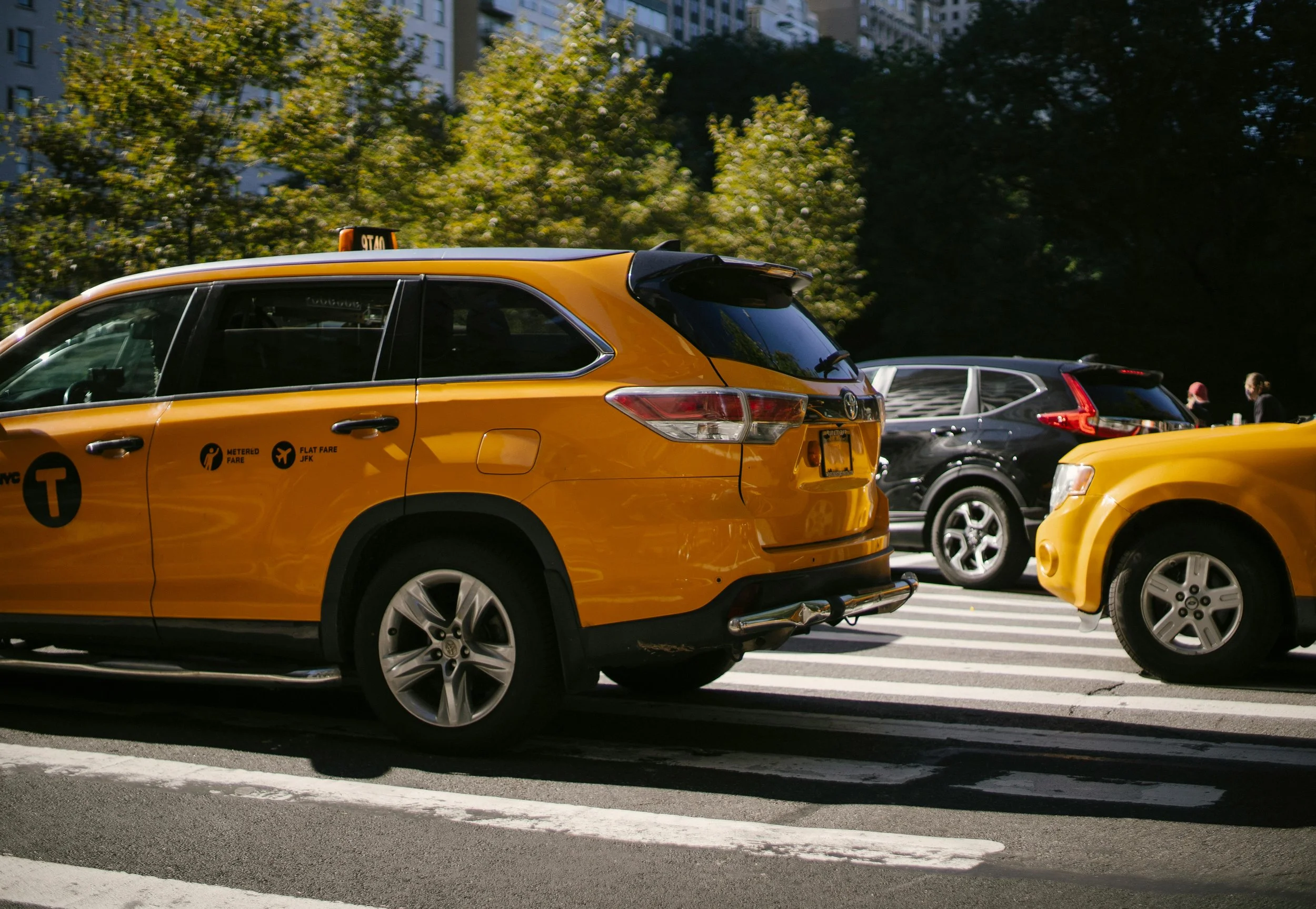
Image Source: Pexels

Start With What the City Already Publishes

NYC agencies publish a lot of street safety data, and most of it is easy to use once you know what to look for. In fact, crash maps, corridor studies, and safety redesign plans can tell you things you will never see on a Saturday afternoon open house.

According to research by the NYC Department of Transportation, which shares long term trends through its Vision Zero updates, you can spot patterns of risk by reviewing how intersections have performed over time. Their reports break down crashes, injuries, and the specific types of improvements added to various blocks. These city documents often highlight signal upgrades, daylighting zones, and curb extensions, letting you compare what is promised versus what actually exists on the ground.

Another helpful resource is a review written by a transportation analyst on Medium, which looks at how congestion policy reshaped crash patterns in 2025. The analysis walks through how certain corridors saw increases or decreases in speed, conflicts, and injuries, which can help you think about the traffic flow around a potential new home.

What to check on a crash map

If you pull up NYC crash data, look for:

  • Total crashes within one to two blocks

  • Injury patterns involving pedestrians

  • High conflict intersections vs quieter side streets

Walk the Block Like a Local

Street safety is not just data. It is also what the block feels like at different times of day. A street that seems quiet on a Sunday afternoon may be very different at rush hour.

What to observe when you visit

Head out early in the morning and again at the evening peak. Watch how drivers behave near the corner. See whether pedestrians have enough time to cross, and whether turning cars yield properly. Time the signal yourself to see if the walk phase is short. Look for bike lane markings, delivery activity, and blocked visibility at corners.

You also need to have a handle on the laws around right of way, why accidents at intersections and crosswalks make them high-risk zones for pedestrians and so how you evaluate the area based on this info. It pays to be aware of what happens when crashes occur and what factors typically contribute to them. You can weave this into your decision making as you compare blocks.

Look for Visual Clues That Predict Safety

Not all street improvements are obvious, but many are easy to spot if you know what to look for.

Leading pedestrian intervals

These give people a short head start before traffic moves. If the walk signal appears a few seconds early, that is a sign the city has already flagged this as an area needing extra protection.

Curb extensions

Also called bulb outs, they shorten the crossing distance and slow turning cars. A corner with these features is usually safer than one without them.

Daylighting zones

These are no parking areas at corners that improve sightlines. If cars are pulled right up to the crosswalk, visibility is weaker and conflicts are more likely.

Talk to People Who Already Know the Block

Brokers might downplay noise or traffic issues, so ask questions that require specifics. For example: When is the corner busiest. Do delivery trucks idle here. How often do you see emergency vehicles on this block. Neighbors, on the other hand, can provide honest, real world input about which intersections feel dicey or which blocks are tough for kids or seniors to navigate.

You can also look at the latest Community Board agendas. Many boards discuss pending or proposed street redesigns. A street scheduled for improvements may see better safety in the future. A street with no plans could stay risky.

Check How Street Safety Affects Value

Buyers sometimes underestimate how much quality of life and resale value depend on the immediate streetscape. A safer-feeling block tends to attract more foot traffic, lower noise levels, and more stable demand. This can matter a lot if you plan to sell in a few years, and also means you don’t need to envy elite neighborhoods of the city in terms of safety.

A calm, pedestrian friendly street also tends to support local shops and cafes, improving the overall experience of living there. If safety upgrades are already in place, that is one less unknown for future buyers.

What to Take Away About NYC Street Safety

By mixing city published crash data, observations from your own street visits, and insights from neighbors and local boards, you can form a realistic view of street safety. NYC has blocks that look rough but perform surprisingly well, and blocks that look charming but hide risky intersections just out of sight. Doing the homework now makes your future day to day life smoother.

A little extra research goes a long way, and it can help you feel more confident as you choose the block that truly fits your life.

/
script>