Best Tips for a Smooth Long-Distance Move

A long distance move usually starts with something small that turns into a chain reaction. You notice your lease end date, you remember your building’s move rules, and then you realize your “one weekend” plan is not really a plan yet. Even if you are organized, the pressure creeps in because there are more moving parts than a local hop.

What helps most is getting the basics lined up early, like dates, access, and who is actually responsible for each step. That is also where a broker can take some weight off, because you are not trying to coordinate ten calls while packing your kitchen. 

Coastal Moving Services connects long distance moves to FMCSA authorized carriers and keeps the schedule, options, and paperwork in one place, so you can focus on decisions that matter. Once those pieces are set, the rest of the move feels less like guesswork and more like a simple sequence.

Photo by SHVETS production

Set Your Dates And Building Rules

Most move stress comes from timing that does not line up. Elevators need reservations, buildings have move windows, and carriers run on route schedules. Write down your hard dates first, then build the plan around them.

Next, note every access detail that could slow the day down. Think loading docks, stairs, parking rules, and whether a big truck can even fit. If you are leaving New York, your curb plan matters just as much as your boxes.

A quick list keeps “small” issues from growing into real delays. Include building contact numbers, COI needs, pet plans, and where your keys will be handed off. If you are still choosing a place, the neighborhood feel can change your daily logistics, like commute time and grocery runs, so it helps to skim a guide like this one on NYC’s top residential neighborhoods before you lock decisions.

Make A Simple List Of Your Items

A long distance move has more handoffs, so memory is not enough. You want a record that makes sense when you are tired and standing in a new doorway. The goal is not perfection, it is clarity.

Start with a simple room list, then add high value items and fragile pieces. Take wide photos of each room, then close ups of serial numbers and existing damage. That way, you can spot changes fast without turning it into a whole investigation.

Use labels that match how you live, not how you “should” pack. “Kitchen, daily” beats “Kitchen, box 7,” because you will be hunting basics first. If you want a clean method, keep it tight with a three part label system:

  1. Room name and priority (Daily, Week One, Storage)

  2. What is inside in plain words (Plates, Cords, Jackets)

  3. Any warning (Fragile, This Side Up, Do Not Stack)

For consumer rights and basic rules that apply to interstate household goods, it is worth reading the FMCSA guidance at Protect Your Move. It explains estimates, paperwork, and what to watch for with carriers.

Choose The Help You Actually Need

Not every move needs full packing, but most people need some help. The trick is being honest about time, stairs, and how much you can lift safely. A blended plan often works best, where pros handle breakables and bulky furniture.

Ask what is included, then ask what is not included, because that is where budgets get weird. Materials, long carry fees, storage handling, and shuttle trucks can shift the total. A transparent estimate should spell those out in plain language.

Storage also changes the rhythm of your move, so plan it like a separate job. If you might store items, confirm how inventory is tracked and how access works. A broker can coordinate packing, storage, and vehicle transport under one plan, which keeps you from juggling three unrelated schedules.

If you are packing yourself, set a steady pace with small wins. The “one room a night” approach beats a frantic weekend sprint. This is also where a solid set of packing basics helps, like the kind covered in moving and packing tips, since it keeps breakage and last minute supply runs down.

Sort Paperwork And Address Changes Early

The admin part feels boring until it hits you all at once. Your bank text arrives at the old address, your internet install is late, and the new job needs proof. A checklist saves you from that spiral.

Start with what affects money and access first. Update your employer, payroll, bank, credit cards, insurance, and medical providers. Then line up utilities, trash service, and building requirements, since those can block move in.

For mail forwarding, the USPS online change of address option is the cleanest single step for most people. You can start it at USPS Change of Address, then follow up with direct updates for anything that matters. Keep one folder, digital or paper, for receipts, estimates, and signed documents.

Also, give yourself a “first week kit” that lives in your car or suitcase. Include chargers, meds, a few outfits, basic tools, and cleaning wipes. You will feel more settled on night one, even if boxes still cover the floor.

Keep The Last Week Calm And Organized

The last week is where good plans can wobble, mostly from fatigue. Your goal is fewer decisions, not more hustle. Eat normal meals, sleep when you can, and keep your phone charged.

Two days before pickup, walk your home like a guest seeing it fresh. Open closets, check behind doors, and scan cabinets for what gets missed. Put anything you do not want loaded into one marked corner, then tell everyone in the home what that corner means.

On delivery day, lead with safety and flow. Clear a path, protect floors, and place a few signs so boxes land in the right rooms. Then check your inventory as things arrive, note issues right away, and keep the paperwork in one spot so nothing disappears.

A smooth long distance move is rarely about one perfect trick, it is about a steady plan that fits your life and your dates. Tight timelines feel lighter when you track your inventory, confirm access details early, and keep admin tasks on a simple checklist. You will still feel tired, but you will also feel in control when the truck doors open.

Energy Casino: a platform for fair and secure gaming

Introduction

The digital realm has transformed how we play, bringing the thrill of the casino right to our fingertips. Energy casino stands as a prominent name in this exciting landscape, but with the rise of online gaming, a crucial question arises: How can players be sure they're getting a fair and secure experience? It's easy to get caught up in the flashing lights and enticing bonuses, but behind the scenes, there's a complex web of regulations, technologies, and practices designed to ensure that every spin, every hand, and every roll of the dice is conducted with integrity. Understanding these safeguards is not just smart; it's essential for navigating the world of online casinos with confidence. So, let's pull back the curtain and explore how Energy Casino, and the industry as a whole, works to maintain a trustworthy environment where players can enjoy themselves without worry.

Energy Casino's Commitment: A Closer Look

When evaluating online gaming platforms, one crucial aspect often overlooked is the operator's commitment to fairness and safety. Having examined various players in the industry, Energy Casino stands out regarding its dedication to creating a secure and equitable environment for everyone involved.

Energy Casino understands its reputation hinges on the trust it cultivates with its customers, employees, and stakeholders. This understanding permeates every level of the organization, influencing its policies and practices. The commitment to "safe and fair" isn't just a marketing slogan; it's a deeply ingrained philosophy that governs their operations.

What sets Energy Casino apart is the proactive nature of its approach. Rather than simply adhering to minimum regulatory requirements, they consistently seek ways to enhance their security protocols and promote ethical conduct. For example, they have invested heavily in advanced fraud detection systems that go beyond industry standards, providing an additional layer of protection for their players. The platform uses sophisticated algorithms to prevent underage gambling.

Employees are well-trained, especially in responsible gambling, and procedures are implemented to identify and help players with potential gambling problems, surpassing the level of care implemented by other platforms. This commitment to a safe, fair experience extends to all areas of the business, making Energy Casino a platform that prioritizes responsibility and integrity.

Tips for Choosing a Safe and Fair Online Casino

Choosing a safe and fair online casino can feel like navigating a minefield. Flashy websites and tempting bonuses are designed to lure you in, but beneath the surface can lie unfair practices or outright scams. The key is to approach your search with a healthy dose of skepticism and a proactive research strategy.

Begin by looking beyond the advertised promises. Every casino boasts of being the "best," but what truly matters is their licensing and regulation. A reputable online casino will be licensed by a recognized authority, like the Malta Gaming Authority or the UK Gambling Commission. This information is usually displayed at the bottom of the casino's homepage. Don't just take their word for it, though. Verify the license’s validity on the regulator's website.

Scrutinize the casino's security measures. Look for SSL encryption, which protects your financial and personal data. Also, delve into the casino's reputation. Search for player reviews and complaints on independent forums. While every casino will have some negative feedback, a pattern of unresolved issues or accusations of unfair practices is a red flag.

Examine the casino's game selection and software providers. Reputable casinos partner with established and trustworthy software developers. Also, a fair online gaming experience hinges on transparency. Ensure the casino's games are provably fair, meaning the outcome of each game can be independently verified. Trust your gut. If something feels off, it probably is. There are countless online casinos, so there's no need to settle for one that makes you uneasy.

Licensing and Regulation: The Foundation of Trust

Casino licensing and regulation are the cornerstones of trust in the online gambling world. Regulatory bodies like the Malta Gaming Authority (MGA) and the UK Gambling Commission (UKGC) play a vital role in overseeing casinos like Energy Casino, ensuring they operate fairly and responsibly. These organizations don't just hand out licenses; they set strict standards that casinos must meet to obtain and, crucially, maintain their licensed status.

Casino licensing entails a thorough vetting process. Casinos must demonstrate financial stability, implement robust security measures to protect player data, and prove the fairness of their games through independent testing. They also need to have responsible gambling measures in place, like options for self-exclusion and deposit limits, to protect vulnerable individuals. Think of it this way: a casino license isn't just a piece of paper; it's a commitment to operate with integrity. Playing at a licensed casino offers significant protection. If a dispute arises, players have recourse through the regulatory body.

The implications of playing at an unlicensed casino are serious. Without regulatory oversight, there's no guarantee of fair play or that winnings will be paid out. Unlicensed casinos often lack adequate security measures, leaving players vulnerable to fraud and identity theft. It's essentially like playing in the Wild West – buyer beware!

Understanding Different Licensing Jurisdictions

The online gambling world is governed by a patchwork of licensing jurisdictions, each with its own rules and level of oversight. While the MGA and UKGC are widely regarded as reputable, other jurisdictions like Gibraltar also play a role. Some jurisdictions are perceived – in my experience – as having somewhat less stringent requirements than others. The important thing is that Energy Casino holds a license indicating adherence to established online gambling laws.

Fair Play Guaranteed: Understanding RNGs and Auditing

Random Number Generators (RNGs) are the backbone of fair outcomes, especially in online casinos. Forget loaded dice or marked cards; RNGs use complex algorithms to produce completely unpredictable sequences. Think of it as a super-powered coin flip – each outcome is statistically independent of the last. This ensures every spin of the reels or deal of the cards is truly random. Securing all users a fair shot.

But how do you know these algorithms are on the level? That's where independent audits come in. Third-party testing agencies put RNGs through rigorous simulations, running billions of trials to check for any patterns or biases. This ensures the games match the expected statistical distribution. Think of it as stress-testing the system to make sure it holds up under pressure. If an RNG passes muster, it receives a certification of fairness.

The Role of Third-Party Testing Agencies

Leading agencies like eCOGRA and iTech Labs are the watchdogs of the iGaming world. These organizations subject casino games to intense scrutiny, analyzing payout percentages, assessing the RNG's randomness, and reviewing the game's code. But, players needs to look deeper, as fake certifications can be bought. Look for transparency, a solid reputation, and check if the certificate is verifiable on the agency's website.

Security Measures: Protecting Your Data and Funds

Energy Casino takes casino security extremely seriously, employing a multi-layered approach to data protection. Robust measures are in place to ensure a safe and secure environment for all users. Online transactions are secured with SSL encryption technology, which scrambles sensitive data as it travels between you and the casino's servers. This makes it virtually impossible for hackers to intercept your personal or financial information, ensuring data privacy. Energy Casino utilizes secure payment methods and implements rigorous protocols to prevent fraud and unauthorized access to your funds. These security measures are crucial in preventing the type of security breaches that unfortunately happen in the online gaming industry. Energy Casino is committed to safeguarding your financial well-being.

Two-Factor Authentication (2FA) and Account Security

For enhanced online safety, enabling Two-Factor Authentication (2FA) is highly recommended to protect your account. 2FA provides an extra layer of security by requiring a unique code from your phone, in addition to your password, when logging in. While Energy Casino uses secure passwords, creating a strong, unique password and protecting your account information is crucial. This includes avoiding easily guessable passwords and being cautious about phishing attempts. This practice makes it significantly more difficult for unauthorized individuals to gain access to your account, even if they somehow obtain your password.

Responsible Gaming: A Commitment to Player Well-being

Energy Casino understands that gaming should be an enjoyable pastime. They back this up with a real commitment to responsible gaming, providing a range of tools and resources designed to help players manage their activity and stay in control. This isn't just lip service; it's woven into their operations. Players have access to features like setting personal deposit limits, allowing them to control how much they spend. For those needing a break, Energy Casino offers self-exclusion programs, enabling players to temporarily or permanently restrict their access to the platform. They also provide easy access to external organizations that specialize in gambling addiction support, ensuring players have access to professional help if needed. Energy Casino takes responsible gaming seriously, putting player well-being first.

Addressing Common Concerns and Misconceptions

A persistent myth surrounding online casinos is the notion that they're inherently rigged, designed to systematically rob players. This perception, fueled by anecdotal losses and a general distrust of online platforms, couldn't be further from the truth for licensed and regulated casinos. One phrase frequently heard among doubtful players is, "the house always wins," leading to the assumption that any loss is predetermined.

However, misconceptions breed from a lack of understanding of how these platforms operate. Another casino misconception is mistaking variance for manipulation. A string of losses can feel suspicious, but it may simply be a statistical anomaly.

Conclusion

In conclusion, navigating the world of online casinos requires vigilance and a commitment to fair gaming. By understanding the mechanics of RNGs, the importance of licensing, and the role of independent audits, players can make informed choices. Platforms like Energy Casino, which prioritize transparency and security, offer a more reliable and enjoyable experience. Remember, the power lies with the player: choose wisely, play responsibly, and demand fairness in every game.

How Gourmet Catering Can Transform Your Next Event Post Preview


The Hallmarks of Exceptional Gourmet Catering Services

cater When we plan an event, the food often becomes its heart. It's much more than just a meal. It shapes the entire guest experience.

We believe that gourmet catering can truly transform any gathering. It lifts an event from simple to spectacular.

Unlike standard catering, gourmet services focus on a unique culinary journey. They bring artistic presentation and exceptional flavors. This guide will show how gourmet catering creates lasting impressions. We will explore how it ensures your event's success. We will also see how expert providers, like Scratch Catering and Fine Foods, make all the difference.

What is the primary definition of 'cater' as a verb?

At its core, the verb "cater" means to provide food and drink for an event or a group of people. However, its meaning extends beyond just culinary services. To "cater" can also mean to provide what a particular person or group needs or desires. For example, a company might cater to specific market demands, or a service might cater to a diverse range of client preferences. The word itself, as defined by Merriam-Webster, encompasses both the act of supplying food and the broader concept of providing what is required or desired. You can explore the various definitions and uses of 'cater' in detail through resources like the Merriam-Webster dictionary entry and its comprehensive unabridged version.

The global catering market is a significant industry, valued at USD 145.8 billion in 2022 and projected to grow at a compound annual growth rate (CAGR) of 4.8% from 2023 to 2030. This growth highlights the increasing demand for professional food services, both in the traditional sense of providing meals and in the broader context of meeting diverse client needs.

Key differences between standard and gourmet catering - cater infographic

Gourmet catering distinguishes itself through a commitment to culinary artistry, service excellence, and the meticulous sourcing of quality ingredients. It's about crafting an unforgettable guest experience where every detail is thoughtfully considered. We aim to lift events beyond mere sustenance, turning meals into memorable highlights.

chef plating gourmet dish - cater

Customized Menus and Culinary Innovation

One of the defining features of gourmet catering is the creation of bespoke menus. Unlike pre-set packages, a gourmet caterer works closely with clients to design a menu that perfectly reflects the event's theme, the host's preferences, and the guests' dietary needs. This involves:

  • Seasonal Ingredients: Prioritizing fresh, in-season produce ensures the highest quality and most vibrant flavors. This approach also supports local farmers and sustainable practices.
  • Creative Food Presentation: Gourmet dishes are not just delicious; they are visual masterpieces. Plating becomes an art form, with attention paid to color, texture, and arrangement, changing each plate into a feast for the eyes.
  • Farm-to-Table Concept: Many gourmet caterers accept a farm-to-table philosophy, sourcing ingredients directly from local farms and purveyors. This not only guarantees freshness but also supports community agriculture and provides unique flavor profiles.
  • Flavor Profiles: Expert chefs carefully balance flavors, textures, and aromas to create a harmonious and exciting culinary journey. This can involve innovative fusion cuisine or refined interpretations of classic dishes.

We pride ourselves on offering custom catering menus tailored to your unique vision, incorporating seasonal menu options and innovative catering ideas to delight your guests. When you partner with providers known for their Award-winning gourmet catering services, you gain access to a high level of culinary creativity, menu engineering, and strategic planning that can adapt to everything from intimate dinners to large-scale galas.

To illustrate, many clients begin with a broad theme—such as Mediterranean-inspired small plates or a modern Southern tasting menu—and then work with the chef to refine individual courses. This might include designing palate-cleansing intermezzos between heavier dishes, or pairing shared family-style platters with individually plated signature courses. Thoughtful sequencing of flavors and portion sizes ensures that guests remain engaged and satisfied throughout the event, rather than feeling overwhelmed or underserved.

Impeccable Service and Hospitality

Beyond the food itself, the service aspect of gourmet catering is paramount. It’s about creating a seamless and sophisticated experience for everyone involved.

  • Professional Staff: Highly trained and experienced staff, including chefs, servers, bartenders, and event managers, work in perfect synchronicity to ensure smooth execution. Their professionalism, attentiveness, and discretion are key to a refined event.
  • Attention to Detail: From the precise timing of each course to the immaculate table settings and the seamless flow of beverages, every minute detail is managed. This meticulous planning ensures that hosts can relax and enjoy their own event.
  • Seamless Execution: A gourmet caterer orchestrates every aspect of the dining experience, from kitchen operations to front-of-house service, ensuring that guests receive prompt, courteous, and efficient service without any visible effort.
  • Event Flow Management: We understand that food service is just one component of a larger event. Our team works to integrate the dining experience smoothly within the overall event timeline, ensuring natural transitions and maintaining the desired atmosphere.

Our commitment to impeccable service and hospitality ensures that you, as the host, can fully engage with your guests, confident that every aspect of the social events catering is flawlessly handled. This can include coordinating with entertainers and photographers so that courses are served at appropriate times, building in buffers for speeches and toasts, and adapting on the fly if timelines shift. A well-trained team anticipates guest needs—refilling glasses unobtrusively, adjusting seating when an unexpected guest arrives, and checking discreetly on dietary accommodations—so the event feels effortless from the guest’s perspective.

Sourcing Quality and Sustainable Ingredients

The foundation of any exceptional gourmet meal lies in the quality of its ingredients. Gourmet caterers go to great lengths to source the finest components.

  • Fresh Produce: We seek out the freshest fruits, vegetables, and herbs, often from local farms, ensuring peak flavor and nutritional value.
  • Local Sourcing: Supporting local producers not only guarantees freshness but also reduces the environmental footprint and contributes to the local economy.
  • Premium Meats and Seafood: Only the highest quality cuts of meat and sustainably sourced seafood make it onto a gourmet menu. This includes options like award-winning grits paired with exquisite proteins from our Category: Pasture Grazing and Category: Under the Sea selections.
  • Artisan Products: From handcrafted cheeses to artisanal breads and specialty oils, gourmet caterers often incorporate unique, high-quality products that lift the dining experience.
  • Sustainability Practices: Many gourmet caterers are committed to sustainable practices, including minimizing waste, using eco-friendly packaging, and sourcing ethically produced ingredients, such as those found in our Category: From the Coup for poultry.

In practice, this focus on ingredients influences not only taste but also menu design and preparation methods. For example, a caterer might build a menu around peak-season heirloom tomatoes, offering them in everything from amuse-bouches to composed salads, or feature a single responsibly sourced fish in several different formats across a multi-course meal. Attention to the origin of each ingredient also makes it easier to create menu cards and signage that tell a story, giving guests insight into local farms, small-batch producers, and traditional techniques. This narrative element can become a conversation starter, reinforcing the sense that your event is both carefully curated and thoughtfully connected to its community and environment.

Tailoring the Experience: Gourmet Catering for Every Occasion

Gourmet catering is not a one-size-fits-all service; it's about tailoring the culinary experience to the specific nature and atmosphere of each event. Whether it's an intimate gathering or a grand celebration, the right gourmet touch can create truly memorable moments.

stunning wedding reception food station - cater

Elevating Corporate Events with Gourmet Catering Services

For businesses, corporate events are crucial for building relationships, celebrating achievements, and reinforcing brand identity. Gourmet catering plays a pivotal role in making these occasions impactful.

  • Impressing Clients: A sophisticated menu and impeccable service reflect positively on your company, leaving a lasting impression on clients and partners.
  • Brand Reflection: The quality of the food and service can subtly communicate your brand's values – whether it's innovation, luxury, or attention to detail.
  • Employee Morale: Providing exceptional food at company events shows appreciation for employees, boosting morale and fostering a positive work environment.
  • Corporate Galas, Conferences, and Business Lunches: From neat sit-down dinners to executive business lunch delivery and comprehensive conference catering, gourmet caterers can handle the diverse needs of corporate functions.

We specialize in corporate catering, offering a corporate caterers catering guide and an ultimate guide to corporate catering to help you plan your next event, including DFW corporate events. Just as large enterprises like Caterpillar Inc. provide essential equipment and services that enable global infrastructure, gourmet caterers provide essential culinary and hospitality services that enable successful business interactions and celebrations.

In many corporate settings, timing and professionalism are just as important as taste. Food may need to be served within narrow breaks between sessions or adjusted to accommodate last-minute agenda changes. Experienced teams are adept at planning menus that travel well, hold their quality over time, and can be served efficiently to large groups without sacrificing presentation. They also understand corporate etiquette—such as avoiding overly messy items at networking receptions or ensuring that executives with dietary needs are discreetly and thoughtfully accommodated—so that the focus remains on relationship-building and key messaging.

Creating Unforgettable Weddings

Weddings are deeply personal celebrations, and the food should reflect the couple's unique story. Gourmet wedding catering goes far beyond serving a meal; it crafts a culinary narrative.

  • Wedding Breakfast Tradition: While often a misnomer for a midday or evening meal, the "wedding breakfast" holds historical significance. Modern wedding catering accepts this tradition by offering exquisite menus that honor the occasion. For more on the history and types of catering, including wedding catering, consult the Wikipedia article on Catering.
  • Menu Tastings: Couples can sample potential dishes, provide feedback, and ensure every item meets their expectations. This crucial step guarantees satisfaction on the big day.
  • Themed Cuisine: Whether it’s a rustic outdoor wedding or a glamorous ballroom affair, the menu can be designed to complement the theme, incorporating specific cultural dishes or regional specialties.
  • Signature Cocktails and Late-Night Snacks: Personal touches like custom cocktails and fun late-night bites add an extra layer of enjoyment and personalization for guests.

Our ultimate wedding catering guide and wedding food ideas can help you envision your perfect day. We offer creative wedding catering in DFW and serve as your dedicated wedding caterer, working with venues from Frisco wedding venues to Dallas wedding reception locations. A thoughtful caterer will also help you plan the overall flow of the day—from passed canapés during photos to plated courses, dessert displays, and late-night comfort foods—so that energy levels stay high and guests feel cared for at every turn.

Perfecting Social Gatherings

From intimate dinner parties to grand celebrations, gourmet catering transforms social events into extraordinary experiences.

  • Milestone Birthdays and Anniversaries: These significant life events deserve a menu that is as special as the occasion, with dishes that reflect personal tastes and celebrate cherished memories.
  • Holiday Parties: Whether it's a festive holiday catering menu or easy party food for a casual get-together, gourmet caterers can infuse the spirit of the season into every dish.
  • Private Dinners: For an exclusive, personalized experience, gourmet caterers can create a restaurant-quality meal in the comfort of your home, so you can focus on your guests.
  • Creating a "Wow" Factor: Unique presentations, unexpected flavor combinations, and interactive food stations all contribute to an unforgettable experience that leaves guests talking long after the event.

Explore our complete guide to social catering and find inspiration for home party catering, including unique party food and delightful brunch options for your next Arlington social events. For smaller gatherings, your caterer can help you decide whether a plated multi-course meal, a grazing-style reception, or cocktail-style service best fits your space and guest list. They may also suggest experiential elements—such as chef-attended carving boards, made-to-order pasta or taco stations, or dessert bars—that encourage mingling and add a playful element throughout the event.

The Planning Process: Partnering with Your Gourmet Caterer

Engaging a gourmet caterer is a collaborative journey to bring your event vision to life. The planning process is designed to be seamless and stress-free, guided by professional expertise.

Initial Consultation and Vision Casting

The first step is a comprehensive discussion to understand the core elements of your event. We dig into:

  • Defining the Event Vision: What is the purpose of your event? What atmosphere do you want to create? What kind of experience do you want your guests to have?
  • Budget Discussion: Establishing a realistic budget helps us guide your choices and propose options that align with your financial parameters.
  • Guest Count: An accurate guest count is crucial for menu planning, portioning, staffing, and logistics.
  • Venue Logistics: Understanding the venue's facilities, kitchen capabilities, and layout is essential for efficient planning and execution.
  • Dietary Restrictions: We carefully collect information on any allergies, dietary preferences (vegetarian, vegan, gluten-free), or religious dietary laws to ensure every guest is safely and deliciously accommodated.

This initial phase lays the groundwork for a successful event, ensuring every detail is captured. Feel free to contact us to get started on this exciting process.

During this stage, an experienced caterer can also help you prioritize where to invest more of your budget for maximum impact—whether that means a lifted main course, an elaborate dessert display, or improved bar offerings. They may conduct a walkthrough of your venue to identify ideal locations for bars, buffets, or action stations, and to assess power, water, and access points. Clarifying event flow early on, including arrival times, speeches, entertainment, and planned breaks, allows the culinary team to design a service plan that feels natural and unhurried.

The Art of the Tasting Session

The tasting session is one of the most enjoyable parts of planning your event. It's an opportunity to experience the culinary artistry firsthand.

  • Sampling Menu Items: You'll sample a selection of dishes proposed for your event, allowing you to taste the quality of ingredients and the chef's expertise.
  • Providing Feedback: This is your chance to offer comments, request adjustments, and fine-tune flavors to perfection.
  • Finalizing Selections: Based on the tasting, you'll finalize your menu, ensuring every dish is exactly what you envisioned.
  • Wine Pairing and Presentation Preview: Depending on your package, you might also discuss wine pairings and preview how dishes will be presented.

In addition to evaluating flavor, many clients use the tasting to review portion sizes, plateware options, and the pacing of a multi-course experience. You can discuss how each dish will accommodate dietary variations—such as providing a visually similar, plant-based alternative to a main course—so that all guests feel equally considered. The tasting is also a good time to address practical details, such as children’s meals, vendor meals, and the timing of toasts or special dances between courses.

Logistics and Day-of-Execution

The true test of a gourmet caterer lies in their ability to manage complex logistics and execute flawlessly on the day of the event.

  • Staffing Coordination: Ensuring the right number of skilled staff – from chefs and cooks to servers and bartenders – are in place and briefed on their roles.
  • Rental Management: Coordinating all necessary rentals, including tables, chairs, linens, dinnerware, and decor, to match your event's aesthetic.
  • Setup and Breakdown: Efficiently setting up all food stations, dining areas, and service zones before the event, and discreetly breaking down and cleaning up afterward.
  • Event Timeline: Adhering to a carefully planned timeline to ensure smooth transitions between courses, speeches, and other event activities.

A professional partner like Scratch Catering and Fine Foods manages these complexities, and it's where Award-winning gourmet catering services truly shine, allowing you to enjoy your event without a single worry. Behind the scenes, this can include building contingency plans for weather, traffic, or last-minute guest count changes; coordinating with other vendors such as planners, florists, and AV teams; and maintaining clear communication through a designated event captain. When every element—from refrigeration and transport to back-of-house workflow and final cleanup—is handled with precision, the result is an event that feels polished, cohesive, and memorable for you and your guests.

Frequently Asked Questions about Gourmet Catering

We understand that planning an event with gourmet catering can bring up several questions. Here, we address some of the most common inquiries to help you steer the process.

How far in advance should I book a gourmet caterer?

The ideal booking window largely depends on the type and scale of your event, as well as the time of year.

  • Weddings and Large Events: For weddings, especially during peak seasons (spring and fall), it's advisable to book your gourmet caterer 6 to 12 months in advance. This ensures availability and provides ample time for menu planning and tastings. Consult our ultimate wedding catering guide for more details.
  • Corporate Events: For significant corporate catering events, 3 to 6 months is generally recommended. Smaller corporate lunches or gatherings might require 1 to 3 months' notice.
  • Smaller Social Gatherings: For private dinners or other small social events, 1 to 3 months' notice is usually sufficient.
  • Venue Requirements: Some venues have preferred or exclusive catering lists or require caterers to be booked by a certain date. Always check with your venue first.

Booking in advance allows for thorough planning, customization, and ensures you secure the caterer best suited to your needs.

What is the typical cost of gourmet catering services?

While we cannot provide specific pricing information, the cost of gourmet catering is influenced by several factors, making each quote unique to the event.

  • Per-Person Pricing: Most caterers quote on a per-person basis, with the final cost depending on menu choices, the number of courses, and the complexity of dishes.
  • Service Style Impact: The service style (e.g., plated dinner, buffet, food stations, family-style) significantly affects staffing requirements and presentation, thereby influencing overall cost.
  • Menu Complexity and Customization: Highly specialized ingredients, intricate preparation methods, and extensive customization will naturally increase the cost compared to simpler menus.
  • Beverage Packages: Alcoholic and non-alcoholic beverages are often priced separately or bundled in tiered packages.
  • Additional Services: Costs may also include rentals (linens, dinnerware, glassware), floral arrangements, decor, and on-site event coordination.

We believe in transparency and will discuss all factors influencing your custom catering menus to provide a detailed and clear proposal. When comparing estimates, it’s helpful to review what is and isn’t included—such as service charges, overtime rates, cake-cutting fees, or corkage—so you have a realistic picture of the final investment and can make informed decisions about priorities.

Can gourmet caterers accommodate dietary restrictions?

Absolutely. Accommodating dietary restrictions and preferences is a standard practice for professional gourmet caterers. We understand the importance of ensuring every guest can enjoy the meal safely and comfortably.

  • Allergies: We take food allergies (e.g., nuts, shellfish, dairy, soy) very seriously and implement strict protocols to prevent cross-contamination.
  • Vegan and Vegetarian Options: A wide array of delicious, creative Vegetarian dishes is available, ensuring plant-based guests have satisfying choices beyond simple salads.
  • Gluten-Free: We can adapt many dishes to be gluten-free and offer dedicated gluten-free alternatives for items like bread and desserts.
  • Religious Dietary Laws: With advance notice, we can accommodate specific religious dietary requirements, such as kosher or halal, often by partnering with specialized suppliers.

During your initial consultation, it's crucial to provide a comprehensive list of all known dietary needs. This allows us to plan accordingly and craft a menu that is inclusive and delightful for everyone. To further understand the broader aspects of catering and its evolution, including how it adapts to diverse needs, you might find the Wiktionary entry for 'cater' insightful, as it covers the word's various linguistic applications. For a wider range of words related to providing or supplying, a thesaurus can be a valuable tool, offering terms that furnish, gratify, humor, indulge, provision, and supply needs.

Conclusion: The Lasting Impression of a Flawlessly Catered Event

Choosing gourmet catering is an investment in the overall experience of your event. It's about more than just food; it's about creating an atmosphere of sophistication, delight, and seamless hospitality. From the initial concept discussion to the final bite, every element is curated to leave a lasting impression on your guests and, most importantly, on you as the host.

The value of expertise, meticulous planning, and culinary artistry cannot be overstated. By partnering with expert providers like Made Scratch, you ensure that your vision is not only realized but lifted. We transform ordinary gatherings into extraordinary celebrations, crafting memories that will be cherished long after the last guest departs.

As you consider your options, reflect on what matters most for your event: a menu that showcases local ingredients, a service team that anticipates every need, or a highly customized experience that tells your story, course by course? A seasoned gourmet caterer can guide you through these choices, helping you balance creativity with practicality and budget. When these elements come together under the guidance of award-winning professionals, the result is an event where the food, service, and ambiance feel effortlessly aligned—leaving you free to be fully present in the moments that matter most.

Get Ready for Grilling Season: Pro Tips for BBQ Maintenance and Repair


The Essential Grill Maintenance Checklist: From Grates to Casing
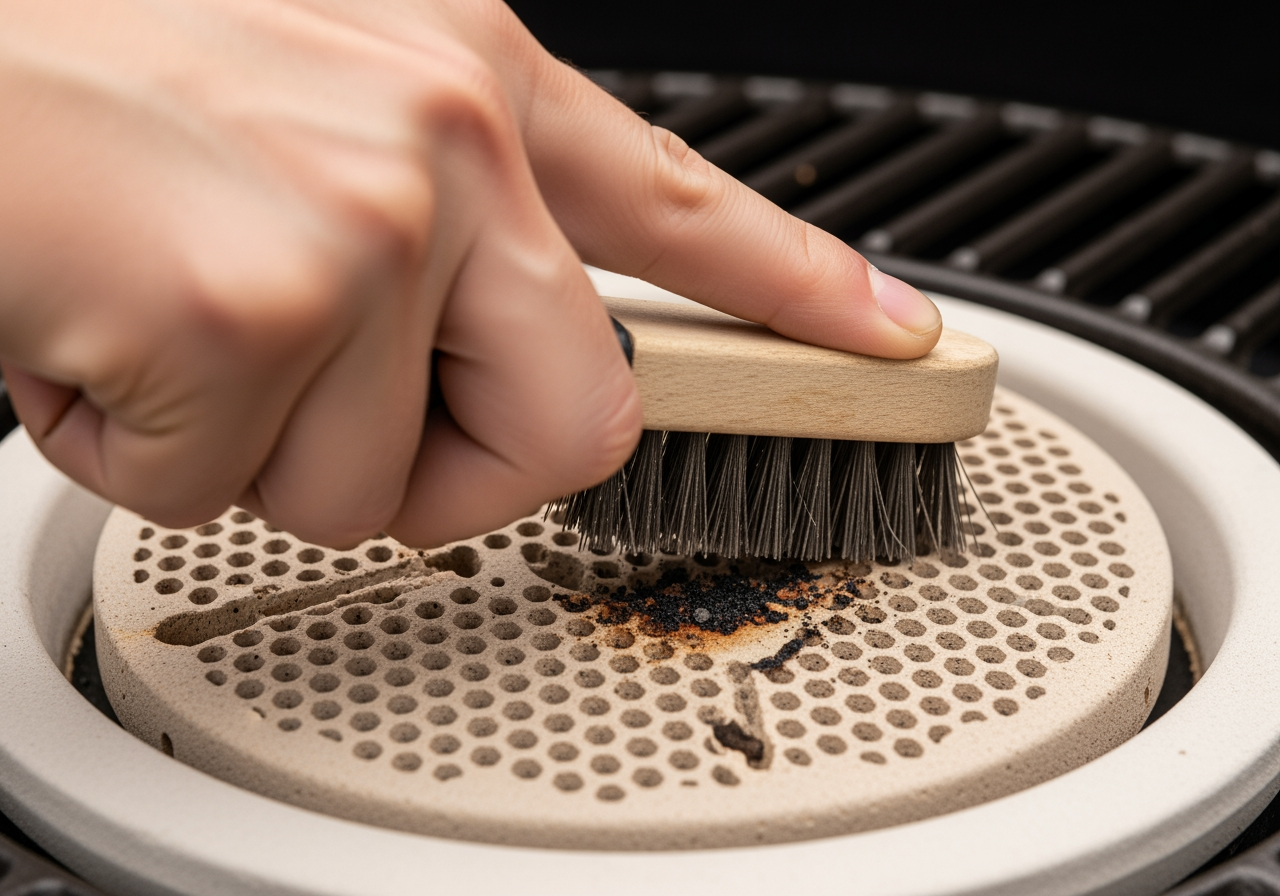
Infrared burner cleaning Grilling season is here! We all love the taste of perfectly cooked food from a clean grill. But a great grilling experience starts with proper grill care.

Many grill owners overlook regular maintenance. However, keeping your grill clean is vital. It improves food flavor, prevents dangerous flare-ups, and makes your grill last longer. A well-maintained grill also cooks more evenly. This ensures your food tastes great and your grilling is safe.

This guide will show you how to keep your BBQ in top shape. We'll cover general cleaning tips for all grills. Then, we'll dive into the specific care needed for unique components, like infrared burners. We'll also discuss troubleshooting common issues and when to consider professional help for comprehensive SoCal grill maintenance and infrared cleaning.

Maintaining your grill isn't just about aesthetics; it's about performance, safety, and longevity. A comprehensive cleaning routine ensures that your grill operates efficiently and safely, delivering delicious results every time. Whether you own a traditional gas grill or a high-tech infrared model, a regular maintenance checklist is your best friend.

Grill cleaning tools laid out (brush, scraper, gloves) - Infrared burner cleaning

Before you begin any deep cleaning or maintenance, always ensure your grill is completely cool and the gas supply is turned off (if applicable). Safety should always be your top priority. Gather your tools: a sturdy grill brush, a non-scratch scraper, heat-resistant gloves, warm soapy water, and a few microfiber cloths. These tools will be invaluable as we tackle the various components of your grill.

Cleaning the Cooking Grates

The cooking grates are arguably the most frequently used part of your grill, and thus, the most prone to food residue buildup. Proper cleaning of the grates is crucial for preventing food from sticking, ensuring even cooking, and maintaining hygiene.

Scraping Residue: After each grilling session, once the grill has cooled slightly but is still warm, use a grill brush to scrape off any leftover food particles. For stubborn, baked-on residue, a non-scratch scraper or a wooden grill scraper can be highly effective. The key is to remove as much debris as possible before it hardens. Some grill masters even recommend the "burn-off" method (which we'll discuss in detail for infrared burners) to incinerate residual food before brushing.

Soaking Grates: For a deeper clean, especially if your grates are heavily soiled, remove them from the grill. If they are cast iron, be cautious with soaking time to prevent rust. For stainless steel or porcelain-coated grates, you can soak them in a bucket of warm, soapy water for at least two hours, or even overnight. This helps to loosen grease and grime, making scrubbing much easier. After soaking, use a stiff wire brush (for stainless steel) or a soft nylon-bristled brush (for porcelain-coated or cast iron) to scrub away any remaining residue. Rinse thoroughly and dry completely to prevent rust.

Seasoning Cast Iron: If you have cast iron grates, seasoning them after cleaning is essential. Apply a thin layer of high-heat cooking oil (like flaxseed, grapeseed, or vegetable oil) to all surfaces of the grates. Then, place them back in the grill and heat it to a medium temperature for about an hour. This process creates a protective, non-stick layer and prevents rust.

Nylon vs. Wire Brushes: The type of brush you use matters. Stiff wire brushes are excellent for durable stainless steel grates, effectively removing tough grime. However, for porcelain-coated or cast iron grates, wire brushes can scratch the surface, leading to chipping or rust. For these materials, opt for a soft nylon-bristled brush or a specialized grill brush designed for delicate surfaces. Always inspect your brush for loose bristles before and after use to avoid any ending up in your food.

Preventing Food from Sticking: Beyond cleaning, a simple trick to prevent food from sticking is to lightly oil your grates before each use. Once your grill is preheated, dip a paper towel in cooking oil and, using tongs, carefully wipe down the grates. This creates a barrier that helps release food easily.

Deep Cleaning the Grill's Interior

Beyond the grates, the interior components of your grill also accumulate grease and carbonized residue. Neglecting these areas can lead to uneven heating, flare-ups, and premature wear.

Heat Shields and Flavorizer Bars: These components sit directly below the grates and above the burners, designed to distribute heat evenly and vaporize drippings to create flavor. Over time, they become coated with baked-on grease. Remove them and scrape off any loose debris with a plastic putty knife or a non-abrasive scraper. For stubborn buildup, a wire brush can be used on stainless steel versions, followed by a good scrub with warm, soapy water. Rinse and dry thoroughly.

Drip Trays and Grease Management: The drip tray is designed to catch excess grease and food particles that don't vaporize. This is a critical area for fire prevention. Empty and clean the drip tray after every few uses, or more frequently if you cook fatty foods. For permanent drip pans, wash them thoroughly with hot, soapy water. If you use disposable foil liners, replace them when soiled. Neglecting the drip tray allows flammable grease to accumulate to dangerous levels, increasing the risk of grease fires.

Firebox Cleaning: The firebox, or the main body of the grill, can accumulate ash, carbonized grease, and debris. Once the grill is completely cool, use a plastic putty knife or a similar non-abrasive tool to gently scrape off any buildup from the interior walls. For porcelain-coated grill walls, use a cloth or scrub pad with warm, soapy water, then wipe clean with fresh water. Sweep any loose ash and debris into a dustpan for safe disposal. It's important to remove this buildup, as it can affect heat distribution and create unpleasant odors.

Carbonized Grease: What often looks like peeling paint or enamel on the inside of your grill's lid or firebox is usually carbonized grease residue. This isn't a defect in the grill's finish but rather layers of baked-on food and grease. It can be removed by soaking and cleaning with fat-dissolving agents and hot water.

Exterior and System Checks

While the interior gets most of the grime, the exterior and internal systems also require attention for both aesthetics and functionality.

Stainless Steel Polish: For stainless steel exteriors, a simple wipe-down with warm, soapy water and a soft cloth is usually sufficient for light cleaning. For a streak-free shine, follow up with a specialized stainless steel cleaner and polish. Always wipe in the direction of the grain to avoid scratches.

Gas Hose Leak Test: Safety is paramount with gas grills. At the beginning of each grilling season, or if you suspect a leak, perform a gas hose leak test. Mix a solution of equal parts dish soap and water. With the gas tank valve open (and the grill burners off), brush the soapy solution over all gas connections and the entire length of the hose. If you see bubbles forming, you have a gas leak. Immediately turn off the gas, tighten connections, and retest. If the leak persists, replace the hose or contact a professional.

Ignition System Inspection: A reliable ignition system is key to a hassle-free grilling experience. Check the igniter electrodes for corrosion or damage. Gently clean any debris with a soft, dry toothbrush. Ensure the igniter wires are securely connected. If your igniter isn't sparking, check the battery (if applicable) and connections.

Grill Stability: Periodically check that your grill is stable and all wheels (if any) are functioning correctly. Tighten any loose bolts or screws. A stable grill prevents accidents and ensures safe operation.

Specialized Care: A Guide to Infrared Burner Cleaning

Infrared burners represent a significant leap in grilling technology, offering incredibly high temperatures and even heat distribution for perfect searing. However, their unique design, often involving ceramic tiles with thousands of tiny ports, requires a specialized cleaning approach. Unlike traditional tube burners, infrared burners are more delicate and susceptible to damage from improper cleaning methods.

Close-up of an infrared burner's ceramic plate - Infrared burner cleaning

Infrared technology works by superheating a ceramic surface, which then emits intense radiant heat directly to your food. This high-heat cooking means most drippings vaporize upon contact, reducing flare-ups and making cleanup seem easier on the surface. However, residue can still accumulate in the ceramic pores or the burner's internal components, impacting performance.

Routine Maintenance: The Burn-Off Method

The "burn-off" method is not just a helpful tip; it's the cornerstone of routine infrared burner maintenance. Its effectiveness lies in the extreme heat generated by these burners.

Post-Cook Cleaning: Immediately after you finish cooking, while the grill is still hot, close the lid and turn your infrared burner(s) to their highest setting.

High Heat & Duration: Allow the burner to run on high for 5-15 minutes. The exact duration can depend on how messy your cooking session was. This intense heat (often reaching 900-1800°F) will incinerate most of the food drippings, marinades, and grease that have accumulated on the ceramic surface and the cooking grates directly above it.

Vaporizing Grease & Incinerating Residue: This process effectively turns organic matter into fine ash. The extreme temperatures cause most drippings to evaporate as soon as they hit the burner, but the burn-off handles any lingering residue.

Burner Longevity: This routine practice is crucial for maintaining the efficiency and longevity of your infrared burner. It prevents buildup from clogging the tiny ports in the ceramic tiles, ensuring consistent heat output and preventing uneven flames or cold spots.

After the burn-off, turn off the grill and let it cool completely. Once cool, you can gently brush away any remaining ash with a soft-bristled brush.

Advanced Infrared Grill Maintenance

While the burn-off method handles most routine cleaning, periodic deeper cleaning is necessary to address more stubborn blockages and internal components.

Ceramic Ports and Wooden Toothpick: The ceramic tiles on an infrared burner have thousands of tiny ports through which gas flows. Over time, these can become clogged with carbonized residue, affecting the flame pattern and heat output. Never use metal objects like wire brushes or skewers to clear these ports, as they can damage the delicate ceramic. Instead, use a wooden toothpick to carefully poke through any visibly clogged holes. This gentle approach helps restore proper gas flow without harming the ceramic.

Soft Brush: For general cleaning of the ceramic surface after it has cooled, a soft-bristled brush is ideal. Gently sweep away any ash or loose particles. Avoid abrasive brushes or steel wool, which can scratch or damage the ceramic.

Venturi Tubes and Orifice Cleaning: The Venturi tubes are where gas mixes with air before reaching the burner. The orifice is a tiny opening that controls the gas flow into the Venturi tube. These components are critical for proper burner operation. Spiders and insects often build nests in Venturi tubes, causing blockages that can lead to uneven flames, popping sounds (known as "flashbacks"), or even dangerous gas buildup.

To clean:

  1. Remove the Burner: Carefully remove the infrared burner from the grill. Consult your grill's manual for specific instructions, as this can vary by model.
  2. Clean Venturi Tubes: Use a Venturi brush (a long, flexible brush designed for this purpose) to clear out any debris, spiderwebs, or insect nests from inside the Venturi tubes.
  3. Clean Orifices: The orifice is typically located at the end of the gas valve where it connects to the Venturi tube. Use a small, thin wire (like a straightened paper clip – but only if your manufacturer recommends it, otherwise avoid poking the orifice as it can enlarge it and cause calibration issues) to gently clear any obstructions from the orifice. If you're unsure, it's best to leave orifice cleaning to a professional or refer strictly to your grill's manual.

Spider Webs: These are a common culprit for burner issues. Regularly inspecting and cleaning Venturi tubes can prevent these blockages and ensure safe, efficient grilling.

Tools for Infrared Burner Cleaning:

  • Soft-bristled grill brush: For gently sweeping ash from ceramic.
  • Wooden toothpicks: For clearing clogged ceramic ports.
  • Venturi brush: For cleaning inside Venturi tubes.
  • Non-scratch scraper: For general grill interior cleaning.
  • Heat-resistant gloves: For safety during cleaning.
  • Warm, soapy water: For cleaning grates and other components (but not the ceramic burner itself).

Troubleshooting Common Infrared Burner Issues

Even with diligent cleaning, you might encounter specific issues with your infrared burner. Knowing how to troubleshoot can save you time and potentially prevent costly repairs.

Wet Burners: Never use water or liquid chemicals directly on the ceramic tiles of an infrared burner. If your burner accidentally gets wet (e.g., from rain or an accidental spill), it's crucial to dry it thoroughly before use.

  1. Remove and Drain: Carefully remove the wet burner from the grill.
  2. Dry Completely: Turn the burner upside down to drain any trapped water. Allow it to air dry completely, which can take anywhere from overnight to several days, depending on humidity. You can place it in a warm, dry area to speed up the process.
  3. Test: After it's completely dry, reinstall the burner and test it. If it still pops, flares excessively, or doesn't turn a consistent cherry orange within 5 minutes of ignition, the ceramic may be permanently damaged and the burner might need replacement. Burner failure due to wetness is typically not covered under warranty.

Popping Sounds: A popping or booming sound, often accompanied by an uneven flame pattern, usually indicates a blockage in the gas flow. This is frequently caused by clogged ceramic ports or obstructions in the Venturi tubes (often spiderwebs). Follow the advanced cleaning steps above for ceramic ports and Venturi tubes. If the issue persists, it could indicate a more serious problem with the gas regulator or burner assembly.

Uneven Flames: If your infrared burner isn't heating evenly or has "cold" spots, it's a clear sign of clogged ports on the ceramic tile. Use a wooden toothpick to clear these ports as described earlier.

Cracked Ceramic: Inspect your ceramic tiles regularly. Cracks or chips in the ceramic are a serious issue. A cracked tile can cause gas to escape unevenly, leading to dangerous flare-ups, inconsistent heating, and potential burner failure. Unfortunately, a cracked ceramic tile usually means the entire burner needs to be replaced. Continuing to use a burner with a cracked ceramic is not safe.

When to Call a Pro: While many cleaning and minor troubleshooting tasks can be handled at home, there are times when professional intervention is necessary. If you've followed all cleaning steps and your burner still malfunctions, if you suspect a gas leak, or if you're uncomfortable disassembling grill components, it's always best to consult with experts. For issues like persistent popping, significant gas flow problems, or damaged components that require replacement, professional grill services offer the expertise and specialized tools needed. They can diagnose complex issues, perform intricate repairs, and ensure your grill operates safely and efficiently. You can find reliable assistance for such needs through dedicated grill repair and maintenance services.

Advanced Grill Maintenance and Repair Fundamentals

Beyond routine cleaning, understanding basic maintenance and repair can significantly extend the life of your grill and ensure it's always ready for action. This involves knowing when a part is at the end of its life and how to safely replace common components.

Person wearing gloves inspecting a gas line on a grill - Infrared burner cleaning

Identifying When Parts Need Replacement

Regular inspection is key to identifying worn or damaged parts before they cause major issues or compromise safety.

Worn Burners: Over time, even the most durable burners can corrode or develop holes, leading to uneven heat distribution and reduced performance. For infrared burners, look for significant discoloration, crumbling ceramic, or persistent uneven flames even after cleaning. For traditional tube burners, check for rust-through or large cracks. If a burner is severely compromised, it will need to be replaced.

Cracked Grates: Cooking grates can crack, warp, or rust over time. Cracks can harbor bacteria and make food stick, while warping leads to uneven cooking. Rust, especially on cast iron, can be managed with cleaning and seasoning, but severe rust might necessitate replacement.

Rusted Heat Shields: Heat shields (or flavorizer bars) protect burners from drippings and help vaporize grease. If they are severely rusted or have large holes, they won't perform their function effectively, leading to flare-ups and burner damage.

Faulty Igniters: If your igniter consistently fails to spark, even after checking connections and batteries, it's likely faulty. A reliable igniter is crucial for convenient and safe grill startup.

Uneven Heating and Performance Decline: If your grill consistently exhibits cold spots, takes an unusually long time to heat up, or struggles to maintain temperature despite proper cleaning and gas flow, it could be a sign that multiple components are degrading and may need replacement. Sometimes, a full set of new burners, heat shields, and grates can breathe new life into an aging grill. For all your grill replacement needs, from igniters to full burner assemblies, explore reliable providers of Grill Replacement Parts.

A Basic Guide to DIY Grill Repair

While complex repairs should be left to professionals, many common issues can be addressed with a bit of know-how.

Safety First: Before attempting any repair, always turn off the gas supply at the tank or natural gas line. Disconnect the gas tank if you're working on a propane grill. Ensure the grill is completely cool. Wear appropriate safety gear, including gloves and eye protection.

Gas Supply Off: This cannot be stressed enough. Working on a gas grill with the gas supply connected is extremely dangerous.

Replacing an Igniter:

  1. Access: Locate the igniter assembly, usually near the control panel or inside the firebox.
  2. Disconnect: Carefully disconnect the igniter wire from the module and remove any mounting screws or clips holding the old igniter in place.
  3. Install New: Install the new igniter, ensuring the electrode is positioned correctly relative to the burner. Reconnect the wire.
  4. Test: Turn on the gas supply and test the new igniter.

Replacing a Burner Tube (Traditional Gas Burners):

  1. Remove Grates/Heat Shields: Remove all cooking grates and heat shields to access the burners.
  2. Disconnect: Disconnect the burner from the gas valve orifice. This usually involves removing a screw or lifting it out of a bracket.
  3. Remove Old: Slide the old burner out of the firebox.
  4. Install New: Slide the new burner into place, ensuring it aligns correctly with the gas valve orifice. Secure it with any necessary screws or clips.
  5. Test: Reinstall heat shields and grates, turn on gas, and test for even flame.

Sourcing Replacement Parts: When replacing parts, always opt for genuine manufacturer parts or high-quality aftermarket equivalents that are specifically designed for your grill model. Using incorrect parts can compromise performance and safety. Many online retailers and specialty stores offer a wide range of grill parts. For a comprehensive range of services, including expert diagnostics and reliable repairs, consider professional Grill Services.

Frequently Asked Questions about Grill Maintenance

We often encounter similar questions from grill enthusiasts looking to keep their barbecues in prime condition. Here are some quick answers and expert tips to address common concerns.

How often should I deep clean my entire grill?

The frequency of cleaning depends on how often you grill and what you cook.

  • After 3-5 Uses (Lighter Cleaning): After every 3-5 grilling sessions, we recommend a thorough lighter cleaning. This involves the burn-off method (for infrared burners), cleaning grates, emptying drip trays, and wiping down interior surfaces. This prevents heavy grease buildup.
  • Biannual Inspection: At least twice a year, an infrared grill should be inspected for wear, paying close attention to any damage to the heating element, the infrared plate, and the grate. This is a good time to check for cracks, corrosion, and proper function of all components.
  • Annual Deep Clean: Once a year, ideally before the peak grilling season or at the end of it, disassemble your grill for a comprehensive deep clean. This means removing all internal components (grates, heat shields, burners) and cleaning the firebox, manifold, and exterior thoroughly. This annual overhaul helps address hidden issues, prevent long-term damage, and ensures your grill is ready for another year of delicious meals.

Can I use oven cleaner on my grill?

No, absolutely not. Oven cleaners contain highly caustic chemicals that are designed to strip away baked-on grease from oven interiors. These chemicals are far too harsh for grill surfaces, especially for delicate components like infrared ceramic tiles, stainless steel, or porcelain coatings. Using oven cleaner can:

  • Damage Finishes: It can strip protective coatings, discolor stainless steel, and erode aluminum parts.
  • Corrode Components: The chemicals can cause premature corrosion and rust on metal parts.
  • Leave Toxic Residue: If not thoroughly rinsed (which is difficult with a grill), residual chemicals can vaporize when you cook, contaminating your food with harmful fumes and flavors.

Instead, stick to warm, soapy water for most surfaces. For tougher grease, use commercial grill cleaning products specifically designed for barbecues, which are formulated to be effective yet safe for grill materials. Baking soda mixed with water to form a paste can also be an effective, non-toxic alternative for stubborn spots on grates or interior surfaces (avoiding ceramic burners).

What's the best way to deal with rust on my grill?

Rust is the enemy of any metal grill component, but it can often be managed or prevented.

  • Surface Rust: For light surface rust on grates or other metal parts, you can often remove it with a stiff wire brush or steel wool. For more stubborn spots, buff the rusted area with fine sandpaper.
  • Cleaning the Area: After removing the rust, clean the area thoroughly with warm, soapy water to remove any rust particles.
  • Seasoning with Oil: For cast iron grates, seasoning them with a high-heat cooking oil after cleaning will create a protective barrier against future rust. For other metal components, a light coat of cooking oil can also offer some protection.
  • Preventing Future Rust: The best defense against rust is prevention. Keep your grill clean and dry. Use a grill cover to protect it from the elements. If you live in a humid climate or near saltwater, consider applying a rust-inhibiting spray or wax to exterior metal surfaces (avoiding cooking surfaces). Promptly touch up any chips in paint or porcelain finishes, as these exposed areas are prime targets for rust.

Conclusion: Keep Your Grill in Peak Condition for Years to Come

Regular grill maintenance is more than just a chore; it's an investment in your grilling experience, your safety, and the longevity of your equipment. From the essential cleaning of grates and interior components to the specialized care required for delicate infrared burners, each step plays a crucial role.

By consistently performing routine burn-offs, conducting periodic deep cleans, and addressing issues like clogged ports or wet burners promptly, you ensure your grill operates at peak performance. Remember to always prioritize safety, using the right tools and knowing when to call on professionals for complex repairs or comprehensive services. Accept these pro tips, and you'll enjoy countless seasons of delicious, perfectly grilled meals from a well-maintained BBQ.


How To Make A Senior Care Move Feel Less Overwhelming

A senior care move can feel like 50 decisions happening at once. There are emotions, timelines, paperwork, and a whole home of belongings in the mix.

It helps to treat the move like a series of small steps. With a few steady routines and clear priorities, the process can feel more manageable for everyone involved.

Start With A Calm, Simple Plan

Begin by picking 3 priorities for the week, not 30, and post them in one place. Start with the move-in date and key paperwork. Assign a name to each task so decisions do not bounce all day.

A written plan matters because it lowers mental clutter and adds structure. Many families find that preparing for a move to senior care brings guilt, sadness, and second-guessing, so a short checklist can feel like a handrail. It helps you delegate and keep conversations clear.

Keep the plan realistic, with small buffers for rest and surprises. If time is tight, focus on the next 24-48 hours instead of trying to solve everything.

Reduce Move-Day Stress And Stay Safe

Move day can feel emotionally loud, even when everyone is trying to stay upbeat. Assign 1 person to handle logistics, 1 person to stay with the older adult, and 1 person to manage paperwork or check-in details.

Safety can get overlooked when emotions run high. A consumer guide from The Zebra points out that moving day can turn chaotic and emphasizes safer lifting techniques to avoid injuries. That reminder is useful because an avoidable strain can make the first week harder than it needs to be.

Build in short breaks and a “done for today” time. Ending the day on a calm note is often better than pushing through exhaustion.

Sort What Matters 

Downsizing is easier when it starts with “must-have” items, not “nice-to-have” items. Think in categories like medication supplies, daily clothing, personal care, and comfort items. When you sort by daily function first, the rest of the decisions feel less urgent.

A simple sorting approach is to label items into 4 groups and keep moving. The goal is progress, not perfection, and it is normal to revisit decisions later. If a choice feels stuck, park it in “keep for later” and move on.

  • Take now: daily essentials and comfort items

  • Keep for later: sentimental items that need time

  • Donate or gift: usable items that will help someone else

  • Let go: broken, expired, or unsafe items

Build A Comfort Kit For The First Week

The first week often sets the tone, so make it feel steady on purpose. Packing a “first-week kit” reduces the stress of hunting through boxes for basic needs. It helps your loved one settle in without relying on staff for every small item.

Include familiar, calming items that support routine and comfort. A favorite mug, a throw blanket, a framed photo, or the same brand of soap can make a new room feel less foreign. Even 2-3 familiar touches can lower that “I do not belong here” feeling.

Add practical items that prevent small problems from turning into big ones. Extra chargers, a small notebook for questions, and a list of key contacts can be surprisingly helpful. If glasses, hearing aids, or mobility items are used, pack backups and cleaning supplies too.

Watch For Relocation Stress Syndrome

Transitions can affect the body and mind. A nursing education resource describes Relocation Stress Syndrome as a set of physical and psychosocial disruptions that can show up after a major move.

Signs can include sleep changes, appetite shifts, confusion, agitation, or withdrawal. These reactions do not mean the move was a mistake, but they do signal that more support may be needed.

Tracking patterns helps. Noting when symptoms appear, what seems to trigger them, and what helps can guide conversations with staff and healthcare providers.

Create A Gentle Adjustment Routine

New environments often feel better when the days become predictable. A light routine around meals, short walks, calls with family, and rest can reduce the feeling of “floating” in a new place.

Small social steps are usually easier than big ones. A brief hello with a neighbor or joining a short activity can build confidence without draining energy.

Keep expectations flexible. Some days will feel steady, and some will feel off, and that is part of the adjustment.

The move is about identity, comfort, and feeling safe in a new chapter.

When the process is broken into smaller steps, there is more room for patience and fewer pressure points. The new space can start to feel less like a transition and more like home.