Stone Cladding, The Premium Finish for Modern Walls

Walls often get treated as background elements, something that simply holds a structure together without asking for attention. Yet the moment texture, depth, and natural character are introduced, those same walls become a defining feature of a space. A growing number of homeowners and designers are turning toward this approach, and conversations around Stone Cladding Yorkshire tend to appear early when exploring ways to add lasting visual impact without the burden of full stone construction.

Stone cladding has quietly shifted from a niche architectural detail to a widely appreciated design solution. It offers the charm and authenticity of real stone, but without the structural demands and costs that traditionally came with it. The result is a finish that feels substantial, refined, and surprisingly practical for both new builds and renovations.

What Makes This Technique So Appealing

At its core, this method involves applying a thin layer of natural or engineered stone, usually between 20 and 30 millimeters thick, onto a stable surface such as brick, blockwork, or concrete. The appearance mirrors solid stone masonry, but the weight is significantly reduced. That difference alone opens the door to design possibilities that might otherwise be ruled out.

The appeal lies in balance. Homeowners get the timeless character of stone, builders get a manageable installation process, and properties gain a visual upgrade that immediately elevates their presence. The surface does not just look good, it feels intentional and carefully crafted.

A Natural Fit for Interiors and Exteriors

One of the strongest advantages of stone cladding is versatility. Exterior facades benefit from a rugged, high end appearance that enhances curb appeal and creates a memorable first impression. Garden walls, entryways, and boundary features also gain personality without appearing overdone.

Inside the home, the effect is just as striking. Feature walls in living rooms, fireplace surrounds, kitchen accents, and even hallway statement areas take on a new level of texture and warmth. The stone interacts with light in a way paint and plaster never could, creating subtle shadows and highlights throughout the day.

This flexibility allows the material to move seamlessly between indoor and outdoor spaces, creating visual continuity across a property.

Natural Stone Versus Engineered Options

Choosing between natural and engineered stone often comes down to priorities. Natural stone such as granite, slate, or limestone carries unique textures and patterns formed over centuries. No two pieces are exactly the same, which adds character and authenticity.

Engineered stone, often polymer based, is designed to be lighter and easier to install. It tends to be more cost effective and offers a consistent appearance that some homeowners prefer. Installation is typically quicker, and the panels are often manufactured to interlock or bond neatly.

Both options provide durability and style. The choice usually depends on budget, design preference, and how much emphasis is placed on natural variation versus uniformity.

Installation That Supports Structural Efficiency

Unlike full stone masonry, this approach does not demand heavy structural support. Panels are commonly fixed using strong adhesives or stainless steel clips attached to vertical rails. In cases where loose stone pieces are used, mortar is applied carefully to secure each piece in place.

Because the system is lightweight, it reduces the load on walls and foundations. This makes it suitable for renovations where adding solid stone would be impractical or too costly. It also shortens installation time when compared to traditional methods.

Professional installation is strongly recommended, especially with natural stone. Proper waterproofing, alignment, and secure fixing are essential to ensure the finish remains durable and safe over time.

The Subtle Benefit of Thermal Insulation

Beyond aesthetics, there is a practical side that often goes unnoticed. Stone cladding adds an extra layer to the wall surface, which can contribute to improved thermal insulation. This additional barrier helps regulate temperature inside the property, reducing heat loss during colder months and minimizing heat gain in warmer periods.

While it may not replace dedicated insulation systems, it certainly complements them. Over time, this can contribute to better energy efficiency and a more comfortable indoor environment.

A Strong Return on Investment

Home improvements are often evaluated by how much value they add to a property. Stone cladding performs impressively in this area. The premium look it delivers can increase property value significantly, in some cases by up to 20 percent.

Buyers tend to associate stone finishes with quality construction and thoughtful design. The visual impact alone can set a home apart in a competitive market. When combined with durability and low maintenance, it becomes an upgrade that pays for itself over time.

Durability That Stands Up to Weather

Granite, slate, and other robust stones are known for their resistance to weathering and wear. Exterior applications benefit from this strength, as the material can handle rain, wind, and temperature changes without losing its character.

Some stones, such as limestone, require more consideration because they are more susceptible to severe weathering. Choosing the right type of stone for the environment is essential. This is another reason professional guidance during selection and installation can make a meaningful difference.

Maintenance That Stays Simple

Despite its high end appearance, stone cladding does not demand complicated care. Most surfaces only require occasional cleaning with water and a soft brush to remove dirt or heavy stains. There is no need for frequent treatments or special products in most cases.

This low maintenance requirement makes it especially appealing for exterior walls and garden features where constant upkeep would otherwise be a concern.

Where It Works Best in a Home

Feature walls remain one of the most popular uses. A living room wall finished in stone instantly becomes a focal point. Fireplaces surrounded by textured stone feel warm and inviting even before the fire is lit. Kitchens gain a sense of depth when stone is used as an accent behind counters or dining areas.

Outside, the transformation is equally noticeable. Entryways, pillars, and facade sections gain character that plain render or brick cannot replicate. Garden walls and patios take on a more refined, natural feel that blends beautifully with outdoor landscapes.

Considerations Before Choosing This Finish

While more affordable than full stone construction, stone cladding is still considered a premium material when compared to standard exterior finishes. Budget planning is important to ensure the project remains realistic and well executed.

Weather exposure should also be considered when selecting the type of stone. Certain environments demand tougher materials that can withstand constant moisture or temperature shifts.

Most importantly, installation should not be rushed or treated as a casual DIY task. Precision, correct fixing methods, and proper sealing are crucial for long term performance.

Why Professional Installation Matters

The beauty of stone can be undermined quickly if installation is poorly handled. Misaligned panels, weak bonding, or inadequate waterproofing can lead to issues that are expensive to fix later.

Experienced installers understand how to prepare the surface, secure the panels correctly, and ensure that the final result looks seamless. Their expertise protects both the appearance and structural integrity of the project.

Bringing Character to Modern Construction

Modern architecture often leans toward clean lines and minimal finishes. Stone cladding introduces texture and warmth without disrupting that modern aesthetic. It bridges the gap between contemporary design and natural materials in a way that feels intentional rather than decorative.

This balance makes it a favorite among designers who want to add depth without cluttering a space.

A Finish That Feels Timeless

Trends in home design come and go, but stone has remained desirable for centuries. This method allows homeowners to capture that timeless quality in a practical, manageable way.

The result is a surface that does not feel temporary or fashionable. It feels permanent, grounded, and thoughtfully chosen.

Final Thoughts

Stone cladding offers more than a decorative upgrade. It provides durability, energy efficiency, visual impact, and real value to a property. Its ability to enhance both interiors and exteriors while remaining structurally efficient makes it a smart choice for modern construction and renovation projects.

For anyone looking to give walls real presence and personality, this approach delivers a blend of authenticity and practicality that few other finishes can match.


/
script>

Bakit Maraming Pilipino ang Naglalaro ng Tongits sa GameZone Araw-araw

Maraming Pilipino ang naglalaro ng Tongits, at madaling makita kung bakit popular itong classic card game. Pinagsasama ng Tongits ang strategy, excitement, at sense of community na dahilan kung bakit patuloy na bumabalik ang mga manlalaro. Kahit sa maikling break o kasama ang mga kaibigan online, maaaring i-enjoy ng mga player ang laro kahit kailan. Ang mga platforms tulad ng GameZone ang nagpapadali para sa mga fans na mag-connect, maglaro, at i-test ang kanilang skills, kaya naman napakarami ang naglalaro ng Tongits sa GameZone araw-araw.

Isang Laro na Sumasalamin sa Tradisyon ng Pilipino

Ang Tongits game ay malalim na nakaugat sa kulturang Filipino, bahagi ng mahabang tradisyon ng mga Pinoy baraha card games na nagbibigay-diin sa patience, observation, at strategic thinking. Para manalo, hindi lang swerte ang kailangan; kailangang kontrolin ng mga manlalaro ang kanilang card play, bantayan ang kalaban, at alamin kung kailan dapat kumilos.

Nagugustuhan ng laro ang parehong beginners at advanced players dahil sa balanse ng accessibility at challenge. Ang kombinasyon ng familiarity at freshness na ito ang nagpapatuloy sa kasikatan ng Tongits.

Kasanayan, Strategy, at Pang-araw-araw na Pag-unlad

Maraming Pilipino ang naglalaro ng Tongits game sa GameZone dahil nagbibigay ito ng pagkakataon na pagbutihin ang kanilang skills sa pagdaan ng panahon. Bawat round ay opportunity para i-refine ang strategies — tulad ng pagdedesisyon kung kailan dapat mag-hold ng cards, kailan tatapusin ang round, at paano basahin ang mga kalaban. Kahit ang maikling sessions ay makahulugan, kaya madaling maisingit ang Tongits sa pang-araw-araw na routine.

Paglalaro ng Tongits Online Nang Hindi Nawawala ang Identity

Digital platforms ay nagpapadali para sa paglalaro kahit kailan, pero mahalaga ang pagpapanatili ng traditional feel ng laro. Dito namumukod-tangi ang GameZone. Sinusunod ng platform ang official Tongits rules habang nag-aalok ng smooth gameplay, malinaw na graphics, at madaling sundan na mechanics. Ang kanilang PAGCOR license ay nagbibigay garantiya na safe at regulated ang platform para sa mga manlalaro.

Higit Pa sa Tongits: Variety sa GameZone

Habang paborito ang Tongits, nag-aalok din ang GameZone ng iba pang sikat na Filipino card games gaya ng Pusoy, na nagpapahintulot sa mga player na mag-switch ng laro nang hindi umaalis sa platform. Gustong-gusto ng mga players ang Pusoy dahil sa paghahanda ng kamay at pagpaplano ng combinations, na isang kakaibang uri ng strategic challenge. Ang variety na ito ay pumipigil sa pagkabagot at nagbibigay ng bagong excitement, kaya bumabalik ang mga manlalaro para sa bagong karanasan habang nananatili sa familiar na environment.

Bakit Marami ang Active Players sa GameZone

Ilan sa mga dahilan kung bakit palaging bumabalik ang mga manlalaro ay dahil user-friendly ang platform — smooth ang mga matches, malinis ang interface, at madaling intindihin ang mga rules, kaya swak para sa mga baguhan at beterano.

Importante rin ang community engagement. Ang paglalaro laban sa totoong kalaban ay lumilikha ng unique at exciting na experience na nagtutulak sa pagkatuto at kumpiyansa. Sa pagdaan ng panahon, napapaunlad ng players ang kanilang skills, nabubuo ang strategies, at nararanasan ang thrill ng competition.

Sa huli, nagbibigay ang PAGCOR license ng GameZone ng credibility, na nagpapakita na sumusunod sila sa mga lokal na regulasyon, kaya nagkakaroon ng tiwala at loyalty ang mga player.

Madaling Matutunan, Rewarding Matutunan

Simple lang matutunan ang Tongits pero sapat ang lalim nito para i-reward ang maingat na pag-iisip. Mabilis makapagsimula ang mga baguhan, habang nahahamon ang mga eksperto na mag-improve. Pinananatili ng GameZone ang traditional gameplay habang dinadagdagan ng modern elements, kaya parang naglalaro ka sa pamilyar na lamesa kahit nasa bahay ka lang.

Isang Platform na Akma sa Modernong Pamumuhay

Akma ang GameZone sa modernong Filipino lifestyle. Kahit sa maikling break o mahahabang sessions, tuloy-tuloy at madaling intindihin ang gameplay. Madaling makapasok sa mga matches, kaya nakakabuo ng routine gamit ang mga pamilyar na card games na may maaasahang smooth gameplay.

Araw-araw na Hinto para sa mga Manlalaro

Maraming Pilipino ang naglalaro ng Tongits on GameZone hindi lang dahil sa laro mismo kundi dahil matatag, maraming choices, at safe ang platform. Naging araw-araw na hinto ito ng maraming players, pinagsasama ang iba't ibang popular card games, smooth interfaces, at PAGCOR licensing para sa kapayapaan ng isip.

Frequently Asked Questions

Q1. What is Tongits?
Tongits ay isang popular na Filipino card game kung saan bumubuo ang mga manlalaro ng combinations para matapos na may pinakamababang points.

Q2. What is GameZone's official site?
Ang official GameZone site ay https://gzone.ph, isang platform na lisensyado ng PAGCOR.

Q3. Is the GameZone app free to use?
Oo, libre ang pag-download at paglalaro ng GameZone app.

/
script>

Round Cut Diamonds: The Benchmark of Brilliance

Short answer - a round cut diamond is the final shape of a diamond after it has been cut and polished from its rough form. Most round-cut diamonds have 57 or 58 facets, which are the flat surfaces on the gem. All these facets let light reflect inside the diamond, creating the brilliant sparkle we love. That's why round-cut diamonds are also called round brilliant cuts or full cuts.Round brilliant cuts are the most popular gemstone on the market. Why many couples feel confident shopping diamond is because of its timeless beauty, certified quality, and best value at the rare carat.This is because of their amazing sparkle, and also because they look timeless, elegant, and can be used in almost any kind of jewelry - like engagement rings, casual rings, necklaces, bracelets, earrings, tiaras, chains, pendants, grills, and more.

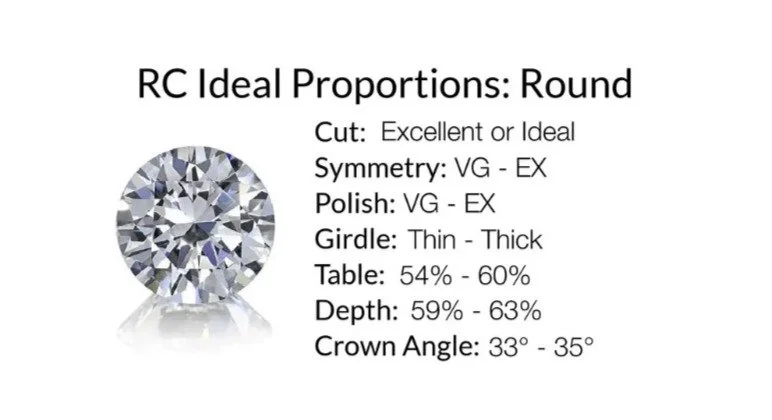
The downside is that round brilliant cuts are so popular and in high demand, so they usually cost a bit more than similar diamonds with different shapes.Because of the high demand for round cuts, a special grading system was made using percentages, degrees, and math formulas at rare carat. This system helps cutters make diamonds with the right angles for maximum brilliance, and it also lets buyers know the quality of the diamond they're buying. It's a win-win.A rough diamond next to a round faceted diamondAnother thing to know is that to make a round shape from a rough diamond, a lot of the original material is cut away.

For buyers seeking exceptional craftsmanship and timeless sparkle, finding the right diamond in Singapore often comes down to cut precision, light performance, and long-term value.

In fact, up to 40 to 60 percent of the original diamond is removed. Skilled cutters try to keep as much weight as possible, but sometimes, especially with big, valuable stones, the cutter might choose a fancy shape that follows the natural shape of the rough. That's why very large and valuable rough diamonds are often not cut into round brilliant shapes, unless making a round shape saves the most weight. Just feel free and go on our website and shop here.

The History of the Round CutOld diamond cuts: 

Pointed, table, old square, french, pendeloque, rose, mazarine, peruzzi, old mine, old europeanThe First Cut: How did round brilliant cuts become the most common diamond shape? It took about 500 years of diamond cutting to get to where we are now. The very first diamond cut was called the point cut, and it looked like a point. It looked like a pyramid or one side of the natural diamond shape. This was very popular in the fifteenth century.The Table Cut: The next step was to cut off the top point, making a flat square table facet. Sometimes a flat bottom was also cut, making a square within a square look. But mostly, the table cut made the diamond sparkle more than the point cut, though not as much as we see today.

The Rose Cut: 

The rose cut was very popular from the 16th to the 19th century and is becoming popular again today as a vintage diamond style. Rose cuts are flatter but have triangle-shaped facets that point up, creating more brilliance than was seen before. These triangle facets are still used in modern diamond cutting.The Single Cut: This is the basic shape for today’s round brilliant diamonds. The single cut is based on the natural shape of a diamond, which is like an octahedron, but it has only 8 facets. Even now, small diamonds are sometimes cut this way.

The Old-Mine and Old European Cuts: 

These are two of the earliest diamond cuts that led to the modern round brilliant. The Old-Mine cut has the same 58 facets as today’s round cuts but has a cushion shape with a deeper bottom part, so it doesn’t shine as brightly as now. The Old European cut was the first to use a circular shape, which became a key part of later diamond designs. Together, these two cuts are the basis of the modern round brilliant. You can visit this link Rare Carat Behind the scenes - Handcrafting your ring

Because people really like round brilliant diamonds, a special grading system was created. This system uses percentages and math to check the symmetry and shape of the diamond. It helps cutters make perfect diamonds and also helps customers know the quality of the diamond they’re buying. It’s a win for everyone.

A rough diamond next to a round faceted diamondIt’s also worth noting that to make a round diamond from a rough stone, a lot of the original diamond is cut away—about 40 to 60 percent. Skilled cutters try to keep as much of the stone as possible, but sometimes, especially with big or rare diamonds, they choose a fancy shape that follows the natural shape of the rough. That’s why very big, valuable rough diamonds are often not cut into round shapes unless the round shape saves the most weight.

The History of the Round CutOld diamond cuts pictured: 

Pointed, table, old square, french, pendeloque, rose, mazarine, peruzzi, old mine, old european

The First Cut: 

So how did we get to where round brilliant cuts are the most popular diamond shape today? It actually took about 500 years of diamond cutting progress. The first diamond cut was called the point cut and looked like a point, like the tip of a pyramid or one side of the natural octahedral shape of a diamond. It was very popular in the 15th century.

The Table Cut: 

The next step was to cut off the top point and make a flat square table on the top of the diamond. Sometimes the bottom was also cut flat, making a square inside a square look. This table cut made the diamond shine more than the point cut, but still not as much as we have today.

The Rose Cut: 

The rose cut was very popular from the 16th to the 19th century and is again becoming popular today as a vintage diamond style. Rose cuts are flatter but have triangle-shaped facets that point up, creating more brilliance than was seen before. These triangle facets are still used in modern diamond cutting.

The Single Cut: 

This is the basic shape for today’s round brilliant diamonds. The single cut is based on the natural shape of a diamond, which is like an octahedron, but it has only 8 facets. Even now, small diamonds are sometimes cut this way.

The Old-Mine and Old European Cuts: 

These are two of the earliest diamond cuts that led to the modern round brilliant. The Old-Mine cut has the same 58 facets as today’s round cuts but has a cushion shape with a deeper bottom part, so it doesn’t shine as brightly as now. The Old European cut was the first to use a circular shape, which became a key part of later diamond designs. Together, these two cuts are the basis of the modern round brilliant.

/
script>