7 Ways to Style Dresses for Cultural Events

New York nights fill with gallery openings, street fairs, and neighborhood parades on many weekends. You can leave a subway platform and step straight into a drum line, a gallery talk, or a community festival. Dresses fit those moments well, but each event calls for a slightly different mood and level of polish.

Many New Yorkers scroll racks or search online for cute dresses that feel current yet still respectful at cultural events. The aim is to feel comfortable, move easily through the city, and match the tone of each space. With some planning, the same dress can work across venues without feeling out of place.

Photo by Anne

Study The Event And Dress Code

Every cultural event in the city has its own expectations, even when tickets do not list clothing rules. A museum fundraiser in Midtown often sits at a more formal level than a spoken word night in Brooklyn. Check the invitation, the venue site, and past photos to see how guests usually dress.

Some events, such as religious celebrations or traditional dance programs, call for higher necklines and covered shoulders. In those settings, midi or maxi lengths feel comfortable and show care for the space and the hosts. You still have room to choose modern cuts, but the base level of coverage stays more modest.

Choose The Most Practical Length

Mini, midi, and maxi dresses all have a place in New York cultural life today. The right length depends on how much you will sit, stand, and walk between stops. Think about how the dress behaves when you climb stairs, cross streets, and sit for long performances.

As a simple guide, you can think about lengths this way for city events easily:

  1. Mini dresses work for art openings or rooftop concerts, especially when balanced with long sleeves or higher necklines.

  2. Midi dresses fit almost any event that sits between relaxed street style and more polished semi formal invitations.

  3. Maxi dresses suit long performances, formal fundraisers, and intercultural wedding receptions across many neighborhoods in the city.

Use Color To Support The Setting

Cultural events often highlight flags, historic colors, and visual themes across stages and walls indoors. Your dress can echo that setting through color without copying ceremonial outfits or sacred clothing. Aim for shades that respect the mood of the event while still feeling true to your taste.

Education resources such as the National Museum of the American Indian note that traditional clothing carries history and meaning. One guide from the museum’s Native Knowledge section explains that regalia should not be treated as costume or fashion. National Museum of the American Indian shares that guidance through clear, respectful teaching materials for students and visitors. That reminder helps guests at city festivals show care while still enjoying open public events with music and food.

Balance Prints With Art And Decor

Prints can look great at cultural events, but they should not compete with the artwork or performers. Smaller floral designs, simple geometrics, and soft stripes tend to photograph well in galleries and at real estate showcases. Large, loud prints often feel better at outdoor parades or street fairs where people see outfits from greater distance.

Think about the background when choosing a printed dress, especially for photos in crowded rooms. A busy mural behind you plus a strong print can make both feel hard to read. Solid jackets, neutral shoes, and simple bags help ground a printed dress without draining its character. If you wear bold patterns, keep the rest of the outfit calm and easy to follow.

Plan For Movement Across The City

Cultural events in New York rarely mean a quick door to door ride between home and venue. You may walk several blocks, climb subway stairs, and stand in entry lines before reaching your seat. That reality makes comfort part of style rather than a small afterthought once tickets are booked.

Choose dresses that allow a full stride so you can move quickly through stations and crowded sidewalks. Test how the skirt behaves when you sit, climb steps, or raise your arms to greet friends. If the fabric rides up or the neckline shifts too much, save that dress for seated dinners instead. Pair the dress with block heels, sleek sneakers, or low boots that can handle uneven ground.

Show Respect For Cultural Traditions

Many cultural celebrations invite guests to join the mood with clothing that mirrors colors or themes. At a heritage parade or street festival, you may see families wearing traditional garments mixed with modern pieces. Ask friends, hosts, or community groups what feels right before you echo important patterns or symbols.

Universities and museums that study clothing history show how formal garments for weddings and ceremonies change over time. One archive from The Ohio State University’s Historic Costume and Textiles Collection traces wedding dress traditions across several cultures. The Ohio State University maintains that collection as a resource for students, researchers, and curious fashion fans. That research can guide outfit choices for intercultural weddings in New York, where families blend rituals from many places.

Rewear Dresses Across Different Events

A dress feels more useful when you can wear it for more than one setting. Choose base shapes that respond well to different shoes, jackets, and jewelry for many events. A simple slip dress can feel easy at a street fair with sandals, then more polished at dinner with heels.

When you buy a new dress, picture at least three events where it can work. Think about a gallery night, a theater show, and a seasonal festival on your calendar. If the dress can fit each outing with small styling changes, it deserves a long term place in your closet. This habit keeps your wardrobe focused and flexible without constant last minute shopping trips everywhere.

Build A Reliable Event Dress Lineup

Thoughtful dress choices help cultural events across New York feel welcoming and visually balanced too. By choosing fabrics, lengths, and colors with care, you support your comfort and the spirit of each gathering. Over time, you can build a lineup of dresses that move easily from gallery nights to neighborhood festivals. The right closet mix lets you say yes to more invites, with less stress in front of the mirror.

Tips for Streamlining the Home Selling Process

Key Takeaways

  • Enhance Curb Appeal: First impressions matter; a well-maintained exterior attracts more buyers.

  • Stage Your Home: Proper staging helps buyers envision themselves in the space.

  • Invest in Professional Photography: High-quality images increase online engagement.

  • Price Competitively: Setting the right price attracts serious buyers.

  • Be Flexible with Showings: Accommodating potential buyers' schedules can lead to quicker offers.

Selling a home can often feel overwhelming, with many stages and decisions that require careful planning. Whether you're a first-time seller or have prior experience, knowing how to minimize stress and accelerate your timeline is invaluable. Streamlining this process means more than just moving fast—it’s about moving smart. Simple changes and informed choices can help you achieve your sales goals, attract the right buyers, and close deals efficiently. If you're under a tight deadline or want to ensure the sale proceeds smoothly, exploring proven methods to sell your house fast can put you in control and help you secure top dollar without unnecessary delays.

First impressions and strategic marketing are crucial. The way your home looks from the street, its presentation inside, and the manner in which it’s showcased online all contribute to generating buyer interest quickly. Pricing it right and being adaptable with viewings ensures no potential prospect slips through the cracks. With preparation and the right support system in place, you can sidestep the common pitfalls that slow down most home sales.

Enhance Curb Appeal

The journey to a fast and successful home sale begins as soon as buyers set eyes on your property. Enhancing curb appeal goes beyond a quick tidy-up—consider freshening up landscaping, repainting the front door, and ensuring pathways are clear and inviting. A polished exterior not only draws more interest but also suggests a well-maintained interior, giving buyers immediate confidence in the home’s condition. Even small updates outside can make a substantial difference in how quickly your home garners attention.

Stage Your Home

Staging your home is crucial for attracting buyers' emotions and imagination. Decluttering, applying neutral colors, and positioning furniture to emphasize each room's best features can change how the space is viewed. Effective staging not only assists buyers in imagining themselves living there but also results in more striking listing photos.

Invest in Professional Photography

Since most buyers first encounter listings online, your home’s digital presence is critical. Professional photography captures rooms in their best light, emphasizes space and features, and ensures your listing stands out from the crowd. High-resolution images can be the difference between being overlooked and sparking immediate buyer curiosity.

Price Competitively

Setting the right price from the start can make or break your timeline. An overpriced house can linger with little interest, while underpricing could mean leaving money on the table. A Comparative Market Analysis (CMA) is invaluable for identifying a price point that attracts buyers while maximizing value. A realistic, competitive price point—aligned with recent sales in your area—almost always results in more showings and faster, more serious offers, according to numerous real estate experts.

Be Flexible with Showings

Sellers often overlook accessibility, but being flexible with showings is crucial for success. The more available your home is for viewings, including evenings and weekends, the greater your exposure to potential buyers will be. Consider allowing virtual tours to accommodate out-of-town or busy house-hunters. Maximizing accessibility demonstrates your eagerness to sell and could be the deciding factor for a buyer with a tight schedule.

Utilize Effective Marketing Strategies

Modern marketing goes well beyond the traditional ‘For Sale’ sign. To attract a large pool of buyers, your strategy should harness listing portals, targeted social media ads, and open houses. Innovative tactics, such as 3D walkthroughs or live virtual tours, allow more people to experience your home firsthand, even from a distance. This multi-pronged approach ensures maximum visibility and brings more qualified buyers to your door.

Address Repairs and Upgrades

Buyers scrutinize every detail during showings, so any obvious repair needs can become negotiation hurdles or reasons to walk away from the sale. Address essential issues such as leaky faucets, damaged flooring, and outdated lighting. Consider affordable upgrades like a fresh coat of neutral paint or modern hardware—the small investments that greatly refresh the look and feel. These pre-sale improvements can deliver a strong return and prevent costly delays in escrow.

Work with an Experienced Real Estate Agent

Partnering with an experienced real estate agent gives you an edge when selling your home. They bring expertise in pricing, negotiations, listing visibility, and communicating with buyers, which helps prevent delays and ensure a smooth transaction. A local agent is familiar with current market trends and has a network of potential buyers, making the process faster. Choosing a reputable neighborhood professional ensures a smooth transaction and peace of mind.

Moving Toward a Successful Sale

Selling your home quickly doesn’t require cutting corners. Concentrate on presentation, price, and marketing to draw in buyers. An experienced real estate agent can handle every stage from listing to closing. With adequate preparation and a solid strategy, you can achieve a smooth, timely sale that aligns with your objectives.

Why Is It So Hard for Loan Officers to Get Mortgage Leads?

After six years working as a loan officer, I've learned one painful truth: generating quality mortgage leads can drain your wallet faster than you'd expect. Whether you're a broker, working retail, or handling wholesale operations, we all face the same challenge, say, finding borrowers who are actually ready to move forward.

I've purchased my share of lead lists over the years. Some converted reasonably well, others turned out to be complete junk with duplicate entries, outdated information, or worse, outright fake contacts that wasted hours of follow-up time. The frustration of paying good money for bad leads pushed me to explore alternative approaches, which is exactly what I want to share with you today.

The mortgage lead generation landscape has become increasingly challenging over the past few years. Let me break down the three biggest obstacles I've encountered, and chances are, you're dealing with them too.

Lead Quality Issues Are Everywhere

Here's something that keeps me up at night: you never really know what you're getting when you buy leads. The market is flooded with low-quality contacts, including automated bot submissions, incorrect information, recycled data that's been sold to dozens of other officers, and stolen personal details that create compliance nightmares.

I recently learned about "trigger leads" through research, and honestly, it explains a lot. When someone applies for credit, their information can be sold almost immediately. While this practice is changing in 2024 with new regulations, unscrupulous vendors have historically exploited this system, flooding the market with leads that get contacted by multiple lenders simultaneously. This drives down conversion rates and increases our compliance risks. I've become much more careful about vetting my lead sources because one bad batch can damage your reputation and potentially expose you to legal issues.

The Cost Is Getting Out of Control

Let's talk numbers, because they're sobering. Depending on quality and exclusivity, a single mortgage lead can run anywhere from $5 to several hundred dollars. Premium platforms like Zillow commonly charge between $30 and $300+ per lead. For smaller operations or independent loan officers like myself, that's simply not sustainable month after month.

And that's just the lead cost. If you're running your own advertising campaigns through Google Ads or Meta platforms, the expenses multiply quickly. I checked recent industry benchmarks, and the competition has driven up cost-per-click rates significantly. Privacy changes on these platforms have made targeting less precise, meaning you're paying for more unqualified clicks. Then factor in your backend costs like credit reports, processing time, and administrative overhead, and therefore, suddenly, your profit margins shrink dramatically. Many smaller players simply can't compete at these price points, which reduces overall market participation.

Borrowers Are Scattered

Different borrowers want different experiences, and that complicates everything. Some clients love the convenience of online comparison tools where they can check rates with one click and submit applications digitally. Others, particularly self-employed borrowers or those with complex financial situations, need personalized consultation and hands-on guidance.

This split creates what I call the "temperature problem." Cold leads from general advertising require extensive nurturing. Warm leads who've done some research convert better but cost more. Hot leads like people actively ready to move forward are incredibly scarce and expensive. You need strategies for each temperature level, which means spreading your efforts and budget across multiple platforms and approaches.

Bluerate.ai: Create Your Personal Page to Attract Borrowers

About eight months ago, I discoveredBluerate, and I'll be straight with you. It's changed how I approach lead generation. Bluerate is a mortgage marketplace developed by Zeitro that connects loan officers directly with borrowers. Think of it as your professional storefront in a busy digital mall where serious home buyers are actively shopping.

Here's what I appreciate most: I can create a completely free personal page that showcases my experience, company affiliation, loan specialties, licensed states, language capabilities, and unique strengths. It's essentially a mini-website designed specifically for attracting mortgage clients. The platform already has over 3,000 loan officers using it, which tells me I'm not the only one who sees the value.

From the borrower's perspective, Bluerate solves a real problem. Instead of blindly searching for a loan officer, they can find qualified professionals in their area who specialize in their specific loan type. The platform includes a real-time rate checker where borrowers input their credit score, estimated purchase price, down payment, gross monthly income, and monthly liabilities. This transparency helps them compare different scenarios and rates before even making contact.

What I've noticed is that borrowers who reach out through Bluerate already have a clear sense of what they need. They've done their homework, they've seen my profile, and they're reaching out because they think I might be a good fit. That's dramatically different from cold calling someone from a purchased lead list.

Why Bluerate Is My Preferred Method for Getting Mortgage Leads

After testing various lead generation strategies over the years, I've found several compelling reasons why Bluerate works better than most alternatives. Let me explain what sets it apart.

Zero Cost, Zero Risk

This one's straightforward: Bluerate is completely free for both loan officers and borrowers. I set up my profile page without paying anything, and I'm not locked into any contracts or subscription fees. There's literally no financial risk. Borrowers can contact me directly through the platform, and Bluerate doesn't take any commission or referral fees from either party. In an industry where everyone seems to want a cut of your commission, this refreshingly simple model stands out.

Let SEO Do the Heavy Lifting

Once I created my profile, Bluerate's team handles the search engine optimization to drive organic traffic to the platform. I don't need to become an SEO expert or spend hours optimizing keywords. Borrowers searching for loan officers in my area naturally find the platform, browse profiles, and make contact. I'm essentially benefiting from Bluerate's marketing efforts without contributing to their advertising budget.

That said, I've experimented with running my own targeted Google and Meta ads that link to my Bluerate profile. This amplifies the effect. I'm driving additional traffic to a well-designed profile page rather than trying to build my own landing page from scratch. It's worked surprisingly well for me, though the free organic traffic alone generates steady inquiries.

Warm Leads With Clear Intent

Remember when I mentioned the "temperature problem" earlier? Bluerate solves it. The borrowers who contact me through the platform are warm to hot leads—they're actively searching for loan officers, they've reviewed my qualifications, and they're reaching out with specific intentions. I'm not interrupting their day with a cold call; they're inviting the conversation.

My conversion rate from Bluerate inquiries is noticeably higher than from purchased lead lists. These borrowers have self-selected by finding my profile, reading about my specialties, and deciding to reach out. That pre-qualification process happens automatically, saving me countless hours of chasing unqualified prospects.

Integrated Technology Speeds Everything Up

One feature I didn't expect to love as much as I do: Bluerate has integrated a Loan Origination System directly into the platform. From the initial rate quote through the entire loan process—pre-qualification, application, processing, and closing—everything happens in one transparent system. I can track progress in real-time, borrowers can see where their application stands, and the AI-powered tools reportedly improve closing speed by about 20%.

That efficiency gain is real. I've noticed that loans originated through Bluerate move faster than those from other sources, partly because the borrower is already engaged with the digital platform and comfortable with the process. Less friction means faster closings, which means I can handle more volume without sacrificing quality.

Tools That Actually Save Time

Beyond the core platform, Bluerate has added specialized tools that genuinely reduce my workload. GuidelineGPT helps me quickly find relevant lending guidelines without manually searching through hundreds of pages of documentation. Scenario AI helps structure different loan scenarios for clients with complex situations.

According to their data, these tools eliminate 100% of manual guideline work, achieve over 90% application completion rates, save professionals more than 7 hours per loan, and help close 30% more loans overall. I can't verify those exact numbers from my personal experience yet—I've only been using the platform for eight months—but I can confirm that my administrative burden has decreased noticeably while my closing rate has improved.

My Bottom Line on Free Mortgage Lead Generation

Look, I'm not going to tell you that Bluerate is the only solution you'll ever need. Different strategies work for different people, and maintaining multiple lead sources is probably smart business. But after years of spending thousands on lead lists with inconsistent results, finding a zero-cost platform that delivers qualified borrowers has been genuinely valuable for my practice.

The mortgage industry is tough enough without constantly worrying about where your next client is coming from. Having a professional profile page that works for you 24/7, backed by SEO-driven traffic and modern loan origination technology, just makes sense. You're not gambling on lead quality, you're not locked into expensive contracts, and you're connecting with borrowers who are actively looking for your services.

If you're frustrated with the cost and quality of traditional lead generation methods, I'd strongly encourage you to create a Bluerate profile. It takes maybe an hour to set up properly, costs nothing, and might just become your most consistent source of quality mortgage leads. At the very least, you'll have another channel working for you while you sleep, and in this business, that's worth its weight in gold.


How to Enhance Your Space with Unique Credenzas

Walk into a New York apartment and space talks first. Narrow halls, low ceilings, and shared rooms set the tone. Every piece needs purpose, and every surface should earn its place.

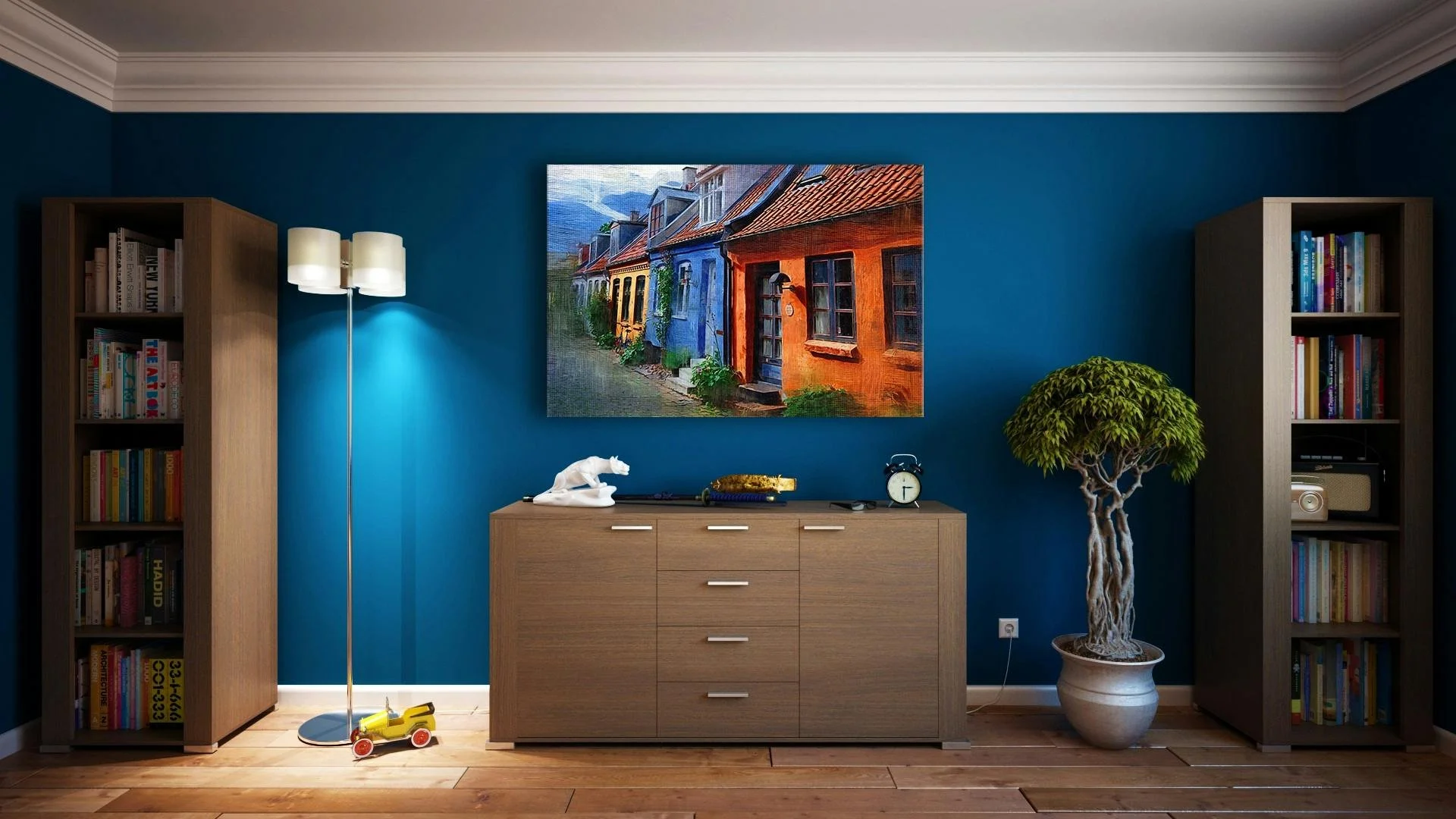
A credenza meets that challenge with quiet confidence. It stores daily items, supports display, and adds a calm horizontal line. Many owners value a wood table with storage that keeps clutter out of sight. The right piece can steady a room without feeling heavy or loud.

Photo by Pixabay

What Makes a Credenza Work in City Rooms

Credenzas fit where depth is tight and floor space matters. A long, low body hugs the wall and leaves walkways open. Doors and drawers hide items that would otherwise scatter across counters. The top holds lamps, frames, and a catchall tray for keys and mail.

Placement shapes the job a credenza will do. Behind a sofa, it anchors a seating area and adds hidden storage. Under a gallery wall, it offers a quiet base that lets art shine. Near a dining table, it keeps plates, napkins, and glassware close at hand.

Solid construction pays off as months turn into years. Hardwood cases resist sagging and daily bumps from busy households. Finishes that highlight grain add warmth to rooms with white walls. Guidance from the U.S. Forest Service offers background on wood performance and longevity.

Measure, Scale, and Clearance

A good fit starts with careful measurement before you browse. Measure wall length, ceiling height, and walkway width around nearby furniture. Think about door swing and drawer clearance, especially in tight dining nooks. Leave breathing room on both sides so the piece looks settled, not squeezed.

A short checklist helps you compare options quickly:

  1. Match height to nearby pieces, like sofa backs or window sills.

  2. Keep depth modest so hallways stay passable during busy mornings.

  3. Choose storage types that match habits, not just looks on a screen.

Scale matters just as much as raw dimensions. A long wall can carry a longer case without overpowering the room. Smaller rooms often benefit from lighter profiles and clean fronts. Pick hardware that suits daily use, not only a glossy photo.

Materials and Build That Hold Up

Materials influence both feel and daily performance. Solid wood brings texture that softens hard finishes like concrete or tile. Iron bases add strength and ground the piece without bulk. Together they form a steady look that suits prewar rooms and newer lofts.

Inside the case, build details drive durability. Look for sturdy joinery that resists racking when floors are uneven. Center supports keep long shelves from bowing under heavy stacks of books. Drawer boxes with smooth glides handle frequent opening without sticking or wobble.

Thoughtful features make living with the piece easier. Soft close doors set a quiet tone during late nights and early mornings. Cord cutouts allow routers or media boxes to hide behind neat doors. A wipeable finish helps with everyday spills and dust from city windows.

Finish options also matter for long term satisfaction. Clear finishes showcase grain and pair well with muted textiles. Stained tones can echo existing floors or beams for a calm, unified look. Painted fronts bring color without crowding a room already rich with textures.

Layout Ideas for New York Homes

Small spaces benefit from furniture that plays several roles. In studios, a credenza can divide sleeping and living zones while holding linens. In railroad layouts, a slim case keeps corridors clear while taming clutter. In open plans, it helps connect seating and dining areas without blocking light.

Think about sightlines when you set the piece. Keep the top surface clean so the eye reads a clear horizontal band. Use groups of three objects for balance, like a lamp, a frame, and a bowl. Leave space between them so the top stays useful for everyday tasks.

Renters often need flexible storage that moves easily between apartments. A well built credenza works across many addresses and room shapes. A report from the New York City Comptroller notes how large the rental market is across the city. That level of renting makes sturdy, movable storage a smart choice that can work through many future moves.

Families can assign storage zones to keep order on busy days. One bay holds school supplies, another holds extra towels and sheets. Drawers handle chargers and spare cords that otherwise knot on counters. Doors hide bulkier items so the room stays calm between cleanups.

Entertaining also becomes simpler with a smart setup. Keep table linens and flatware in the left side for quick reach. Store candles and tealights in a labeled box for low stress evenings. Use the top as a serving station during larger gatherings with friends.

Styling That Supports Daily Life

Credenzas work best when styling matches how the room is used. Start with light, everyday items that belong on the surface. A discreet tray contains keys, wallets, and transit cards. A small plant and a lamp add height and warmth without crowding the top.

Artwork deserves a stable partner beneath it. Center a frame or canvas above the case to build a clear focal line. Keep spacing consistent so the wall feels organized, not busy. If you like variety, lean one piece and hang another for casual balance.

Storage accessories help maintain order inside. Use low bins for cables and camera gear that tangle easily. Stack shallow trays for stationery, spare batteries, and small tools. Label what you cannot see at a glance, since labels save time on rushed mornings.

Where Function Meets Calm Style

The best test is how the room feels during a normal week. If counters stay clear and walkways open, the piece is working. If guests can sit, eat, and move with ease, the layout is sound. Over time, the case should feel like it has always belonged there.

A credenza does not solve everything, yet it handles many everyday needs. It offers storage, supports display, and sets quiet lines that hold a room together. Handcrafted wood and iron builds bring touchable texture and proven strength. With careful sizing and smart placement, the piece will serve for years.