Unexpected Events That Can Wipe Out a Property Rental Business

A single storm, a broken lease, or one missed inspection can throw an entire rental business off track. What seems like a steady source of income can quickly fall apart when the unexpected hits. In recent years, more property owners have faced costly setbacks from tenant disputes, surprise code violations, and natural disasters that stall operations for weeks—or longer.

Landlords put in the work: they screen tenants, keep up with maintenance, and try to stay current on local rules. But even with the best efforts, surprises still slip through. A burst pipe or legal tangle can turn into lost income and strained tenant relationships. The difference often comes down to preparation—spotting the risks early and having a game plan before things spiral.

Natural Disasters That Bring Legal and Financial Trouble

Places prone to natural disasters often face more than just structural damage. After a hurricane, delayed insurance payouts can disrupt a landlord’s cash flow, sometimes escalating into legal disputes that slow recovery efforts. Getting guidance from a hurricane damage attorney can help property owners manage coverage issues and protect their finances during the rebuilding process.

Even smaller damages can force tenants to move out temporarily, leaving units empty and income lost. Problems like mold can make things worse, leading to expensive cleanups and more disputes with insurance companies and tenants. One way to manage this is to have strong insurance coverage that allows for fast claims processing, which can ease financial pressure.

Tenants Who Leave or Damage Property Suddenly

Even reliable tenants can take a sharp turn. Some cause damage that goes way beyond the security deposit, leaving you with surprise repair bills and unexpected downtime. You might even uncover hidden problems during cleanup, making things worse. Sudden move-outs—especially during peak rental seasons—can create a scramble to find new tenants while competing listings flood the market. 

Unauthorized subletting adds more headaches, from liability risks to wear and tear you didn’t sign up for. Staying on top of lease terms and checking in with tenants regularly can help you catch red flags early and avoid bigger fallout.

Code Violations That Stop Rentals Cold

To stay open, property owners have to meet certain local codes. A missed fire code issue, for example, can have big consequences. Fixes may force tenants out temporarily, stopping rental income and damaging tenant trust, which can be hard to repair.

Old renovations done without permits can cause new owners big headaches. They're often responsible for fixing things they didn't know were illegal, and that gets expensive. On top of that, errors by utility companies can cut off services, upsetting tenants and hurting the property’s image. Keeping organized records and doing regular inspections can help avoid these problems.

Equipment Failures That Lead to Emergency Costs

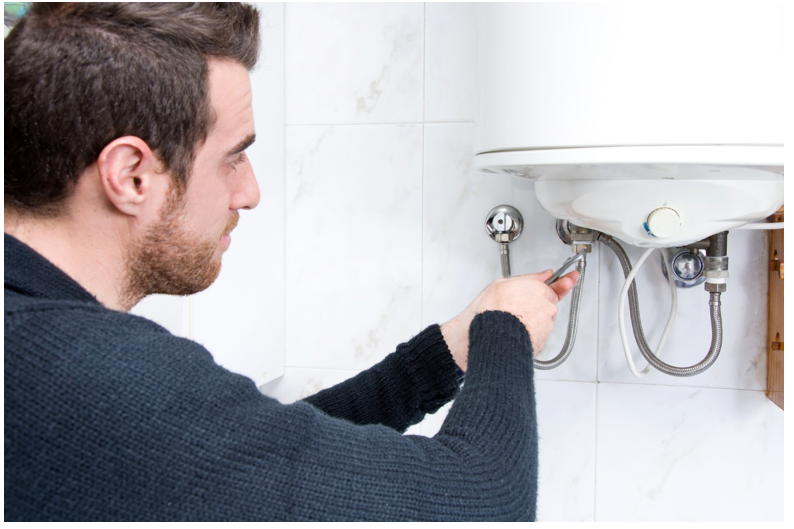
Key systems like HVAC, elevators, and plumbing are essential in any rental. When they break down, they cause major disruption. If an HVAC unit fails during extreme weather, tenants might need to move out until it’s fixed, especially if indoor temperatures drop below safe levels or humidity leads to indoor condensation. That puts pressure on owners, who are often legally required to provide livable conditions.

In tall buildings, a broken elevator makes upper floors hard to access, so those units may sit empty until repairs are made. Plumbing issues can become serious legal problems if they affect living conditions. Regular upkeep of these systems cuts down the chance of sudden breakdowns, helping to protect both rental income and tenant satisfaction.

Vendor Problems That Mess With Daily Tasks

A rental business depends on solid relationships with service providers. When a vendor doesn’t deliver, it can cause problems fast. If a cleaning crew skips their duties—even just missing scheduled hallway cleanings or trash pickups—tenants start to complain and lose faith in how the place is managed. If this keeps happening, it could lead to injuries or damage—and legal trouble.

Security vendors are just as important. If monitoring lapses, properties may get vandalized or robbed, hurting both finances and reputation. That kind of incident can scare off future renters. Messy landscaping or missed snow removal can also make areas unsafe and expose landlords to lawsuits or city fines. Having clear contracts and regularly checking vendor performance can keep things running more smoothly.

Running a rental business means dealing with unexpected problems—bad weather, tenant issues, broken equipment, or vendors dropping the ball. These things can mess with your income fast. The best way to stay steady is to stay ready. Keep leases tight, do regular check-ins, and make sure insurance and vendors are solid. When problems do pop up, having a plan helps you bounce back quicker and with less stress. You don’t need to control everything, just stay a step ahead. Being organized and staying on top of things makes the rental game smoother—and helps you avoid bigger headaches later.

Why More Smokers Are Switching to Vaping

Quitting a smoking habit is one of the hardest habits to break. Nearly ⅓ of all deaths from heart disease are the result of smoking and secondhand smoke. Studies show that just 8% of all people who attempt to quit smoking without the help of NRTs and other support systems are successful, highlighting the importance of finding practical tools to utilize in your journey. For some, this is in the form of e-cigarettes, commonly known as vapes. 

Depending on your location and the laws surrounding the consumption and usage of nicotine products and vapes, you may need to consult with your primary doctor to establish how to get a vape prescription as a transitional tool to conquer your smoking habit for good. 

https://unsplash.com/photos/a-blue-sign-with-a-no-smoking-sign-on-it-4U2FZTl7Sh8

What are Vapes?

Vapes are electronic devices that allow you to inhale nicotine in the form of an aerosol or vapor as opposed to smoke. This is done by heating a flavored solution, commonly referred to as e-liquid, which typically contains nicotine, vegetable glycerine, propylene glycol, and flavorings. 

These liquids are available in different nicotine strengths, allowing you to control how much nicotine you consume, as an essential feature when managing cravings and other withdrawal symptoms. There are multiple types of vape devices, including pens, pods, bars, and mods, which can be either disposable or rechargeable. 

Smoking vs. Vaping

Tobacco cigarettes are one of the leading causes of preventable deaths in the world. They contain over 7000 highly poisonous chemicals and toxins, 70 of which are classified as aggressive carcinogens. Not only are traditional cigarettes strongly linked to numerous cancers, but multiple studies reveal their connection with several other serious health issues, including heart disease, emphysema, stroke, infertility, and a weakened immune system. Furthermore, secondhand smoke results in nearly 50,000 deaths per year. 

In comparison, vapes are a slightly less harmful alternative to smoking as it doesn’t involve burning tobacco, but this does not mean they are completely safe to use. Despite common belief, vapes do not emit water vapor but a mixture of toxic chemicals, heavy metals, and ultrafine particles that, when inhaled, could potentially lead to lung disease and other serious health issues. 

https://unsplash.com/photos/red-and-black-box-mod-M8CrCzlS78Y

Nicotine

Traditional cigarettes and nearly all vapes contain nicotine, a highly addictive stimulant drug that is known to carry many adverse health effects. It works by mimicking the naturally occurring brain chemical acetylcholine, triggering the release of various neurotransmitters, including dopamine, which is associated with pleasure and reward. 

However, it is toxic to developing fetuses and a health danger for pregnant women. It poses unique hazards to youth as it can harm brain development, which typically continues until the age of 25. Nicotine can alter brain function, especially during adolescence, leading to issues surrounding attention, mood, learning, and impulse control. Additionally, acute nicotine exposure can be toxic and potentially fatal. This acute exposure occurs when children and adults are poisoned by breathing, swallowing, or absorbing vaping liquid through their eyes and skin. 

Vape as a Quitting Tool

While nicotine is arguably the most difficult addiction to overcome when quitting smoking, many people struggle to let go of the routines and rituals associated with their smoking habit. It is often a fundamental part of their daily routines, a coping mechanism for stress and anxiety, or a shared activity they indulge in with friends. 

Some people find that vaping helps to satiate the hand-to-mouth motion they associate with smoking, and a 2021 review found that smokers who used a nicotine-controlled vape alongside expert face-to-face support were twice as likely to succeed in quitting compared to those who used NRTs like gum, patches, and lozenges. 

Vape bars, pod devices, and pens are good choices for those wanting to quit smoking altogether, as they are discreet to use, produce small vapor clouds, and are compatible with e-liquids that contain various nicotine strengths. When first starting with a vape, you need to select a nicotine level that matches your cigarette use, gradually decreasing this potency as your cravings become weaker and easier to manage. Consult with your GP or local stop-smoking service, who can guide you in making the best selection for your unique needs. 

To get the full benefit of using a vape as a quitting tool, you must cease smoking cigarettes entirely. Some people manage to make the switch fairly easily, while others may take longer to adjust to it. 

https://unsplash.com/photos/a-close-up-of-a-pink-pen-on-a-black-surface-PYOgYPnNYO0

Vaping Side Effects

Common side effects of vaping often include shortness of breath, headaches, mouth and throat irritation, coughing, and sinus issues. Should you experience any debilitating side effects, consult with your doctor or stop smoking adviser about how to proceed using a vape as a quitting tool.

On a more serious note, alongside the damaging effects of nicotine, people who vape are at risk of inhaling various toxins like diacetyl, cancer-causing chemicals, volatile organic compounds, and heavy metals. In addition, e-cigarette or vaping product use-associated lung injury (EVALI) is a new phenomenon that has developed as a result of vaping. 

Vaping has not been around long enough to know the actual long-term health effects. While traditional cigarettes contain over 7000 chemicals, vaping liquid has around 2000, some of which are still unknown to experts. Despite the many unknowns, it is essential to understand that smoking of any kind exposes you to harmful ingredients that are unsafe for consumption, highlighting the importance of complete cessation as opposed to simply switching from one smoking device to the other.  

The Harsh Truth About Fixer-Uppers Most Realtors Won’t Touch

There’s a certain romance to the idea of a fixer-upper. You've seen the shows. A couple buys a beat-up home for a steal, rolls up their sleeves, and by the end of the hour—cue the music—it’s transformed into a jaw-dropping masterpiece. It’s easy to believe that any house, no matter how worn or wild, has untapped potential just waiting to be uncovered.

But what those shows don’t show you is what happens when your fixer-upper is too far gone for the fairytale. What happens when the plumbing’s a mess, the roof’s caving in, and the foundation has more cracks than you care to count? What if the walls hide mold, the HVAC hasn’t worked in years, and the place hasn't been lived in—or cared for—since the early 2000s?

That’s when the dream of selling turns into a much harsher reality. Because the truth is, not all homes can be fixed with a little elbow grease and a fresh coat of paint. And not every realtor is willing to help you try.

When “Needs Some Work” Means “No Thanks”

You probably already know this if you've tried calling a few agents. They’ll come by, take a look, and give you the same tight-lipped smile. “It has potential,” they say. But then comes the list—pages of suggested repairs, staging tips, and estimates. Most end up recommending you make major investments before they’ll even consider listing the property.

Why? Because agents work on commission, and homes that are severely distressed don’t attract the kind of offers that make those commissions worthwhile. The more time, money, and negotiation it takes to sell your property, the less incentive they have to get involved. Even well-meaning agents are often limited in how much they can realistically do with a house that’s been through years of neglect or damage.

In some cases, they’ll even suggest tearing it down.

Not Every House Is “Listable”

The truth is, the real estate system is built for homes that fall somewhere between “move-in ready” and “could use a facelift.” That sweet spot is where most agents thrive. But if your house falls outside of that range—say, it’s structurally compromised, or part of an estate sale, or full of junk from a tenant who disappeared—it becomes what many agents quietly refer to as “unlistable.”

That doesn’t mean your home is worthless. Far from it. But it does mean the traditional route—sprucing it up, listing it online, and waiting for the perfect buyer—probably isn’t the right path for you.

This is where many homeowners hit a wall. You want to sell, but you can’t afford the repairs. You’ve called around, but no one wants to take it on. You’re stuck in limbo, carrying a property you don’t want, can’t fix, and can’t seem to move.

That’s when it's time to look beyond the traditional.

Enter Assured Property Solutions. These are the types of buyers who actually want the homes most agents avoid. Assured Property Solutions is a direct home-buying company that works with distressed properties, fixer-uppers, and problem homes. They’re not scared off by old wiring, missing drywall, or a collapsed porch. In fact, they specialize in exactly those kinds of situations.

They understand that life doesn’t always leave time—or budget—for a major renovation. And they provide a real, actionable way for homeowners to move forward without needing to clean, fix, or explain.

Selling Doesn’t Have to Be a Show

One of the biggest myths in real estate is that every home has to be “market-ready” to sell. Staged with throw pillows, baked-cookie smell in the air, a shiny new roof, and a perfectly manicured lawn. But that version of selling isn’t accessible to everyone.

Maybe the home has been vacant for years. Maybe you inherited it, and it’s still full of furniture and memories that are too hard to sort through. Or maybe you’re just tired—financially, emotionally—and the idea of fixing it all up feels like climbing a mountain barefoot.

That doesn’t make you lazy or unreasonable. It makes you real. Sometimes, life just calls for a quicker, cleaner way out. Working with a direct buyer allows you to skip the show, avoid the long wait, and step into the next chapter without dragging the weight of a crumbling house behind you.

The Power of Letting Go

Fixer-uppers come with baggage. Even if you’re not living in the house anymore, it’s still on your mind. Maybe it’s the bills that keep showing up. Maybe it’s the city warning letters about overgrown grass. Maybe it’s just the nagging feeling that you’re stuck with something you don’t know how to handle.

Letting go of a house like that isn’t giving up. It’s giving yourself permission to move on.

When you work with a company that understands the realities of owning a rough property—who won’t flinch at the broken plumbing or demand you empty out the attic—you regain a sense of control. You’re no longer waiting on buyers who are afraid of the work, or agents who won’t call back. You’re taking action.

That’s not weakness. That’s strength.

Not Every Home Will Be Flipped on TV—and That’s Okay

It’s easy to feel like your house has to be a star in its own makeover story. But not every house was made for HGTV. Some were meant to serve their purpose, see you through a chapter, and then pass on to someone else who can do the heavy lifting.

And you know what? That’s more than enough.

The truth is, there are buyers out there who look at what others call “hopeless” and see potential. They don’t need granite countertops or modern floorplans. They just need a property, and a seller who’s ready to make a deal.

If your home doesn’t fit the mold of what agents want to list, don’t waste months hoping someone will give it a second look. Find someone who sees it clearly from the start—and is ready to make it yours no longer your responsibility.

Final Thoughts

The harsh truth is that some fixer-uppers are simply too far off the beaten path for most realtors to handle. But that doesn’t mean you’re stuck. It just means you need a different kind of solution—and a different kind of buyer.

Assured Property Solutions offers exactly that. A chance to step away from the stress, the rot, and the regret. A chance to sell your house not as it could be, but as it is—and still find value in the deal.

Because sometimes the best ending to a fixer-upper story… is walking away.

No Power, No Water, No Plans—But Your House Still Has Value

It’s easy to believe that once a home loses its shine—when the lights don’t turn on, the water runs dry, and the future of the property feels uncertain—it becomes worthless. That it’s too far gone. Too forgotten. Maybe even too much of a hassle to be worth dealing with. But here’s the truth most homeowners don’t hear often enough: even in its current state, your house still has value.

You might not feel that way as you walk through rooms that once felt alive and now echo with silence. The overgrown lawn, the musty air, the ticking worry that no buyer will want to take on such a “project”—it all adds up. But that’s not the whole story. Not even close.

A Home Is More Than Just Utilities and Paint

People often associate the value of a home with how modern it looks or how many upgrades it has. Granite countertops. Smart thermostats. Designer finishes. But while those things can sweeten the deal, they’re not what makes a house valuable at its core.

Location still matters. Land still matters. The structure—however worn—is still something to build upon. And in many cases, especially in 2025, homes that don’t meet the conventional standards of beauty or function are attracting a different kind of interest: cash buyers, investors, and renovators who see potential instead of just problems.

Even if your house is currently uninhabitable—no power, no water, no working plumbing—it’s not invisible to the market. There’s a niche of people actively looking for these types of homes. Not everyone wants move-in ready. Some want something they can reshape entirely.

The Emotional Weight of “Letting Go”

Of course, letting go of a home like this isn’t just about business. It’s often deeply emotional. Maybe it was a property inherited from a loved one, now falling into disrepair. Maybe it’s a place that saw better days but slowly became too expensive or overwhelming to maintain. Or maybe it was just one too many “I’ll fix it next month” promises that never quite turned into action.

No matter the story, there’s usually some guilt or hesitation wrapped up in selling. But there doesn’t have to be. You’re not giving up—you’re opening a new door, for yourself and for the house. You’re allowing it to have a second life in someone else’s hands.

What Buyers Actually See

What you might view as chaos or deterioration, some buyers see as opportunity. They look past the lack of utilities and instead focus on the footprint, the foundation, the bones. Investors don’t flinch at broken pipes or disconnected power. These are issues they solve routinely. What they value is time—being able to close quickly, skip the red tape, and move forward.

That’s why homes that seem “unsellable” by traditional standards can still sell fast in alternative channels. When the expectations change, so do the possibilities.

If you're wondering where to even begin with something like this, you can click here to explore options with companies that specialize in purchasing homes in as-is condition—no power, no water, no inspections required. Sometimes, the answer isn’t to fix everything. It’s to find someone who’s ready to take it as it is.

Skipping the Stress, Keeping the Value

One of the most frustrating things homeowners experience in these situations is the belief that they have to fix everything before the house can even be shown. That the only way to make a sale is to spend money they don’t have on problems that are no longer theirs to solve.

But in 2025, more sellers are choosing the path of least resistance—and finding it’s often the smartest one. Selling as-is, especially to experienced buyers who understand distressed properties, cuts out a huge amount of stress. You don’t need to stage. You don’t need to repair. You don’t even need to clean out the attic if you’re not up for it.

The process becomes more about transition than transformation. You get to move forward with cash in hand, without dealing with weeks or months of uncertainty.

Rewriting the Story of the Home

Every home has a story. Maybe yours used to be a happy place that simply fell into hard times. Or maybe it was never really the right fit to begin with. Either way, selling it doesn’t erase its story. It just turns the page.

And selling a home without utilities or clear plans for the future doesn’t mean you’ve failed. On the contrary, it means you’re making a smart, intentional decision in a situation that many people struggle to handle. You’re acknowledging the reality of where the property stands—and you’re choosing to unlock whatever value it still holds.

That’s something to be proud of.

It’s Not Too Late

If you’ve been waiting for the “right time” to sell your house, but keep pushing the date back because of everything it’s lacking, it’s worth asking: what if the right time is now? What if the missing utilities, the deferred repairs, the empty rooms—they’re not deal-breakers, but just part of the journey?

Buyers exist for homes like yours. Honest ones. Professional ones. The only question is whether you’re ready to take the first step.

Because no matter what condition it’s in, your house still matters. Your house still has value. And there’s a future waiting—both for you, and for the home you’re ready to let go of.

What Makes Professional Home Cleaning More Effective Than DIY Methods

Are you tired of cleaning and still not managing to clean everything? This can be a headache, and it’s the reason people decide to choose professional cleaners instead of doing all this on their own. You still might be hesitant and might think you can do all this on your own; however, keep in mind that due to their experience, they’re able to clean every spot of your house in less time than you actually would. 

More Experienced

The first reason why professional cleaners should be your priority is due to their expertise and experience in this field. You can for sure clean the house by yourself, but it will take much more time and effort than it would take them to achieve complete cleanliness. They know exactly where to start and how to continue so that they don’t spend much time cleaning and moving from one room to another.

You can relax

Now, let’s be honest, cleaning can be so annoying sometimes, especially when you’re tired from work and don’t have much time for it. If you have such problems, you need to consider seeking professional help. For example, professional cleaners at homespritz.ca

offer different types of services based on your needs. If you need your house completely cleaned, then you can choose deep cleaning, but if you just need help with regular things, then you can choose regular cleaning services. This way, you don’t have to worry about anything as they’ll bring all the cleaning supplies and will do the whole job.

They possess better tools

No matter how much you invest in cleaning supplies and tools, you probably can’t afford all the tools professional cleaners possess because they need such tools to do their job. So, if you want to deep clean your whole house, you shouldn’t do it on your own because you’ll never be able to clean everything the way you imagined. You need tools like industrial vacuums or professional cleaning supplies, and it’s far more affordable to hire professionals who have all this.

One professional cleaning lasts longer than a DIY one

Sometimes, you might have a common problem as everyone else, and that is cleaning your house regularly, but never being able to maintain it clean. This usually happens because you keep missing some spots or simply don’t clean deep enough. If you’re tired of this and want to try something else to see whether you’ll notice better results, find the right professional cleaners, explain your problem, and let them do their job. They know exactly what to do and can give you some advice on how to keep the house clean after them. 

Keeping your house clean seems almost impossible. No matter what you do and how deeply you clean your house, after a few days, everything returns to the same condition. You’re probably tired of this, so make sure to find alternatives whenever you want a clean and fresh space. Professional cleaning services, for sure, bring better results, and due to all the reasons mentioned in this text, ensure you make the right choice.