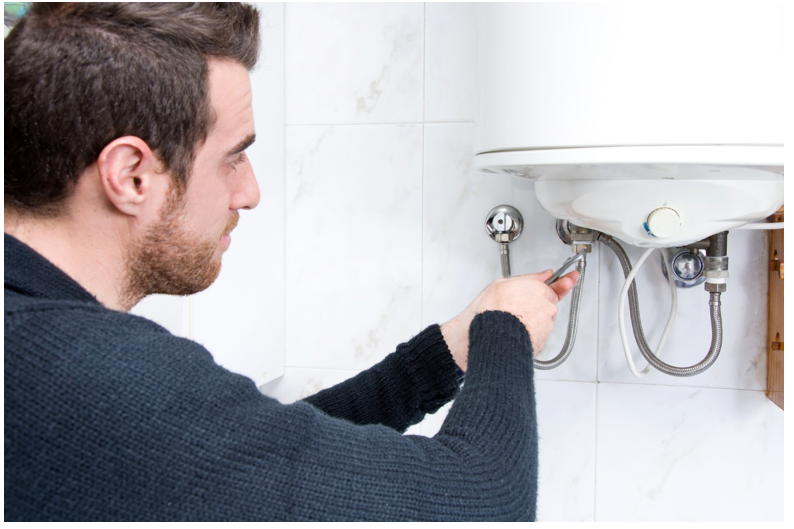
15 Common Mistakes Damaging Your Home's Plumbing

Maintaining your home's plumbing can often be overlooked, but it’s essential for a healthy and safe house. Small mistakes in plumbing habits can quickly turn into costly repairs and water damage. Discover 15 common mistakes that can damage your home's plumbing. Learn expert tips from an Anaheim CA plumber to keep your system running smoothly.

Neglecting Regular Plumbing Maintenance

Importance of Routine Inspection and Cleaning

Scheduling regular checkups helps catch leaks, corrosion, and slow drains early. A quick peek under sinks or in the basement can reveal issues before they turn serious. It’s easier and cheaper to fix small problems than deal with major repairs later.

Common Maintenance Tasks Homeowners Can Do

  • Flush your water heater once a year to remove sediment.

  • Clear minor drain clogs with a plunger or drain snake.

  • Check water pressure with a gauge; ideal pressure is typically between 45-60 psi.

Consequences of Neglect

Ignoring routine care can lead to burst pipes or skyrocketing water bills. Over time, build-up of debris or corrosion damages pipes, shortening their lifespan.

Disposing of Inappropriate Materials Down Drains

What Not to Flush or Pour

Many things seem harmless but can cause major clogs—grease, coffee grounds, wipes, sanitary products, and chemical cleaners top the list. Statistically, more than 80% of drain clogs are caused by misuse.

Impact of Chemical Drain Cleaners

Chemical cleaners often damage pipes and pose health hazards. They can eat away at your plumbing, especially with repeated use. Instead, try enzyme-based cleaners or mechanically snaking the drain.

Tips for Proper Waste Disposal

  • Always throw food scraps in the trash.

  • Educate family members about what’s safe to drain.

  • Use trash bins for non-degradable waste to protect plumbing and the environment.

Over-tightening Plumbing Connections

Why Tightening Doesn't Always Mean Better

Over-tightening fittings can crack pipes or strip threads, leading to leaks. It’s tempting to tighten until secure but doing so can cause more harm than good.

Recognizing When to Stop

Use the right tools and tighten fittings just enough until snug. If you feel excessive resistance or see damage, stop immediately.

Expert Advice

Professional plumbers recommend tightening fittings by hand first, then a slight turn with a wrench. Always follow manufacturer instructions for specific fittings.

Ignoring Signs of Leaks and Drips

Common Indicators of Plumbing Issues

Notice rising water bills, mold, or discoloration? Hear a constant drip? These signals point to hidden leaks. Ignoring them leads to bigger problems.

Long-term Damage Caused by Leaks

Persistent leaks weaken structural elements, promote mold, and rot wood. For example, a small drip under the sink, if ignored for months, can cause mold growth and decay the cabinet.

Actionable Steps

  • Turn off water immediately if you detect a leak.

  • Contact a plumber if you're unsure how to fix the issue.

  • Regularly check under sinks and around fixtures for signs of trouble.

Using the Wrong Plumbing Fixtures and Materials

Impact of Low-Quality or Incorrect Parts

Cheap or incompatible fixtures tend to leak faster and break easily. Over time, they may cause damage to your plumbing system.

Choosing Suitable Fixtures

Opt for materials like PVC, copper, or PEX based on your needs. Each has pros and cons; a professional plumber can guide your choice.

Expert Recommendations

High-quality fixtures last longer and reduce the chance of leaks. Always select respected brands and ensure compatibility with existing plumbing.

Overloading Garbage Disposals

Common Misuses

Frying with fibrous foods, putting bones, coffee grounds, or non-food debris can overload your disposal. These habits stress the motor and cause clogs.

Effects on the System

Overuse can burn out the motor, corrode parts, or cause backups. A clogged disposal might also damage connected pipes.

Proper Disposal Practices

  • Feed soft foods slowly and in small amounts.

  • Regularly clean your disposal with a mix of ice and lemon.

  • Avoid putting non-food items or large amounts of fibrous foods down the drain.

Ignoring Water Pressure Problems

Signs of Excessively High or Low Water Pressure

Hammering pipes, slow fixtures, or inconsistent flow indicate pressure issues. Too high pressure can stress pipes; too low, results in poor water flow.

Causes and Risks

Old pipes, faulty pressure regulators, or municipal supply issues can be at fault. Excessive pressure leads to pipe leaks and breakage.

Solutions

  • Use a pressure regulator to control flow.

  • Have a professional assess your system.

  • Regularly check your pressure with a gauge.

DIY Repairs Without Proper Knowledge

Risks of Improper Fixes

Tinkering without expertise may worsen the problem or cause new leaks. You might void warranties or damage expensive fixtures.

When to Seek Professional Help

Complex leaks, sewer backups, or pipe replacements should be handled by licensed plumbers. Do not attempt major repairs on your own.

Tips for Safe DIY Plumbing

  • Learn basic repairs like tightening fittings or replacing washers.

  • Use trusted online tutorials and manuals.

  • Know your limits—call a pro for complicated issues.

Relying on Temporary Fixes

Common Quick Fixes

Sealants or duct tape might seem like quick solutions but rarely last. They often only delay proper repairs.

Why Temporary Fixes Fail

Underlying issues like broken pipes or root intrusions remain. Temporary patches can fail unexpectedly, causing water damage.

Recommended Approach

Plan to get permanent repairs from licensed plumbers. Temporary fixes should only serve as short-term solutions.

Poor Pipe Insulation and Exposure

How Exposure Leads to Damage

Uninsulated or exposed pipes freeze in winter, burst, and cause flooding. They also suffer from corrosion if left unchecked.

Insulation Solutions

Use foam pipe insulation or heating tape in cold areas. Proper insulation keeps water flowing and prevents costly repairs.

Home Environment Considerations

Insulate pipes in attics, basements, and outside walls. Check for exposed pipes yearly and add insulation as needed.

Incorrect Use of Drain Cleaners

Dangers of Harsh Chemical Cleaners

They can eat away at pipes, especially older or plastic ones, and release dangerous fumes. These cleaners are often more harmful than helpful.

Safer Cleaning Methods

Mechanical snaking clears clogs without chemicals. Enzymatic cleaners gradually break down organic blockages.

Expert Advice

Only use chemical cleaners as a last resort. Regular maintenance and mechanical cleaning are safer long-term solutions.

Ignoring Plumbing Codes and Regulations

Legal and Safety Implications

Building codes ensure your system is safe and lasts long. Violating these codes can lead to fines or voided warranties.

Common Violations

Using incorrect pipe materials or venting improperly could cause health hazards or system failures.

Ensuring Compliance

Always hire licensed plumbers who follow local codes. Get necessary permits and inspections to keep everything legal and safe.

Failing to Address Root Causes of Plumbing Problems

Symptom vs. Cause

Quick fixes might hide leaks or backups but don’t fix the real problem. Address root issues for lasting solutions.

Examples

Tree roots can invade pipes and cause backups. Corroded fittings leak repeatedly if not replaced.

Prevention Strategies

Schedule professional inspections and maintain trees away from underground pipes. Fixing the root cause prevents recurring problems.

Not Tracking or Monitoring Water Usage

Hidden or Excessive Water Consumption

Leaks can waste hundreds of gallons if unnoticed. Installing water meters or leak detectors can help track usage.

Benefits

Early detection saves money and prevents major damage. Smart meters alert you to unusual water activity.

Practical Tips

  • Install leak detection devices in key areas.

  • Review monthly water bills for unexplained increases.

  • Fix leaks promptly to conserve water and money.

Conclusion

Avoiding these common plumbing mistakes can greatly extend the life of your home’s pipes. Regular inspections, proper waste disposal, and seeking professional help when needed are key. Stay vigilant, fix issues early, and keep your plumbing in top shape. Small actions today can prevent big, costly problems tomorrow.
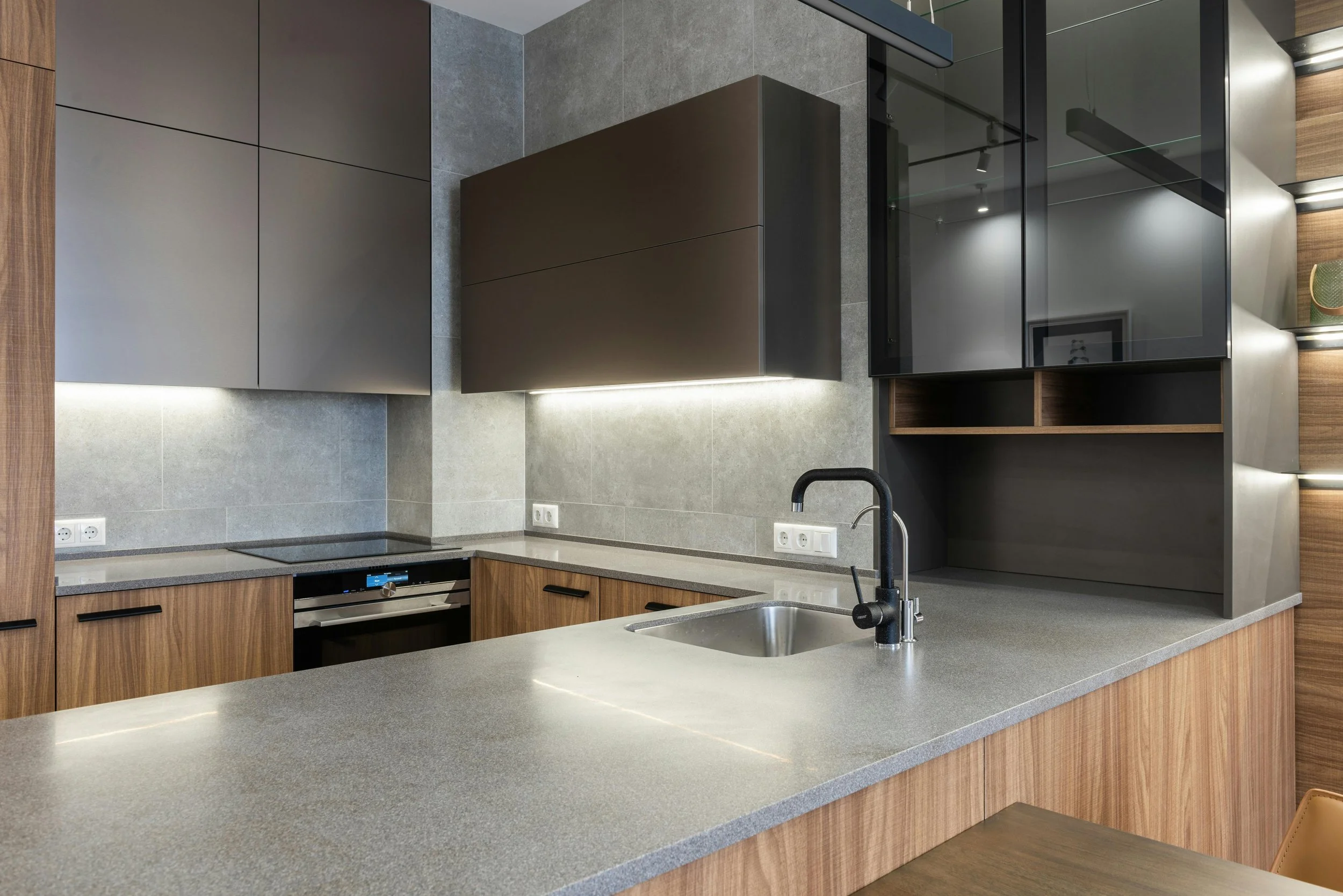

Mastering Curtain Measurements & Lengths: A Professional Guide for First-Time Living Room Decorators

When decorating your living room for the first time, it’s easy to get overwhelmed by the endless choices — fabrics, colors, furniture layouts, and lighting. However, one area that often gets overlooked — but makes a massive difference — is curtain measurements and lengths.

Curtains do more than provide privacy and control light; they define a space's mood, aesthetics, and even the perceived height and width. If you’re a first-time decorator, don’t worry — this guide will help you avoid common mistakes and teach you how to choose curtains like a pro.

Why Curtain Measurements Matter More Than You Think

Choosing the right curtain measurements can make or break the look of your living room. Undersized curtains can make a room feel squat and cramped, while the right length can elongate walls, balance proportions, and create an elegant, designer-like effect.

Getting Started: Know Your Window Type

Before diving into measurements, start by identifying the type of windows in your living room. Are they:

  • Standard rectangular windows

  • Bay windows

  • Sliding doors

  • French windows

Each type might require a different approach to curtain lengths and styles. For example, floor-length curtains look fantastic on large French windows, while tailored café curtains may suit a smaller kitchen-adjacent living space.

Choosing the Right Curtain Style

Curtains come in several styles, and your choice should align with the function and formality of your space. Common curtain styles include:

  • Rod-pocket curtains: Traditional and great for lightweight fabrics.

  • Grommet curtains: Modern with metal rings — easy to slide.

  • Pleated curtains: Formal, perfect for classic or traditional décor.

  • Tab-top curtains: Casual, ideal for bohemian or rustic styles.

Pair the style with your interior goals before you worry about length. The same applies when you plan how to choose curtains that match your furniture and wall colors.

Tools You’ll Need: Accurate Measurement is Key

To get curtain measurements right, use a reliable measurement tool — ideally a metal measuring tape for precision. Here's your basic toolkit:

  • Steel measuring tape (preferably 25 feet or longer)

  • Pencil and paper (or a digital notes app)

  • Step ladder

  • Level (to ensure rods are installed straight)

  • Curtain rod (to factor into length)

The Golden Rules of Curtain Measurements

Now let’s walk through how to measure your windows and calculate the ideal curtain length.

Measure the Width

  • Measure the width of the window from one outer edge of the frame to the other.

  • Add 8–12 inches on each side for the rod extension. This allows curtains to stack back without blocking the window.

  • Multiply the total width by 1.5 to 2.5, depending on how full you want your curtains. For a luxurious, pleated look, go with 2.5x fullness.

Measure the Length (Drop)

Now comes the crucial step — choosing the correct curtain length:

Standard Curtain Lengths

  • Sill Length: Ends just above the window sill (approx. 63 inches)

  • Apron Length: Ends just below the sill (approx. 84 inches)

  • Floor Length: Hangs just above the floor (approx. 95–96 inches)

  • Puddle Length: Extends 1–6 inches onto the floor for a dramatic effect (approx. 108+ inches)

How to Choose the Correct Curtain Length

If you’re unsure, floor-length curtains are the safest and most elegant choice, especially for living rooms. Here are some quick tips:

Important: Always measure from the top of the curtain rod (not the top of the window frame) to where you want the curtain to end.

Installing the Curtain Rod: The Pro Trick

To give your room more height, install the curtain rod 4–6 inches above the window frame, or even closer to the ceiling. This elongates the wall and draws the eye upward, making the space feel grander.

Also, extend the rod 3–6 inches beyond the width of the window on either side for a fuller look and to let in more light when the curtains are open.

Fabric Considerations: Light vs. Heavy

The fabric choice plays a role in both style and functionality:

  • Sheers: Let light in, good for layered looks.

  • Cotton or linen blends: Versatile and casual.

  • Velvet or brocade: Great for drama and insulation.

  • Blackout curtains: Excellent for privacy and controlling light.

Choose a fabric that complements your room's color palette, wall texture, and lighting.

Patterns, Colors, and Coordination

  • Solid curtains are timeless and blend well.

  • Patterns can make a statement, but should match at least one element in the room (like rugs or cushions).

  • Use contrasting colors if your walls are neutral, or go tone-on-tone for a minimalist vibe.

Don't Forget Lining

A curtain’s lining affects how it drapes, how much light it blocks, and how long it lasts. Lined curtains are better at insulation and block fading sunlight. If you're in a sunny area, this is a must.

Custom vs. Ready-Made Curtains

  • Ready-made curtains are affordable and easy to install, but limited in size options.

  • Custom curtains allow perfect measurements and style flexibility, but they cost more and take time to produce.

For a first-time decorator, starting with ready-made options tailored with a few tweaks (hemming or adding rings) can be a great middle ground.

Common Mistakes to Avoid

  • Hanging the curtain rod too low (makes the room look shorter)

  • Buying curtains the exact width of the window (not enough fullness)

  • Ignoring floor clearance — dragging curtains can gather dust.

  • Choosing the wrong length for the window style

FAQs

What is the best curtain length for a living room?

The best curtain length is typically floor-length, ending about ½ inch above the floor. It creates a clean, elegant look without collecting dust.

How do I know if my curtains are too short?

Curtains are too short if they end several inches above the floor (unless intentionally sill- or apron-length). They can look awkward and cheap if not intentional.

Can I use a regular tape measure as a measurement tool?

Yes, but it’s recommended to use a steel measuring tape for precision. Cloth or flexible tapes can stretch and give inaccurate results.

How wide should my curtains be?

Ideally, your curtain panels combined should be 1.5 to 2.5 times the width of your window, depending on how full or pleated you want them to appear.

Should curtains touch the floor or not?

It depends on your style:

Just above the floor: Clean and modern

Touching the floor: Classic and romantic

Puddling on the floor: Dramatic and formal

Final Thoughts

As a first-time decorator, getting curtain measurements right might feel intimidating, but it’s empowering. With the proper tools, techniques, and attention to length and placement, you can dramatically elevate your living room without blowing your budget.

Remember: curtains aren’t just window coverings — they’re framing devices for your room’s entire aesthetic. Once you master how to choose curtains and understand the impact of correct curtain length, you’re well on your way to creating a space that feels thoughtful, welcoming, and professionally designed.

Balancing Work, Life, and Graduate Studies in Education

Let’s be honest, trying to balance work, life, and grad school can feel like juggling flaming torches while riding a unicycle. On a tightrope. Blindfolded. If you’re an educator going back to school for an advanced degree, chances are you already have a full plate. Maybe you’re teaching during the day, grading papers at night, trying to maintain some semblance of a social life, and squeezing in family time whenever possible. Adding graduate studies into the mix? That can feel overwhelming.

But here’s the good news: it’s totally doable. With the right strategies and mindset, you can not only survive this phase but come out stronger and more skilled on the other side. Let’s break it all down so you can find your own sense of balance without burning out.

First, Know What You’re Signing Up For

Graduate studies in education aren’t just an extension of your undergrad experience. They’re more intense, more focused, and often come with real-world applications that demand your attention. Think lesson plans, group discussions, lengthy readings, and fieldwork. The academic load can be heavy, especially when you’re also working full-time.

Understanding what’s ahead is half the battle. Take time to review course outlines, talk to professors or former students, and get a realistic idea of how many hours per week you’ll need to commit. The more prepared you are, the less likely you’ll be blindsided halfway through the semester.

The Power of a Good Plan

Time management isn’t just a buzzword, it’s your lifeline. When your time is split between work, studies, and life in general, every hour counts. One of the best ways to keep your sanity intact is by creating a weekly schedule. Block out time for work, classes, studying, and personal time. Don’t forget to pencil in breaks; your brain needs them.

Try tools like Google Calendar, Notion, or even a good old-fashioned paper planner. Set goals that are specific and realistic. Instead of saying, "I’ll study this week," go for something like, "I’ll read chapters 3 and 4 and complete the discussion post by Thursday night."

And here’s a pro tip: Be flexible. Life happens. Kids get sick, deadlines shift, and energy levels fluctuate. Adjust your plan when needed, but always come back to it.

Picking a Program That Fits Your Life

One of the smartest moves you can make is choosing a grad program that matches your lifestyle. With so many options available, in-person, hybrid, and online, you’re not stuck with a one-size-fits-all solution.

If you’re already juggling professional and personal responsibilities, exploring flexible master's degrees in teaching can make it easier to integrate your studies into an already full schedule. Online programs often offer recorded lectures, adjustable deadlines, and asynchronous learning so you can tackle coursework when it works best for you.

That said, online learning isn’t for everyone. Some people thrive in face-to-face settings and need that physical classroom environment to stay engaged. Think about your learning style, your schedule, and your level of self-discipline when choosing the right format.

You Don’t Have to Do This Alone

Let’s be clear, there’s no award for doing everything by yourself. If you’re working and studying, it’s absolutely okay to lean on others for support. In fact, it’s essential.

Talk to your employer about your school schedule. Some companies offer flexible hours or even tuition assistance for continued education. Share your goals with friends and family so they understand when you might be less available or need a little help.

Connecting with fellow students can be a game-changer. Whether it's through group chats, online forums, or virtual study groups, finding your people makes the journey less isolating. You’ll learn faster, stay motivated, and maybe even make a few lifelong friends.

Take Care of You, Too

This one might seem obvious, but it’s the first thing people forget: self-care is not optional. You can’t pour from an empty cup. If you're constantly running on caffeine and stress, you're not doing yourself any favors.

Sleep matters. So does eating well, getting fresh air, and moving your body. Even something as simple as a 10-minute walk can reset your brain after a long study session. Find small ways to recharge that work for you—a favorite TV show, a phone call with a friend, or a quiet moment with a cup of tea.

Mental health is just as important. If you’re feeling overwhelmed, talk to a counselor or therapist. Many schools offer free or low-cost mental health resources. Take advantage of them.

Celebrate the Little Wins

When you’re in the thick of things, it’s easy to focus on what’s left on your to-do list instead of how far you’ve come. So celebrate those wins, no matter how small. Finished a tough paper? Nailed a presentation? Managed to study after a full day of teaching? That’s huge.

Keep a journal or checklist to track your progress. Give yourself credit for showing up and pushing through. Those small victories build momentum and confidence.

And hey, have you ever noticed how a well-timed high-five or a little self-congratulatory fist pump can boost your mood? Try it. Seriously.

Think About the Big Picture

Why did you start this journey in the first place? Was it to earn a promotion? Change your career path? Deepen your expertise? Reminding yourself of your “why” can pull you through the tough weeks.

Although juggling everything can be challenging, the benefits can be tremendous.  You can increase your income, move up into leadership roles, and feel more fulfilled in your teaching career by earning a graduate degree.  It's less about the degree and more about the person you become along the way. You're demonstrating to both yourself and other people that personal development may occur at any point in life. And that is quite motivating.

Wrapping It All Up

At the end of the day, balancing work, life, and graduate school comes down to a mix of planning, support, and self-compassion. Some days will feel like a breeze; others will test your limits. But with a little flexibility, a strong support system, and an eye on your long-term goals, you can do this.

So take a deep breath. Make your plan. Ask for help when you need it. And don’t forget to pat yourself on the back every now and then. You’ve got this.

Tips for a Stress-Free Move When Moving to an Island State

Relocating to an island state presents both excitement and challenges. The allure of beautiful landscapes and a laid-back lifestyle is appealing, yet the logistics can feel overwhelming. With careful planning and some helpful tips, the transition can be smoother and more enjoyable.

Understanding the local culture, climate, and amenities, along with organizing essential tasks, will help in overcoming potential stress and making the move a positive experience. Whether you're considering moving to Hawaii or another island destination, proper preparation is key to a successful relocation.

Research and Preparation

It is important to research the destination well in advance before venturing out. Familiarizing oneself with the local culture, climate, and amenities will help ease the transition into the new surroundings. A checklist of things to do with deadlines will help to organize and reduce unnecessary stress.

Choosing a Reliable Moving Company

Getting a good moving company can be a game-changer. Make sure to read reviews and get personal recommendations from friends or family, if possible, about other people who have done similar things, and asking questions about packing, storage, and insurance options is a great way of providing your peace of mind.

Packing Wisely

Smart packing is critical. Begin by sorting belongings and deciding what is necessary to take, and consider donating or selling items that are no longer needed. Using sturdy boxes and proper labeling will make unpacking easier, while fragile items should be packed with extra care to prevent damage during transit.

Knowledge of Shipping Regulations

Moving to an island state often involves shipping possessions by sea or air. Familiarizing oneself with shipping regulations and customs requirements is essential, as some items might be restricted, and knowing these details in advance can help avoid unexpected issues.

Managing Transportation

Planning how to transport vehicles is another important aspect. Shipping a car requires specific arrangements, and understanding the process can save time and effort. According to the U.S. Department of Transportation, considering public transportation options or car rentals upon arrival can be helpful.

Health and Legal Considerations

It is very important to check if your health and legal matters are in order before moving. Move medical records to a new doctor, update legal documents, and find out about local healthcare facilities to provide access to the services that one needs.

Settling into the Community

When you arrive, it can be helpful to connect with the local scene. New friends can be formed by attending local events, joining clubs, or participating in activities, and interacting with your neighbors and learning more about the culture of the city will make you feel at home in no time.

Exploring the Surroundings

Transition feels far more fun if you take the time to explore the surrounding area. Exploring local attractions, enjoying natural beauty, and tasting local food can all help make people feel at home, as those special elements of island life will add to the experience.

Being Flexible and Patient

Flexibility and patience are essential for every moving process. Sometimes, challenges are not visible, and a positive attitude will help with the adjustment process. It may take time to get used to a new pace of life, but recognizing this may help you enjoy the process.

Building a Support Network

If you build that network, it can be comforting to know that you have it in place. Find other newcomers or join an expat group for tips, as being around people who have made similar transitions can provide inspiration and clarity.

Financial Planning

Financial planning is something you should not ignore. One of the keys to being ready to relocate is knowing what the cost of living is and planning around that so there are no surprises, and it pays to investigate local bank options and currency-related issues.

Final Thoughts

Relocating from one state to another within the mainland United States is an adventure, but moving to an island state is a much bigger challenge. With proper preparation, having an organized mind, and being open to the new surroundings, the transition can be a smooth process, and if you make it the right experience, it will become a journey filled with new experiences.