Turn Your Outdoor Area Into a Place You’ll Love Spending Time

Are you sick and tired of looking at your backyard as something you somehow failed to seize? It's time to turn this place into one you'll love coming home to. Whether you have 2000 sq. meters of your terrace or a magnificent garden, it is time to stop wasting money and nerves to make your outdoor space look great. Peaceful and creative, easily located, a few minutes outside the door – your new place to relax might be no farther than that.

Quick Guide to Getting Started

Define Purpose: Think about what you want to do in the outdoor area.

Spatial Continuity: There should not be any interruption between the indoor and the outdoor spaces.

Privacy Meets Panorama: Minimize the concept of privacy by using features like beautiful hedges or green walls.

Easy Ways to Spruce Up Your Outdoor Space

Prioritize Your Purpose

First of all, you should determine the goal that you have in mind for your outdoor living space. Will it be where one will entertain friends by having a barbecue over the weekend, a home where one can retire, or a play area for children and pets? It's essential to think about your lifestyle when deciding on the layout. Whereas entertainers may require large dining areas, the Strelka KBP’s clients may desire a quiet nook with comfortable armchairs and dim lighting.

Install Character-Boosting Structures

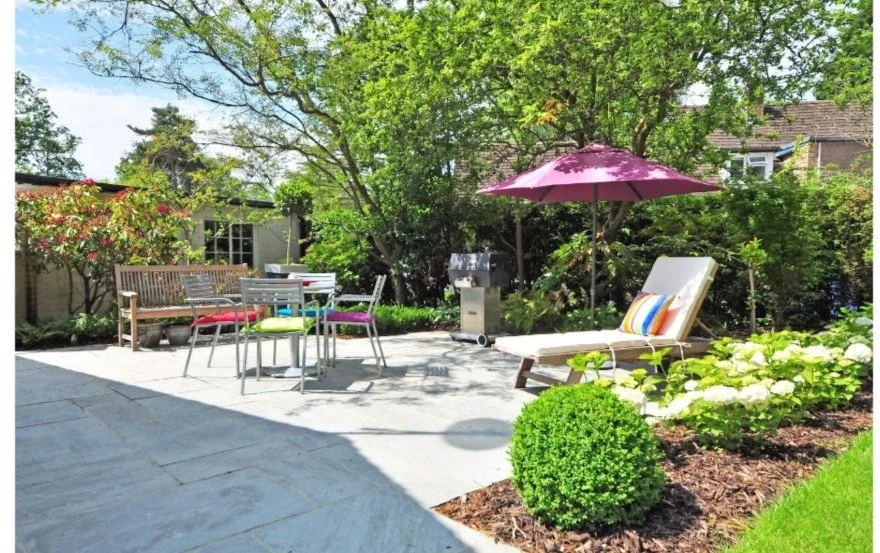
A pergola provides a cool shelter and beautifies plants that grow on it. Gazebos are a great place for dining or relaxation; the fans may be installed on the ceiling to cool the air during hot seasons. It is also between an enclosed structure and an open space, which critics call a sunroom, to extend your entertaining, weatherproof all year round. You can easily achieve this with the help of expert landscape design, who can ensure that everything fits in naturally. Fire pits have become quite popular when lighting up and warming up a room due to the good feeling associated with them. And don’t forget garden accents – trellises and arbours can outline the paths and exhibit the selected flowers.

Bring Your Space to Life with Plants

Plants bring the sense of touch, sight, smell, and feelings of tranquility. One should select low-growing perennials, indigenous plants, and colorful pots to make the garden more interesting and unique. Design curiosity through hierarchical gardens or plants placed in natural containers through brick parterres or deep and rich bottom lines. For a kitchen – fresh herbs. For a gazebo – flowering creepers. For the balcony, a green explosion of various plants gives the place the necessary charge of vitality.

Layout with Intent

The proposed concept can be divided into several areas: the dining area, the living area, the play area, and the garden area. Some of the factors that should be considered are the position of the furniture or structures with natural elements such as sunlight, shade, and wind. For instance, the golden light of the evening is ideal for dinner, and a shaded niche can become your favorite place to read.

If not properly managed, the current porch will be missed as an opportunity to develop a great outdoor play area. It is also important to note that one can alter the feel and functionality of this space depending on the setup. It is doable if you are looking for a place to relax or need an interesting place for social gatherings with friends. Selecting the porch's design is one way to create a homelike atmosphere in the outdoor living space.

The Ultimate Guide to Renting Vehicles for Short-Term Travel

When traveling, the general consensus is that the less time spent traveling, the better. While there are certainly exceptions to this rule in terms of the journey being more important than the destination, most folks would agree that the less time they spend stuck inside a plane, train, or automobile, the better their trip will be. However, there is one form of travel that can actually be massively enjoyable as long as you know what you’re getting into and follow a few simple rules…that is, of course, renting a vehicle in order to explore a location at the time and style of your choosing. 

Choosing The Right Rental Company

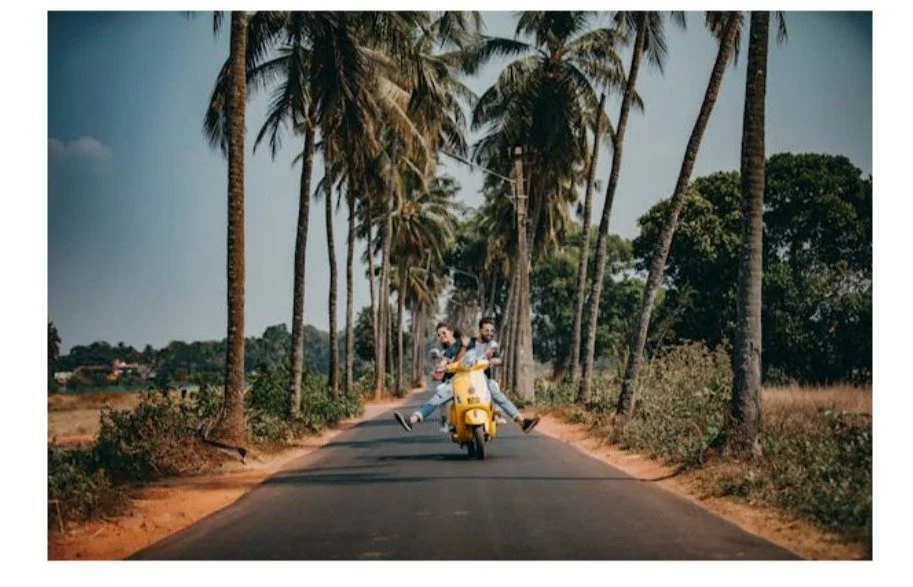
The rental company you select to spend your money with will have a considerable influence on how much of a good time you have or if you end up having to negotiate down a repair bill where the number has been plucked out of the ether before you can get your passport back! You must always try to go with those companies that offer a range of services and are upfront with their costs. If you take this Waikiki scooter rental service as an example, you can see right from the get-go what it costs, additional services that you might want to take advantage of, and everything else that they provide as part of their service. By taking the time to opt for a highly professional rental service as opposed to one that might simply offer the lowest price, you will ensure that you remain safe in terms of receiving a well-maintained vehicle and are safe from any potential scams. 

Make Sure You Are Familiar With The Vehicle You Want To Rent

Plenty of travelers will head out to the farthest corners of the planet without any experience of driving or riding the various modes of transport available and willingly risk their health and possibly life without much of a second thought. While the experience of traveling at your own pace can be thrilling, you really need to ask yourself if you’re competent with whatever mode of transport you want to select. For instance, if you plan on ripping around a country on a high-powered off-road motorcycle but you’ve no real experience with ever operating these things, you are opening yourself up for serious injury and possibly putting the locals in danger from your own reckless driving.

Understand That Road Rules And Etiquette Vary Massively From Place To Place

Just because you might give way to oncoming traffic at an intersection in your own country doesn’t mean that the locals will also follow this rule. Moreover, even if there do exist road rules, plenty of nations are lax in following them, to say the least. 

Always Read Any Contract Before You Sign 

When it comes to renting a vehicle, regardless of the option, you should never allow your excitement to cloud your judgment. If a contract looks dodgy or if you are uncomfortable with having to leave your real passport instead of a cash deposit or copy, then you really ought to trust your instincts. It’s better to be safe than sorry, particularly when in a foreign country where the police may be more likely to side with a local business than a foreigner!

Although many of the points we’ve made in this post might appear to be trying to put you off, it couldn’t be further from the truth. Renting a vehicle is a great way to explore a country…as long as you know what you’re getting into.

More Than Décor: What Wall Art Reveals About You

At first glance, a bare wall might seem like a blank space with no particular meaning. But in truth, it holds incredible potential. In the world we live in now, our homes are far more than just places to sleep and eat. They have become our workspaces, our wellness zones, our places to entertain and escape. That shift has made us more conscious of what surrounds us. We think more about the lighting, the furniture, and perhaps more than ever, the art we choose to display.

If you have ever browsed through a collection of Wall Art Prints, you will know the sheer variety available is overwhelming. But it is also deeply personal. Choosing a piece of art for your wall is not simply about finding something that fills a space. It is about selecting something that resonates, something that complements the energy of a room, and often, something that says a little about who you are.

Wall art is a visual language. It can be deliberate or instinctive. Some people carefully curate their walls like galleries, while others let things evolve organically over time. Either way, the result is the same. What ends up on your walls tells a story about you — even if you never intended it to.

The Psychology of Your Wall Choices

The art you are drawn to often reflects something about your inner world. For instance, abstract artwork tends to resonate with people who embrace feeling and intuition over rigid structure. These are often individuals who enjoy subtle complexity, who are comfortable with ambiguity and like their art to evoke emotion rather than deliver a clear narrative.

Photography in monochrome appeals to those who favour simplicity and mood. It has an elegance that speaks softly but confidently. These pieces often appeal to people who value timelessness and subtle drama over colour and chaos.

Then there are the vibrant personalities who lean into pop art. They want something eye-catching, something that makes a statement. This is not about blending in. It is about expressing energy, humour, and boldness. A pop-inspired print in a living space usually belongs to someone who enjoys being noticed and celebrates the joy of standing out.

Nature scenes, meanwhile, suggest a connection to calm, to greenery, and to the outdoors. These kinds of prints often appear in homes that prioritise comfort and serenity. They belong to people who appreciate gentle balance and a sense of peace in their surroundings.

Even the choice to hang an inspirational quote is telling. This often belongs to someone who is reflective or driven — someone who finds encouragement in words and enjoys seeing reminders of purpose or resilience woven into their space.

Where You Hang Art Tells Its Own Story

Placement is more than a logistical decision. The way you arrange your art says just as much as the piece itself. A grand, framed print taking pride of place above the fireplace suggests someone confident, someone who wants that particular piece to shape the tone of the entire room. It declares importance and intention.

Contrast that with a staircase lined with mixed frames — photographs, sketches, postcards — and you see something different entirely. That approach suggests someone who values story over symmetry. It reveals a layered personality, someone comfortable with variation and visual rhythm.

In bedrooms, people tend to choose art that soothes. These are spaces of reflection, rest and softness. You might find abstract watercolours or muted landscapes here, gently setting the mood without overpowering it.

Even transitional spaces like hallways speak volumes when they are treated as opportunities for art. If you see a considered gallery in an entryway or corridor, it often indicates someone who values continuity, someone who wants the home to feel whole — not just decorated in patches, but thoughtfully connected.

Colour as a Clue to Your Personality

The colours you choose for your walls, and especially your art, reveal more than just your taste. They have the power to influence energy and communicate your emotional preferences, even without your realising it.

Warm tones such as burnt orange, ochre, or ruby red often suggest someone who enjoys vibrancy and warmth. These colours bring life into social spaces and are popular among people who thrive on connection and atmosphere.

Cool tones like sage green, dusky blue or lavender create spaces that feel grounded and calm. They are the palette of someone who enjoys peace, introspection and mental clarity.

Neutral shades — soft greys, warm whites, muted taupes — tend to be chosen by those who appreciate balance and subtlety. These are elegant tones that create space to breathe and relax.

Black and white combinations, when used deliberately, offer contrast and structure. They are often selected by individuals with a strong visual identity, those who enjoy minimalism but are unafraid to create drama when it counts.

In any setting, colour is a tool for mood and message. It shapes how people feel in a room. It has the ability to energise, calm or command attention. In many ways, it is the unspoken language of your space.

Art That Tells Your Personal Story

Beyond aesthetics and ambience, the most powerful art is often personal. It connects to something meaningful — your past, your beliefs, your experiences. A handcrafted textile from your heritage, a watercolour of a childhood home, a portrait of a beloved pet — these are not just decorative objects. They are chapters in your story.

Art that reflects cultural identity is deeply rooted and rich in symbolism. It brings depth and history into a room and often speaks across generations. Likewise, art collected during travel often captures the spirit of a moment, a place or an adventure. It reminds you not just where you went, but how you felt when you were there.

Supporting local artists can also say a great deal. It suggests a commitment to authenticity, to community and to craft. These are the kinds of pieces that guests stop to ask about. They often come with stories — not just your own, but those of the creators too.

The Rise of Personalised and Digital Art

Technology has opened up entirely new possibilities when it comes to personal expression through art. In a world where almost anything can be customised, there is increasing demand for artwork that feels truly unique.

Personalised prints have exploded in popularity. Star maps, family illustrations, name art or soundwave prints — all offer ways to put a piece of your identity right on the wall. They are thoughtful, specific and emotionally rich.

Digital downloads have also transformed the way people engage with art, especially renters or those who like to change things up regularly. These prints are affordable, easy to swap and quick to update. They offer enormous creative freedom without the pressure of permanence.

Online marketplaces like Etsy are thriving because they give people access to thousands of independent creators. The result is a world of artwork that feels more human, more heartfelt and more aligned with individual taste. There is something immensely satisfying about owning a piece that was made with real intention.

How You Live Shapes What You Hang

Whether you rent or own your home can influence the kinds of art decisions you make, but the underlying desire to express yourself remains the same.

Renters tend to be resourceful. Without the option to drill or paint freely, they turn to creative alternatives. Tapestries, adhesive hooks, fabric prints or lightweight frames become tools of personalisation. These methods let people put their stamp on a space without leaving permanent traces.

Homeowners, with greater freedom, often take a more permanent approach. This might involve building a gallery wall, commissioning custom artwork, or even incorporating art into the very structure of the space. They have the luxury of creating a long-term relationship with their environment.

In both cases, the goal is shared. It is about turning your surroundings into something that reflects your values, your personality and your sense of comfort. Whether temporary or permanent, your art choices make a space yours.

Choosing with Confidence

With so many options out there, it is easy to feel overwhelmed. But choosing art does not have to be complicated. Start by thinking about how you want the room to feel. Is it a space for calm or conversation? Is it where you work, sleep or connect?

Focus on what resonates with you emotionally. Do not worry too much about matching fabrics or following trends. The most impactful art is the kind that speaks to you on a personal level.

Think about scale. One small frame on a large blank wall may feel lost. A series of grouped pieces or a single, larger print can create more balance and impact.

And finally, give yourself permission to trust your instincts. If something draws you in — if it makes you pause, smile or feel something — that is probably a sign it belongs in your home.

Let Your Walls Do the Talking

Wall art is more than an accessory. It is a form of communication. It tells your guests something about your outlook, your interests and your journey. Even if you do not consider yourself especially artistic or design-savvy, the choices you make about your space are deeply personal.

So take a moment to look around. Think about what your home says right now — and what you might like it to say instead. Maybe it is time to shift things around, to bring in something new or give something old the spotlight it deserves.

Whatever you choose, let it be yours. Let your walls speak for you, not with perfection, but with personality. Because when your space reflects who you are, it becomes so much more than beautiful. It becomes meaningful.

From Rainforests to Record Breakers: 15 Fascinating Facts About Brazil

If Brazil were a person, it would be that effortlessly cool friend who's got rhythm, roots, and just the right amount of mystery. From the samba-filled streets of Rio to the depths of the Amazon, Brazil is full of surprises. Whether you’re planning a trip or just want to brush up on some cultural trivia, here are 15 captivating facts about the world’s fifth-largest country that’ll give you a fresh appreciation for this South American giant.

1. The Name That Stuck (and Smells Like Trees)

Let’s start with the basics: Brazil is named after a tree. Yep, not a founding father or a mythical deity, but the humble Brazilwood tree (known locally as Pau-Brasilia). This tree, found in the Atlantic Forest, has a reddish heartwood that early Portuguese explorers prized for dye production. That deep, ruby color inspired the name—brazil actually comes from brasa, meaning "ember" in Portuguese. Smoky red, rich wood… what a way to make an entrance.

2. Where to Stay? Think Tropical Chic

If you’re looking for a dreamy Brazilian escape, head to the laid-back beaches of Bahia. One of the country’s best-kept secrets is the boho-chic village of Trancoso, known for its charm, tranquility, and sophisticated stays. For an unforgettable experience, check out this spot for fasano trancoso booking—a luxury hideaway that mixes rustic elegance with Brazilian soul. Trust us, you’ll want to stay forever.

3. A Continental Giant

Brazil is massive. It takes up 47.3% of South America’s total land area—nearly half the continent! Globally, Brazil ranks as the 5th largest country, just behind Russia, Canada, the USA, and China. And for comparison’s sake, Brazil is only slightly smaller than the entire contiguous United States. So yeah, it’s big enough to hold all your adventures—and then some.

4. A Coastline to Get Lost In

With a coastline stretching over 4600 miles (7242 km), Brazil is a beach-lover’s paradise. That’s more than twice the length of the Atlantic coast of the U.S., which clocks in at 2069 miles. From the iconic sands of Copacabana to hidden tropical bays in the northeast, Brazil is practically made for sun-seeking wanderers.

5. Borders, Borders Everywhere

Brazil is so vast, it shares a border with 10 of the 12 South American countries. The only two it doesn’t touch? Chile and Ecuador. That means if you’re road-tripping through the continent, chances are you’ll pass through Brazil at some point—whether you plan to or not.

6. Home of the Amazon

More than 60% of the Amazon Rainforest lies within Brazil’s borders. It’s one of the most biodiverse places on Earth and acts as the planet’s lungs, playing a key role in oxygen production and climate balance. Visiting it is like stepping into another world—humid, green, and teeming with life.

7. A Biodiversity Superpower

Brazil is one of only 17 mega-diverse countries on the planet. What does that mean? It has at least 5,000 endemic species and an incredibly varied ecosystem—from tropical forests to coastal reefs and highland plateaus. If it breathes, swims, flies, or slithers, there’s a good chance it calls Brazil home.

8. Portuguese Roots

While most of South America speaks Spanish, Brazil is the lone Portuguese-speaking holdout. That’s because it was colonized by Portugal, not Spain, back in the early 1500s. You can still see Portuguese influence everywhere—in the architecture, cuisine, and especially the language that sings through the streets today.

9. A Dark History of Slavery

Brazil was tragically the largest importer of African slaves in the Americas. Between the 1500s and the late 1800s, an estimated 4 to 5 million Africans were forcibly brought to Brazil to work on sugar plantations, in mines, and on coffee farms. Slavery wasn’t abolished here until 1888, making Brazil the last country in the Western Hemisphere to do so.

10. Deep African Roots Today

As a result, Brazil today has the second-largest population of African descent in the world—second only to Nigeria. The city of Salvador, in the northeastern state of Bahia, is often considered the cultural capital of Afro-Brazilian heritage and is the largest African-descended city outside of Africa.

11. A Surprising Japanese Connection

Here’s something you might not expect: São Paulo is home to the largest Japanese community outside of Japan. After slavery was abolished, Brazil needed laborers for its coffee plantations. In the early 20th century, Brazil partnered with Japan to encourage immigration. Today, that legacy lives on in São Paulo’s “Japantown” and the Museum of Japanese Immigration.

12. A Celebration of Diversity

Brazil is one of the most racially and ethnically diverse countries on Earth. Its people are a vibrant mix of indigenous, African, Portuguese, Japanese, Italian, German, and other European backgrounds. And here’s something beautiful: Brazilians tend to embrace that diversity with open arms. In cities like Rio and São Paulo, multiculturalism isn’t just tolerated—it’s celebrated.

13. Olympic Firsts

Brazil made history when Rio de Janeiro hosted the 2016 Summer Olympics—the first Olympic Games ever held in South America. More than 11,000 athletes from 206 countries competed, setting 91 Olympic records and 27 world records. These games weren’t just about medals—they marked a major milestone for the continent.

14. Coffee Kings

If you’ve had a cup of coffee today, there's a good chance it came from Brazil. The country has been the world’s top coffee exporter for over 150 years. At one point in the early 1900s, Brazil was responsible for 80% of the world’s coffee exports. Today, that number sits around 30%, but Brazil is still the globe’s caffeine king.

15. Brazil Breaks the Mold—Legally Speaking

Brazil has some unique laws that might surprise travelers:

  • No using cell phones inside banks (to prevent robberies)

  • Smoking banned in public spaces with a roof

  • E-cigarettes? Not legal

  • Indoor tanning booths? Also banned

  • Gambling? Sorry, not here

Professional hunting? Forbidden The list might seem long, but it’s all about safety and sustainability.