The Ultimate Guide to Skydiving Near Me: Tips, Tricks, and Must-Know Info

If you're feeling the thrill of adventure calling, skydiving might just be the perfect experience for you. Whether you're an adrenaline junkie or simply looking to tick an epic adventure off your bucket list, skydiving offers an unforgettable rush. Let's take a look at what you need to know before you go skydiving, including tips, safety information, and even the best skydiving centers in Washington, DC when you search for "skydiving near me."

Why Skydiving is the Ultimate Thrill

Skydiving is an experience that combines excitement, courage, and breathtaking views. The sensation of freefalling at over 120 mph before floating gracefully to the ground is unmatched. It's not just about the adrenaline rush — skydiving has been shown to improve mental focus, increase self-confidence, and create lasting memories.

What You Need to Know Before Skydiving

Before jumping out of a plane, there are several key things to understand:

1. Tandem vs. Solo Skydiving

  • Tandem Skydiving: Ideal for first-timers. You'll be securely harnessed to an experienced instructor who controls the entire jump.

  • Solo Skydiving: Requires training. The Accelerated Freefall (AFF) course is designed to prepare you for jumping independently.

2. Physical and Health Considerations

  • While skydiving is physically demanding, most people can safely participate. Ensure you're in good health and disclose any medical conditions.

  • Some conditions, like heart problems or respiratory issues, may require medical clearance.

3. Age and Weight Requirements

  • In the U.S., skydiving participants must be at least 18 years old.

  • Weight limits vary but typically range between 200-230 lbs. Some facilities may charge extra for heavier jumpers due to safety equipment requirements.

4. Weather Conditions

  • Skydiving heavily depends on clear skies and stable winds. Always check the weather forecast before booking your dive.

How to Choose the Best Skydiving Center Near Me

When searching for "skydiving near me," ensure you pick a reputable drop zone. Here's what to look for:

  • Certification: Ensure the center is certified by the United States Parachute Association (USPA).

  • Experienced Instructors: Research the instructors' credentials and experience.

  • Safety Record: Look for a center with an excellent track record and modern equipment.

  • Customer Reviews: Check online feedback for insights on customer experience.

Top Skydiving Centers in Washington DC

If you're in or near Washington DC, these top-rated skydiving centers provide outstanding service and safety:

  1. iSkydive America

    1. The closest dive location to Washington D.C. This popular facility offers tandem jumps and stunning views.

  2. Skydive Baltimore

    1. Just an hour from DC, this center offers stunning views of the Chesapeake Bay.

  3. DC Skydiving Center

    1. Conveniently located near the DC metro area, this center provides both tandem jumps and AFF programs for those pursuing solo diving.

  4. Skydive Delmarva

    1. Known for its scenic coastal views and high-altitude jumps.

Lifehacks for a Great Skydiving Experience

  • Wear Comfortable Clothing: Opt for athletic wear that allows you to move freely.

  • Eat Lightly Before Your Jump: Avoid heavy meals or excessive caffeine before your dive.

  • Follow Instructions Closely: Listen carefully to your instructor for maximum safety.

  • Relax and Breathe: Stay calm and enjoy the experience instead of fixating on fear.

FAQs About Skydiving Near Me

Q: How much does skydiving cost in Washington DC?

A: Tandem jumps typically range from $200 to $300. Solo training programs, like AFF, may cost $1,500 or more for certification.

Q: Is skydiving safe for first-timers?

A: Yes, especially with tandem skydiving. Instructors manage all safety measures, making it a secure and thrilling experience.

Q: What happens if my parachute doesn't open?

A: Skydiving instructors carry a reserve parachute and an Automatic Activation Device (AAD), which deploys the backup chute automatically if needed.

Q: Can I bring my own camera for the jump?

A: For safety reasons, most skydiving centers do not allow first-timers to carry personal cameras. However, professional photo and video packages are often available.

Q: What should I expect after my jump?

A: Post-jump exhilaration is common, and you may feel a mix of joy, pride, and relief. Many centers provide video footage so you can relive the experience.

Final Thoughts

Skydiving offers an unforgettable way to conquer your fears, boost confidence, and enjoy the beauty of the world from above. Whether you're exploring "skydiving near me" options or planning a Washington DC skydiving adventure, preparation is key. Choose a reputable skydiving center, listen to your instructors, and embrace the thrill of a lifetime!

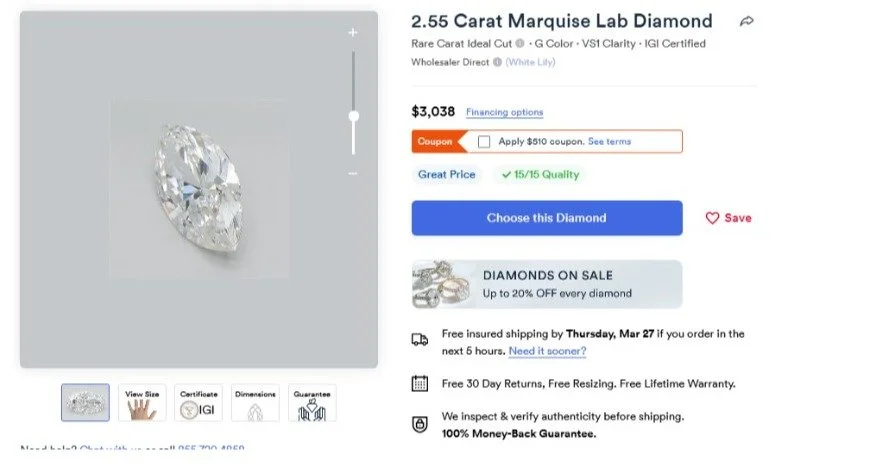
2.5-Carat Marquise Diamond – A Vintage-Inspired Beauty

The marquise cut precious stone, with its prolonged and pointed closes, offers a particular and rich appearance. The marquise cut’s interesting shape not as it were maximizes carat weight, making the jewel show up bigger, but too compliments the finger with its stretched design.

Cut is the most critical figure. When an experienced gemologist picks up a Rare Carat 2.5 carat marquise diamond evaluating report, their eyes go to exceptionally particular values. They are looking to see if these drop inside the craved ranges. Apparently insignificant values like the profundity rate have an expansive impact on how your precious stone will shimmer - and these values contrast for each shape.

Rare Carat America’s #1 source of unbiased advice for diamond engagement rings. Rare Carat compares over a million natural and lab-grown diamonds at trusted retailers to save you money. Free gemologist checks on GIA-certified diamonds & 4 Cs Diamond Buying Guide.

There are least clarities our gemologists lean toward for each shape of Rare Carat 2.7 carat ring, but past that clarity is a matter of budget and inclination. Individuals ordinarily point for an eye clean stone. Moreover, our gemologists have certain deal-breakers when it comes to clarity. For case, our gemologists continuously dodge stones with a depth, since with one off-base hit your jewel can break.

When selecting a Marquise precious stone, it’s basic to guarantee symmetrical extents and be mindful of the potential “bow-tie” impact in the center. The most well known length to width proportions are 1.70-21.5. We suggest looking for a S1 or S2 for the best clarity and esteem in marquise diamonds.

Marquise precious stones have customarily been essentially less costly than circular jewels. In any case, the marquise cut has picked up a few genuine footings in the final couple of years and their costs have gone up in connection to other precious stone shapes. A one carat marquise presently costs $ 4000, and you can also check Rare Carat 1.5 carat flawless diamond price from their site.

Bottom Line Recommendation

A marquise precious stone is an interesting heading to go when selecting a shape for your engagement ring. A staggering marquise precious stone like this from will include a component of points and asymmetry that you wouldn’t have with a standard circular diamond.

Due to their favorable, prolonged shape, it’s dubious to decide the cut quality of a marquise precious stone. Profundity % and table % change from jewel to precious stone, and length to width proportion inclination is subordinate on individual appeal.

For jewel color, we by and large prescribe an H or superior. For clarity, we propose looking for an S1 or S2

In the 18th century, Lord Louis XV of France asked a jewel be cut to take after the lips of his special lady, the Marchioness Madame de Pompadour, Jean Antoinette Poisson. Whereas the contract plan has been refined over time, it keeps up likenesses to the original.

In the a long time taking after the starting cut, the jewel was named marquise, which alluded to a rank fair underneath duke. Prestigious people would wear marquise precious stones to illustrate their rank. Marquise jewels are too once in a while called Navette, meaning “small ship” in French. The marquise’s shape is comparable to a watercraft, a prolonged eye and an American football.

Marquise Cut Jewel – Cut Quality

Largely influencing the generally excellence and esteem of any precious stone is the precious stone cut. If you spend your budget on any of the 4 C’s (cut, color, clarity and carat), cut ought to be at the best of the list. Indeed if you conclude up diminishing your carat weight to get a way better cut, it will pay off in the diamond’s magnificence and appearance.

Selecting a marquise jewel is dubious since what makes a fabulous cut is less characterized. Indeed in spite of the fact that the GIA grades marquise precious stones, it as it were issues cut grades to circular brilliants. In this way, it’s incomprehensible to know if a marquise will be gloomy or stellar without looking closer.

Common Marquise Jewel Cut Problems

While numerous cut components can make a marquise precious stone undesirable, we’ve highlighted common issues in the pictures underneath and compared them to a perfect cut Marquise.

1. Bowtie

Marquise cut with a bowtie

This jewel contains a recognizable bowtie: the dull zone running over the diamond’s center. We extend on the bowtie impact afterward in this article, but all in all, it takes away from the diamond’s magnificence and gets to be the undesirable point of consideration. This jewel is too cut marginally as well wide, making it more wide than elegant.

2. Slim Football

Marquise cut as well narrow

The jewel is cut like a contract football and needs solid eye requests. Its table is as well little and its crown is as well tall (the parcel over the diamond’s support). These components constrain both white and colored light reflection, making the precious stone less than radiant.

3. Perfect Marquise Diamond

Ideally cut marquise cut diamond

While length to width proportion depends on individual inclination, this jewel has an engaging shape at a 1.90 proportion. It is cut with a sizable table, permitting for adequate light reflection. There is no recognizable bowtie (dim space running over the jewel) and it’s recognizably more excellent than the other two diamonds.

How to Swiftly Navigate Real Estate Market Changes

Key Takeaways

  • Understand how to adapt to fast-paced shifts in the real estate market.

  • Learn strategies to make informed decisions and mitigate risks.

  • Discover tools and resources to stay updated with market trends.

Adapting to real estate market shifts requires staying informed, acting decisively, and leveraging expert guidance. Monitoring trends like interest rates and housing inventory helps buyers and sellers make well-timed decisions. Flexible strategies, including adjusting pricing expectations or exploring off-market opportunities, can offer advantages in a fluctuating market. Partnering with real estate professionals provides valuable insights and negotiation expertise, ensuring smoother transactions. Additionally, utilizing digital tools and market analytics enhances decision-making. By staying proactive and informed, individuals can navigate changes efficiently and secure the best opportunities in an evolving real estate landscape.

Introduction to Market Dynamics

The real estate market is highly volatile, influenced by economic shifts, policy changes, and unforeseen events like global pandemics. Being informed and adjusting fast is essential to keep a competitive edge. Because supply and demand control the market, sudden spikes in the number of purchasers or a dearth of accessible real estate cause price swings. Understanding key trends and anticipating changes is key to staying ahead. Successfully navigating the market requires agility, knowledge, and an adaptable strategy. Whether you are looking at selling a house in Kentucky or buying property in a bustling city, the ability to swiftly respond to market changes can significantly impact your investments. This article explores the fundamental elements needed to become adept at maneuvering through market fluctuations. Real estate is one of the most dynamic markets, frequently influenced by various factors that demand a robust understanding and proactive approach from investors.

Understanding Market Indicators

To navigate the market successfully, understanding key indicators is essential. Factors like interest rates, housing supply, and demand cycles are crucial in market fluctuations. For example, increasing interest rates can discourage buyers, decrease demand, and cause potential price declines. Consulting experts like Kentucky Sell Now can provide valuable insights and guidance in adapting to these shifts. Additionally, external factors—like changes in economic policy—can cause ripple effects throughout the market, affecting everything from mortgage availability to property values in a particular region. Recognizing these indicators early enables timely decision-making and better risk management.

Strategies for Selling Your Home Quickly

If you intend to sell a property, making it as attractive as possible is crucial. Start by enhancing curb appeal and de-cluttering spaces to wow potential buyers. A simple first impression can be created by landscaping the front yard or applying a new coat of paint. Analyze recent sales in your neighborhood to determine a competitive price for the house; a low price could devalue the property, while a high price could result in a lengthy time on the market. Embrace digital marketing by listing the property online, using quality images and virtual tours to broaden your reach. Thanks to the increasing popularity of virtual tours, potential buyers can inspect the property from the comfort of their homes before setting up a physical visit.

Buying Property During Market Fluctuations

In volatile times, buying property requires keen insight and analysis. Identifying a good investment involves evaluating neighborhood trends and projections. Look for areas poised for growth, such as those with planned infrastructure developments or increasing amenities. It is wise to examine detailed market reports and forecasts to avoid missteps. This information provides a snapshot of current trends and predicts future market behavior. Ensure the property’s location supports future value growth, focusing on factors such as connectivity, educational institutions, and community amenities—these can significantly impact property appreciation over time.

Utilizing Technology in Real Estate

Technology has revolutionized how we engage with real estate. Online platforms allow for comprehensive market analysis and property evaluations. Digital tools offer insights into property histories, neighborhood demographics, and even comparables in the area. Virtual tours and detailed online listings provide unprecedented convenience and information, benefiting buyers and sellers. These technological advancements reduce the challenge of geographical distance, allowing potential buyers to explore multiple options without extensive travel.

Financial Considerations: A Closer Look

It is essential to comprehend the financial facets of real estate investments. Explore various mortgage options that cater to different financial conditions. Fixed-rate, variable, or interest-only mortgages offer different advantages based on the current economic climate and individual financial circumstances. Budgeting and planning are vital—not only for current transactions but also for accounting for future financial commitments in an unpredictable market. A well-thought-out financial plan can protect you from the adverse effects of market downturns, ensuring sustainability in your investment ventures.

Case Studies: Real Life Examples

Consider scenarios where market agility is evident, such as taking advantage of short-lived buyer incentives. An example is the temporary tax incentives introduced during the housing crisis to stimulate market activity. Learn from past downturns: many savvy investors capitalized on favorable conditions during challenging times. Such stories offer valuable lessons in resilience and foresight. These illustrations demonstrate how crucial timing and planning are in real estate transactions and how well-informed choices can maximize investment returns.

Resources and Tools for Staying Informed

Staying informed is integral to successful market navigation. Engage with online resources that provide up-to-date real estate trends. The National Association of Realtors offers extensive research reports, while comprehensive guides such as this real estate investment guide from Forbes can broaden your understanding. These platforms provide invaluable insights into market dynamics, preparing you for shifts and helping you make educated decisions.

Conclusion: Adapting for Success

Success hinges on staying informed and nimble in a mutable market landscape. New and seasoned investors can make well-informed decisions by understanding market dynamics and using available technological tools. Educating yourself and considering professional advice is invaluable in securing strong returns and minimizing risks. Adopting this proactive mindset will enhance your investment acumen and ensure your real estate ventures are rewarding and resilient in the face of market changes.