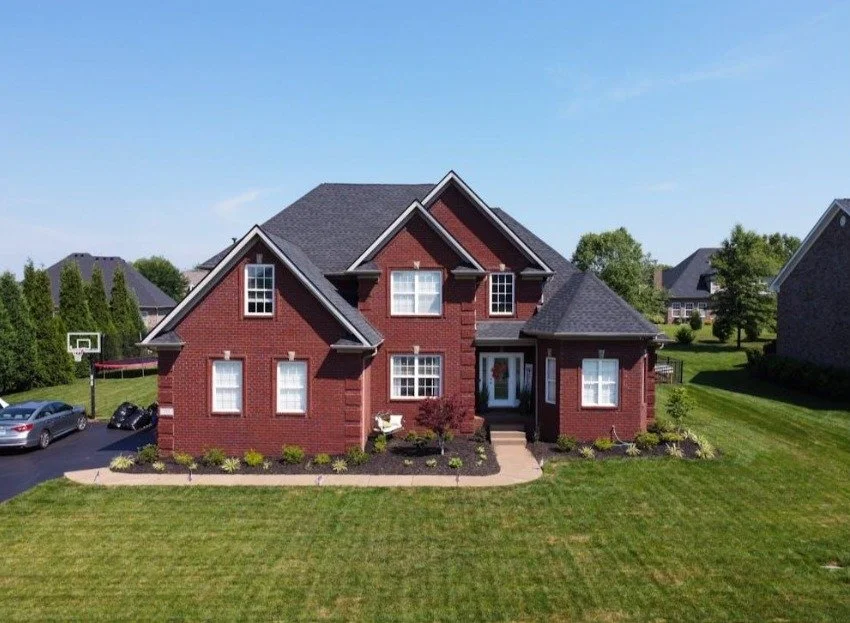
Common Home Upgrades That Improve Marketability
Selling a home in a competitive market requires strategic upgrades. Buyers often look for homes that feel modern, functional, and ready to move into without major renovations. While some home improvements add direct value, others make the space more attractive and appealing. The right updates can help a property stand out and sell faster.
Many sellers focus on areas that buyers prioritize, such as kitchens, bathrooms, and curb appeal. These spaces significantly impact first impressions. A few well-planned changes can make a home look fresh and inviting.
Kitchen Updates That Make a Difference
The kitchen is one of the most important areas in a home. An outdated kitchen can turn buyers away, while a modern, functional one can increase interest.
Upgrading cabinets is an easy way to improve the kitchen's appearance. Repainting or refacing cabinets can give them a fresh, clean look without a complete replacement. Installing new hardware, such as handles and knobs, adds a subtle but noticeable improvement.
Countertops also play a big role in a kitchen’s appeal. If replacing countertops isn't an option, refinishing them can still make a difference. Adding a stylish backsplash is another way to enhance the look of the kitchen. Buyers also appreciate energy-efficient appliances, as they help reduce long-term utility costs.
Lighting is another factor that affects how a kitchen feels. Under-cabinet lighting, pendant lights, or recessed lighting can brighten the space and make it feel more welcoming. A well-lit kitchen looks more inviting and highlights other upgrades.
Bathroom Enhancements for a Fresh Look
Bathrooms are another key selling point. Buyers want clean, updated spaces that feel modern and functional. Simple upgrades can make a bathroom look fresh without a full remodel.
One of the most effective ways to improve a bathroom is through a tub replacement. An old, worn-out bathtub can make the entire space feel outdated. Replacing it with a sleek, modern design can instantly refresh the room and improve its overall appeal. Many buyers appreciate bathrooms with updated fixtures that look clean and well-maintained.
Beyond the tub, replacing sinks, vanities, and faucets can add value. Buyers often notice these details, and outdated fixtures can make a bathroom feel older than it is. Installing a new vanity with modern storage solutions can make the space more functional.
Lighting also plays an important role in bathroom updates. Bright, well-placed lights make the space feel larger and more inviting. Wall sconces, LED mirrors, or recessed lighting can enhance the bathroom’s look. New tiles or a fresh coat of paint in neutral colors can also create a cleaner, more modern appearance.
Curb Appeal: First Impressions Matter
The exterior of a home is the first thing buyers see, making curb appeal a key factor in marketability. A well-maintained yard, fresh landscaping, and a clean entryway create a strong first impression. Simple updates like trimming overgrown bushes, planting seasonal flowers, and adding fresh mulch can make a noticeable difference.
A fresh coat of paint on the front door adds instant appeal. Bold colors like navy blue, deep red, or charcoal gray can make the entrance stand out without overwhelming the exterior. Updating house numbers, mailboxes, and porch lighting also improves the look of the home.
Pathways and driveways should be clean and in good condition. Pressure washing walkways, driveways, and siding can remove years of dirt buildup, making the property look well cared for. Adding outdoor lighting along the walkway increases visibility and enhances the home’s welcoming feel.
Flooring Upgrades That Attract Buyers
Old flooring can make a home feel outdated, even if other areas have been improved. Buyers often notice worn-out carpets, scratched hardwood, or outdated tile as they walk through a home. Replacing flooring is one of the most effective ways to give the interior a modern and well-maintained look.
Hardwood floors are a popular choice among buyers. If replacing all the flooring isn’t possible, refinishing existing hardwood can restore its shine. Luxury vinyl plank (LVP) and laminate flooring provide cost-effective alternatives that mimic the look of real wood.
Another option homeowners and buyers often consider is engineered wood, which delivers the appearance of solid timber with greater dimensional stability. Because layered construction makes it less prone to movement, engineered wood flooring often performs well with underfloor heating and in rooms with fluctuating humidity.
It also comes in a wide range of species and finishes, so you can match period character or a modern palette without the long installation time of traditional planks. For sellers balancing cost, durability and curb appeal, engineered wood is a practical middle ground between hardwood and LVP.
Carpets in high-traffic areas tend to show signs of wear quickly. If carpets are still in good condition, a deep professional cleaning can refresh them. If they are outdated or stained, replacing them with more durable flooring can improve the home's appeal.
Tile flooring in bathrooms and kitchens should be clean and free from cracks. Replacing outdated tile or simply regrouting can make a big difference. Buyers appreciate floors that require minimal maintenance while still looking stylish and modern.
Paint and Finishing Touches for a Modern Feel
Fresh paint is one of the easiest ways to make a home look clean and inviting. Neutral colors like light gray, beige, and soft white appeal to a wide range of buyers. These shades make rooms feel larger and brighter while giving the space a fresh, modern look.
Painting walls, ceilings, and trim can refresh an entire home. Even repainting kitchen cabinets and doors can create a more polished appearance. Buyers tend to notice well-maintained spaces, and a fresh coat of paint can make an older home feel newer.
Small finishing touches also make a difference. Updating door handles, light fixtures, and cabinet hardware can modernize a home without requiring a large investment. Simple changes, like swapping outdated ceiling fans for modern designs or replacing old blinds with new window treatments, can add to a home’s overall appeal.
Mirrors, decorative shelving, and stylish curtains help tie a space together. While these changes may seem minor, they contribute to making a home feel well-staged and ready for potential buyers.
A well-prepared home attracts more buyers and stands out in a competitive market. Strategic upgrades in key areas like the kitchen, bathrooms, and flooring can make a big difference. Simple improvements such as fresh paint, modern lighting, and updated fixtures help a home feel more inviting. Investing in curb appeal boosts interest from buyers who are looking for a move-in-ready space. Making the right changes increases a home's marketability and speeds up the selling process.