12 Fashion Essentials Every Man Needs

Dressing well is one of the easiest — and most fun — ways to elevate your appearance. But of course, in order to dress well, you’ll need to have quality clothing in your wardrobe. Some people are able to look their best even when they’re wearing any old items, but that’s not the reality for most of us. To dress well, you’ll need to invest in items that are well-designed, well-made, and which instantly make any outfit look better.

In this post, we’re going to run through some fashion essentials that every man should have in their wardrobe. Stock your wardrobe with these items, and you’ll always have something to wear. 

Pexels - CC0 Licence

Jeans

Did you know that jeans were originally designed for miners to wear back in the 1870s? It wasn’t until the 1950s that they became fashionable. Today, they’re about as essential as a clothing item can be. That’s because they’re highly versatile, highly durable and resistant, and you can wear them for all manner of occasions.

We’d recommend investing in at least two pairs of quality jeans: one dark, one light blue. Remember that the important word in that sentence is quality; you’ll pay a little more to get the best jeans, but it’ll be worth it — you’ll be wearing them for many years to come! 

Casual Sweaters

T-shirt weather may be our favorite, but there’s really only a few months — if that — when we can confidently step outside in t-shirts and shorts. For the majority of the year, you’ll be wearing a trusty sweater. That item will be with you during the winter, fall, and spring, functioning as another layer to keep the chill away, or as an essential part of your outfit aesthetic when the weather heats up a little.

You can buy a couple of basic sweaters for not much money, but we’d recommend spending a little more to get your hands on a quality sweater made from comfortable, durable materials. Look for merino wool or cashmere sweaters if style is your priority, though you can also check out cotton sweaters if you’re looking for an item that’s both comfortable and casual. 

Classic Jacket

You’ll wear your jacket every day for a big chunk of the year, so it’s worth taking the time to ensure you get the one that’s right for your needs. In fact, we’d argue that it’s probably worth having two or three quality jackets that you’re always happy to wear. A light, slightly athletic jacket will be useful for the shoulder seasons, while you can also look at adding a more stylish jacket to your collection. What that looks like will depend on your individual style. It could be a leather police jacket, trench coat, or bomber jacket, all of which will keep you warm and help you to create a head-turning look. A good jacket will be with you for many years, so take the time to find the right one!

Wristwatch

In all likelihood, you probably don’t need a wristwatch. Unless you’re one of the 2% of the population who don’t own a cellphone, you’ll be able to tell the time simply by taking your phone out of your pocket.

But there’s a reason why people still choose to wear a wristwatch even though they don’t need one to tell the time, and that’s that they look good. Wearing a watch makes a subtle but powerful statement, and it also becomes one of those keepsakes that you’ll have with you for many years to come. Indeed, it might be the only permanent part of your outfit, something that you wear every single day, to every single occasion — that alone should give you the motivation you need to splurge the cash a little to get your hands on a watch that you genuinely love.

A Smart Dress Shirt

Weddings, birthday parties, formal work dinners, special date nights with your partner — these are special occasions, and if you’re going to do them justice, then you’ll need to look the part. It’s a good idea to invest in a smart dress shirt, a staple of men’s clothing, that you can wear any time you need to make an impression.

A wardrobe isn’t complete without a few well-fitted men's shirts that strike the perfect balance between timeless style and modern tailoring.

A good dress shirt can also be worn with casual clothing, too. Pair it with the quality pair of jeans that we recommended you buy above plus some stylish boots, and you’ll have a look that makes you feel like a million dollars.

Top-Quality Suit

Your opportunities to wear a suit will be even fewer than your opportunities to wear a smart dress shirt. But when you do have the chance to wear one, you’ll be happy if you’ve invested in a quality, tailored suit.

You’ll have to splurge a little to get your hands on a tailored suit, but it’ll be worth it. The suit will last for some 10 - 15 years, which means you can get more than a decade of looking incredible just by taking the time to go for a fitting. 

If you wear a suit for work purposes, then you can probably get away with getting a suit that’s slightly less stylish. Suits that are worn every day last for around 5 years — but hey, if it helps you to get ahead in your career, then it’ll be a worthy investment.

A Wallet

A wallet is a bit like a wristwatch. You don’t necessarily need one, especially if you usually pay using your smartphone. But we’d argue that it’s a timeless classic that every man should own. You can get a quality, minimalist wallet without breaking the bank, and it’ll become one of those things that you have with you for many years to come. 

If you already own a wallet, then take a critical look at it. Does it add or detract from your outfit? Many men carry wallets that are beaten up and well past their best, and those wallets can make even the best-dressed person look a little scruffy.

White T-Shirts

It’s somewhat surprising that the white t-shirt is a wardrobe staple — after all, they’re about as plain as an item of clothing can be. So why have they become such a necessity? Because they look fantastic. A well-made, crisp white t-shirt can work with just about every outfit, offering a casual yet refined look that can be hard to achieve with other clothing items. 

You can break the bank buying a white t-shirt if you want, but you don’t need to. If you can commit to spending $100 on three excellent white t-shirts, then that’ll be enough. And if you think that you won’t wear them, then think again; they go with everything, so you’ll probably find that you end up wearing them much more frequently than you thought. 

Summer Hat

Even men who normally dress fantastically well can become a little undone during the summer months. The hot weather isn’t with us all that long, so many people simply try to ride out the season as best they can with whatever old items they have to hand.

If you live in a cold environment and only experience peak summer when you’re on vacation, then you may be able to get away with not buying a great summer hat. But if the sun shines consistently where you live, then it’s a worthy investment. A good summer hat will elevate your style and keep you safe from the sun. Look at visiting a hat store — they’ll help you get one that perfectly fits your head.

Light Scarf

As with the summer hat, you probably won’t need to wear a scarf all that frequently unless you live in a snowy environment. But no matter where you live, there’ll be at least a few weeks of the year when you need to wear one.

A scarf isn’t just a functional asset; it will also influence your outfit, so pick wisely! It’s also an opportunity to add a little color, which can be a convenient way to brighten up your look during the colder months of the year.

Winter Boots

Quality winter boots will cost a little extra than standard winter boots, but they’ll be worth it. You’ll wear your boots every day for months when the weather is chilly, and standard boots will begin to fall apart pretty quickly. Quality boots, on the other hand, will last for years — and they’ll add to your style, too. There are a bunch of different types of boots, such as Chelsea boots, brogue boots, and motorcycle boots. Pay a visit to a shoe store and see which type suits your personal style. 

A Belt That’s Made to Last

Belts are a bit like wallets; people end up wearing ones that should have long been put in the trash. Your belt may not always be a visible part of your outfit, but it is on display from time to time. Plus, it influences how you feel about your outfit — you’ll feel more confident if you know that every inch of your outfit is on point. Wearing an old belt is like wearing socks with holes in them; don’t do it! Invest in a good brown and black belt, and they’ll be with you for years. 

Level Up Your Dental Career: Strategies for Growth and Advancement

As many of you already reading this will already know, you will have spent the best part of seven to eight years of study in order to earn a Doctor of Dental Surgery (DDS) or Doctor of Dental Medicine (DMD) degree. This is no mean feat, and for those who have spent all that time studying, stressing, and, of course, paying for the privilege of being able to earn the coveted title you have so diligently worked for, it's highly likely that you are interested in scaling up your career in order not just to earn the big bucks, but also perhaps to get to the stage where you can open your own dentistry practice and add the title of businesses owner to your already glowing list of accomplishments. While there are tumor options on hand to level up, this post is going to look at those that will most likely result in the sort of advancement that most are seeking so that you can gain a deeper understanding of what's involved and, therefore, how to get there.

Engage In Courses To Enhance Your Skills And Knowledge In Dentistry

The key to continuing growth is to add new skills to your repertoire regularly. Fortunately, when it comes to dentistry, you have an innumerable number of options to pursue based on your prior experience or desire to learn more. These can range from advanced sinus lift courses that utilize sophisticated technology that will raise your dentistry skills as well as your overall technical aptitude regarding advanced tools and systems to the highly lucrative (as long you can make a name for yourself) cosmetic surgery aimed at those seeking cosmetic and life-altering surgeries that boost their self-esteem. Moreover, this isn't an either-or sort of decision. The more you can add to your reserve of knowledge, the more prepared you will be when it comes time to niche down and really move outside of your usual circle of competence.

Define Clear Objectives For Your Dental Career

You can never truly advance until you know where you want to advance. Without having a clear objective or direction of travel, you run the risk of fumbling about in the dark and never reaching your true potential. It's ok to make mistakes along the way, but to go through your life only focusing on the latest and greatest shiny object will cause you to expend energy and money while ending up in the same position as when you started. Instead, it makes sense to take a step back and discuss with friends, family, and professional acquaintances what options are on your doorstep. After gaining some advice, you can begin to set up objectives and milestones to aim for, enabling you to move much quicker in your chosen direction. It's worth noting that you can still change lanes if new opportunities arise, but getting focused and having a fundamental understanding of what you want will help you to enroll in relevant courses and mingle with the right people.

Build Relationships With Colleagues To Open New Opportunities

Networking has always been a part of professional life as it allows you to meet other like-minded people who can open doors and provide highly relevant advice on various topics. You will have already developed a decently sized network throughout your time in school and university (and possibly during your current career), but joining any of the myriads of dentistry events will open new avenues that you might not have considered. Moreover, if you have the ambition to start your own practice, networking could help you meet potential future patterns, allowing you to spread the cost of opening a business and lead you to things far more significant than you might have ever been able to achieve by yourself. 

Regularly Research The Latest Advancements And Technologies

Medicine has always been based on the most cutting-edge technological breakthroughs, and dentistry is no different. By keeping yourself updated with the latest tech, you will give yourself a headstart for pretty much any option you want to choose. For instance, if you are looking to upgrade your career by joining a highly prestigious dentist practice, having an in-depth understanding of how the latest machines and techniques work will endear you to them far more than others who pay less attention. Conversely, if you want to set up your own business, it pays to know which machines and devices are worth investing in that can future-proof your practice and ensure that you receive the highest-paying clients who want the very best treatments.

Staying current with advancements also enhances patient care. New technologies can improve accuracy, reduce discomfort, and shorten recovery times—benefits that patients greatly value. According to this expert dentist in Salem MA, by integrating the latest tools and methods into your practice, you not only elevate the standard of care but also position yourself as a forward-thinking professional in a highly competitive field.

Develop Strong Communication Abilities To Improve Patient Interactions

Just as with all medical disciplines, you exist to provide your patients with a medical procedure that they need or want. As such, anyone believing that they can walk around acting like Dr. House is in for a pretty immense shock that can even lead to severe disciplinary action that will set your career back for years, if not indefinitely. While that might be an extreme example, the point is that the more you are able to develop your interpersonal skills, the better off you will be in the long run. This also extends to your colleagues and potential staff members if you go down the self-employed route. Although this is typically something that you will learn along the way, there are management and interpersonal skill courses that could prove valuable if you have the time and predilection to take them. Nevertheless, in most cases, it tends only to involve being personable and open to hearing what others have to say, and even if you disagree, knowing how to relay your thoughts in a way that doesn't seem crass and abrasive. 

Take Out A Loan To Set Up Your Own Practice

If you have already earned your wings and gone through the rigors of dentistry trench warfare in local hospitals and private clinics, it might be time to open your very own business. This can be a terrifying prospect to most people, particularly those who have spent so long studying a trade that is entirely focused on people over business methodology. Nevertheless, this is, in many ways, the holy grail of career advancement and, when done well, can set you up for life. However, getting started is the challenging part, and in most situations, you will need initial capital to rent premises and invest in equipment. Nevertheless, once you've taken out your loan and started starting the patients coming through the door (and becoming regulars), it is ultimately worth the stress of going down this path.

Advancing one's career, regardless of industry, is something that most folks want to pursue. When it comes to dentistry, the suggestions in this post are merely the start, and you will need to choose your direction of travel to ensure you end up in the position that you deserve based on the effort you put in.

Explore Europe’s Treasures with These Iconic and Offbeat Itineraries

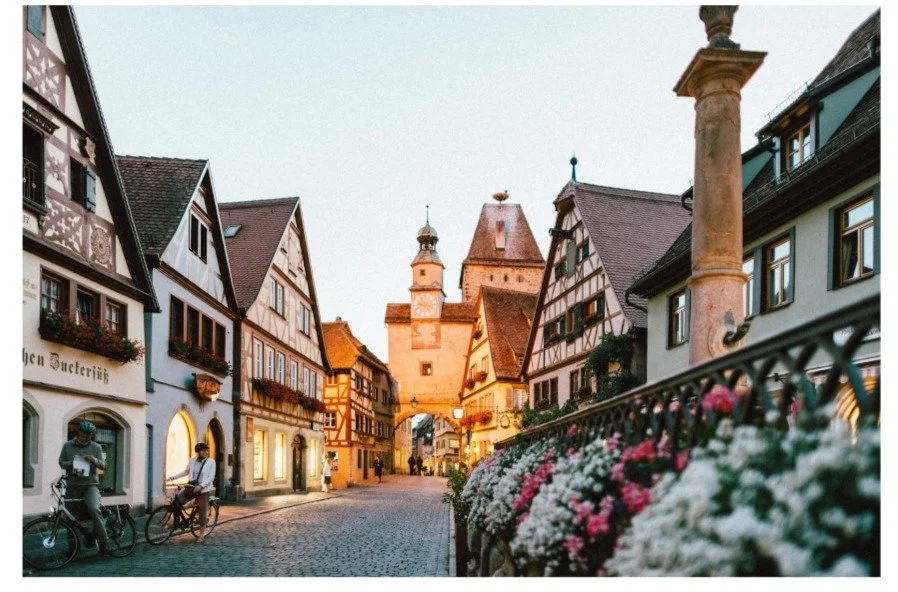
Europe is one of the most popular travel destinations in the entire world. Travelers from around the globe visit its shores each year to see the many different countries, cultures, and historical places there. However, there is a lot more to Europe than the main tourist hotspots. If you are interested in taking a trip there, educating yourself about Europe’s hidden treasures is essential. This post will help you with that by highlighting some iconic yet offbeat activities you can incorporate into your travel plans, so you can make the most of your trip. 

Hire a Professional

Europe’s history is immense. The continent has, without a doubt, shaped the modern world more than any other. Hiring an expert in European itineraries is therefore a great way to see things you would otherwise not be able to. There is so much to do in Europe that the easiest way to see everything worth seeing is to hire a professional tour guide or go to live events hosted by one. 

Italy

Moving away and onto this article’s main topic, why not visit Italy? Italy is one of Europe’s most popular travel destinations. A lot of people prioritize visiting places like the Vatican or the Colosseum, both in Rome, but why not go off the beaten track and try something else? You could, for example, take a pizza-making class in Naples. Neapolitan pizza is regarded as some of the best in the world. Alternatively, you could take pasta-making classes in Campania, a region that has the best pasta in the country. 

France

France is another popular European travel destination, just after Italy. It’s somewhere many people go just to visit Paris. One thing you can do if you are interested in history is visit the site of the D-Day landings in Normandy. Normandy also happens to have some of Europe’s most beautiful countryside and some great folklore. Alternatively, you could visit a vineyard and see how French champagne is made in Campagne, a village in southwestern France. It’s possible to take hot air balloon tours over Campagne. 

Serbia

Serbia is quickly becoming one of Europe’s go-to tourist destinations, and it’s not hard to see why. Not only does Serbia have some of Europe’s most unique and interesting history, it is also one of the earliest places settled by humans on the continent. Belgrade is a great place to go, as you can take a tour of the old city. Alternatively, you could venture off into the mountains. Watch out for wolves though, as Serbia has the sixth largest population of grey wolves in Europe. 

England

While no longer a part of the European Union, England is still part of the European continent. England has a fascinating history, and while most travelers think its history begins and ends with London, there is a lot more to it. Why not travel to St. Albans and see one of the earliest Roman settlements in the United Kingdom, or go north to York and see one of Britain’s most beautiful ancient cathedrals and the nation’s former capital? 

Europe is a great place to go on vacation, no matter what kind of traveler you are. There is something for everybody there. Make sure you shop around and find the best tour guide you can if you plan on hiring one because a tour guide will help you to see Europe in a way you simply wouldn’t be able to yourself.

Zero-Based Budgeting: Why Starting from Scratch Might Be the Smartest Move

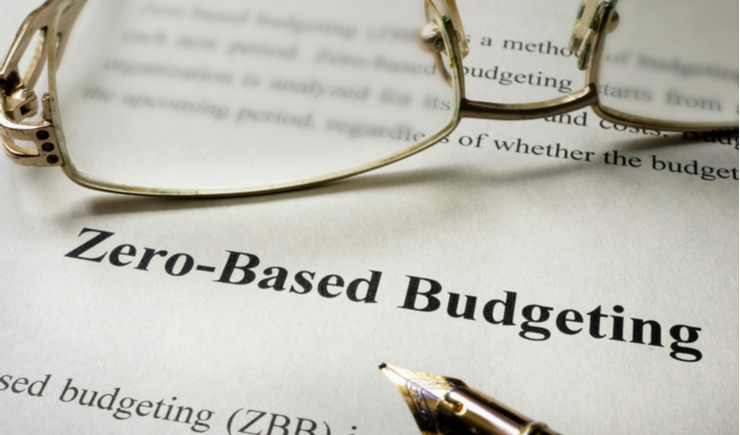
Managing personal finances can often feel like loud budgeting—noisy, chaotic, and overwhelming. Traditional methods, like incremental budgeting, build upon previous spending patterns, which may not always align with your current financial aspirations. Enter zero-based budgeting: a strategy that starts from scratch, compelling you to justify every expense anew. 

This approach offers a fresh perspective, enabling you to control your finances, eliminate unnecessary spending, and ensure your money aligns with your priorities. In this article, we'll delve into how zero-based budgeting can be a game-changer for your financial health and provide practical steps to implement this method effectively.

source

Zero-Based Budgeting - Budgeting from Scratch

In a zero-based budget, all of your outgoing funds will equal zero. Budgeting doesn't have to entail emptying your bank account every month; instead, it's about giving each dollar a defined purpose and ensuring that your income is split between different expenses, savings, and paying off debt.

Unlike incremental budgets, which adjust based on the prior period's budget, including variable costs, the zero-based budgeting process requires you to build your budget from the ground up each time, justifying every expense afresh.

Advantages of Zero-Based Budgeting

1. Enhanced Financial Awareness

  1. When scrutinizing each expense, you must critically assess your spending habits. This heightened awareness can lead to more mindful spending and better financial decisions.

2. Elimination of Unnecessary Expenses

  1. Starting from zero forces you to evaluate the necessity of each expense, making it easier to identify and cut out non-essential spending.

3. Alignment with Financial Goals

  1. This method ensures that your spending aligns with your current financial objectives, whether building an emergency fund, saving for a down payment, or reducing debt.

Implementing Zero-Based Budgeting

  1. Calculate Your Monthly Income

    First, add up all your revenue streams to get your total take-home pay.

  2. List All Expenses

    Expenses may be set (like rent or utilities) or variable (like food or entertainment).

  3. Assign Every Dollar a Job

    Your salary should cover all of your spending, savings, and debt payments until there is no more money left over.

  4. Monitor and Adjust Regularly

    Review your budget often to ensure accuracy and update it as needed to reflect changes in income, fixed expenses, and variable expenses.

Comparing Budgeting Types

To better understand how zero-based budgeting stands out, let's compare it with other common budgeting methods:

Practical Tips for Success

  • Use Budgeting Tools

Leverage applications used for budgeting or spreadsheets to track your income and expenses efficiently.

  • Set Realistic Categories

Create expense categories that reflect your spending habits to ensure your budget is practical and sustainable.

  • Build an Emergency Fund

Prioritize regular contributions to an emergency fund to safeguard against unexpected expenses.

source

Challenges of Zero-Based Budgeting

While zero-based budgeting offers many benefits, it also comes with a few challenges that can make it harder to follow. Here are five common difficulties:

  1. Time-Consuming Process
    Unlike incremental budgeting, which builds on previous budgets, starting from scratch every time requires a lot of effort. You need to track every dollar, justify each expense, and adjust for new financial goals, which can be overwhelming.

  2. Strict Discipline Required
    This budgeting method demands complete commitment. Since every dollar is assigned a purpose, unexpected spending can throw off your budget. Sticking to the plan requires strong financial discipline and regular monitoring.

  3. Harder for Irregular Incomes
    If your income varies each month, zero-based budgeting can be tricky. You must estimate earnings carefully and adjust expenses frequently to avoid shortfalls.

  4. Not Ideal for Beginners
    People new to budgeting may find it challenging to categorize expenses and justify every cost. Making accurate spending plans takes practice.

  5. Unexpected Costs Can Disrupt Plans
    Emergency expenses or price increases in variable costs can force you to rework your budget often, making it difficult to maintain stability.

Final Words

Zero-based budgeting offers a structured approach to managing finances, ensuring that every dollar is purposefully allocated. When budgeting regularly and starting from scratch each budgeting period, you can eliminate unnecessary expenses, align your spending with your financial goals, and gain greater control over your cash flow. 

While it requires diligence and regular monitoring, the benefits of achieving financial clarity and making more money through it and discipline make it a worthwhile endeavor.

FAQs

Is zero-based budgeting suitable for individuals with irregular income?

Yes, but it may require more frequent adjustments. Allocating funds based on the lowest expected income can help manage variability.

How does zero-based budgeting handle annual or irregular expenses?

When allocating a portion of your monthly income to a savings account designated for these expenses, you can ensure funds are available when needed.

Can zero-based budgeting help in reducing credit card debt?

Absolutely. You can systematically reduce outstanding balances by assigning specific amounts toward debt payments each month.

Innovative Land Development Practices for Rapidly Growing Texas Communities

Texas is booming. As communities across the state expand at an unprecedented rate, developers and city planners are turning to fresh ideas and practical solutions. In this article, we explore innovative land development practices in Texas that are shaping our cities, neighborhoods, and the lives of countless residents. We will examine the challenges, new approaches, and the many benefits that these methods bring to rapidly growing Texas communities.

The Texas Growth Story

Over the past few decades, Texas has transformed from a state known primarily for its vast ranches and oil fields into a hub of modern innovation and urban development. Cities like Austin, Dallas, Houston, and San Antonio are attracting new residents with their strong economies, diverse cultures, and vibrant lifestyles. With population growth comes a higher demand for well-planned land development that not only supports economic expansion but also improves quality of life.

This growth means we must rethink traditional methods. Embracing Innovative Land Development Practices in Texas is now more than a trend—it is a necessity. Texas communities are facing pressures to design spaces that are functional, sustainable, and adaptable to change, and new strategies are emerging every day.

Overcoming Common Land Development Challenges

Rapid growth brings with it a set of challenges that every community must face:

  • Population Pressure: With more people comes increased demand for housing, schools, and public spaces.

  • Infrastructure Needs: Roads, utilities, and transportation systems must keep pace with development.

  • Environmental Concerns: Expanding urban areas can strain natural resources and affect local ecosystems.

  • Regulatory Hurdles: Navigating local, state, and federal regulations can slow down progress.

  • Economic Constraints: Balancing cost efficiency with quality development is an ongoing challenge.

Addressing these issues requires a blend of creative thinking and practical solutions. Today’s planners and developers are focusing on a holistic approach that meets immediate needs while keeping long-term sustainability in mind.

New Approaches in Land Development

Innovative land development practices are turning these challenges into opportunities. By rethinking how communities grow, developers are creating spaces that are smarter, greener, and more connected. Here are some of the key strategies being used:

Building on this vision, local outdoor recreation options—such as Texas exotic hunts—are even being embedded into master‑planned developments, offering residents curated wildlife and adventure experiences in partnership with providers like Valhalla Exotic Hunts.

Smart Growth and Mixed-Use Development

Traditional zoning often separates residential, commercial, and industrial areas. Today, mixed-use developments are gaining traction. These projects combine living, working, and recreational spaces in one area. They offer many benefits:

  • Reduced Traffic: By placing homes, shops, and offices close together, residents can rely less on cars.

  • Stronger Communities: Mixed-use areas encourage social interaction and community engagement.

  • Economic Efficiency: Developers can maximize space and boost local economies by creating vibrant, multi-use neighborhoods.

Sustainable Design and Green Infrastructure

Sustainability is no longer an afterthought in land development. Designers and builders are incorporating eco-friendly solutions from the start. Some practices include:

  • Energy-Efficient Buildings: Structures designed to reduce energy use and lower utility costs.

  • Green Spaces: Parks, community gardens, and open areas that not only beautify a neighborhood but also improve air quality.

  • Water Management Systems: Innovative drainage and rainwater harvesting techniques that protect against flooding and preserve resources.

  • Renewable Energy Integration: Solar panels and wind turbines are becoming common, powering developments with cleaner energy.

Community-Centered Planning

A successful project is one that meets the needs of its residents. Community involvement is essential to ensure that new developments fit the local culture and lifestyle. Effective strategies include:

  • Public Forums and Workshops: These help gather input from residents and foster a sense of ownership.

  • Surveys and Digital Engagement: Tools like online surveys allow community members to voice their ideas and concerns.

  • Collaborative Design Processes: Working directly with locals ensures that developments are not only innovative but also relevant.

Leveraging Technology

Modern technology is at the heart of many innovative land development practices. Digital tools have transformed the planning process, making it easier to create precise, adaptable designs. Some key technologies include:

  • Geographic Information Systems Services (GIS): These systems help map out the best use of land by analyzing terrain, population density, and other critical factors.

  • Building Information Modeling (BIM): This digital process allows architects and engineers to create detailed 3D models, which improve planning and reduce errors.

  • Drone Surveys: Drones provide a quick and accurate way to survey land, monitor construction progress, and assess environmental impacts.

When developers collaborate with professionals like engineering firms in Texas and innovative partners such as Pape-Dawson, who are at the forefront of emerging technologies, projects gain enhanced accuracy, improved efficiency, and a boost in creative innovation.

Sustainability: Building a Greener Future

Environmental care is a top priority in modern land development. Texas communities are investing in sustainable practices that help preserve natural resources while promoting economic growth. Here are some common methods that lead to greener projects:

  • Eco-Friendly Materials: Using recycled and locally sourced materials reduces environmental impact and supports local businesses.

  • Energy Conservation: Techniques such as passive solar design and improved insulation reduce energy needs.

  • Green Roofs and Walls: Vegetated roofs and walls help manage rainwater, improve insulation, and provide urban habitats for birds and insects.

  • Native Landscaping: Planting native species requires less water and maintenance, promoting biodiversity.

These sustainable practices help create a healthier environment and can lead to lower costs in the long run. With each project, Texas communities are proving that growth and environmental care can go hand in hand.

The Power of Collaboration

Innovative land development is rarely a solo effort. It involves a network of experts—from city officials and architects to construction crews and local residents. Collaboration is the key to transforming ambitious ideas into real-world solutions. Here are some ways collaboration makes a difference:

  • Interdisciplinary Teams: Bringing together experts from various fields ensures that projects are well-rounded. For instance, planners might team up with environmental specialists to address green infrastructure needs.

  • Public-Private Partnerships: These collaborations allow communities to pool resources and expertise, accelerating project timelines.

  • Community Engagement: Including local voices in the planning process leads to developments that truly reflect the needs and values of the area.

By working together, stakeholders can overcome obstacles and create spaces that are both innovative and sustainable.

Government Support and Policy Innovation

Local and state governments play a crucial role in fostering innovative land development practices. By updating policies and offering incentives, public agencies encourage projects that meet the needs of today’s growing communities. Some key initiatives include:

  • Streamlined Permitting Processes: Faster approvals mean that innovative projects can move forward without long delays.

  • Financial Incentives: Grants, tax breaks, and low-interest loans help reduce the financial risks associated with new development methods.

  • Zoning Reforms: Modern zoning laws that allow for mixed-use developments and increased density enable more dynamic urban landscapes.

  • Environmental Regulations: Clear guidelines help ensure that new projects protect natural resources while still allowing for growth.

When government agencies and private developers work hand in hand, Texas communities can enjoy faster, more effective growth that benefits everyone.

Economic Benefits of Innovative Land Development

Innovative practices in land development are not just good for the environment and community spirit—they also drive economic growth. Here are some of the economic benefits:

  • Job Creation: New projects generate employment in construction, technology, and service sectors.

  • Increased Property Values: Well-planned neighborhoods tend to attract higher property values, benefiting homeowners and local governments.

  • Attracting Investment: Modern, sustainable developments are appealing to businesses and investors looking for growth opportunities.

  • Boost to Local Businesses: Mixed-use developments create opportunities for local shops, restaurants, and services, fostering a thriving local economy.

These economic benefits reinforce the idea that smart land development practices can lead to lasting prosperity for Texas communities.

Future Trends in Texas Land Development

Looking ahead, several trends are likely to shape the future of land development in Texas:

Modular and Prefabricated Construction

Building components in a controlled factory setting can speed up construction times and reduce waste. This method is gaining popularity, especially in areas where rapid growth demands quick solutions.

Autonomous and Smart City Technologies

Advances in technology are paving the way for smarter, more responsive urban environments. Innovations such as self-driving vehicles, smart sensors, and real-time data collection are being integrated into new developments, making cities safer and more efficient.

Adaptive Reuse

Instead of tearing down old structures, adaptive reuse transforms them into modern, multi-functional spaces. This approach conserves resources and preserves the historical character of communities.

Enhanced Mobility Solutions

Improved public transportation and better infrastructure for bikes and pedestrians are key to reducing traffic congestion and pollution. Innovative mobility solutions make it easier for residents to get around without relying on personal vehicles.

Climate-Resilient Design

With changing weather patterns, designing for resilience is more important than ever. Innovations include flood-resistant structures, improved drainage systems, and materials that can withstand extreme temperatures.

These trends suggest that Texas is not only keeping up with the times but also leading the way in creating resilient and adaptable communities.

Bringing It All Together

The rapid expansion of Texas communities calls for a new approach to land development. By adopting innovative practices that focus on sustainability, technology, and community collaboration, developers are laying the groundwork for a future where growth is balanced with quality of life. Whether through mixed-use developments, eco-friendly designs, or smart technologies, the aim is to build places that are efficient, attractive, and ready for the challenges of tomorrow.

Here’s a quick recap of the key points:

  • Rapid Growth Demands New Solutions: Texas communities are expanding quickly, and traditional methods are no longer enough.

  • Innovative Practices Are Key: From smart growth planning to adaptive reuse, new strategies are transforming how land is developed.

  • Sustainability Matters: Eco-friendly materials, renewable energy, and green infrastructure ensure that growth is sustainable.

  • Technology Drives Efficiency: Digital tools like GIS and BIM help create accurate and efficient plans.

  • Collaboration Is Essential: Successful projects involve input from government, experts, and community members.

  • Government Policies Support Innovation: Updated zoning laws, streamlined permits, and financial incentives boost development.

  • Economic Growth Follows Smart Development: Job creation, increased property values, and boosted local businesses all benefit from innovative practices.

  • Future Trends Point to Even Greater Change: Modular construction, smart city tech, and climate-resilient designs will shape tomorrow’s communities.

Final Thoughts

Texas stands at the crossroads of tradition and innovation. The need for growth is undeniable, but so is the need for thoughtful planning. By embracing Innovative Land Development Practices in Texas, communities can create vibrant, resilient spaces that meet today’s demands and tomorrow’s challenges.

This approach is not just about building structures—it’s about building futures. Each new project brings the promise of a better, more connected community. Whether you are a resident, a developer, or a policymaker, understanding these practices can help guide decisions that shape our cities and enhance our lives.

In a state as vast and diverse as Texas, innovation is not optional—it is essential. With smart planning, sustainable design, and a commitment to collaboration, Texas communities are ready to lead the way into a brighter future. The blend of modern techniques and traditional values ensures that as Texas grows, it does so with purpose, care, and vision.

By focusing on practical, forward-thinking methods, developers are turning challenges into opportunities. The emphasis on mixed-use spaces, environmental sustainability, and technological innovation is paving the way for a more resilient urban landscape. This transformation is not only changing skylines but also enriching lives, one community at a time.

Texas is a living example of how progress can be achieved when people work together. With the right mix of planning, technology, and community input, the future looks bright. The strategies outlined here provide a roadmap for cities and towns that are ready to embrace change. And as more projects incorporate these innovative methods, we can expect to see even greater improvements in how land is developed and communities are built.

Embracing these practices means acknowledging that growth is a journey. Each step forward builds on the lessons of the past while paving the way for a dynamic future. As we look around us, we see a state full of potential—where every plot of land holds the promise of a new beginning and every community can thrive under the light of innovative ideas.

In conclusion, the landscape of Texas is evolving. The practices discussed in this article are not only modern solutions but also a call to reimagine what our communities can become. With careful planning, a commitment to sustainability, and an open dialogue between all parties involved, Texas is poised to set a new standard in land development—one that honors the past while embracing the future.

As we move forward, it is clear that innovative ideas, collaborative efforts, and a focus on environmental and economic balance will lead to communities that are both functional and inspiring. In this ever-changing world, Texas remains a beacon of progress and resilience, proving that with the right strategies in place, growth can be both rapid and responsible.

Let us celebrate these innovative practices and the promise they hold. By working together and thinking creatively, we can build a future that reflects the true spirit of Texas—a future that is strong, sustainable, and ready for tomorrow.